
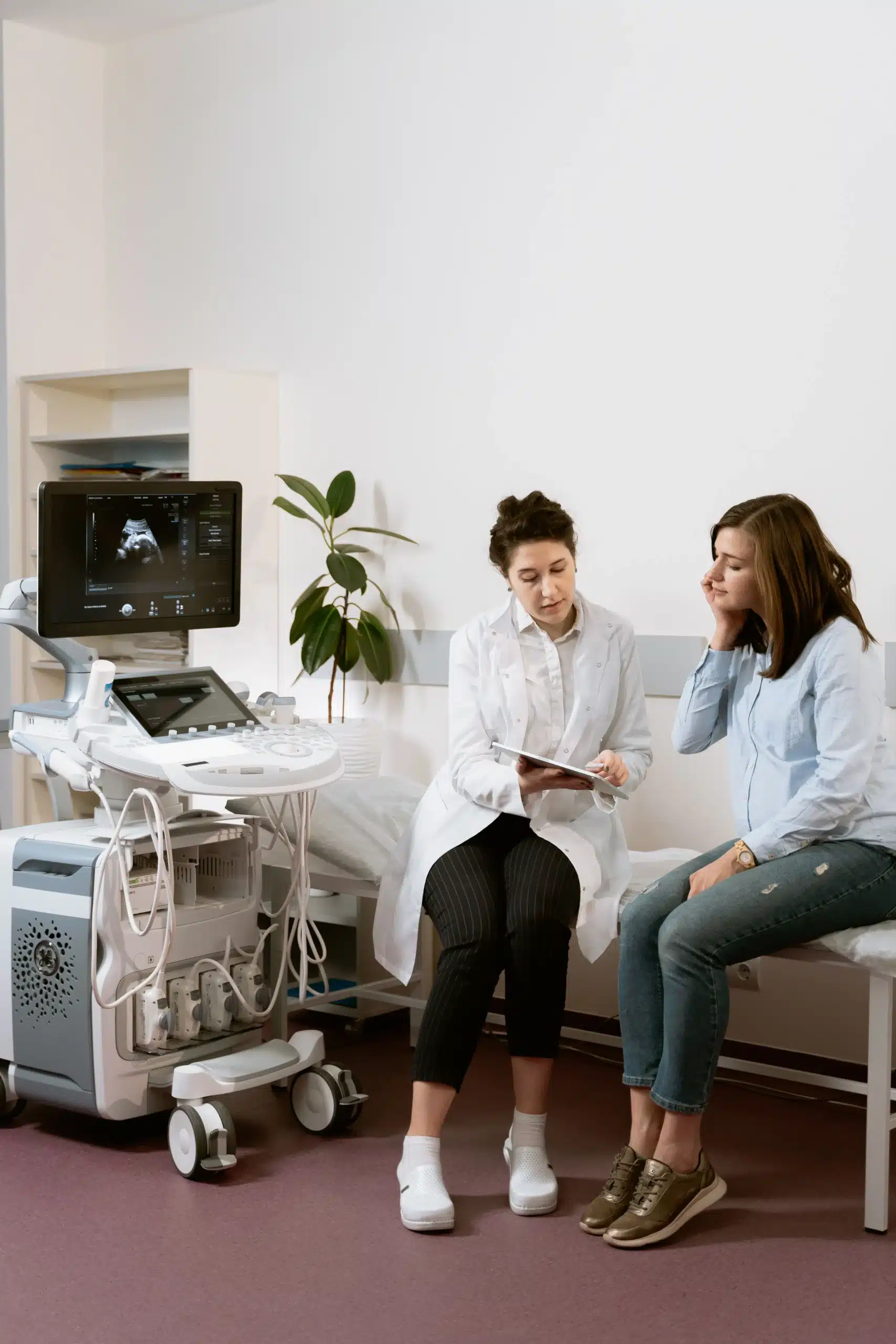
Understanding what happens before and after endometriosis laparoscopy can help patients prepare for surgery, navigate recovery, and make informed decisions about their treatment. Laparoscopy is a minimally invasive surgical procedure that allows specialists to examine the pelvic organs, identify suspected endometriosis lesions, and, when appropriate, remove affected tissue.
For patients experiencing persistent pelvic pain, painful periods, or fertility concerns, laparoscopic surgery may be considered as part of an individualized treatment plan. However, not everyone with suspected endometriosis requires surgery, and recovery experiences vary depending on the complexity of the procedure.
At the Endometriosis Center of Excellence, Dr. Rachael Haverland focuses on specialized endometriosis care, including minimally invasive excision surgery. Understanding the procedure, preparation requirements, and postoperative recovery process can help patients approach treatment with realistic expectations.
What Happens Before Endometriosis Laparoscopy?

Preparation for endometriosis laparoscopy begins with a detailed medical evaluation and a discussion of treatment goals. The surgical team reviews symptoms, medical history, previous treatments, and relevant imaging to determine whether surgery is appropriate.
Patients may undergo laparoscopy to investigate suspected endometriosis, remove identified lesions, or address complications involving pelvic organs. The specific surgical plan depends on individual findings, symptoms, and reproductive goals.
How Is Endometriosis Evaluated Before Surgery?
Before recommending laparoscopy, a specialist may assess menstrual symptoms, pelvic pain patterns, digestive or urinary concerns, and fertility history.
A pelvic examination and imaging studies, such as ultrasound or MRI, may also be recommended. These tests can help identify certain forms of endometriosis, including ovarian endometriomas and some deep lesions.
However, imaging does not detect every type of endometriosis. A normal ultrasound or MRI does not necessarily rule out the condition.
Although laparoscopy can provide direct visualization and tissue samples for pathological examination, a clinical diagnosis and treatment may sometimes be appropriate without surgery.
How Should Patients Prepare for the Procedure?
Preparing for surgery involves following the specific instructions provided by the surgical team.
Patients may be advised to:
-
Review current medications and supplements with their healthcare provider.
-
Complete any required preoperative testing.
-
Follow individualized fasting instructions before anesthesia.
-
Arrange transportation home after the procedure.
-
Organize assistance with household responsibilities during early recovery.
-
Prepare comfortable clothing, medications, and other recommended supplies.
Patients should also discuss their medical conditions, allergies, previous surgical experiences, and fertility goals before the operation.
Preparation requirements may differ when surgery is expected to involve the bowel, bladder, ovaries, or other pelvic structures.
What Should You Ask Your Surgeon Before Laparoscopy?
Understanding the surgical plan can help patients make informed decisions and prepare for recovery.
Useful questions include:
-
What is the purpose of my laparoscopy?
-
Will suspected endometriosis lesions be removed during the procedure?
-
What happens if endometriosis is found near the bowel or bladder?
-
Will tissue samples be sent for pathological examination?
-
How could surgery affect my fertility or ovarian reserve?
-
What recovery restrictions should I expect?
-
When should I schedule my postoperative appointment?
Discussing these questions beforehand can clarify expectations and help patients understand the potential benefits and limitations of surgery.
What Happens During Endometriosis Laparoscopy?

Endometriosis laparoscopy is generally performed under general anesthesia. The surgeon makes small abdominal incisions and inserts a laparoscope, a thin instrument equipped with a camera, to examine the pelvic cavity.
Carbon dioxide gas is used to create space inside the abdomen, allowing the surgeon to visualize pelvic structures. Additional instruments may be inserted through small incisions to collect tissue samples, remove lesions, or address adhesions when appropriate.
The extent of surgery depends on the location and severity of the findings.
What Does Endometriosis Look Like During Laparoscopy?
Endometriosis lesions can vary considerably in appearance.
During laparoscopy, a surgeon may identify:
-
Dark blue, black, or brown lesions sometimes described as powder-burn spots
-
Red or inflamed patches
-
Clear or translucent lesions
-
White or fibrotic areas
-
Ovarian endometriomas
-
Adhesions involving pelvic structures
-
Deep lesions affecting tissues near the bowel, bladder, or supporting ligaments
Not all endometriosis lesions look alike, and some may be difficult to identify visually.
Surgeons may examine the ovaries, fallopian tubes, pelvic lining, uterosacral ligaments, and other relevant structures to assess the extent of visible disease.
The appearance of a lesion alone does not always establish a definitive diagnosis.
How Are Endometriosis Lesions Confirmed and Removed?
When suspicious tissue is identified, the surgeon may collect samples for pathological examination.
A pathologist examines the tissue under a microscope for features consistent with endometriosis. Histological confirmation can support the diagnosis, although a negative biopsy does not always exclude endometriosis.
When excision surgery is performed, the surgeon carefully removes identified lesions from surrounding tissue.
The surgical approach depends on lesion location, depth, proximity to important structures, and the patient’s treatment goals. In some cases, adhesions may also be separated to improve anatomical mobility.
Surgical planning is especially important when disease involves the ovaries, bowel, bladder, or other structures where preserving healthy tissue and organ function is a priority.
What Is the Difference Between Excision and Ablation?
Excision and ablation are two surgical techniques used to treat endometriosis.
Excision surgery involves cutting out identified endometriosis lesions, potentially including disease extending beneath the tissue surface. Removed tissue may also be submitted for pathological examination.
Ablation uses energy, such as heat, to destroy targeted tissue rather than physically removing the entire lesion.
Excision may be particularly useful for certain deep lesions because it allows affected tissue to be removed. However, the most appropriate technique depends on the type and location of disease, surgical expertise, and individual circumstances.
Neither approach guarantees permanent symptom relief or eliminates the possibility of persistent or recurrent endometriosis.
What Happens After Endometriosis Laparoscopy?
Recovery after endometriosis laparoscopy involves both external incision healing and internal tissue recovery. Some patients return to light activities relatively quickly after an uncomplicated procedure, while others need several weeks or longer, especially following extensive excision.
Temporary abdominal discomfort, fatigue, bloating, and shoulder pain may occur during the early recovery period. The surgical team should provide specific instructions for medications, incision care, activity restrictions, and follow-up appointments.
What Should You Expect During the First Week?
During the first several days after laparoscopy, patients may experience tenderness around the incision sites, mild abdominal discomfort, fatigue, and temporary bloating.
Shoulder discomfort can also occur because carbon dioxide used during surgery may irritate the diaphragm. This typically improves as the residual gas is absorbed.
Gentle walking is often encouraged once patients are medically cleared because movement supports circulation and can reduce stiffness.
During early recovery, patients should:
-
Take prescribed medications according to their clinician’s instructions.
-
Follow recommended incision care procedures.
-
Stay hydrated and gradually resume eating as tolerated.
-
Walk gently as advised by the surgical team.
-
Avoid heavy lifting and strenuous activity until cleared.
-
Monitor symptoms and report unexpected changes.
Some individuals can resume light routines within several days, while others require additional rest.
How Long Does Recovery Take After Laparoscopy?
The recovery timeline depends on the procedure performed.
These are general examples rather than guaranteed milestones. Patients undergoing complex surgery involving the bowel, bladder, or other organs may require a different recovery schedule.
Return to work also depends on job demands. Desk-based work may be possible sooner than physically demanding responsibilities.
Patients should follow their surgeon’s individualized guidance rather than relying on a fixed recovery date.
What Warning Signs Require Medical Attention?
Some discomfort is expected after surgery, but worsening or unusual symptoms should not be ignored.
Contact your surgical team promptly if you experience:
-
Fever or chills
-
Increasing abdominal or pelvic pain
-
Spreading redness, swelling, or unusual drainage around an incision
-
Persistent vomiting or inability to tolerate fluids
-
Difficulty urinating
-
Heavy vaginal bleeding
-
Significant or worsening bowel symptoms
Seek emergency medical attention for chest pain, difficulty breathing, fainting, severe sudden abdominal pain, or other potentially serious symptoms.
Patients should also follow any additional warning-sign instructions provided at discharge, particularly after complex procedures.
Frequently Asked Questions
What does laparoscopy find in endometriosis?
Laparoscopy allows a surgeon to examine the pelvic organs for suspected endometriosis lesions, adhesions, ovarian endometriomas, and changes in pelvic anatomy. The appearance and location of disease vary between patients.
Can laparoscopy confirm an endometriosis diagnosis?
Laparoscopy allows direct visualization of suspicious lesions, and tissue samples can be examined by a pathologist to support the diagnosis. However, endometriosis may also be diagnosed clinically in some circumstances, and a negative biopsy does not always exclude the condition.
Is endometriosis removed during diagnostic laparoscopy?
Not always. Some procedures are performed primarily for diagnostic purposes, while others include excision or treatment of identified lesions. Patients should discuss the planned surgical approach with their surgeon beforehand.
How painful is recovery after endometriosis laparoscopy?
Patients may experience abdominal tenderness, incision discomfort, bloating, fatigue, and temporary shoulder pain. The severity and duration vary depending on the procedure and individual healing. Pain that becomes increasingly severe or does not respond to prescribed treatment should be evaluated.
Can endometriosis return after laparoscopic excision surgery?
Yes. Although excision surgery may improve symptoms, persistent or recurrent endometriosis can occur. Some patients also experience ongoing pelvic pain from conditions such as pelvic floor dysfunction, nerve sensitivity, or other overlapping disorders.
Does laparoscopy improve fertility?
Surgery may improve fertility outcomes in selected patients, but the benefits depend on factors such as age, disease location, ovarian reserve, and other reproductive health conditions. Surgery involving ovarian endometriomas can also affect ovarian reserve, making individualized fertility counseling important.
How Can You Support Long-Term Recovery After Surgery?
Recovery from endometriosis laparoscopy extends beyond the initial healing of surgical incisions. Some patients experience substantial improvement in pelvic pain and daily functioning, while others benefit from additional treatment for persistent symptoms.
Follow-up care allows the surgical team to review pathology findings, assess healing, and discuss any ongoing concerns.
Depending on individual needs, continued care may include pelvic floor physical therapy, medication, pain management, fertility counseling, or evaluation for other conditions contributing to pelvic discomfort.
At the Endometriosis Center of Excellence, Dr. Rachael Haverland focuses on specialized endometriosis care and individualized treatment planning. Patients should discuss their postoperative symptoms and recovery goals with their healthcare team to determine which supportive treatments may be appropriate.
Maintaining communication with your clinician is particularly important if familiar symptoms return or new concerns develop after surgery.
Conclusion
Understanding what happens before and after endometriosis laparoscopy can help patients prepare for treatment and approach recovery with realistic expectations.
Before surgery, a thorough evaluation and individualized preparation plan help guide treatment decisions. During laparoscopy, the surgeon examines the pelvic cavity and may remove identified endometriosis lesions. Afterward, recovery involves incision healing, gradual activity progression, symptom monitoring, and follow-up care.
Although many patients experience improvements following surgical treatment, results vary, and no procedure guarantees permanent relief.
If you are considering endometriosis surgery or have questions about recovery, consulting a specialist can help you understand the available options and develop a treatment plan suited to your needs.
Medical Disclaimer: This article is intended for educational purposes only and does not replace professional medical advice, diagnosis, or treatment. Surgical decisions and recovery recommendations should always be discussed with a qualified healthcare professional.