
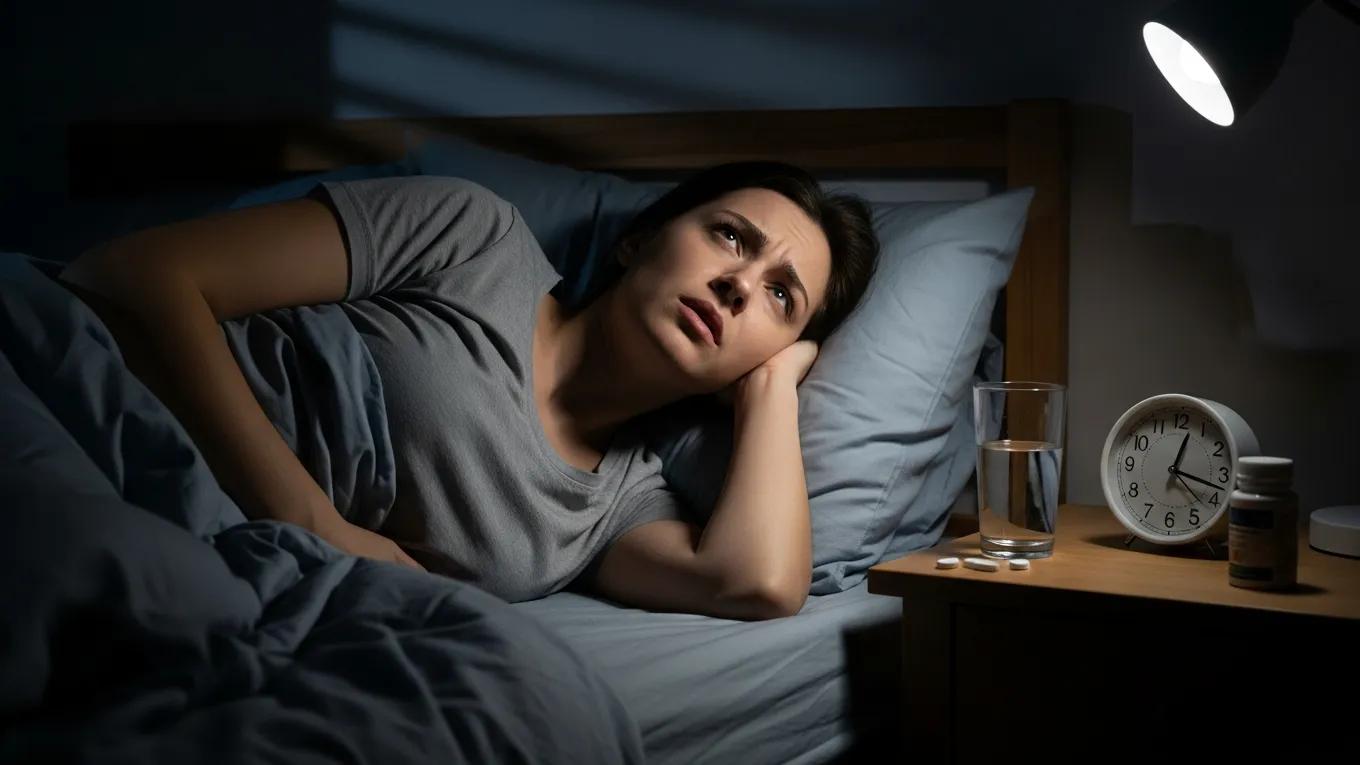
Sleep problems are common for people living with endometriosis, yet they are often treated as separate from pelvic pain, fatigue, and other daily symptoms. For many patients, difficulty falling asleep, waking throughout the night, or feeling unrefreshed in the morning may be closely tied to pain flares, menstrual cycle changes, bowel or bladder symptoms, stress, and exhaustion.
Poor sleep can also make endometriosis harder to manage. When the body does not get restorative rest, pain may feel more intense, fatigue can worsen, mood may be affected, and daily tasks can become more difficult. Over time, this can create a frustrating cycle: endometriosis symptoms disrupt sleep, and poor sleep makes those symptoms harder to cope with.
At the Endometriosis Center of Excellence, Dr. Rachael Ann Haverland takes a whole-patient approach to endometriosis care. By evaluating pelvic pain, sleep quality, fatigue, fertility goals, menstrual symptoms, and overall quality of life together, patients can receive a personalized treatment plan designed to support both symptom relief and better daily functioning.
How Are Endometriosis and Sleep Problems Connected?
Endometriosis can affect sleep in several ways. Pelvic pain, cramping, back pain, bowel discomfort, bladder symptoms, and heavy bleeding may make it difficult to relax, fall asleep, or stay asleep through the night. Some patients notice that sleep becomes worse during certain points in the menstrual cycle, especially before or during a period.
Sleep disruption can also be linked to the broader physical and emotional strain of living with a chronic condition. Fatigue, anxiety about symptoms, stress from missed work or daily limitations, and the mental load of managing ongoing pain can all interfere with rest. In some cases, medications used for pain or hormonal management may also affect sleep, energy, or mood.
The relationship between endometriosis and sleep often works in both directions. Pain and other symptoms can interrupt sleep, while poor sleep can lower pain tolerance, increase fatigue, and make it harder for the body to recover. This pain-sleep cycle is one reason sleep should be considered part of comprehensive endometriosis care rather than a separate concern.
Why Sleep Disruption Is Common in Endometriosis
Sleep disruption is common because endometriosis symptoms often intensify at night or become more noticeable when the body is still. Pelvic pain, abdominal pressure, painful bowel symptoms, urinary urgency, and period-related discomfort may prevent patients from getting comfortable or staying asleep.
Patients may also experience non-restorative sleep, meaning they sleep for several hours but still wake up feeling tired. This can happen when pain, inflammation-related symptoms, stress, or frequent awakenings prevent the body from reaching deeper stages of rest.
How Pain, Fatigue, Inflammation, and Stress Affect Rest
Pain can keep the nervous system in a heightened state of alertness, making it harder to transition into sleep. Fatigue can complicate this further: many patients feel exhausted during the day but still struggle to fall asleep at night because their body is uncomfortable, tense, or overstimulated by pain.
Endometriosis is also associated with inflammatory and immune system activity, which researchers are still studying in relation to sleep and fatigue. While inflammation should not be assumed to be the only cause of sleep problems, it may be one part of a larger symptom pattern involving pain, hormonal changes, stress, and physical exhaustion.
Stress and mood symptoms can also play a major role. Living with chronic pelvic pain, fertility concerns, unpredictable flares, or delayed diagnosis can increase anxiety and emotional strain. These factors may make sleep lighter, more fragmented, or less restorative.
Why Poor Sleep Can Make Endometriosis Symptoms Feel Worse
Poor sleep can make pain harder to tolerate and can reduce the body’s ability to recover from daily stress. After a night of disrupted sleep, patients may notice more fatigue, stronger pain sensitivity, lower mood, difficulty concentrating, or less capacity to manage work, family, and daily responsibilities.
This cycle can become self-reinforcing. Endometriosis symptoms interrupt rest, poor sleep increases physical and emotional strain, and that strain can make the next flare feel even harder to manage. Addressing sleep as part of an endometriosis care plan may help reduce this cycle and improve overall quality of life.
What Sleep Problems Are Common With Endometriosis?

Sleep problems can look different from person to person. Some patients struggle to fall asleep because of pelvic pain or anxiety about symptoms, while others fall asleep but wake repeatedly throughout the night. Many patients also describe sleeping for several hours but still waking up tired, sore, or mentally drained.
These sleep issues may become worse during pain flares, before or during a period, after a stressful day, or when bowel, bladder, or bleeding symptoms are active. Recognizing the pattern can help patients and their healthcare team identify what may be interfering with restorative sleep.
Difficulty Falling Asleep
Pelvic pain, cramping, back pain, abdominal pressure, or nausea can make it difficult to get comfortable at bedtime. Some patients may also feel physically exhausted but mentally alert because their nervous system is still responding to pain or stress.
Difficulty falling asleep can also be affected by anxiety, medication timing, hormone changes, screen use, caffeine, or inconsistent sleep routines. For patients with endometriosis, these factors may overlap with pain and fatigue, making sleep feel harder to control.
Frequent Nighttime Awakenings
Endometriosis symptoms may interrupt sleep after a patient has already fallen asleep. Pain, bowel discomfort, bladder urgency, heavy bleeding, night sweats, or anxiety can cause repeated awakenings during the night.
When awakenings happen often, the body may not spend enough time in deeper, restorative stages of sleep. This can lead to morning fatigue, irritability, difficulty concentrating, and increased pain sensitivity the next day.
Non-Restorative Sleep and Morning Fatigue
Some patients sleep through the night but still wake up feeling unrefreshed. This is often described as non-restorative sleep. It may happen when sleep is light, fragmented, or disrupted by pain signals, stress, inflammation-related symptoms, or other health conditions.
Morning fatigue can make it harder to begin the day, manage responsibilities, or cope with pelvic pain. If this pattern continues, it may also be important to evaluate for anemia, thyroid problems, vitamin deficiencies, mood disorders, medication side effects, insomnia, or sleep apnea.
Daytime Exhaustion and Reduced Concentration
Poor sleep can affect energy, focus, mood, memory, and productivity. Patients may feel tired throughout the day, need frequent rest, or struggle to complete tasks that normally feel manageable.
For people with endometriosis, daytime exhaustion may come from more than sleep loss alone. Chronic pain, heavy bleeding, inflammation, emotional stress, and the physical burden of managing symptoms can all contribute. A careful evaluation can help determine whether sleep problems are part of the endometriosis symptom pattern or whether another condition may also be involved.
Why Does Endometriosis Disrupt Sleep?

Endometriosis can disrupt sleep through a combination of physical discomfort, hormonal changes, inflammatory activity, emotional stress, and treatment-related effects. These factors may vary across the menstrual cycle and from one patient to another.
For many patients, the main issue is not simply “insomnia.” Instead, sleep disruption may be the result of multiple symptoms occurring together: pelvic pain, bowel or bladder discomfort, fatigue, anxiety, heavy bleeding, and difficulty getting comfortable at night.
Pelvic Pain and Nighttime Discomfort
Pelvic pain is one of the most common reasons endometriosis interferes with sleep. Pain may feel sharper or more noticeable at night because there are fewer distractions and the body is trying to rest. Cramping, pelvic pressure, lower back pain, hip pain, and abdominal tenderness can all make it difficult to fall asleep or stay asleep.
When pain repeatedly interrupts rest, the nervous system may become more sensitive over time. This can create a cycle in which pain disrupts sleep, and poor sleep makes pain feel more intense the next day.
Heavy Bleeding, Bowel Symptoms, and Bladder Symptoms
Endometriosis may be associated with heavy or painful periods, bowel discomfort, bloating, constipation, diarrhea, painful bowel movements, urinary urgency, or bladder pain. These symptoms can become especially disruptive at night.
Heavy bleeding may cause patients to wake frequently to change protection or worry about leaking. Bowel and bladder symptoms may cause discomfort, pressure, or repeated trips to the bathroom. Over time, these interruptions can reduce sleep quality and contribute to fatigue.
Hormonal Changes Around the Menstrual Cycle
Some patients notice that sleep becomes worse before or during their period. Hormonal shifts may affect pain sensitivity, body temperature, mood, energy, and sleep quality. Period-related cramping, bleeding, headaches, nausea, and fatigue can also make restorative sleep harder to achieve.
Hormonal medications may improve symptoms for some patients, but others may notice changes in mood, sleep, or energy after starting or changing treatment. These effects should be discussed with a healthcare provider so the treatment plan can be adjusted when appropriate.
Stress, Anxiety, and the Emotional Burden of Chronic Symptoms
Living with endometriosis can be physically and emotionally exhausting. Ongoing pain, unpredictable flares, fertility concerns, missed work, relationship strain, and previous experiences of delayed diagnosis may all increase stress.
Stress and anxiety can make it harder for the body to relax into sleep. Patients may lie awake worrying about symptoms, upcoming responsibilities, medical appointments, or whether pain will worsen overnight. Addressing emotional health is therefore an important part of comprehensive endometriosis care.
Medication Side Effects and Treatment-Related Sleep Changes
Medications used to manage pain, hormones, mood, or sleep may affect patients differently. Some may cause drowsiness, vivid dreams, mood changes, night sweats, insomnia, or daytime fatigue. Others may help pain but still leave patients feeling mentally or physically tired.
Patients should not stop prescribed medications without medical guidance, but they should tell their healthcare provider if sleep worsens after starting, stopping, or changing a medication. A medication review can help identify whether treatment-related effects are contributing to poor sleep.
What Role Do Pain and Inflammation Play in Sleep Quality?

Pain and sleep have a close two-way relationship. When pelvic pain keeps the body alert at night, it can become harder to fall asleep, stay asleep, or reach deeper stages of restorative rest. At the same time, poor sleep can make the nervous system more sensitive to pain, which may cause symptoms to feel stronger the next day.
For patients with endometriosis, this can create a difficult cycle. Pain interrupts sleep, disrupted sleep increases fatigue and pain sensitivity, and the body has less capacity to recover from daily stress. Addressing this cycle often requires more than a basic sleep routine; it may involve treating pelvic pain, improving symptom control, supporting emotional health, and evaluating other contributors to poor sleep.
The Pain-Sleep Cycle
The pain-sleep cycle occurs when pain interferes with rest and poor rest increases pain sensitivity. A patient may go to bed with pelvic pain, cramping, lower back pain, or abdominal discomfort and then spend the night shifting positions, waking frequently, or sleeping lightly. By morning, the lack of restorative sleep may leave the body more reactive to pain.
This cycle can also affect mood, concentration, energy, and daily function. Patients may feel more irritable, overwhelmed, or physically depleted after a poor night of sleep. Over time, repeated sleep disruption can make endometriosis feel harder to manage, even if the underlying disease pattern has not changed.
How Poor Sleep Can Increase Pain Sensitivity
Restorative sleep helps regulate the nervous system. When sleep is disrupted, the body may have a lower threshold for discomfort, meaning pain that might be manageable after a good night’s rest can feel more intense after poor sleep.
Poor sleep can also worsen fatigue, reduce coping capacity, and increase muscle tension. For patients with endometriosis, this may amplify pelvic pain, bowel discomfort, bladder symptoms, headaches, back pain, or generalized body aches. This does not mean the pain is “just from lack of sleep.” It means sleep quality can influence how strongly the body experiences and responds to pain.
What Researchers Are Still Learning About Inflammation and Sleep
Endometriosis is associated with inflammatory and immune system activity, and researchers continue to study how these processes may influence pain, fatigue, and sleep quality. Inflammation may contribute to symptom flares, physical exhaustion, and overall stress on the body, all of which can make restful sleep more difficult.
However, inflammation should not be presented as the only cause of sleep problems in endometriosis. Sleep disruption is usually multifactorial. Pain, hormonal changes, heavy bleeding, bowel or bladder symptoms, medication effects, mood, stress, and other medical conditions can all play a role. A careful evaluation can help identify which factors are most relevant for each patient.
How Does Endometriosis-Related Fatigue Affect Sleep?

Fatigue is one of the most frustrating symptoms many patients with endometriosis experience. It can feel different from ordinary tiredness. Some patients describe it as heaviness, low stamina, difficulty concentrating, or feeling physically drained even after resting.
Endometriosis-related fatigue may be linked to chronic pain, poor sleep, heavy bleeding, inflammation-related symptoms, emotional stress, and the effort of managing a long-term condition. For some patients, fatigue and poor sleep reinforce each other: exhaustion builds during the day, but pain or stress still makes it difficult to sleep well at night.
Why Patients May Feel Exhausted but Still Unable to Sleep
Many patients feel extremely tired during the day but become unable to fall asleep once they are in bed. This can happen when the body is physically exhausted but the nervous system remains activated by pain, discomfort, worry, or stress.
Pain flares may also make it difficult to find a comfortable sleeping position. Bloating, nausea, bowel symptoms, bladder urgency, pelvic pressure, or back pain can keep the body alert even when the patient wants to rest. This can create a frustrating pattern of feeling depleted but not restored.
How Poor Sleep Contributes to Daytime Fatigue
When sleep is light, interrupted, or non-restorative, the body may not recover fully overnight. Patients may wake feeling tired, foggy, sore, or emotionally drained. This can make work, caregiving, exercise, decision-making, and social activities more difficult.
Daytime fatigue can also make pain management harder. When the body is exhausted, patients may have less capacity to cope with pain flares, stress, and daily responsibilities. Improving sleep quality may not eliminate endometriosis-related fatigue completely, but it can be an important part of reducing the overall symptom burden. Read more in Comprehensive Stress Management Techniques for Endometriosis.
When Fatigue May Point to Another Medical Issue
Fatigue should not automatically be attributed to endometriosis. Persistent or severe fatigue may also be related to anemia from heavy bleeding, thyroid disease, vitamin deficiencies, depression, anxiety, autoimmune conditions, sleep apnea, insomnia, medication side effects, or other medical concerns. We cover this further in Endometriosis and Conception: Your Guide to Wellness.
Patients should talk with a healthcare professional if fatigue is worsening, interfering with daily life, or occurring with symptoms such as heavy bleeding, dizziness, shortness of breath, chest discomfort, unexplained weight changes, severe mood changes, or new neurological symptoms. Identifying and treating other contributors can make a meaningful difference in both sleep quality and overall health. We cover this further in Exploring the Connection Between Sleep and Endometriosis.
When Should Sleep Problems Be Discussed With a Doctor?
Sleep problems should be discussed with a healthcare professional when they are persistent, worsening, or interfering with daily life. For patients with endometriosis, disrupted sleep may be related to pelvic pain, heavy bleeding, bowel or bladder symptoms, fatigue, hormonal changes, stress, or medication effects. However, poor sleep can also come from other medical conditions that deserve evaluation.
Patients should seek care if they regularly struggle to fall asleep, wake frequently during the night, wake up feeling unrefreshed, or feel too exhausted to function during the day. Sleep concerns are especially important to mention when they occur alongside worsening pelvic pain, heavy periods, mood changes, fertility concerns, or new symptoms after starting a medication.
Signs Sleep Disruption Is Affecting Daily Life
Sleep disruption may need medical attention when it begins to affect work, school, caregiving, relationships, concentration, mood, or physical stamina. Patients may notice that they are more irritable, forgetful, anxious, or sensitive to pain after poor sleep.
Other signs include needing frequent naps, relying heavily on caffeine to get through the day, missing responsibilities because of fatigue, or avoiding activities due to exhaustion. These patterns can make endometriosis harder to manage and may signal that a more complete care plan is needed.
Symptoms That May Suggest Another Sleep or Medical Condition
Not all sleep problems are caused by endometriosis. A healthcare provider may consider other contributors such as anemia, thyroid disease, vitamin deficiencies, depression, anxiety, insomnia, sleep apnea, restless legs syndrome, medication side effects, migraine, autoimmune conditions, or recent illness.
Patients should mention symptoms such as loud snoring, gasping during sleep, morning headaches, dizziness, shortness of breath, racing thoughts at night, severe mood changes, heavy bleeding, irregular periods, or new daytime sleepiness. These details can help identify whether sleep disruption is part of the endometriosis symptom pattern or whether another condition is also involved.
When to Seek Urgent Medical Care
Some symptoms should not be treated as routine sleep problems or assumed to be related to endometriosis. Patients should seek urgent medical care for sudden confusion, fainting, chest pain, shortness of breath, severe headache, weakness on one side of the body, facial drooping, difficulty speaking, vision changes, or new neurological symptoms.
Urgent care is also appropriate for severe pelvic pain with fever, uncontrolled vomiting, heavy bleeding that soaks through pads quickly, signs of severe dehydration, or pain that feels sudden, intense, or different from the patient’s usual symptoms.
What Treatments Can Help Improve Sleep With Endometriosis?

Treatment for sleep problems in endometriosis should focus on the factors most likely to be disrupting rest. For some patients, the main driver may be pelvic pain. For others, poor sleep may be related to heavy bleeding, bowel or bladder symptoms, stress, fatigue, medication effects, hormonal changes, or another sleep disorder.
Because sleep disruption is often multifactorial, the most effective approach is usually personalized. A care plan may combine endometriosis treatment, pain management, sleep-focused strategies, lifestyle support, and evaluation for other medical contributors.
Pain Management and Symptom Control
Improving pain control can make it easier to fall asleep, stay asleep, and wake feeling more rested. Depending on the patient’s symptoms, pain management may include anti-inflammatory medications, hormonal treatment, pelvic floor physical therapy, heat therapy, nerve-related pain strategies, or other physician-guided options.
The goal is not only to reduce pain intensity, but also to reduce nighttime flares and improve daily function. Patients should tell their healthcare provider if pain regularly wakes them from sleep, worsens around their period, or interferes with work, caregiving, relationships, or exercise.
Hormonal Treatment Options
Hormonal therapy may help some patients by reducing menstrual cycle-related flares, painful periods, heavy bleeding, and inflammation-related symptoms. Options may include birth control pills, progestin-based therapies, hormonal IUDs, GnRH medications, or other treatments depending on the patient’s diagnosis, goals, side effect profile, and fertility plans.
Hormonal treatment can improve sleep indirectly when it reduces pain or bleeding. However, some patients may notice mood changes, hot flashes, night sweats, insomnia, or fatigue with certain medications. These effects should be discussed with a clinician so the plan can be adjusted when needed.
Pelvic Floor Physical Therapy
Pelvic floor physical therapy may be helpful when muscle tension, pelvic floor dysfunction, painful intercourse, bladder symptoms, bowel symptoms, hip pain, or lower back pain contribute to discomfort at night. Chronic pelvic pain can cause muscles to tighten protectively, which may make it harder to relax into sleep.
A trained pelvic floor therapist can help address muscle tension, mobility limitations, breathing patterns, posture, and pain-related guarding. This therapy is often used alongside medical or surgical endometriosis care rather than as a replacement for it.
Cognitive Behavioral Therapy for Insomnia
Cognitive behavioral therapy for insomnia, often called CBT-I, is an evidence-based treatment for chronic insomnia. It helps patients identify patterns that keep sleep disrupted and replace them with strategies that support more consistent rest.
For patients with endometriosis, CBT-I may be especially useful when poor sleep continues even after pain treatment begins. It can help reduce anxiety around sleep, improve sleep routines, and address behaviors that unintentionally reinforce insomnia. Patients with severe pain still need appropriate medical care, but CBT-I can be an important part of a broader treatment plan.
Lifestyle and Sleep Hygiene Strategies
Sleep hygiene alone may not resolve endometriosis-related sleep problems, but it can support other treatments. Helpful strategies may include keeping a consistent sleep schedule, limiting caffeine later in the day, reducing screen exposure before bed, creating a cool and comfortable sleep environment, and using relaxation techniques before bedtime.
Patients may also benefit from planning ahead for flare nights. This might include discussing safe pain-control options with a clinician, using heat therapy, preparing nighttime supplies for heavy bleeding, and creating a calming routine that reduces stress before sleep.
How Does Personalized Endometriosis Care Support Better Sleep?
Personalized endometriosis care supports better sleep by identifying the specific reasons each patient is struggling to rest. For one patient, poor sleep may be driven by severe pelvic pain. For another, it may be related to heavy bleeding, bowel symptoms, bladder urgency, anxiety, medication effects, fatigue, or a separate sleep disorder.
A whole-patient approach is important because sleep problems rarely have one cause. Treating endometriosis effectively may improve rest when pain and symptom flares are disrupting sleep, but patients may also need support for fatigue, mood, pelvic floor dysfunction, hormonal side effects, or other medical conditions.
Evaluating the Whole Patient, Not Just Pelvic Pain
A comprehensive evaluation looks beyond the location and intensity of pelvic pain. It may include menstrual history, bleeding patterns, bowel and bladder symptoms, sleep quality, fatigue, mood, fertility goals, prior treatments, imaging results, medication side effects, and the impact of symptoms on daily life.
This broader view helps identify whether sleep disruption is primarily related to endometriosis symptoms, another condition, or several overlapping factors. It also helps prevent patients from being given a one-size-fits-all plan that does not address their most disruptive symptoms.
Coordinating Care for Pain, Fertility, Fatigue, and Sleep
Patients with endometriosis may need care that brings together multiple treatment goals. Pain relief, fertility planning, fatigue management, bowel and bladder symptoms, pelvic floor function, emotional well-being, and sleep quality can all influence one another.
Coordinated care may include medical management, pelvic floor physical therapy, pain-focused treatment, fertility counseling, nutrition support, mental health support, sleep evaluation, or surgical consultation when appropriate. The goal is to create a plan that improves daily function, not just one isolated symptom. For more detail, see our article How Nutrition Impacts Endometriosis in Teens.
Creating an Individualized Treatment Plan With Dr. Rachael Ann Haverland
At the Endometriosis Center of Excellence, Dr. Rachael Ann Haverland works with patients to understand how endometriosis affects their pain, sleep, fatigue, fertility goals, and quality of life. This individualized approach allows treatment recommendations to be tailored to the patient’s symptoms, priorities, and long-term goals.
For some patients, that plan may focus on non-surgical symptom management and sleep-supportive strategies. For others, it may include advanced evaluation for suspected complex endometriosis or consideration of minimally invasive excision surgery. In every case, the goal is to address the full pattern of symptoms so patients can move toward better rest, improved function, and a stronger sense of control over their health.
How Do Sleep Problems Affect Quality of Life and Fertility Concerns?
Sleep problems can affect nearly every part of daily life for patients with endometriosis. When sleep is consistently disrupted, patients may feel more exhausted, more sensitive to pain, and less able to manage work, school, caregiving, relationships, or personal responsibilities.
Poor sleep can also make emotional stress harder to manage. Patients may notice more irritability, anxiety, low mood, difficulty concentrating, or reduced motivation after nights of fragmented or non-restorative sleep. When these symptoms occur alongside pelvic pain, fatigue, bowel or bladder symptoms, and fertility concerns, the overall burden can be significant.
Impact on Mood, Work, Relationships, and Daily Function
Endometriosis can already make daily life unpredictable. Sleep disruption adds another layer by reducing the body’s ability to recover and the mind’s ability to stay focused. Patients may struggle with productivity, memory, decision-making, patience, or social energy.
Relationships can also be affected. Fatigue and pain may limit intimacy, social plans, family responsibilities, or emotional availability. Because sleep problems are often invisible to others, patients may feel misunderstood or frustrated when they cannot function at their usual level.
Addressing sleep does not minimize the seriousness of endometriosis. Instead, it recognizes that restorative rest is part of overall health and can influence how manageable symptoms feel from day to day.
How Fatigue and Poor Sleep Can Complicate Fertility Planning
Endometriosis can be associated with fertility challenges, and poor sleep may make the fertility journey feel more physically and emotionally demanding. Fatigue can make it harder to attend appointments, track cycles, evaluate treatment options, manage medications, or cope with uncertainty.
Sleep problems should not be presented as a direct cause of infertility in endometriosis patients. However, poor sleep, chronic stress, pain, and exhaustion can affect overall well-being and may make complex decision-making more difficult during fertility care.
For patients trying to conceive, it is important to discuss both symptom relief and reproductive goals with a specialist. This allows the treatment plan to consider pain control, timing of care, surgical options when appropriate, and coordination with fertility specialists if needed.
Why Fertility Goals Should Be Included in the Care Plan
Fertility goals can influence which endometriosis treatments are most appropriate. Some patients may be actively trying to conceive, while others may want to preserve future fertility or simply understand how endometriosis could affect reproductive health.
A care plan that includes fertility goals can help patients make informed decisions about hormonal therapy, surgical evaluation, timing of treatment, and referral to reproductive endocrinology when appropriate. It also helps ensure that symptom management and long-term reproductive priorities are considered together.
At the Endometriosis Center of Excellence, fertility concerns are evaluated as part of whole-patient care. This approach helps patients understand their options and choose a treatment path that reflects both their current symptoms and future goals.
Frequently Asked Questions
Can endometriosis cause insomnia?
Endometriosis may contribute to insomnia when pelvic pain, cramping, bowel symptoms, bladder symptoms, heavy bleeding, stress, or hormonal changes make it difficult to fall asleep or stay asleep. However, insomnia can also have other causes, so persistent sleep problems should be evaluated rather than automatically attributed to endometriosis.
Why does endometriosis pain feel worse at night?
Pain may feel worse at night because there are fewer distractions, the body is trying to rest, and certain symptoms may become more noticeable when lying still. Poor sleep can also increase pain sensitivity, which may make symptoms feel more intense the next day.
Can excision surgery improve sleep quality?
Excision surgery may improve sleep indirectly for some patients if it reduces endometriosis-related pain and improves daily function. However, surgery is not a guaranteed treatment for sleep problems, and patients may still need support for insomnia, fatigue, pelvic floor dysfunction, mood symptoms, medication effects, or other sleep-related conditions.
What can I do at home to sleep better with endometriosis?
At-home strategies may include keeping a consistent sleep schedule, using heat therapy as recommended, creating a calming bedtime routine, reducing caffeine later in the day, limiting screen use before bed, practicing relaxation techniques, and tracking symptoms across the menstrual cycle. Patients should also discuss nighttime pain or persistent fatigue with a healthcare professional. To discuss your situation with a specialist, schedule an appointment at our center.
When should I see a specialist for sleep problems and pelvic pain?
Patients should consider seeing a specialist when sleep problems are persistent, worsening, or interfering with daily life, especially if they occur with severe pelvic pain, heavy bleeding, bowel or bladder symptoms, fatigue, pain with sex, infertility concerns, or symptoms that have not improved with previous treatment.
Can poor sleep make endometriosis symptoms worse?
Poor sleep can make pain harder to tolerate, increase fatigue, affect mood, and reduce the body’s ability to recover from stress. While poor sleep does not mean endometriosis is worsening, it can make symptoms feel more difficult to manage.
Conclusion
Sleep problems are a common and often frustrating part of living with endometriosis. Pelvic pain, heavy bleeding, bowel or bladder symptoms, hormonal changes, fatigue, stress, and medication effects can all interfere with the body’s ability to rest and recover. Over time, poor sleep can make pain feel more intense, worsen daytime fatigue, affect mood, and reduce overall quality of life.
Because sleep disruption can have many causes, it should not be dismissed or automatically attributed to endometriosis alone. A careful evaluation can help identify whether symptoms are related to endometriosis flares, another sleep disorder, anemia, thyroid problems, mood changes, medication side effects, or several overlapping factors.
At the Endometriosis Center of Excellence, Dr. Rachael Ann Haverland takes a personalized, whole-patient approach to care. By evaluating pelvic pain, sleep quality, fatigue, fertility goals, menstrual symptoms, and daily function together, patients can receive a treatment plan designed to address both the underlying condition and the quality-of-life symptoms that matter most.
If sleep problems, pelvic pain, fatigue, or fertility concerns are affecting your daily life, a specialist evaluation can help you better understand your options and take the next step toward more restorative rest and improved well-being.