

Endometriosis affects more than just physical health—it deeply impacts emotional and mental well-being. Chronic pain, fertility stress, and hormonal changes often lead to anxiety, depression, and isolation. Mental health challenges can be just as debilitating as physical symptoms and deserve the same level of attention. Understanding this mind-body connection is key to comprehensive care. At the Endometriosis Excellence Center, patients receive expert support that addresses both physical pain and emotional strain. Through a multidisciplinary approach, Dr. Rachael Haverland’s team helps individuals find relief and reclaim balance. For more detail, see our article Comprehensive Financial Planning for Endometriosis Care.
Key Takeaways
- Endometriosis can cause anxiety, depression, and emotional fatigue.
- Pelvic pain and hormonal changes impact sleep, mood, and self-esteem.
- Support groups and self-care tools offer emotional relief and connection.
- Telehealth makes mental health support more accessible and consistent.
- Dr. Rachael Haverland’s team provides holistic care for mind and body.
How Does Endometriosis Affect Mental Health?

Endometriosis can lead to chronic pelvic pain, hormonal instability, and stress related to fertility, all of which contribute to feelings of anxiety, depression, and isolation.
What Mental Health Challenges Are Common in Endometriosis?
Many women report mood swings, persistent sadness, and overwhelming stress. The physical strain and uncertainty regarding fertility often intensify the psychological burden. This cycle of chronic inflammation, pain, and hormonal fluctuations amplifies negative perceptions about oneself and reduces quality of life.
How Do Pelvic Pain and Hormonal Imbalance Influence Mental Wellbeing?
Pelvic pain disrupts daily activities and sleep, causing irritability and cognitive fatigue. Fluctuating estrogen levels and prolonged pain can alter brain chemistry by increasing stress hormones like cortisol, thereby reinforcing anxiety and depression.
What Is the Emotional Impact of Infertility Related to Endometriosis?
Infertility due to endometriosis can trigger profound grief, diminish self-esteem, and create a sense of isolation. The constant reminder of reproductive challenges can erode hope and intensify emotional distress, while also stressing relationships.
What Are the Symptoms of Anxiety and Depression in Endometriosis Sufferers?
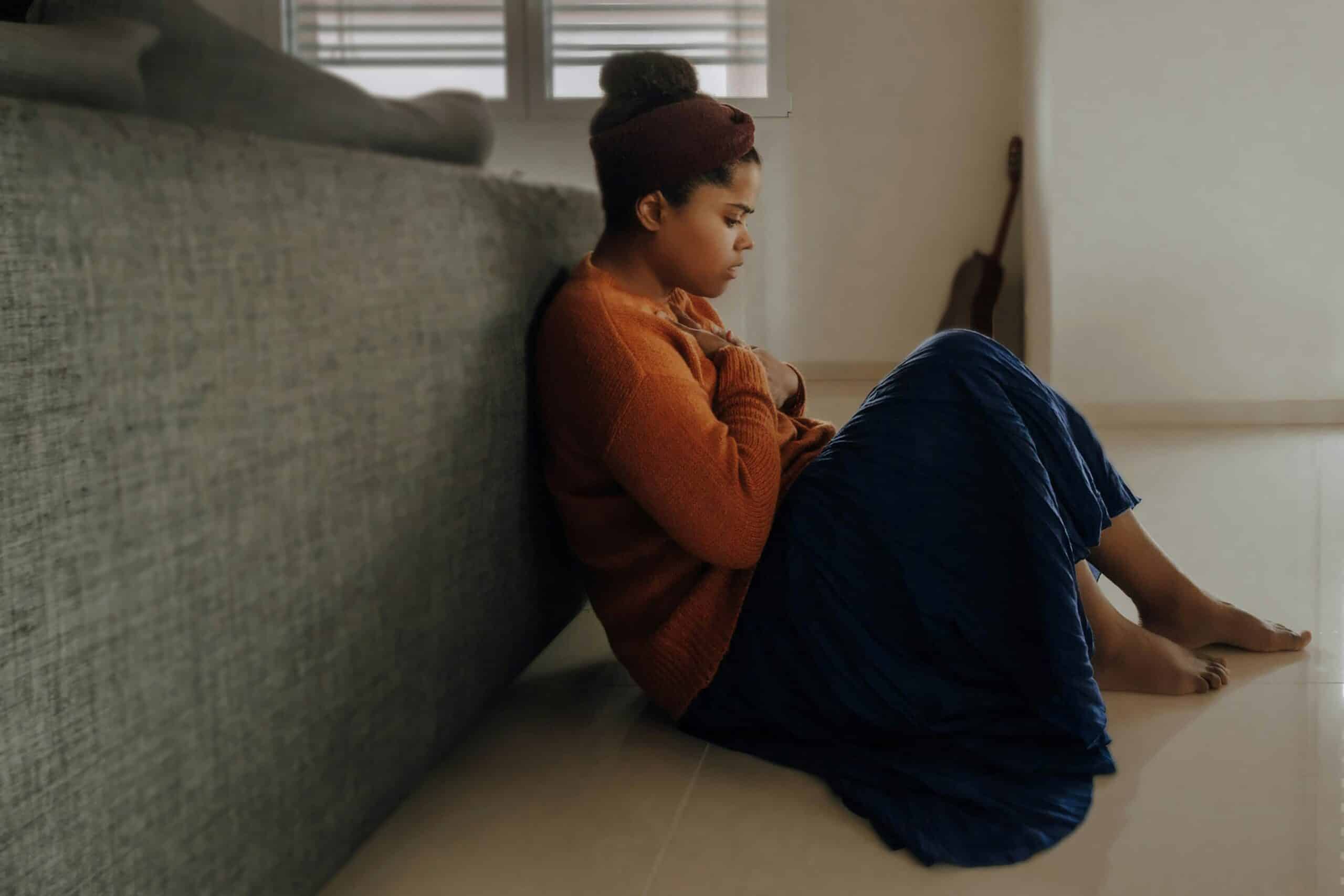
Women may experience persistent worry, restlessness, loss of interest in activities, hopelessness, and chronic fatigue. Both anxiety and depression are common, and their symptoms are often exacerbated by the unpredictability of pain and hormonal changes.
How Can You Recognize Anxiety Symptoms Linked to Endometriosis?
Excessive worry during pain episodes, social withdrawal due to unpredictability, and constant preoccupation with health are common. Disrupted sleep and reduced focus further contribute to anxiety, creating a cycle of heightened pain sensitivity.
What Are the Signs of Depression in Women With Endometriosis?
Depression might appear as a deep sadness, loss of energy, appetite changes, and feelings of worthlessness. When pain limits everyday tasks, these symptoms intensify, making it harder to break free from isolation and low mood.
How Do Physical Symptoms Exacerbate Mental Health Symptoms?
Chronic pain and constant fatigue can disrupt sleep and social activities, leading to isolation. This isolation diminishes motivation and reinforces negative self-perceptions, creating a cycle where pain and emotional stress continuously feed into each other.
What Effective Mental Health Support Resources Are Available for Endometriosis?
Support options range from specialized therapists to support groups and self-help strategies. These resources are tailored to address both the physical and mental aspects of endometriosis.
Where Can You Find Therapists Specializing in Endometriosis and Women’s Health?
Many therapists now focus on women’s health and chronic pain. Clinics connected to endometriosis centers and online directories, including telehealth services, ensure patients receive care that considers both physical discomfort and psychological distress.
How Do Support Groups and Online Communities Help Endometriosis Sufferers?
Support groups offer a safe environment to share experiences and practical coping strategies. Both in-person and online communities provide emotional encouragement, reduce isolation, and empower women through shared experiences and expert guidance.
What Self-Help Tools and Coping Strategies Are Recommended?
Tools such as regular exercise, balanced nutrition, mindfulness meditation, and journaling can help manage anxiety. Mobile apps for mood tracking and cognitive behavioral techniques also empower patients to challenge negative thoughts and reinforce healthier coping mechanisms.
How Can Pain Management Improve Mental Health in Endometriosis?

Managing pain effectively is key to breaking the cycle of physical and emotional distress. Reduced pain can lead to better sleep, improved mood, and increased engagement in social and physical activities, thereby boosting mental health. Read more in Endometriosis and Mental Health: Understanding the Connection.
What Pain Relief Techniques Are Effective for Endometriosis?
A comprehensive approach may include medication, physical therapy, heat applications, acupuncture, and lifestyle changes. Mind-body practices such as yoga and Tai Chi can also help by increasing body awareness and releasing tension alongside traditional treatments. For more detail, see our article Comprehensive Guide to Endometriosis Therapy for Mental Health.
How Does Managing Pain Reduce Anxiety and Depression?
When pain is controlled, the stress and fear associated with unexpected flare-ups lessen considerably. Improved pain management allows for more participation in daily life, which in turn helps uplift mood and curb anxiety and depression.
What Role Does Mindfulness Play in Pain and Stress Reduction?
Mindfulness and meditation can lower stress hormones, reduce muscle tension, and enhance pain tolerance. These practices help sufferers accept their pain and manage it without additional emotional distress, thus contributing positively to overall quality of life.
How Can Endometriosis Sufferers Advocate for Better Mental Health Care

Advocacy can lead to improved treatment options and more supportive healthcare environments. By raising awareness and communicating their needs, sufferers can help shape policies that enhance both physical and mental health care. For more detail, see our article The Endometriosis Impact on Women’s Mental Health.
What Are the Key Steps to Raise Awareness About Endometriosis and Mental Health?
Education is vital. Sharing experiences through social media, participating in local campaigns, and engaging with community organizations helps to dismantle stigma. Collaborating with medical professionals and promoting research further enhances awareness and policy change.
How Can Patients Communicate Mental Health Needs to Healthcare Providers?
Patients should prepare a list of symptoms and questions for consultations. Clear communication ensures that healthcare providers understand the connection between chronic pain and psychological distress, leading to more comprehensive and tailored treatment plans.
What Resources Support Advocacy and Research Participation?
Organizations like the Endometriosis Foundation of America and local support groups offer opportunities for advocacy and research participation. By engaging with these groups, patients can contribute to advancing scientific understanding while empowering each other through shared knowledge and support.
What Are the Best Coping Mechanisms for Managing Stress and Mental Health With Endometriosis?

Coping mechanisms such as mindfulness, lifestyle adjustments, and peer support can significantly alleviate mental stress related to endometriosis.
How Can Mindfulness and Meditation Help Endometriosis Sufferers?
These practices help focus on the present moment, reducing rumination over pain and distress. Regular meditation lowers cortisol levels and improves emotional regulation, leading to measurable improvements in both mood and pain management.
What Lifestyle Changes Support Mental Wellbeing?
A balanced diet, regular physical activity, and adequate sleep are crucial. Incorporating anti-inflammatory foods, staying hydrated, and setting time aside for hobbies and socializing can help ease both physical symptoms and emotional stress.
How Can Peer Support Enhance Coping and Resilience?
Connecting with peers provides a sense of belonging and practical advice. Support groups have been shown to boost self-esteem and help sufferers feel more in control of their health, making it easier to manage day-to-day challenges.
How Can You Find and Access Telehealth Mental Health Services for Endometriosis?

Telehealth offers convenient access to specialized mental health care, which is especially beneficial to those with mobility issues related to endometriosis. Virtual consultations help bridge geographical gaps and provide continuous, flexible support. Read more in How Mental Health Impacts Endometriosis Treatment Outcomes.
What Are the Benefits of Online Therapy for Endometriosis-Related Mental Health?
Online therapy is flexible and accessible, eliminating travel and allowing patients to connect with specialists in women’s health and chronic pain. It offers comparable effectiveness to in-person sessions, particularly for managing anxiety and depression.
How to Choose the Right Telehealth Provider?
Patients should verify provider credentials, read reviews, and ensure the platform guarantees secure, confidential sessions. Customizable treatment plans and clear communication are essential factors when selecting a telehealth service.
What Should You Expect From Virtual Mental Health Support?
Virtual sessions typically involve regular video consultations, structured assessments, and follow-up communications. These sessions often integrate mindfulness exercises and cognitive-behavioral techniques to address both the physical and mental impacts of endometriosis.
Frequently Asked Questions
How does endometriosis contribute to anxiety?
Chronic pain, hormonal shifts, and lifestyle disruptions from endometriosis can heighten anxiety. The unpredictability of symptoms often leads to stress and emotional strain. At the Endometriosis Excellence Center, patients receive care that addresses both physical and mental health needs.
What are common signs of depression in women with endometriosis?
Common signs include sadness, fatigue, sleep issues, loss of interest, and social withdrawal. These symptoms are often overlooked due to a focus on physical pain. Dr. Rachael Haverland’s team considers emotional wellness an essential part of patient care.
Can lifestyle changes improve mental health for endometriosis sufferers?
Yes, habits like gentle exercise, mindful eating, sleep regulation, and stress reduction can ease anxiety and lift mood. When combined with expert treatment, these changes support both emotional and physical recovery.
How effective is telehealth for managing endometriosis-related mental health issues?
Telehealth makes mental health support more accessible by reducing travel stress and offering flexible follow-ups. The Endometriosis Excellence Center uses telehealth to help patients manage symptoms and stay connected to ongoing care.
What role do support groups play in coping with endometriosis?
Support groups offer shared understanding, emotional validation, and helpful coping tips. They reduce isolation and complement medical treatment. Dr. Rachael Haverland’s team encourages community support as part of a holistic care plan.
Final Thoughts
Mental health care is essential when managing endometriosis, not optional. Emotional distress from chronic pain, infertility, and hormonal changes can deeply affect quality of life. By combining pain management with lifestyle shifts, peer support, and accessible resources, individuals can better cope and heal.
At the Endometriosis Excellence Center, Dr. Rachael Haverland ensures that emotional well-being is prioritized alongside medical treatment. With the right support, recovery becomes more than symptom control—it becomes whole-person care. Empowered patients feel seen, heard, and supported every step of the way. When you are ready to talk through your options, schedule an appointment with our team.