

Endometriosis impacts roughly 10% of women globally during their reproductive years, often leading to a prolonged diagnostic journey of 7–10 years due to vague symptoms and the necessity of surgery. Blood markers offer a promising, non-invasive pathway by detecting specific proteins, inflammatory signals, or microRNAs linked to the condition. This can significantly speed up early detection, reduce diagnostic delays, and pave the way for personalized treatment strategies. This guide delves into:
-
The foundational principles of blood markers and their diagnostic significance
-
Understanding CA-125: its role, precision, and limitations
-
Exploring cutting-edge proteomic, microRNA, inflammatory, and hormonal biomarkers
-
Integrating blood tests with advanced imaging and laparoscopic procedures
-
The advantages, drawbacks, and future potential of marker-based detection
-
Practical insights for both patients and healthcare providers
-
Answers to frequently asked patient questions
At Endo Excellence Center, our dedicated multidisciplinary team expertly incorporates advanced biomarker testing into our comprehensive endometriosis care, ensuring that non-invasive screening complements our surgical proficiency.
What Exactly Are Blood Markers and How Do They Help Diagnose Endometriosis?

Blood markers are specific molecules found in your bloodstream that can signal underlying disease processes. They provide indirect evidence of endometrial tissue growing outside the uterus, allowing for early screening without the need for invasive procedures. By identifying unusual protein expressions or inflammatory responses, these biomarkers assist clinicians in determining the next steps, such as further imaging or laparoscopy, thereby enhancing diagnostic efficiency and improving the patient experience.
What Defines a Biomarker, and Why Is It Crucial for Endometriosis?
A biomarker is a measurable biological indicator—like a protein or microRNA—that can be linked to the presence or severity of a disease. For endometriosis, biomarkers can reveal subtle peritoneal inflammation and tissue changes that might not be apparent during a physical examination. Identifying these molecular signals can flag individuals for more targeted evaluation, significantly shortening the time to diagnosis and treatment.
How Do Blood Markers Offer a Non-Invasive Diagnostic Approach?
Testing for blood markers involves a simple blood draw, similar to routine lab work, rather than requiring an invasive surgical procedure like laparoscopy. This non-invasive method reduces procedural risks, lowers healthcare expenses, and can be repeated over time to track disease progression or assess treatment effectiveness. By providing early insights into the underlying pathology, blood tests help prioritize patients for further diagnostic imaging.
What Are the Limitations of Relying Solely on Blood Markers for Diagnosis?
Blood markers, when used alone, may not offer definitive sensitivity or specificity, particularly in cases of minimal or mild endometriosis. Levels of these markers can sometimes be elevated due to other inflammatory or gynecological conditions, potentially leading to inaccurate results (false positives or false negatives). Therefore, marker tests are best used as supplementary tools—not replacements—for imaging and surgical confirmation, guiding the diagnostic process rather than concluding it.
How Does CA-125 Play a Role in Endometriosis Diagnosis Through Blood Tests?
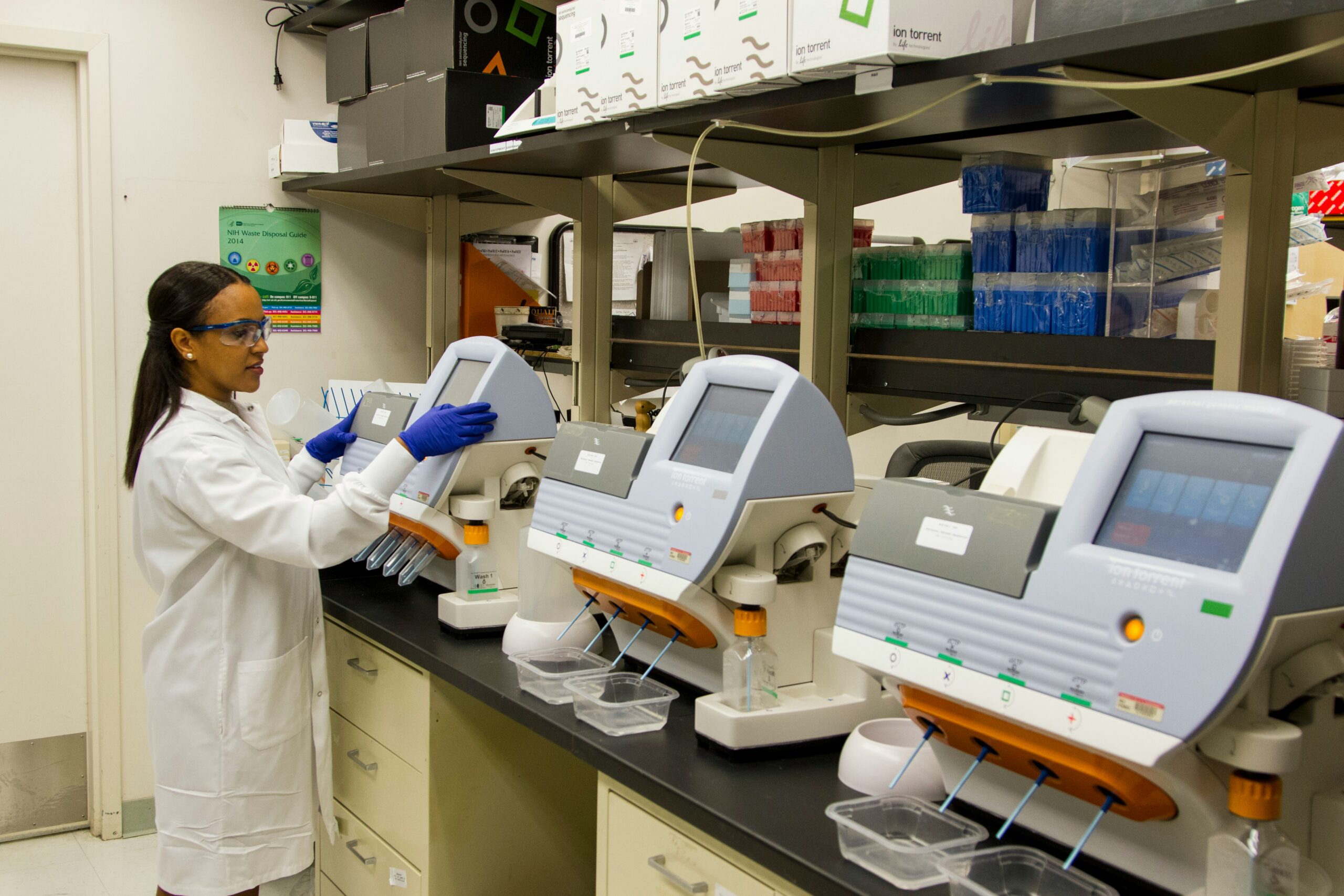
CA-125 is a large glycoprotein that is released by peritoneal and epithelial cells when inflammation is present. When endometrial implants cause irritation in the peritoneum, CA-125 levels in the blood can increase, serving as a measurable indicator of disease activity. An elevated CA-125 level can prompt further investigation in individuals experiencing pelvic pain or infertility.
What Is CA-125, and How Is It Connected to Endometriosis?
Cancer Antigen 125 (CA-125) is a type of glycoprotein (specifically MUC16) that tends to rise in the bloodstream when there is peritoneal inflammation. In endometriosis, the presence of ectopic implants triggers the release of inflammatory signals and tissue remodeling, leading to increased shedding of CA-125 from mesothelial cells into the bloodstream. Often, the extent to which CA-125 is elevated can correlate with the size of the lesions and the overall stage of the disease.
How Precise Is CA-125 in Identifying Different Stages of Endometriosis?
Research indicates that CA-125 is more effective at detecting moderate to severe endometriosis, with lower sensitivity for identifying early-stage disease.
What Are the Clinical Challenges When Using CA-125 for Endometriosis Testing?
Elevated CA-125 levels are not exclusive to endometriosis; they can also be influenced by menstruation, pelvic inflammatory disease, uterine fibroids, and certain types of cancer. Its moderate sensitivity, especially in early disease stages, can lead to missed diagnoses (false negatives), while its lack of specificity can result in false positives. Consequently, CA-125 serves as a helpful guide, but it requires confirmation through additional imaging and clinical evaluation.
What Are the Latest Blood Biomarkers and Innovative Tests for Endometriosis?

Breakthroughs in proteomics, genomics, and molecular biology have identified promising new biomarker candidates that hold the potential for greater accuracy and earlier detection than CA-125 alone. By analyzing complex protein profiles, microRNA patterns, inflammatory markers, and hormonal enzyme activity, these advanced assays aim to provide robust non-invasive screening tools.
Which Proteomic Biomarkers Are Under Development for Detecting Endometriosis?
Proteomic tests, such as PromarkerEndo, analyze a specific panel of proteins that are known to be altered in individuals with endometriosis. This creates a unique molecular “fingerprint” that can help identify the condition.
How Do MicroRNA Biomarkers Enhance Early Endometriosis Detection?
MicroRNAs (miRNAs) are small molecules that play a crucial role in regulating gene expression and can reflect changes specific to certain tissues. Panels of circulating miRNAs, including miR-199a, miR-20a, and miR-22, have shown high diagnostic accuracy in distinguishing endometriosis from other gynecological conditions. These miRNA signatures can often detect the disease even before structural lesions become visible on imaging scans.
What Is the Role of Inflammatory and Hormonal Biomarkers in Diagnosis?
Inflammatory cytokines, such as IL-6 and TNF-α, along with hormonal enzymes like aromatase and SF-1, are associated with the activity of endometriosis lesions and local estrogen production. Elevated IL-6 levels are indicative of peritoneal inflammation, while increased aromatase activity supports the estrogen-dependent growth of lesions. Combining these markers with traditional assays can refine the accuracy of non-invasive diagnosis.
How Do New Blood Tests Like DotEndo Measure Up Against Traditional Methods?
Innovative tests like DotEndo utilize antibody arrays to detect protein biomarkers, reporting sensitivity and specificity rates exceeding 80 percent.
These advanced assays demonstrate superior performance compared to CA-125, particularly in detecting early-stage disease, and provide consistent, reproducible results. They are poised to become valuable complements to current diagnostic approaches.
How Do Blood Marker Tests Integrate into the Overall Diagnostic Process for Endometriosis?

Blood marker testing serves as an initial non-invasive screening step, guiding subsequent evaluations through pelvic imaging or surgical confirmation. By combining data from serological tests, radiological imaging, and laparoscopic findings, we establish a structured diagnostic pathway that balances accuracy, patient safety, and cost-effectiveness.
What Is the Diagnostic Pathway That Combines Blood Tests, Imaging, and Laparoscopy?
-
Clinical Assessment: Thorough evaluation of symptoms and a pelvic examination.
-
Blood Marker Screening: Utilizing tests such as CA-125 and emerging biomarker panels.
-
Imaging: Employing transvaginal ultrasound and MRI to visualize lesions.
-
Laparoscopy: The gold-standard confirmation procedure, involving direct visualization and biopsy.
How Can Blood Markers Help Shorten the Diagnostic Delay for Endometriosis?
By enabling earlier screening with biomarkers, we can identify high-risk patients more quickly. This prompts timely referrals for imaging and expedites the process for laparoscopic confirmation when necessary. Reducing the diagnostic window from years to months allows for earlier intervention, leading to better pain management and improved fertility outcomes.
How Are Blood Test Results Interpreted in Conjunction with Clinical Symptoms?
Clinicians carefully correlate biomarker levels with the severity of symptoms—such as painful periods (dysmenorrhea), painful intercourse (dyspareunia), and infertility—to assess the likelihood of endometriosis. Elevated biomarker panels in patients experiencing these symptoms warrant further advanced imaging. Conversely, normal results in cases of mild symptoms may guide conservative management and ongoing monitoring.
What Are the Advantages and Drawbacks of Using Blood Markers for Early Endometriosis Detection?
Blood markers can significantly aid in the earlier recognition of endometriosis; however, no single test offers absolute diagnostic certainty. While combining multiple markers can enhance diagnostic power, it also introduces complexity in interpreting the results.
How Do Blood Markers Improve a Patient’s Quality of Life Through Earlier Diagnosis?
Diagnosing endometriosis sooner helps prevent the worsening of chronic pain, preserves ovarian reserve, and allows for the development of personalized treatment plans. Timely intervention can minimize the spread of lesions and support fertility goals, leading to substantial improvements in long-term physical and emotional well-being.
What Are the Current Limitations and Hurdles in Blood Marker Accuracy?
Currently, no single blood marker achieves both high sensitivity and specificity across all stages of endometriosis. Factors such as variations in assay standardization, differences among patients, and the potential for overlap with other medical conditions present challenges to widespread clinical adoption. Continued validation studies in diverse patient populations are essential.
What Future Advancements Are Anticipated in Blood Marker-Based Diagnosis?
Future developments are expected to include integrated multi-omics panels that combine proteomic, genomic, metabolomic, and miRNA data. Additionally, sophisticated machine learning algorithms will likely be developed to interpret complex biomarker patterns, and point-of-care devices may emerge to enable rapid screening directly in the clinic.
How Can Patients and Providers Leverage Blood Marker Testing to Guide Endometriosis Care?
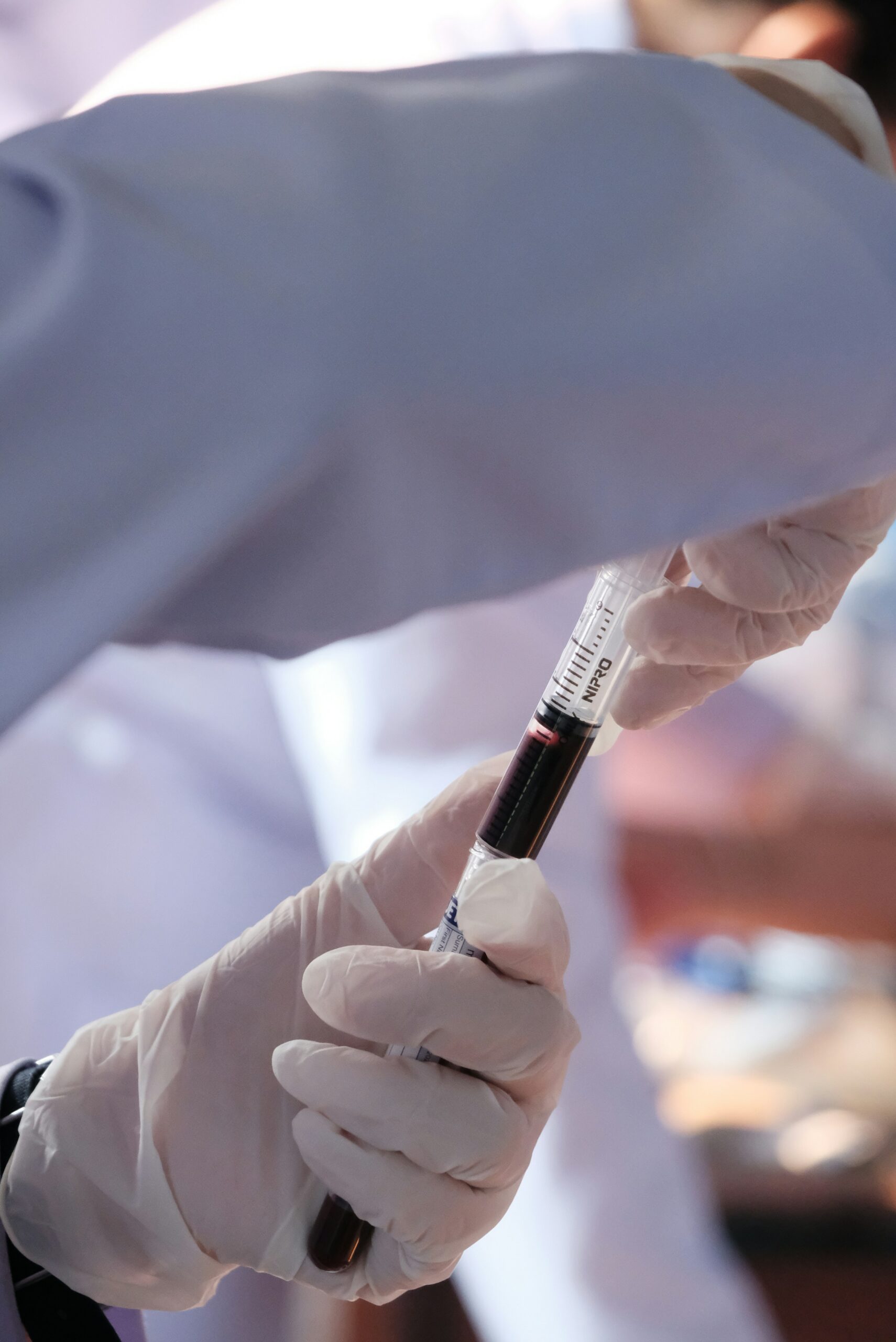
The results from blood marker tests can inform the creation of personalized care plans, help optimize the timing of surgical interventions, and monitor the effectiveness of treatments. Collaborative decision-making between patients and specialist teams ensures that biomarker insights are effectively translated into successful treatment strategies.
What Should Patients Expect When Undergoing Blood Marker Testing for Endometriosis?
Patients typically undergo a standard blood draw, which can be done either in the clinic or at a laboratory, with minimal preparation required. Results are usually available within a few days and are discussed during follow-up appointments in the context of a comprehensive clinical evaluation.
How Do Specialists Utilize Blood Marker Results to Personalize Treatment Plans?
Specialists integrate biomarker levels with imaging findings and the patient’s symptom profile to recommend appropriate medical management, hormonal therapies, or surgical excision. Serial monitoring of biomarkers can also help assess treatment effectiveness and detect any signs of recurrence.
Where Can Patients Access Expert Endometriosis Diagnostic Services?
Comprehensive diagnostic services are available at specialized facilities like the Endo Excellence Center. Here, board-certified gynecologic surgeons, reproductive endocrinologists, and pelvic pain specialists collaborate to offer advanced non-invasive screening alongside gold-standard surgical care.
What Are the Most Common Inquiries Regarding Blood Markers in Endometriosis Diagnosis?
Patients and healthcare providers frequently ask about available test options, their accuracy, and the role of surgery in confirming diagnoses. Understanding these common questions helps set realistic expectations and streamline the diagnostic process.
What Blood Tests Are Available for Detecting Endometriosis?
Current blood tests include CA-125, panels for inflammatory cytokines, proteomic assays (such as PromarkerEndo), and microRNA signatures. Each of these offers complementary diagnostic information.
Is There a Highly Reliable Non-Invasive Test for Endometriosis?
While no single test can definitively diagnose endometriosis on its own, emerging multi-marker panels are achieving over 80% accuracy and are undergoing clinical validation for non-invasive screening purposes.
How Does the Accuracy of Blood Tests Compare to Laparoscopy?
Blood assays generally offer high specificity (70–90%) but variable sensitivity, especially in early disease stages. Laparoscopy remains the definitive gold standard, providing direct visualization and biopsy confirmation.
Can CA-125 Alone Be Used to Diagnose Endometriosis?
No, CA-125 by itself lacks sufficient sensitivity for minimal disease and can produce false positives. It must always be interpreted in conjunction with imaging results and clinical findings.
What New Blood Tests Are Now Available for Endometriosis?
Innovative tests like PromarkerEndo and DotEndo analyze proteomic or microRNA panels and have shown higher rates of early-stage detection compared to traditional biomarkers.
Embracing blood marker testing at the Endo Excellence Center empowers patients with faster, less invasive screening options and supports the development of tailored treatment plans. By skillfully combining serological insights with advanced imaging and surgical expertise, our specialists provide comprehensive, compassionate care designed to alleviate pain, preserve fertility, and enhance the quality of life for women living with endometriosis.
Frequently Asked Questions
How accurate are blood markers for diagnosing endometriosis?
Accuracy varies by marker and disease stage. CA-125 performs best in moderate to advanced disease, with sensitivity as low as 24-49% in early-stage cases, while newer multi-marker panels such as PromarkerEndo and DotEndo report sensitivity and specificity above 80%. No blood marker currently matches laparoscopy for definitive diagnostic certainty.
Can a blood test replace laparoscopy for diagnosing endometriosis?
Not at this time. Blood markers are a valuable non-invasive screening step that can flag patients who need further evaluation, but laparoscopy remains the gold-standard method for confirming endometriosis through direct visualization and biopsy.
What should I expect during an endometriosis blood marker test?
The test involves a standard blood draw performed in the clinic or a laboratory, with minimal preparation required. Results are typically available within a few days and are reviewed with your care team alongside your symptoms and any imaging findings.
Who should consider blood marker testing for endometriosis?
Patients experiencing symptoms such as pelvic pain, painful periods, painful intercourse, or infertility may benefit from blood marker screening as an early step in the diagnostic process. A specialist can help determine which markers and follow-up tests are appropriate.
Where can I get comprehensive endometriosis blood marker testing?
The Endo Excellence Center offers advanced biomarker testing alongside imaging and surgical expertise, with board-certified gynecologic surgeons, reproductive endocrinologists, and pelvic pain specialists collaborating on each patient’s diagnostic pathway.
Conclusion
Blood marker testing is reshaping how endometriosis is recognized and managed, offering a non-invasive window into a disease that has long been defined by delayed diagnosis. From CA-125 to emerging proteomic and microRNA panels, these tools do not replace imaging or laparoscopy, but they sharpen the diagnostic pathway and help identify patients who need further evaluation sooner. As multi-marker panels and advanced analytics continue to mature, blood-based screening is poised to become an even more integral part of personalized endometriosis care. At the Endo Excellence Center, this evolving science is paired with surgical expertise and compassionate, coordinated care to help women receive an accurate diagnosis and a treatment plan suited to their needs.