

Endometriosis often begins during the teenage years and can cause persistent pelvic pain, severe menstrual symptoms, and disruptions to daily life. When these symptoms continue or worsen, doctors may recommend diagnostic testing to determine whether endometriosis or another condition is responsible. Understanding the types of tests used in evaluation helps teens and families prepare for medical visits and make informed decisions about care.
Endometriosis testing usually begins with a review of symptoms and medical history and may include imaging studies or minimally invasive procedures when necessary. This article explains the tests commonly used to evaluate endometriosis in young women and teens and outlines what patients can expect during the diagnostic process.
When Do Doctors Recommend Testing for Endometriosis?

Doctors consider testing for endometriosis when symptoms suggest that pelvic pain or menstrual problems may have an underlying cause. Teenagers often experience menstrual discomfort during adolescence, yet certain patterns raise concern for a condition that requires medical evaluation. Testing helps clinicians determine whether endometriosis or another gynecologic condition explains the symptoms.
When Do Symptoms Suggest Further Evaluation?
Testing may be recommended when pelvic pain becomes persistent or severe. Period pain that prevents school attendance, interferes with daily activities, or does not respond to common pain medications often prompts further assessment. Clinicians also consider evaluation when symptoms worsen over time or occur outside the menstrual cycle. For more detail, see our article Comprehensive Guide: Endometriosis Assessment Best Practices.
Why Is Early Testing Important for Teens?
Early evaluation helps clarify the cause of symptoms and guides appropriate care. When clinicians understand the pattern and severity of pelvic pain, they can recommend targeted tests that identify potential causes. Early testing also helps families avoid prolonged uncertainty and allows physicians to develop a plan that addresses both symptoms and long term health.
What Tests Are Used to Evaluate Endometriosis in Teens?
Doctors use several clinical tools to evaluate possible endometriosis in adolescents. These tools provide information about symptoms, pelvic anatomy, and potential abnormalities. Combining different methods helps clinicians build a clearer understanding of the condition and determine whether additional testing is necessary.
How Does Medical History Guide Testing?
The evaluation process often begins with a detailed review of the patient’s medical history. Clinicians ask questions about menstrual cycles, pelvic pain patterns, and how symptoms affect school, sleep, and daily activities. Family history of endometriosis may also influence testing decisions. This information helps guide the selection of appropriate diagnostic tests.
What Does a Physical Examination Evaluate?
A physical examination allows clinicians to assess areas of tenderness or abnormal findings in the abdomen or pelvis. In adolescents, the examination is conducted carefully and respectfully, with attention to comfort and privacy. The goal is to identify physical signs that may indicate pelvic inflammation, cysts, or other abnormalities.
What Imaging Tests Help Detect Endometriosis?
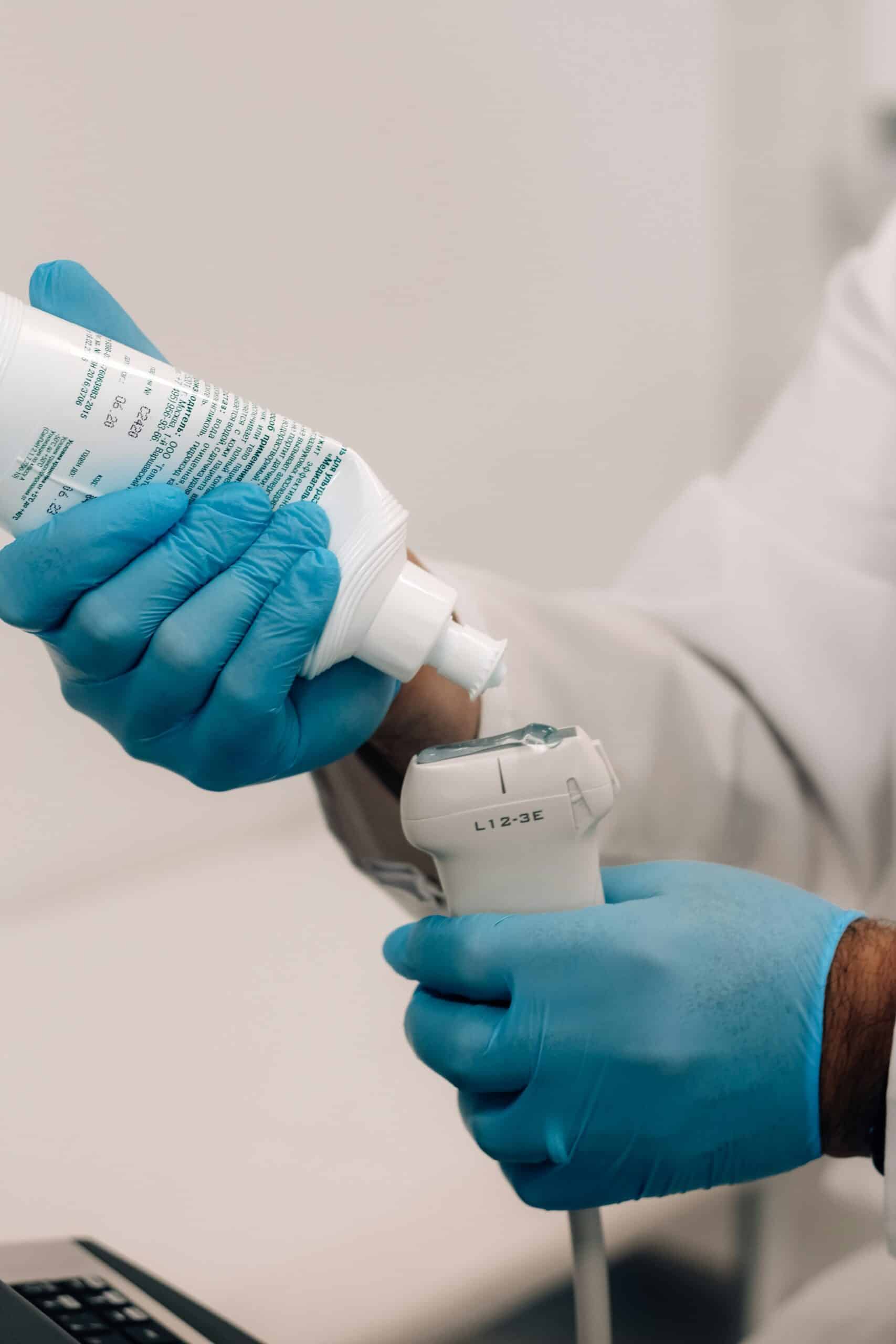
Imaging tests allow doctors to examine pelvic structures without surgery. These tests provide valuable information about the uterus, ovaries, and surrounding tissues. Although imaging cannot detect every form of endometriosis, it often helps identify abnormalities that contribute to pelvic pain.
How Is Pelvic Ultrasound Used?
Pelvic ultrasound is usually the first imaging test used when evaluating suspected endometriosis in adolescents. The scan produces images of pelvic organs using sound waves and can detect ovarian cysts known as endometriomas. In younger patients, ultrasound is often performed through the abdomen rather than internally.
When Is MRI Recommended?
Magnetic resonance imaging may be used when clinicians need a more detailed view of pelvic structures. MRI can help evaluate deep infiltrating endometriosis and other complex pelvic conditions. This imaging method provides detailed anatomical information that supports clinical decision making.
Why Can Imaging Miss Some Endometriosis?
Some endometriosis lesions are small or located in areas that imaging tests cannot easily visualize. For this reason, imaging studies may appear normal even when endometriosis is present. When symptoms strongly suggest the condition despite normal imaging results, clinicians may consider additional evaluation methods.
Why Is Laparoscopy the Most Accurate Test for Endometriosis?
Laparoscopy provides the most definitive way to confirm endometriosis. This minimally invasive surgical procedure allows doctors to examine the pelvic cavity directly and identify endometriosis lesions that may not appear on imaging tests. When symptoms strongly suggest endometriosis and other tests do not provide clear answers, laparoscopy can help establish an accurate diagnosis.
How Does Diagnostic Laparoscopy Work?
Diagnostic laparoscopy involves making small incisions in the abdomen through which a thin camera is inserted. The camera allows the surgeon to examine the uterus, ovaries, fallopian tubes, and surrounding pelvic structures. This direct visualization allows clinicians to identify areas of endometriosis, scar tissue, or inflammation that may be contributing to symptoms.
Why Are Biopsies Sometimes Taken?
When surgeons observe suspicious tissue during laparoscopy, they may collect small samples for laboratory analysis. Pathologists examine these samples under a microscope to confirm the presence of endometriosis tissue. Biopsy confirmation strengthens diagnostic accuracy and helps distinguish endometriosis from other pelvic conditions.
Can Diagnosis and Treatment Occur During the Same Procedure?
In many cases, surgeons remove visible endometriosis lesions during the same laparoscopic procedure used for diagnosis. Surgical excision can reduce pain and restore normal pelvic anatomy when lesions are present. Performing treatment during diagnostic surgery allows patients to receive both confirmation and management in a single procedure when appropriate.
What Should Teens Expect During Endometriosis Testing?

The evaluation process for suspected endometriosis often occurs in stages. Doctors begin with noninvasive assessments and then consider additional tests depending on the patient’s symptoms and clinical findings. Understanding what happens during testing can help teenagers and families feel more prepared for medical visits. For more detail, see our article How Is Endometriosis Diagnosed? Key Tests Explained.
What Happens During the First Medical Visit?
The first appointment typically focuses on discussing symptoms and reviewing medical history. Clinicians ask questions about menstrual cycles, pelvic pain patterns, and how symptoms affect daily life. This conversation helps determine whether further testing is necessary and which diagnostic methods may be most appropriate. When you are ready to talk through your options, schedule an appointment with our team.
Are All Tests Necessary for Every Teen?
Not every patient requires the same diagnostic tests. Some teenagers may receive sufficient evaluation through medical history, physical examination, and imaging studies. Others with persistent symptoms may require additional testing. Doctors tailor the evaluation process to each patient’s symptoms and clinical findings. You may also find Essential Insights on Lab Tests for Endometriosis Detection helpful.
How Long Does the Testing Process Take?
The timeline for testing varies depending on symptom severity and the results of initial assessments. Some patients receive answers after early evaluation and imaging, while others require additional follow up before a definitive diagnosis is made. The process aims to ensure that testing remains thorough and appropriate for the patient’s needs.
Why Can Specialist Evaluation Improve Diagnostic Accuracy?
Endometriosis can present differently in adolescents compared with adults. Evaluation by clinicians experienced in diagnosing and managing the condition can help ensure that symptoms are interpreted accurately and that appropriate testing is performed. Specialist care often improves diagnostic precision and supports better long term outcomes.
Why Does Experience With Endometriosis Matter?
Clinicians who regularly treat endometriosis develop familiarity with the wide range of symptoms and disease presentations. This experience allows them to recognize patterns that may not be obvious during routine evaluations. Accurate interpretation of symptoms and test results helps guide appropriate diagnostic steps.
What Does Multidisciplinary Evaluation Include?
Specialist care often involves collaboration among healthcare professionals with expertise in gynecology, pain management, and mental health support. This coordinated approach addresses both the physical and emotional effects of chronic pelvic pain. Centers with experience in adolescent endometriosis, such as the Endo Excellence Center, provide comprehensive evaluation and individualized care plans designed to meet the needs of young patients.
Frequently Asked Questions
What is usually the first test for endometriosis?
Evaluation often begins with a detailed review of symptoms and menstrual history. Doctors may follow this with a physical examination and pelvic imaging, most commonly an ultrasound. These steps help identify possible causes of pelvic pain and determine whether further testing is needed.
Can ultrasound diagnose endometriosis?
Ultrasound can detect certain findings associated with endometriosis, particularly ovarian cysts known as endometriomas. The test also allows doctors to evaluate the uterus and surrounding pelvic organs. Smaller lesions or deep pelvic disease may not appear on ultrasound images, so normal results do not completely exclude endometriosis.
Is laparoscopy always required to confirm endometriosis?
Laparoscopy remains the most definitive method for confirming endometriosis because it allows direct visualization of pelvic structures. Not every patient requires immediate surgical evaluation. Doctors often begin with symptom assessment and imaging before considering laparoscopy.
Are endometriosis tests painful?
Most initial tests, including medical history review and imaging studies, are noninvasive and generally well tolerated. Physical examinations may cause temporary discomfort in some patients. Laparoscopy is performed under anesthesia, so patients do not feel pain during the procedure.
How long does it take to diagnose endometriosis?
The timeline varies depending on symptoms, test results, and clinical findings. Some patients receive answers after early imaging and evaluation, while others require additional follow up or surgical confirmation. Careful evaluation helps ensure that testing remains appropriate and accurate. You may also find Accurate Insights on Endometriosis Blood Test – What to Know helpful.
Conclusion
Testing for endometriosis in teens and young women usually begins with a careful review of symptoms and medical history, followed by imaging studies such as pelvic ultrasound or MRI when needed. These evaluations help clinicians understand the possible causes of pelvic pain and guide the next steps in care.
When symptoms persist or imaging results remain inconclusive, minimally invasive laparoscopy can confirm the presence of endometriosis and allow targeted treatment. Early evaluation by clinicians experienced in endometriosis care helps ensure that testing is thorough and that patients receive appropriate guidance and support throughout the diagnostic process.