

Deep infiltrating endometriosis is one of the more complex forms of endometriosis, and it can have a significant impact on daily life. For many women, symptoms go beyond typical menstrual pain and may affect the bowel, bladder, and overall pelvic function.
Because the condition can present in different ways, it is often not recognized right away. This can lead to delays in diagnosis and prolonged discomfort. Understanding the nature of deep infiltrating endometriosis and how it differs from other forms of the condition is an important first step toward getting the right care.
With appropriate evaluation and specialist input, effective treatment options are available. A clear and structured approach can help improve symptoms, support fertility when relevant, and restore quality of life.
What Is Deep Infiltrating Endometriosis?

Endometriosis occurs when tissue similar to the lining of the uterus grows outside of it. In deep infiltrating endometriosis, this tissue extends deeper into surrounding structures rather than remaining on the surface.
This deeper involvement can affect areas such as the ligaments behind the uterus, the bowel, the bladder, and in some cases nearby organs. Because of this, the condition is often associated with more persistent symptoms and may require a more specialized approach to diagnosis and treatment.
Understanding this distinction is important, as it influences both how symptoms present and how care is planned.
How It Differs from Other Types of Endometriosis
There are different forms of endometriosis, and they do not all behave in the same way. Superficial endometriosis typically affects the surface of pelvic tissues, while ovarian endometriomas form cysts within the ovaries.
Deep infiltrating endometriosis, by contrast, extends beneath the surface and into surrounding tissues. This can lead to more complex symptoms, particularly when organs such as the bowel or bladder are involved.
Because of its depth and location, this form of endometriosis is often more challenging to detect without targeted imaging or specialist evaluation.
Why It Can Affect Multiple Organs
The deeper growth pattern of this condition means that it can involve structures beyond the reproductive system. When lesions extend into nearby organs, symptoms may reflect the function of those organs.
For example, involvement of the bowel may lead to pain during bowel movements or changes in bowel habits. If the bladder is affected, symptoms such as urgency or discomfort during urination may occur.
This multi-organ involvement is one of the reasons why deep infiltrating endometriosis requires a coordinated and multidisciplinary approach. Care is often planned with input from different specialists to ensure that all affected areas are addressed safely and effectively.
Recognizing the Symptoms of Deep Infiltrating Endometriosis

Symptoms of deep infiltrating endometriosis can vary, but they are often more persistent and complex than those seen in other forms of the condition. Because multiple organs may be involved, symptoms may not always appear gynecological in nature, which can make them harder to identify early.
Paying attention to patterns, severity, and how symptoms change over time can provide important clues and help guide timely evaluation.
Pelvic Pain Patterns to Watch For
Pelvic pain is one of the most common symptoms, but in deep infiltrating endometriosis, it often presents in more intense or persistent ways. Non-cyclical pain, which occurs outside of the menstrual cycle, is a key indicator. This type of pain may be constant or triggered by certain activities such as prolonged sitting, standing, or physical exertion.
Severe dysmenorrhea, or painful periods, is also common. The pain may be more intense than expected and can interfere with daily activities, work, or routine functioning. Pain during intercourse, known as dyspareunia, is another important symptom. This is often described as deep pelvic discomfort and may persist even after the activity.
Bowel-Related Symptoms
When deep infiltrating endometriosis involves the bowel, symptoms can extend beyond pelvic pain and affect digestive function. Dyschezia, or pain during bowel movements, is a common complaint, especially around the menstrual cycle. This may be accompanied by a sensation of incomplete evacuation or discomfort that lingers afterward.
Some patients also experience bloating, constipation, diarrhea, or alternating bowel habits. These symptoms may fluctuate with the cycle, which can help distinguish them from other gastrointestinal conditions. Because these symptoms overlap with common digestive disorders, they are sometimes misattributed, delaying appropriate evaluation.
Bladder and Urinary Symptoms
Involvement of the urinary tract can lead to symptoms that resemble other bladder conditions.
Patients may experience urgency, increased frequency of urination, or discomfort during urination. In some cases, symptoms may worsen during certain phases of the menstrual cycle.
These patterns can be subtle but are important to recognize, particularly when they occur alongside pelvic pain or other endometriosis-related symptoms.
When Symptoms Suggest Deeper Disease
While individual symptoms can occur in many conditions, certain patterns may suggest deeper involvement. Persistent pain that is not limited to the menstrual cycle, symptoms affecting multiple systems such as bowel and bladder, and worsening intensity over time are all indicators that further evaluation may be needed. Recognizing these patterns early allows for more targeted diagnostic testing and helps guide referral to specialists experienced in managing complex cases.
Why Deep Infiltrating Endometriosis Is Often Missed

Deep infiltrating endometriosis is frequently underdiagnosed, not because it is rare, but because its presentation can be complex and easily mistaken for other conditions. Understanding why this happens can help patients seek the right evaluation sooner and reduce delays in care. For more detail, see our article Rare and Complex Endometriosis: Recognizing Symptoms and Finding Specialized Care.
Symptom Overlap with Other Conditions
Many symptoms of deep infiltrating endometriosis resemble those of other common conditions. Pelvic pain may be attributed to menstrual discomfort, bowel symptoms may be mistaken for irritable bowel syndrome, and urinary complaints may be linked to bladder disorders. Because of this overlap, patients may undergo multiple evaluations across different specialties before endometriosis is considered as a possible cause. A key distinguishing feature is the pattern of symptoms, particularly when they are cyclical or occur alongside other signs of endometriosis.
Delays in Diagnosis
Delays in diagnosis are common in deep infiltrating endometriosis. Symptoms may develop gradually, vary in intensity, or be managed initially with general treatments that do not address the underlying cause. In some cases, imaging may not immediately detect deeper lesions unless specialized techniques are used. Definitive diagnosis often requires a combination of clinical expertise, targeted imaging, and sometimes surgical evaluation. Early recognition and referral to experienced specialists can significantly shorten this timeline and improve overall outcomes.
How Deep Infiltrating Endometriosis Is Diagnosed
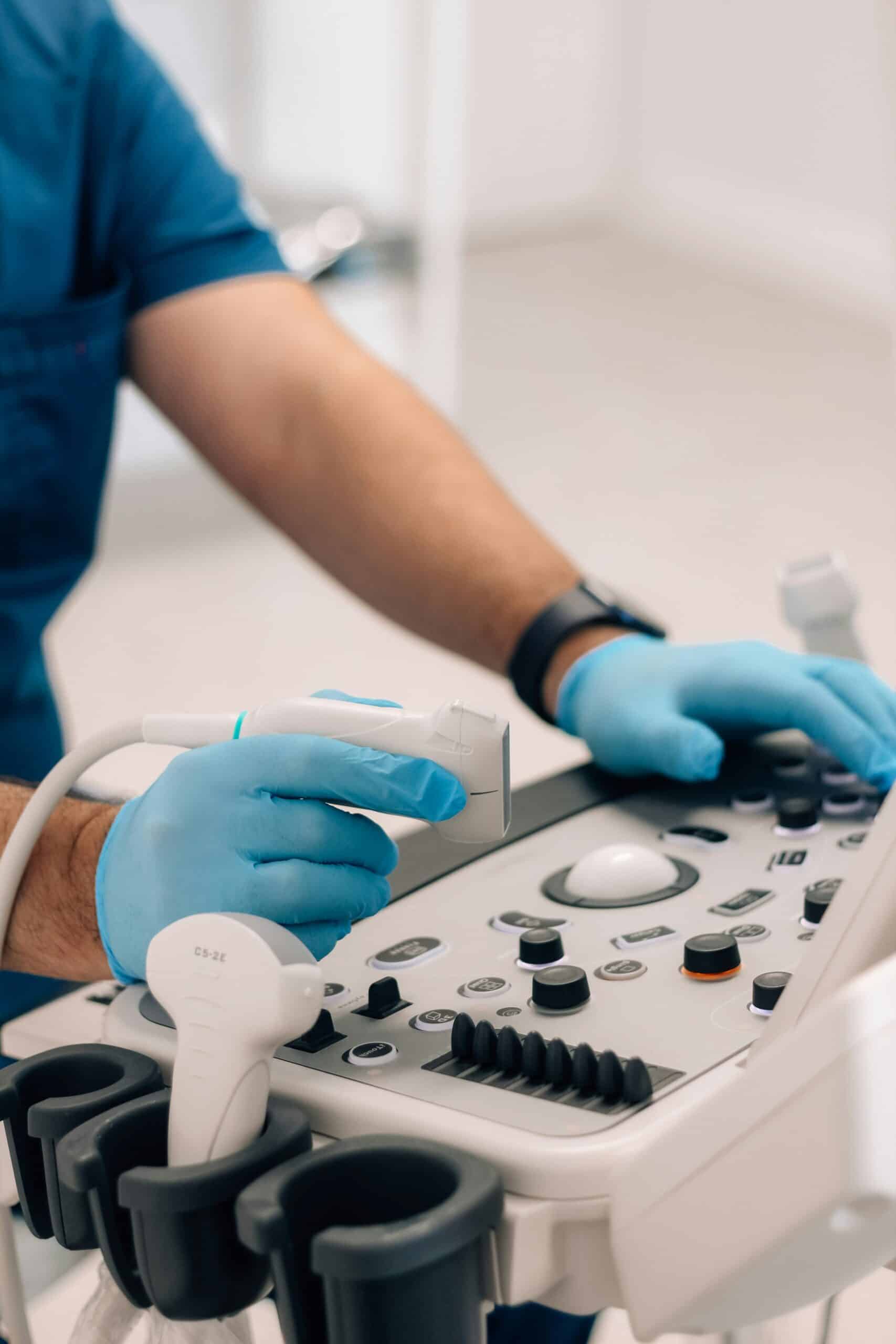
Diagnosing deep infiltrating endometriosis requires a structured and thorough approach. Because symptoms can involve multiple organ systems and may overlap with other conditions, no single test is sufficient on its own. Instead, diagnosis is based on a combination of clinical evaluation, imaging, and, when needed, surgical assessment. Early and accurate diagnosis is important for guiding appropriate treatment and avoiding unnecessary delays.
Clinical Evaluation and Symptom Mapping
The diagnostic process usually begins with a detailed clinical history. Patients are asked about the type, timing, and severity of their symptoms, including how these symptoms change throughout the menstrual cycle.
Symptom mapping is an important part of this evaluation. By identifying patterns such as cyclical pain, bowel or bladder involvement, and triggers related to daily activities, clinicians can better understand the likely location and extent of disease. A pelvic examination may also be performed to assess areas of tenderness or restricted movement, which can indicate deeper involvement.
Role of Imaging (Ultrasound and MRI)
Imaging plays a central role in identifying deep infiltrating endometriosis and determining how far it extends into surrounding tissues. Transvaginal ultrasound is often the first imaging tool used. When performed by experienced specialists, it can detect deep lesions and assess involvement of structures such as the ovaries, bowel, and surrounding ligaments.
Magnetic resonance imaging, or MRI, provides a more detailed view in complex cases. It is particularly useful for mapping disease that involves multiple organs or when surgical planning is being considered. High-quality imaging helps guide treatment decisions and ensures that care is appropriately coordinated.
Why Laparoscopy Is the Gold Standard
While imaging and clinical evaluation provide strong indications, laparoscopy remains the most definitive method for diagnosing endometriosis.
This minimally invasive surgical procedure allows direct visualization of the pelvic organs. It also enables biopsy of suspicious tissue, which confirms the diagnosis.
In many cases, laparoscopy serves both a diagnostic and therapeutic purpose. When appropriate, endometriosis lesions can be removed during the same procedure, reducing the need for multiple interventions. Evidence supports multidisciplinary care models for complex conditions such as severe endometriosis to improve clinical outcomes and coordination of care.
Multidisciplinary Approach for Deep Infiltrating Endometriosis Management
The multidisciplinary team (MDT) is considered good practice in the management of chronic conditions and is now a well-established part of clinical care in the NHS. There has been a recent drive to have MDTs in the management of women with severe endometriosis requiring complex surgery as a result of recommendations from the European Society for Human Reproduction and Embryology (ESHRE) and British Society for Gynaecological Endoscopy (BSGE). The multidisciplinary approach to the management of patients with endometriosis leads to better results in patient outcomes; however, there are potentially a number of barriers to its implementation and maintenance.
The role of the multidisciplinary team in the management of deep infiltrating endometriosis, 2017
Treatment Options for Deep Infiltrating Endometriosis
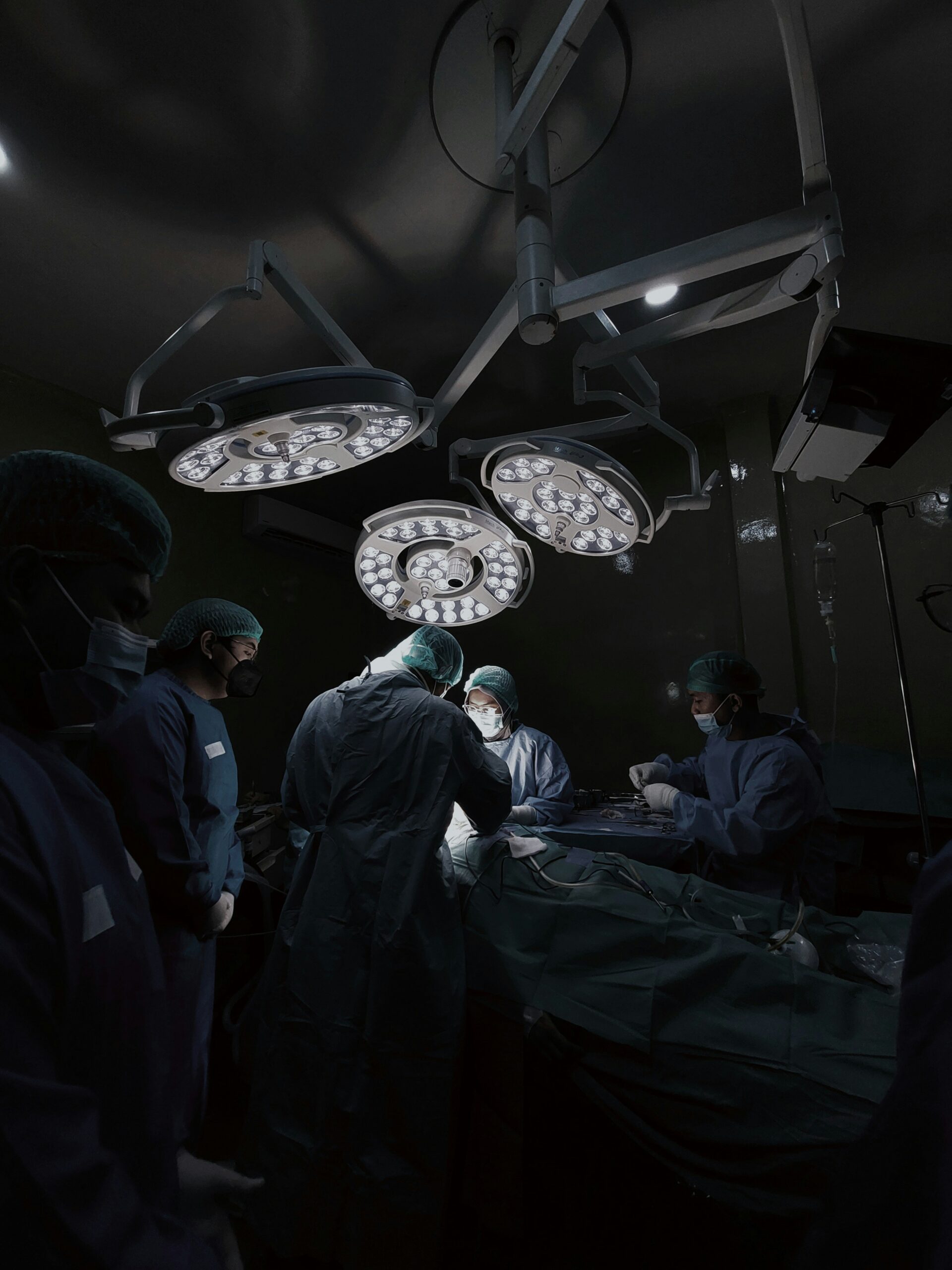
Treatment for deep infiltrating endometriosis is tailored to each patient’s symptoms, disease extent, and personal goals. The aim is to reduce pain, improve function, and address any impact on fertility. We cover this further in Deep Infiltrating Endometriosis: Symptoms & Treatment.
A balanced approach often combines medical management, surgical care when indicated, and supportive therapies.
Medical Management
Medical treatment focuses on controlling symptoms and reducing the activity of endometriosis tissue. You may also find Endometriosis: Symptoms, Causes, and Treatment helpful.
Hormonal therapies are commonly used to suppress the hormonal signals that drive the condition. By doing so, they can help reduce inflammation and slow disease progression.
These treatments are often effective for symptom control, particularly in patients who are not currently planning pregnancy. However, they do not remove existing lesions and may not be sufficient in more advanced cases.
When Surgery Is Recommended
Surgery is considered when symptoms are severe, when there is involvement of critical organs, or when medical therapy does not provide adequate relief.
The extent of disease plays a key role in this decision. Deep lesions that affect the bowel, bladder, or surrounding structures often require surgical intervention to restore function and relieve symptoms.
Surgical planning is individualized and typically involves careful coordination to ensure that all affected areas are addressed safely.
Role of Lifestyle and Supportive Care
Supportive measures can complement medical and surgical treatment, helping to improve overall well-being and symptom management.
Lifestyle approaches such as balanced nutrition, regular physical activity, and stress management may help reduce symptom burden. Pelvic physiotherapy and other supportive therapies can also play a role in improving function and comfort.
While these measures are beneficial, they are considered complementary. They do not replace medical or surgical treatment when deeper disease is present.
The Role of Excision Surgery in DIE Treatment
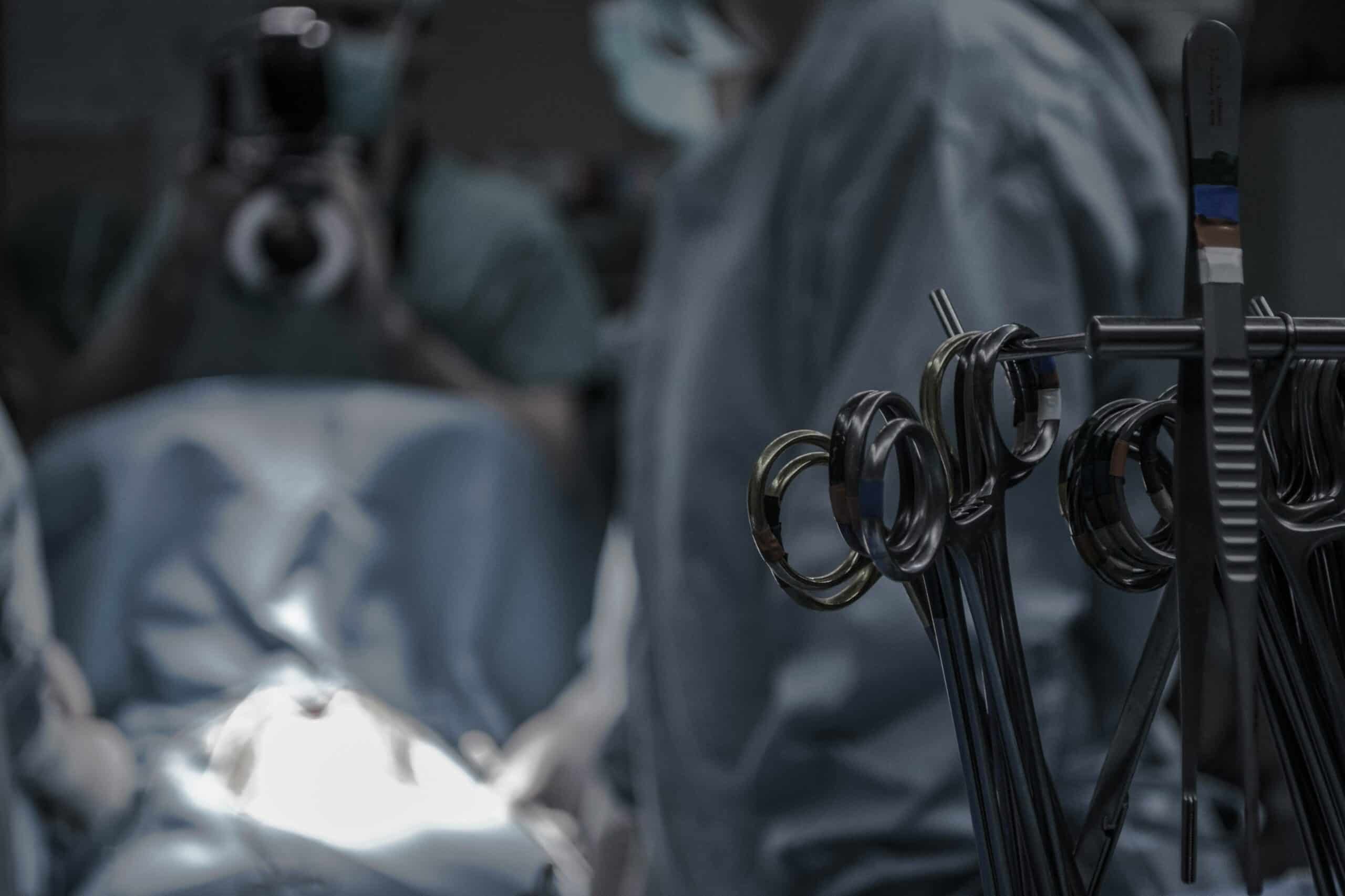
Excision surgery is a key component in the management of deep infiltrating endometriosis, particularly in moderate to severe cases. This approach focuses on removing endometriosis lesions completely, rather than treating them superficially.
Because deep infiltrating disease often involves complex anatomy, surgical expertise is essential for achieving optimal outcomes.
Why Excision Is the Preferred Approach
Excision surgery aims to remove endometriosis tissue at its source. By doing so, it can reduce inflammation, relieve pain, and improve function more effectively than less comprehensive techniques.
This method also lowers the likelihood of leaving behind active disease, which can contribute to symptom recurrence.
When performed by experienced specialists, excision surgery offers a more definitive approach to managing deep infiltrating endometriosis.
Treating Deep and Organ-Involved Disease
In cases where endometriosis affects surrounding organs, surgery must be carefully planned to address each area while preserving normal function.
Bowel Involvement
When the bowel is affected, patients may experience significant digestive symptoms. Surgical treatment may involve removing or shaving affected tissue from the bowel wall, depending on the depth and extent of involvement. We cover this further in Explore the Molecular Mechanisms of Endometriosis Symptoms.
These procedures are often performed in collaboration with colorectal specialists to ensure safety and optimal outcomes.
Bladder and Ureter Involvement
Endometriosis can also affect the bladder or ureters, leading to urinary symptoms. Surgical management in these cases focuses on removing lesions while protecting urinary function. Read more in Exploring the Fatigue Effects of Endometriosis Symptoms.
This may require coordination with urology specialists, particularly in more complex cases where deeper structures are involved.
Expected Outcomes and Recovery
Many patients experience meaningful improvement in symptoms following excision surgery, including reduced pain and better daily function.
Recovery time varies depending on the extent of the procedure. Minimally invasive techniques typically allow for a gradual return to normal activities within a few weeks, although more complex surgeries may require additional recovery time.
Follow-up care is an important part of the process, ensuring that recovery progresses well and that any additional support or treatment is provided as needed.
Clinical studies report measurable improvements in quality of life following laparoscopic excision for deep infiltrating endometriosis.
Laparoscopic DIE Surgery Improves Quality of Life
Six months postoperatively all the women had a significant improvement in every scale of the SF-36 (p < 0,0005). Among patients with intestinal DIE, significant differences in postoperative scores of SF-36 were not detected between patients submitted to nodule shaving and segmental resection (p > 0.05). There was no significant difference in the SF-36 scores at 6 months from surgery between patients who received postoperative medical treatment and patients who did not (p > 0.05).
Does laparoscopic management of deep infiltrating endometriosis improve quality of life? A prospective study, 2011
Impact on Fertility and Quality of Life

Deep infiltrating endometriosis can affect more than physical symptoms. It often has a broader impact on reproductive health, daily functioning, and overall well-being. Understanding these effects helps guide more comprehensive and meaningful treatment decisions. For more detail, see our article Comprehensive Guide to Treating Endometriosis Symptoms.
How DIE Affects Fertility
Deep infiltrating endometriosis can influence fertility through several mechanisms. The presence of lesions and adhesions may distort pelvic anatomy, making it more difficult for the egg and sperm to meet naturally.
When the ovaries are involved, there may be an effect on ovarian reserve or egg quality. Inflammation associated with the condition can also alter the environment needed for fertilization and implantation.
It is important to note that fertility outcomes vary. Some women with DIE are able to conceive without difficulty, while others may require medical or surgical support. Early evaluation and individualized planning can help clarify options and improve the chances of successful outcomes.
How Treatment Can Improve Daily Function
Effective treatment can significantly improve quality of life for many patients. Reducing pain and inflammation often leads to better physical comfort, increased mobility, and the ability to return to normal daily activities.
In addition to physical improvements, addressing symptoms can have a positive impact on emotional well-being. Chronic pain and uncertainty can affect mental health, and relief from symptoms often supports improved mood and overall confidence.
A comprehensive treatment plan that considers both physical and emotional aspects of care is key to achieving meaningful and lasting improvements.
The Importance of Specialized, Multidisciplinary Care
Because deep infiltrating endometriosis can involve multiple organ systems, its management often requires expertise from different medical specialties. A multidisciplinary approach ensures that care is coordinated and that all aspects of the condition are addressed together.
This type of care model helps improve outcomes by reducing fragmented treatment and aligning decisions across specialties.
Coordinated Surgical and Medical Care
Close coordination between surgical and medical teams allows for more effective treatment planning. Medical management may be used to control symptoms before or after surgery, while surgical intervention addresses the underlying disease.
When these approaches are aligned, patients benefit from a clearer care pathway and more consistent follow-up. This coordination also helps ensure that treatment decisions support both symptom relief and long-term goals, including fertility when relevant.
Role of Allied Specialists
In more complex cases, additional specialists may be involved to manage organ-specific disease and ensure safe, comprehensive care.
Colorectal SpecialistsWhen the bowel is affected, colorectal surgeons may assist with evaluation and surgical management. Their involvement helps ensure that digestive function is preserved while addressing disease.
Urology SpecialistsIf the bladder or ureters are involved, urology specialists provide expertise in managing urinary tract structures and function. This is particularly important in cases where deeper lesions affect these areas.
Fertility SpecialistsFor patients concerned about reproductive health, fertility specialists play a key role in evaluating options and planning treatment. Their input helps align surgical and medical care with future family-building goals.
What to Expect from Evaluation and Treatment
Understanding the process of evaluation and treatment can help patients feel more prepared and confident as they move forward. While each case is unique, care typically follows a structured pathway that includes assessment, planning, and follow-up.
First Consultation
The initial consultation focuses on understanding your symptoms, medical history, and personal goals. This includes a detailed discussion of pain patterns, previous treatments, and any concerns related to fertility or daily functioning.
A physical examination and review of any prior imaging or test results may also be part of this visit. The goal is to build a clear picture of your condition and identify the next steps for evaluation.
Treatment Planning
Based on the findings from the initial assessment and any additional testing, a personalized treatment plan is developed. This plan may include medical management, surgical options, or a combination of approaches.
Timing and sequencing are carefully considered, particularly when multiple aspects of care are involved. The plan is designed to address symptoms effectively while supporting long-term health and personal priorities.
Recovery and Follow-Up
Recovery depends on the type of treatment received. Minimally invasive procedures typically allow for a gradual return to daily activities within a few weeks, while more complex cases may require additional recovery time.
Follow-up care is an essential part of the process. Regular reviews help monitor progress, address any ongoing symptoms, and adjust the treatment plan as needed.
Ongoing support ensures that improvements are maintained and that patients continue to feel guided throughout their care journey.
Frequently Asked Questions
What are the early signs of deep infiltrating endometriosis?
Early signs may include persistent pelvic pain, painful periods, discomfort during intercourse, and symptoms affecting the bowel or bladder. These symptoms may not always be severe at first, but patterns such as pain outside the menstrual cycle or symptoms involving multiple systems can suggest deeper disease.
Can deep-infiltrating endometriosis be diagnosed without surgery?
Imaging techniques such as transvaginal ultrasound and MRI can strongly suggest the presence of deep infiltrating endometriosis. However, laparoscopy remains the most definitive way to confirm the diagnosis, as it allows direct visualization and tissue sampling.
Is surgery always required for deep-infiltrating endometriosis?
Not always. Some patients may manage symptoms with medical therapy and supportive care. Surgery is typically recommended when symptoms are severe, when organs are involved, or when other treatments have not provided sufficient relief.
How does deep infiltrating endometriosis affect fertility?
DIE can affect fertility by altering pelvic anatomy, causing inflammation, and in some cases impacting ovarian function. While some women conceive naturally, others may require medical or surgical support to improve their chances.
What is the recovery time after excision surgery?
Recovery time varies depending on the extent of the procedure. Many patients resume light activities within a few days and return to normal routines within a few weeks. More complex surgeries may require a longer recovery period and closer follow-up.
Can symptoms return after treatment?
Yes, symptoms can recur over time. Ongoing follow-up and a structured care plan help detect any recurrence early and allow for timely adjustments in treatment.
What role does lifestyle play in managing symptoms?
Lifestyle measures such as balanced nutrition, regular exercise, and stress management can support overall well-being and symptom control. These approaches are most effective when used alongside medical or surgical treatment.
When should I see a specialist?
You should consider seeing a specialist if you have persistent pelvic pain, symptoms affecting the bowel or bladder, or if previous treatments have not been effective. Early specialist evaluation can lead to more accurate diagnosis and better treatment outcomes.
Conclusion
Deep infiltrating endometriosis is a complex condition that can affect multiple aspects of health, from physical symptoms to fertility and overall quality of life. Recognizing the signs, understanding the diagnostic process, and exploring appropriate treatment options are essential steps toward effective management.
With a structured and personalized approach, many patients experience meaningful improvement in symptoms and daily functioning. Access to specialized, multidisciplinary care plays a key role in achieving these outcomes, ensuring that treatment is both comprehensive and carefully coordinated.
If you are experiencing symptoms or seeking clarity about your diagnosis, consulting with an experienced care team can help you better understand your condition and the options available. With the right support, it is possible to move forward with greater confidence and a clear plan for managing your health.