Endometriosis Diagnosis Timeline
Early and accurate diagnosis is crucial for effective management of endometriosis. This heading explores the typical timeline and key steps involved in diagnosing this chronic condition, providing insights for patients to navigate the healthcare system effectively.
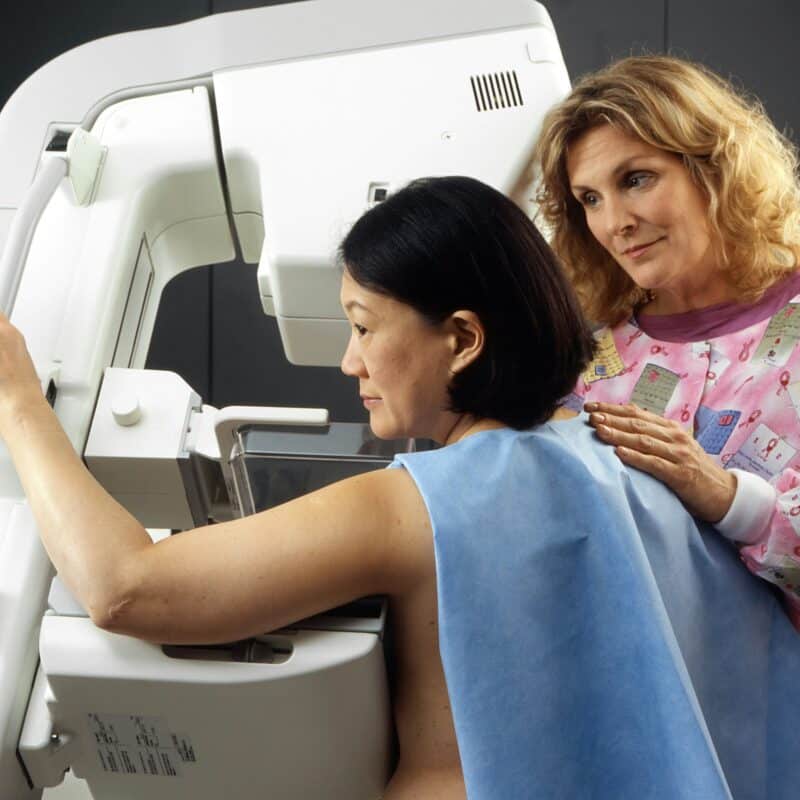
The diagnosis process often includes a physical examination, medical history review, imaging tests (e.g., ultrasound, MRI), and in some cases, a laparoscopic surgery to confirm the presence and extent of endometriosis lesions. Understanding this timeline can empower patients to advocate for timely diagnosis and appropriate treatment plans.
Herbal and Supplement Therapies for Endometriosis
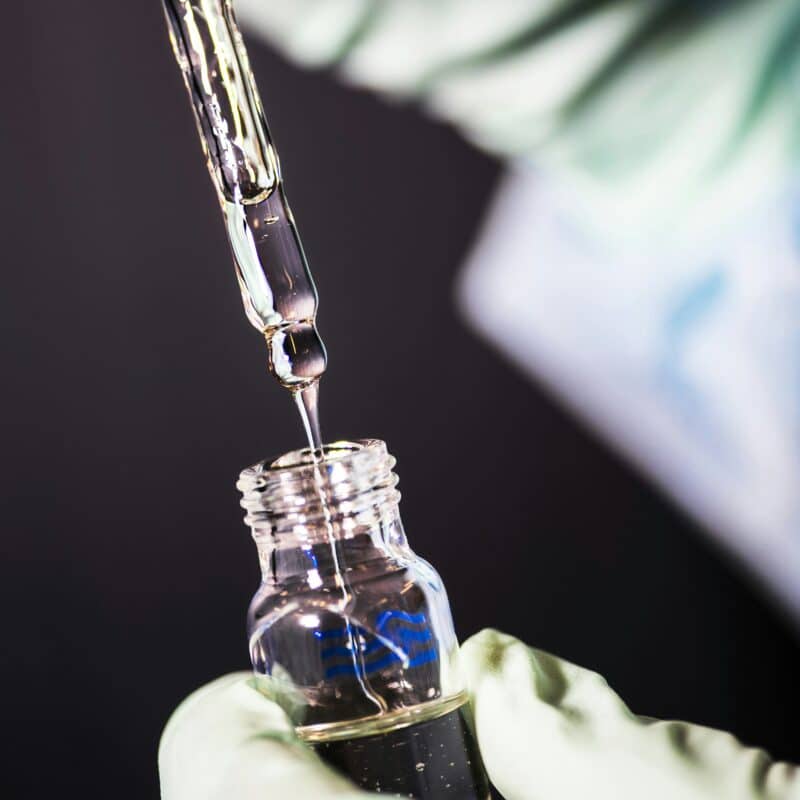
Many individuals with endometriosis seek alternative and complementary therapies to manage their symptoms. This heading explores the potential benefits and risks of various herbal supplements, such as curcumin, omega-3 fatty acids, and green tea extract, that have shown promising results in clinical studies for endometriosis management.
Patients should discuss the use of herbal remedies with their healthcare providers to ensure safe and effective integration with their overall treatment plan. Proper dosage, quality, and potential interactions with conventional medications are crucial considerations.
Endometriosis and Workplace Accommodations
Endometriosis can have a significant impact on an individual's ability to work, both in terms of managing symptoms and navigating the workplace environment. This heading provides guidance on advocating for reasonable accommodations, such as flexible schedules, remote work options, and pain management support, to ensure individuals with endometriosis can thrive in their careers.
By understanding their rights and working collaboratively with employers, individuals with endometriosis can create a more supportive and inclusive work environment that enables them to manage their condition while fulfilling their professional responsibilities.
Nutritional Strategies for Endometriosis Pain Reduction
Dietary modifications can play a crucial role in managing endometriosis-related pain and inflammation. This heading explores evidence-based nutritional approaches, such as increasing anti-inflammatory foods, reducing pro-inflammatory triggers, and incorporating supplements like omega-3s, that may help alleviate endometriosis symptoms.
By adopting a holistic, nutrition-focused approach, individuals with endometriosis can complement their medical treatment plan and potentially reduce their reliance on pain medications, leading to improved quality of life and overall wellbeing.