Endometriosis Symptoms and Early Detection
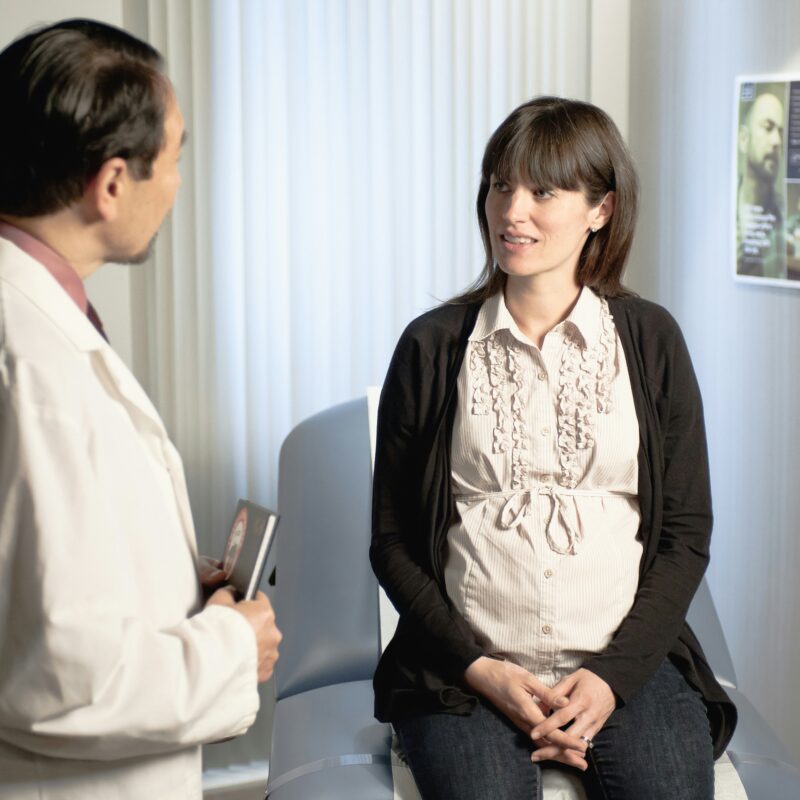
Recognizing the early signs of endometriosis is crucial for timely diagnosis and effective management. Common symptoms include painful periods, heavy bleeding, chronic pelvic pain, and digestive issues. By being aware of these indicators, especially in adolescents, individuals can seek medical attention and receive the appropriate care to alleviate their condition.
Endometriosis can manifest differently in each person, so it's important to pay attention to any changes or abnormalities in menstrual cycles, bowel movements, and overall pelvic health. Tracking symptom patterns and communicating them with a healthcare provider can greatly assist in the early detection of this complex disorder.
Differentiating Endometriosis from PCOS
Endometriosis and polycystic ovary syndrome (PCOS) are both gynecological conditions that can share similar symptoms, making it challenging to distinguish between the two. Key differences lie in the underlying causes, hormonal imbalances, and the specific reproductive and metabolic effects of each disorder.
While endometriosis involves the abnormal growth of endometrial-like tissue outside the uterus, PCOS is characterized by the development of numerous small cysts on the ovaries. Understanding these distinctions, as well as consulting with a specialist, can help patients receive the appropriate diagnosis and tailored treatment plan for their specific condition.
Endometriosis Lifestyle Management
Incorporating lifestyle modifications can play a crucial role in managing endometriosis symptoms and improving overall well-being. Dietary changes, such as reducing inflammation-promoting foods and incorporating anti-inflammatory nutrients, can help alleviate pain and discomfort.
Additionally, engaging in gentle exercises, such as yoga, Pilates, or low-impact aerobic activities, can help manage pain, reduce stress, and promote better pelvic health. Combining these lifestyle approaches with medical treatment can empower individuals to take an active role in their endometriosis management and enhance their quality of life.
Endometriosis Workplace Accommodations
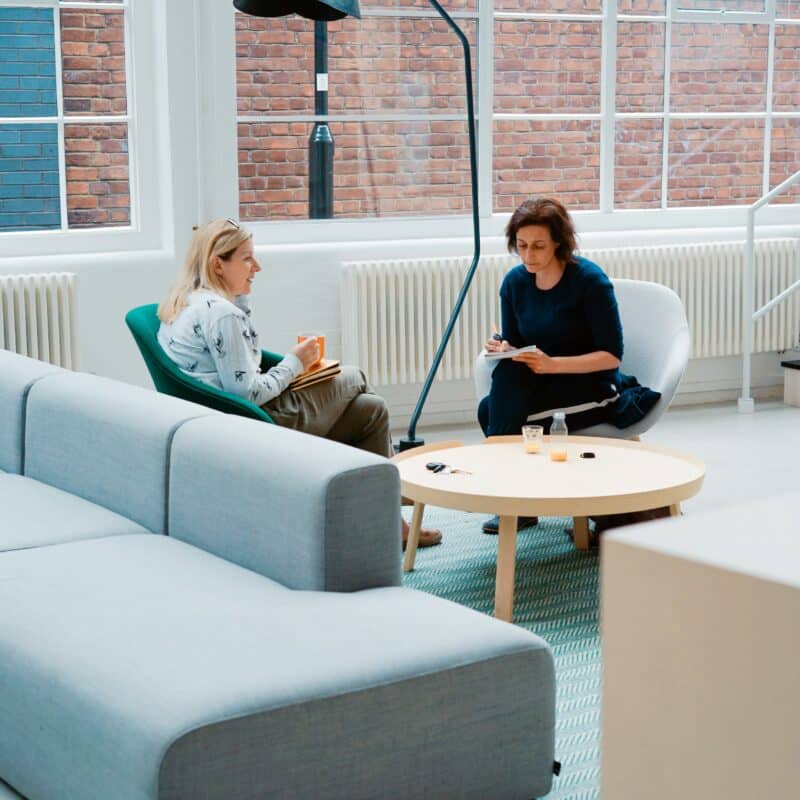
Navigating the workplace with endometriosis can present unique challenges, but it is important for individuals to advocate for their needs and secure appropriate accommodations. Employers should be educated on the chronic nature of the condition and the potential impact on work productivity and attendance.
Flexible scheduling, remote work options, access to private spaces for self-care, and adjustments to physical job requirements can all help create a more supportive work environment for those living with endometriosis. By fostering open communication and collaborating with employers, individuals can better manage their condition and maintain a healthy work-life balance.