
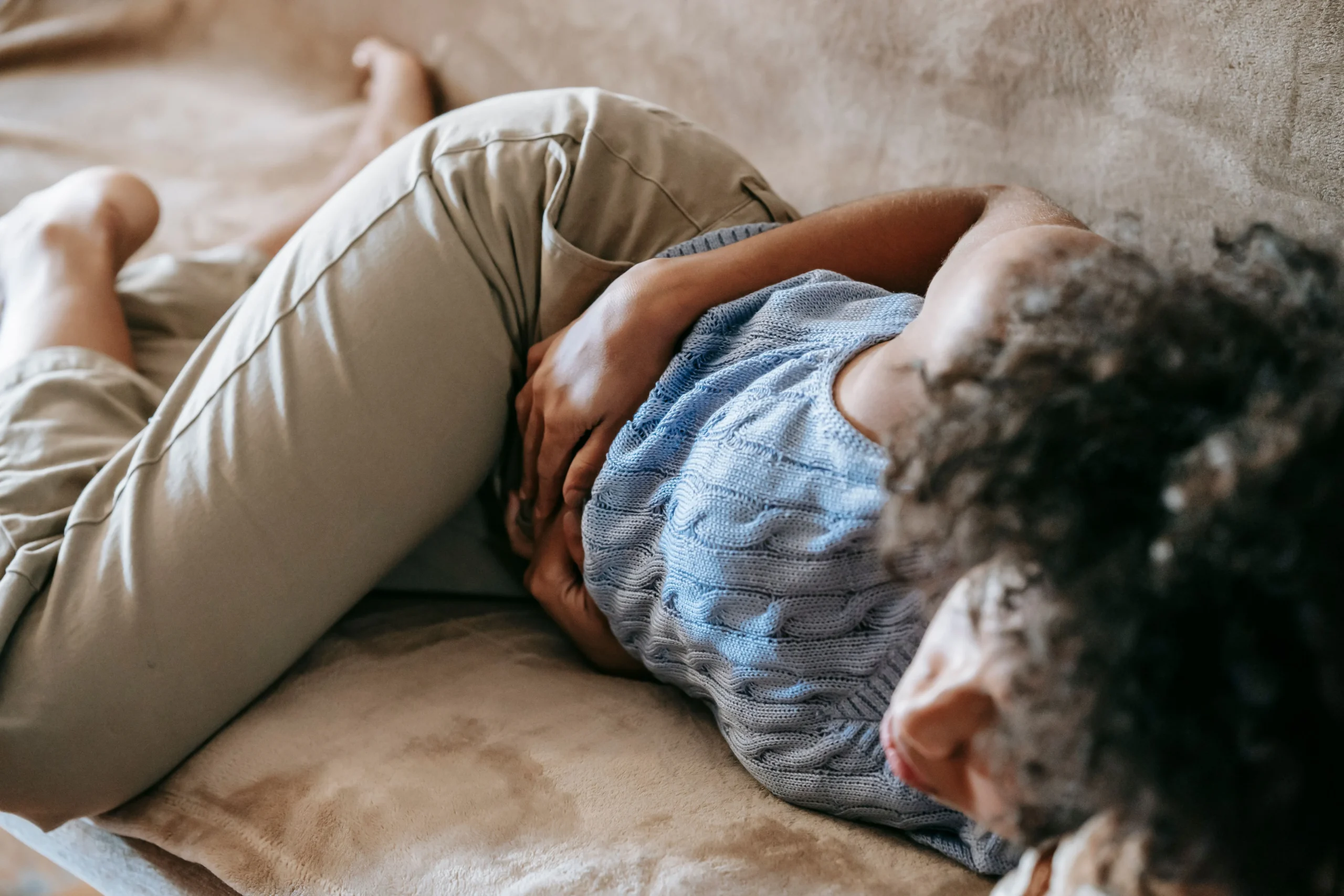
Endometriosis can cause much more than painful periods. While severe menstrual cramps and pelvic pain are among the most recognized symptoms, the condition can also affect digestion, urinary function, fertility, and overall well-being. Some people experience symptoms throughout their menstrual cycle, while others have few noticeable signs.
Recognizing the 20 symptoms of endometriosis can help you identify patterns that deserve medical attention. Because symptoms often overlap with other conditions, endometriosis can be difficult to recognize without a thorough evaluation.
At the Endometriosis Center of Excellence, Dr. Rachael Haverland focuses on specialized endometriosis care, including the evaluation and surgical treatment of complex disease. Understanding the different ways endometriosis can present is an important first step toward seeking appropriate care.
What Is Endometriosis and Why Does It Cause Symptoms?
Endometriosis is a chronic condition in which tissue similar to the lining of the uterus grows outside the uterus. These growths, called lesions, commonly develop within the pelvis but may also affect surrounding organs, including the bowel and bladder. In less common cases, endometriosis can occur outside the pelvic cavity.
The condition is associated with inflammation, irritation of surrounding tissues, adhesions, and changes in pain signaling. Symptoms vary depending on several factors, including lesion location, associated inflammation, and individual pain sensitivity.
How Endometriosis Affects the Pelvic Organs
Endometriosis commonly affects structures such as the ovaries, pelvic lining, and tissues surrounding the reproductive organs.
Inflammation and adhesions may contribute to pelvic discomfort, painful menstruation, and pain during certain activities. When endometriosis involves tissues near the bowel or bladder, digestive or urinary symptoms may also occur.
However, the severity of symptoms does not always reflect the extent of the disease. Some individuals with extensive endometriosis experience relatively mild symptoms, while others with limited visible disease have significant pain.
Why Symptoms Often Worsen During Menstruation
Endometriosis lesions can respond to hormonal changes throughout the menstrual cycle.
These changes may contribute to inflammation and pain that become more noticeable before or during menstruation. Some individuals experience cyclical symptoms, while others develop discomfort that persists between periods.
Tracking when symptoms appear can help identify patterns that may be useful during a medical evaluation.
Can Endometriosis Cause Symptoms Outside the Pelvis?
Yes. Although endometriosis most commonly affects the pelvis, it can occasionally involve areas such as the diaphragm, abdominal wall, surgical scars, or chest cavity.
Symptoms depend on the affected location and may include shoulder discomfort, chest pain, or pain near a previous surgical incision.
These presentations are less common but demonstrate why endometriosis symptoms should not be considered exclusively reproductive.
What Are the 20 Symptoms of Endometriosis?

Endometriosis can produce symptoms involving several body systems. Some are closely associated with menstruation, while others may appear throughout the month. Not everyone experiences the same combination of symptoms, and having one or more of these signs does not automatically mean you have endometriosis.
The following 20 symptoms are grouped by how they commonly affect the body.
Menstrual and Pelvic Pain Symptoms
-
Severe menstrual cramps: Period pain that significantly interferes with work, school, sleep, or everyday activities.
-
Chronic pelvic pain: Persistent or recurring discomfort in the lower abdomen or pelvis, including pain outside menstruation.
-
Lower back pain: Aching or discomfort in the lower back that may worsen around the menstrual cycle.
-
Pain during intercourse: Deep pelvic pain during sexual activity, sometimes continuing afterward.
-
Pain after intercourse: Lingering pelvic discomfort or cramping following sexual activity.
-
Heavy menstrual bleeding: Periods involving unusually heavy blood flow, which may occur alongside endometriosis or another gynecological condition.
-
Bleeding between periods: Spotting or unexpected bleeding outside the usual menstrual cycle.
-
Pain radiating into the hips or legs: Pelvic discomfort that extends toward the hips, thighs, or legs, sometimes associated with nerve irritation or overlapping musculoskeletal conditions.
Digestive and Urinary Symptoms
-
Painful bowel movements: Discomfort or sharp pain during bowel movements, particularly around menstruation.
-
Constipation: Difficulty passing stool or changes in bowel frequency that may fluctuate with the menstrual cycle.
-
Diarrhea: Loose or frequent bowel movements, sometimes occurring alongside menstrual symptoms.
-
Abdominal bloating: Noticeable swelling or fullness in the abdomen, sometimes described as endo belly.
-
Abdominal cramping: Recurring digestive or lower abdominal discomfort that may resemble gastrointestinal conditions.
-
Painful urination: Burning, pressure, or discomfort when urinating, especially when symptoms follow a menstrual pattern.
-
Urinary urgency or frequency: Feeling the need to urinate more often or more urgently than usual.
Reproductive, Systemic, and Less Common Symptoms
-
Difficulty becoming pregnant: Endometriosis may be associated with infertility, sometimes without significant pain symptoms.
-
Persistent fatigue: Ongoing exhaustion that may affect concentration, work, and everyday functioning.
-
Pain near a surgical scar: Tenderness, swelling, or a painful lump near a previous abdominal incision, sometimes worsening during menstruation.
-
Cyclical chest or shoulder pain: Uncommon symptoms that may occur when endometriosis involves the diaphragm or thoracic cavity.
-
Pain or bleeding outside the pelvis: Rare manifestations involving areas beyond the reproductive organs, with symptoms depending on the location.
These symptoms can overlap with conditions such as irritable bowel syndrome, urinary tract infections, adenomyosis, and other pelvic disorders. A medical evaluation is necessary to understand their cause.
How Can Endometriosis Symptoms Affect Different Body Systems?
Endometriosis is often associated with reproductive symptoms, but its effects can extend beyond painful periods. Understanding how symptoms appear across different body systems may help patients recognize patterns that are otherwise easy to overlook.
Digestive discomfort, urinary symptoms, fatigue, and fertility difficulties may occur alongside pelvic pain or, in some cases, become the primary reason someone seeks medical attention.
Digestive Symptoms and Bowel Discomfort
Digestive symptoms are common among people with endometriosis and may resemble irritable bowel syndrome.
Bloating, constipation, diarrhea, abdominal cramping, and painful bowel movements can become more noticeable around menstruation. These symptoms may be associated with inflammation, pelvic floor dysfunction, overlapping gastrointestinal conditions, or endometriosis involving tissues near the bowel.
Importantly, digestive symptoms do not necessarily mean that endometriosis has directly invaded the bowel.
Persistent digestive discomfort, particularly when it follows a menstrual pattern, should be discussed with a healthcare professional.
Urinary Symptoms and Bladder Pain
Endometriosis may contribute to bladder discomfort, painful urination, urinary urgency, or increased frequency.
Symptoms can overlap with urinary tract infections and bladder pain syndrome, making evaluation important. When symptoms repeatedly worsen around menstruation, clinicians may consider endometriosis among several possible explanations.
Urinary symptoms alone cannot confirm bladder endometriosis. Assessment may involve medical history, examination, imaging, and other testing depending on the symptoms.
Fertility Challenges and Persistent Fatigue
Endometriosis is associated with infertility, although many individuals with the condition can conceive naturally.
Inflammation, adhesions, ovarian involvement, and changes in pelvic anatomy may contribute to fertility difficulties in some patients. However, the relationship between endometriosis and fertility is complex, and treatment decisions depend on individual circumstances.
Fatigue is another commonly reported symptom. Chronic pain, disrupted sleep, heavy bleeding, and the physical and emotional demands of managing a long-term condition may all contribute to exhaustion.
Both fertility concerns and persistent fatigue deserve attention, particularly when they occur alongside other possible endometriosis symptoms.
Frequently Asked Questions
What are the most common symptoms of endometriosis?
Common symptoms include severe menstrual cramps, chronic pelvic pain, pain during intercourse, painful bowel movements, abdominal bloating, fatigue, and difficulty becoming pregnant. Some people experience symptoms outside menstruation, while others have little or no noticeable discomfort.
Can you have endometriosis without painful periods?
Yes. Not everyone with endometriosis experiences severe menstrual pain. Some individuals primarily report digestive symptoms, fertility difficulties, or persistent pelvic discomfort, while others have no obvious symptoms.
How do you know if period pain is caused by endometriosis?
Period pain that repeatedly disrupts daily activities, worsens over time, or occurs alongside symptoms such as painful intercourse or bowel movements may warrant evaluation. However, symptoms alone cannot confirm endometriosis, and other conditions can cause similar discomfort.
Can endometriosis cause digestive problems?
Yes. Endometriosis may be associated with bloating, constipation, diarrhea, abdominal cramping, and painful bowel movements. These symptoms can overlap with gastrointestinal disorders, so a comprehensive evaluation may be necessary.
Does endometriosis always cause infertility?
No. Many people with endometriosis become pregnant naturally. The condition may affect fertility in some individuals, but the impact varies depending on factors such as age, ovarian function, disease involvement, and other reproductive health considerations.
When should you see an endometriosis specialist?
Consider seeking specialist evaluation when menstrual or pelvic pain interferes with daily activities, symptoms persist despite initial treatment, or fertility concerns arise. Recurring bowel or urinary symptoms associated with menstruation may also warrant further assessment.
When Should You Seek Specialist Care for Endometriosis?
Recognizing possible endometriosis symptoms is an important first step, but obtaining an accurate diagnosis requires more than identifying symptoms from a list. Because endometriosis can resemble other conditions, a clinician may review your medical history, perform an examination, and recommend imaging or other investigations when appropriate.
At the Endometriosis Center of Excellence, Dr. Rachael Haverland provides specialized evaluation and treatment for patients with suspected or confirmed endometriosis. Treatment may involve medication, pain management, pelvic floor therapy, surgical options, or a combination of approaches based on individual needs.
If you are preparing for an appointment, consider documenting when your symptoms occur, how severe they are, which activities they affect, and whether they change throughout your menstrual cycle. Bringing previous imaging results, treatment records, and fertility concerns can also help guide the discussion.
Conclusion
The 20 symptoms of endometriosis demonstrate how differently this condition can affect each individual. While severe menstrual cramps and pelvic pain are common, digestive changes, urinary discomfort, fatigue, fertility difficulties, and symptoms outside the pelvis may also occur.
Recognizing these patterns can help you communicate your concerns more clearly and seek appropriate medical evaluation. Persistent or worsening symptoms should not be dismissed simply because they occur around menstruation.
If endometriosis may be affecting your daily life, consulting a healthcare professional experienced in evaluating pelvic pain and endometriosis can help you understand your symptoms and explore suitable treatment options.