For some women with endometriosis, difficulty conceiving is connected not only to endometriosis lesions but also to changes in pelvic anatomy.
Inflammation and adhesions can cause tissues or organs within the pelvis to become stuck together. When these changes affect the ovaries or fallopian tubes, they may interfere with the normal process required for natural conception.
Endometriosis surgery may be used to remove disease, release adhesions, and restore pelvic anatomy when appropriate. However, fertility is complex, and surgery cannot guarantee pregnancy.
Understanding what surgery can and cannot accomplish can help patients have more informed conversations about fertility goals and treatment options.
How Can Endometriosis and Scar Tissue Affect Fertility?
Natural conception depends on several reproductive processes working together. An egg must be released from the ovary, the fallopian tube must be able to capture and transport it, fertilization must occur, and the resulting embryo must eventually reach the uterus.
Endometriosis and adhesions can potentially interfere with parts of this process when pelvic anatomy is affected.
Adhesions Can Distort Pelvic Anatomy
Adhesions are bands of scar-like tissue that can cause structures within the pelvis to stick together.
When significant adhesions develop around reproductive organs, they may change the normal relationship between the ovaries, fallopian tubes, uterus, and surrounding structures.
During surgery, appropriate adhesions may be carefully released to help restore anatomy and mobility.
Fallopian Tube Function Matters for Natural Conception
The fallopian tubes play an essential role in natural conception.
They provide the pathway through which the egg and sperm meet and through which the fertilized egg subsequently travels toward the uterus.
When endometriosis or adhesions affect the area surrounding a fallopian tube, normal movement and function may be disrupted. Surgery may allow the surgeon to assess these anatomical relationships and address surgically treatable problems when appropriate.
Ovaries Can Also Be Affected
Endometriosis may involve the ovaries, including through endometriomas.
Surgical planning becomes particularly important when fertility is a priority because treatment decisions may need to consider both removing disease and protecting healthy ovarian tissue when possible.
The appropriate approach depends on the location and extent of disease, previous surgeries, age, ovarian reserve, and the patient’s reproductive goals.
How Can Endometriosis Surgery Restore Pelvic Anatomy?
Laparoscopic surgery allows the surgeon to examine the pelvis and address endometriosis and adhesions through small incisions.
The surgical plan should be individualized because endometriosis can affect different organs and anatomical structures in different patients.
Removing Endometriosis Lesions
Excision involves surgically removing identified areas of endometriosis rather than simply treating the surface of a lesion.
When fertility is a concern, surgical decisions should take into account where disease is located and how treatment could affect reproductive structures.
Releasing Adhesions
Adhesiolysis is the surgical release of adhesions.
When adhesions restrict the ovaries, fallopian tubes, or surrounding structures, releasing them may help restore a more normal anatomical relationship within the pelvis.
However, restoring anatomy does not necessarily mean that every reproductive structure will regain normal function.
Evaluating the Fallopian Tubes
When fertility is part of the surgical plan, the surgeon may evaluate the reproductive anatomy and discuss what was found after surgery.
A tube that appears anatomically open is only one part of fertility. Successful natural conception also depends on ovarian function, sperm factors, age, uterine health, and other reproductive considerations.
Frequently Asked Questions
Can removing endometriosis improve fertility?
Endometriosis surgery may address anatomical problems that can interfere with fertility in some patients. Whether this improves an individual’s likelihood of conception depends on many factors, including age, disease severity, ovarian reserve, tubal function, and other fertility factors.
Can scar tissue block the fallopian tubes?
Adhesions may affect the fallopian tubes or surrounding anatomy and potentially interfere with normal reproductive function. The location and severity of adhesions determine how significantly they affect fertility.
Can surgery unblock fallopian tubes?
Some surgically treatable adhesions affecting the tubes may be released. However, whether a tube can be restored and whether it functions normally afterward depends on the type and extent of damage. Your surgeon can explain what was found during surgery and what it may mean for fertility.
Can I conceive naturally after endometriosis surgery?
Natural conception may be possible after surgery, but it cannot be guaranteed. Your individual chances depend on several reproductive factors beyond endometriosis alone.
How soon should I try to conceive after endometriosis surgery?
There is no universal timeline. Your surgeon should tell you when your body has healed sufficiently for sexual activity and attempting conception. A fertility specialist may also recommend a timeline based on age, ovarian reserve, medical history, and other factors.
Will I still need fertility treatment after surgery?
Possibly. Some patients may attempt natural conception after surgery, while others may benefit from fertility evaluation or assisted reproductive treatment. Surgery and fertility treatment are not necessarily competing approaches, and the appropriate sequence depends on the individual.
Fertility Goals Should Be Part of Surgical Planning

If having children now or in the future is important to you, discuss that with your surgeon before endometriosis surgery.
Fertility considerations can influence how your care team evaluates ovarian disease, adhesions, fallopian tube involvement, and other findings.
Important questions to ask include:
-
How could my endometriosis be affecting fertility?
-
Are my ovaries or fallopian tubes involved?
-
How will surgery account for my fertility goals?
-
Could surgery affect ovarian reserve?
-
What will you be able to assess about my reproductive anatomy?
-
When can I safely try to conceive after surgery?
-
Should I also meet with a fertility specialist?
For complex cases, coordination between an endometriosis surgeon and fertility specialist may help patients understand the available options before making treatment decisions.
Conclusion
Endometriosis can affect fertility in several ways, including by creating adhesions and changing the normal anatomy surrounding the ovaries and fallopian tubes.
Laparoscopic surgery may allow a surgeon to remove endometriosis, release adhesions, evaluate reproductive structures, and restore pelvic anatomy when possible.
But restoring anatomy and achieving pregnancy are not the same thing.
Natural conception depends on many factors, which is why fertility goals should be discussed before surgery and considered as part of an individualized treatment plan.
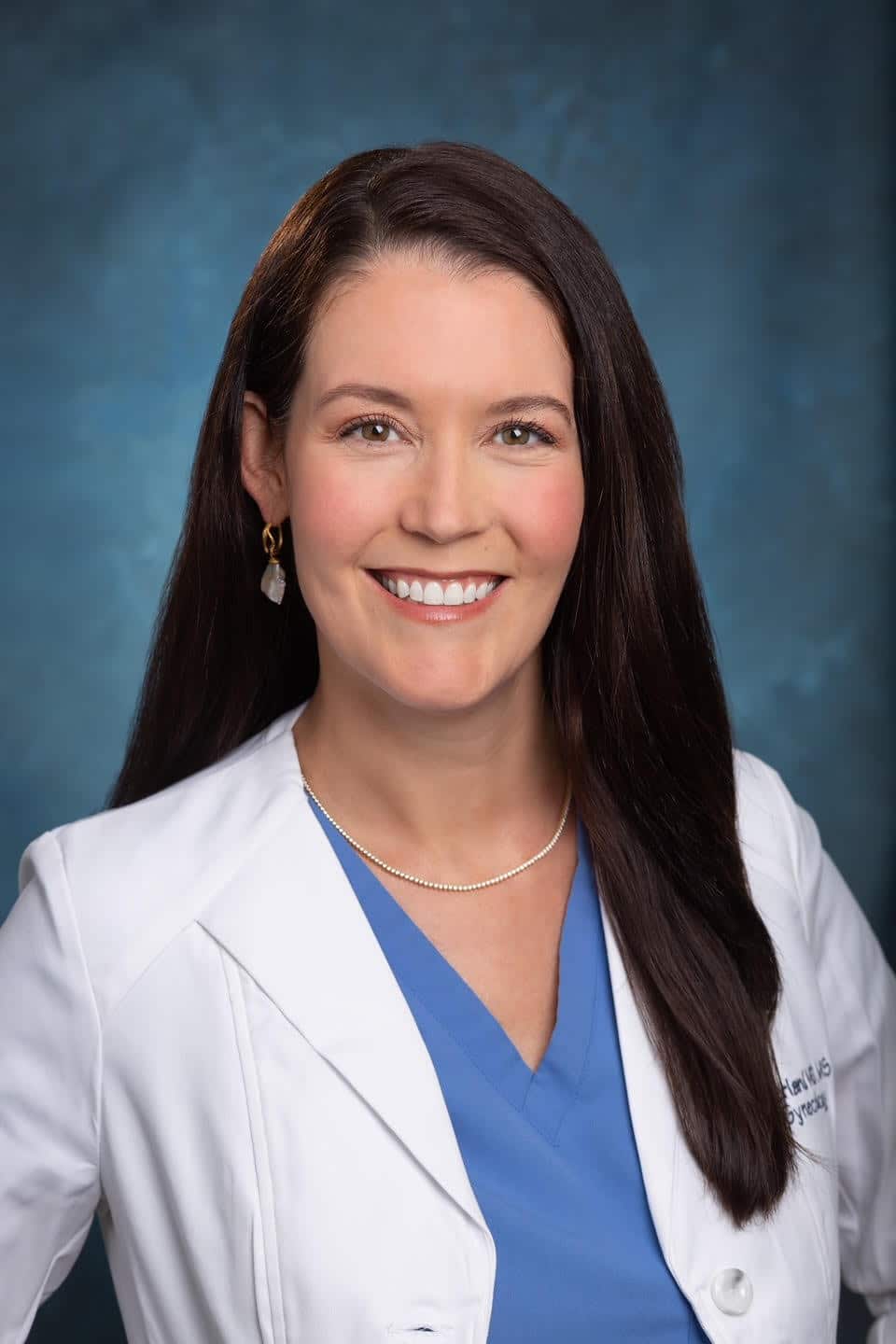
At the Endometriosis Center of Excellence, Dr. Rachael Haverland works with patients to develop surgical plans based on the location and complexity of their endometriosis as well as their individual health and reproductive goals.