
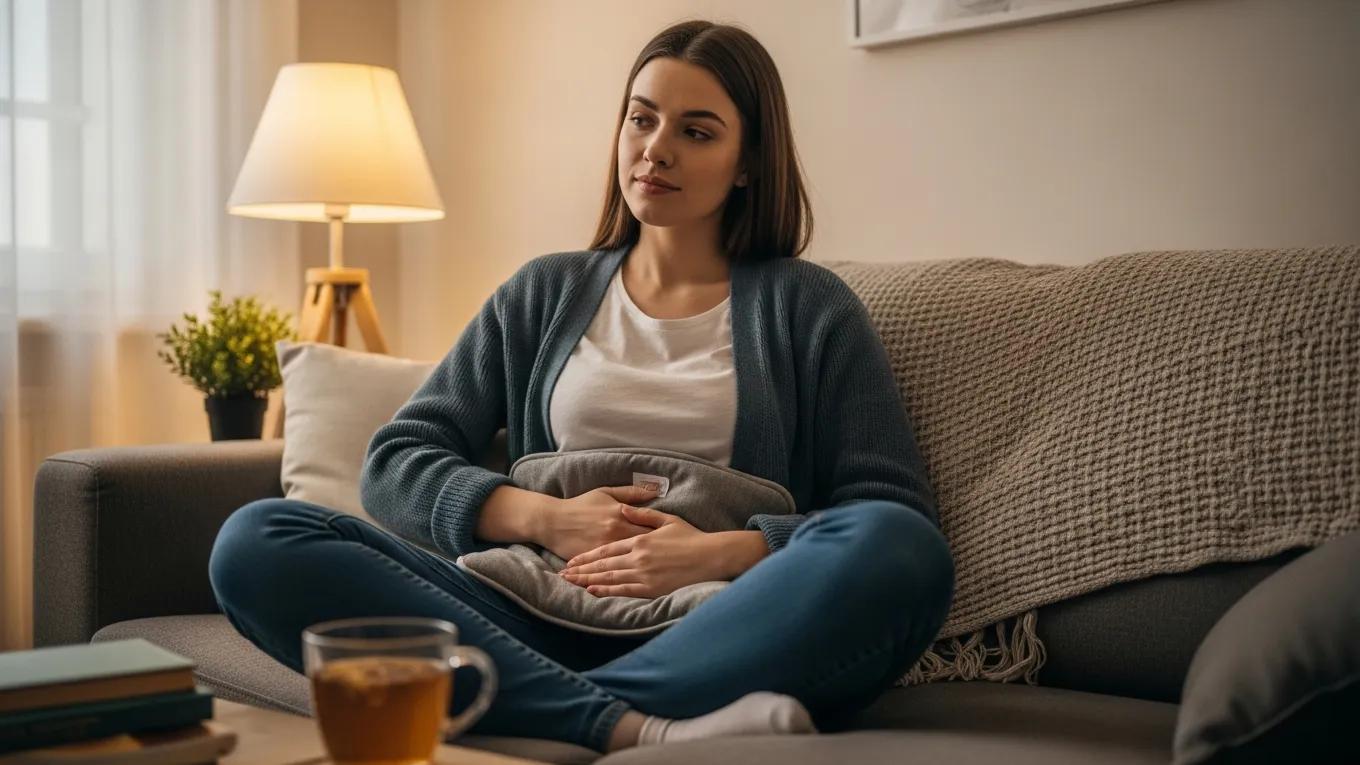
Period pain is common, but severe pain that disrupts your life should not be dismissed as “normal.” Typical menstrual cramps are usually mild to moderate, occur around the start of bleeding, and improve with basic measures such as heat, rest, or over-the-counter pain medication.
Endometriosis-related pain often feels different. It may be more intense, begin before the period starts, last beyond bleeding, or occur at other times in the month. It may also happen alongside symptoms such as pain during sex, bowel or bladder discomfort, heavy bleeding, fatigue, or difficulty conceiving. Understanding the difference between expected menstrual discomfort and pain that may signal endometriosis can help patients seek care sooner. At the Endometriosis Center of Excellence, Dr. Rachael Ann Haverland evaluates period pain in the context of each patient’s full symptom pattern, daily function, and long-term health goals.
What Does Typical Period Pain Usually Feel Like?

Typical period pain, also called menstrual cramps, usually feels like cramping or aching in the lower abdomen or pelvis. It often begins shortly before bleeding starts or during the first day or two of a period. Some discomfort may also be felt in the lower back or thighs.
For many people, typical cramps are uncomfortable but manageable. They may improve with heat, rest, hydration, gentle movement, or over-the-counter pain relief. Most importantly, typical period pain does not usually prevent someone from going to work or school, caring for family, sleeping, exercising, or completing daily activities on a regular basis.
Mild to Moderate Cramping Near the Start of Bleeding
Typical menstrual cramps are often strongest near the beginning of the period and gradually improve as bleeding continues. The pain may come in waves and may feel like pressure, aching, or tightening in the lower abdomen. Mild to moderate cramping can be frustrating, but it should generally remain manageable. Pain that becomes severe, lasts for many days, or begins well before bleeding starts may need further evaluation.
Pain That Improves With Heat, Rest, or Over-the-Counter Medication
Typical cramps often improve with simple self-care measures. A heating pad, warm bath, rest, gentle stretching, hydration, or over-the-counter anti-inflammatory medication may provide enough relief for many patients. Pain that does not improve with usual measures, requires repeated medication to function, or continues to interfere with daily life should not be ignored. This does not automatically mean a patient has endometriosis, but it does mean the pain deserves medical attention.
Symptoms That Do Not Regularly Disrupt Daily Life
Period pain may be common, but it should not regularly control a person’s schedule. Typical cramps may require slowing down temporarily, but they usually do not cause repeated missed work or school, canceled plans, severe sleep disruption, vomiting, fainting, or inability to complete daily responsibilities. If period pain consistently disrupts normal life, worsens over time, or feels out of proportion to what has been typical for the patient, it is worth discussing with a healthcare professional.
When Is Period Pain Not Normal?
Period pain may need medical evaluation when it is severe, worsening, difficult to control, or interfering with daily life. While occasional cramps can be expected during menstruation, pain that repeatedly limits work, school, sleep, relationships, exercise, or basic routines should not be dismissed.
Abnormal period pain does not always mean endometriosis, but it can be a sign that something more is contributing. Endometriosis, adenomyosis, fibroids, ovarian cysts, pelvic inflammatory disease, pelvic floor dysfunction, gastrointestinal conditions, bladder pain conditions, and other causes of pelvic pain can all create symptoms that deserve a closer look.
Pain That Causes Missed Work, School, or Daily Activities
Pain that regularly causes missed work, missed school, canceled plans, or difficulty caring for family should be evaluated. Period symptoms should not require someone to plan their life around severe pain every month.
Some patients also adjust their routines without realizing how much their symptoms are affecting them. Needing to stay in bed, avoid exercise, skip social events, or use multiple pain-control strategies just to get through the day may be a sign that the pain is not typical.
Pain That Worsens Over Time
Period pain that becomes more intense, lasts longer, or starts affecting more days of the month should be discussed with a healthcare professional. A gradual change in symptoms can be easy to overlook, especially when patients have been told that painful periods are normal.
Worsening pain may suggest that an underlying condition is progressing or that additional factors, such as pelvic floor muscle tension, inflammation, adhesions, bowel symptoms, or bladder symptoms, are contributing to the pain pattern.
Pain That Does Not Improve With Usual Pain Relief
Typical cramps often improve with heat, rest, or over-the-counter pain medication. Pain that does not respond to usual measures, returns quickly after medication, or requires frequent medication to function should not be ignored.
Patients should also seek guidance if they need increasing doses of pain medication, cannot tolerate common pain relievers, or have pain that remains severe despite trying multiple self-care strategies. A clinician can help identify safer and more effective options.
Pain That Starts Before the Period or Continues After Bleeding Ends
Period cramps usually occur near the start of bleeding and improve as the period progresses. Pain that begins several days before bleeding, continues after bleeding ends, or appears at other times in the month may suggest a broader pelvic pain pattern.
This is especially important when pain occurs with bowel symptoms, bladder discomfort, pain during sex, lower back pain, hip pain, fatigue, or difficulty conceiving. Tracking when pain starts and ends can help a specialist understand whether symptoms may fit an endometriosis pattern.
How Is Endometriosis Pain Different From Typical Cramps?

Endometriosis pain can feel different from typical menstrual cramps because it is often more intense, lasts longer, and may involve symptoms beyond the uterus. Some patients describe sharp, stabbing, burning, pulling, or deep aching pain. Others experience pressure, bloating, lower back pain, hip pain, or pain that radiates into the legs.
The most important difference is the impact on daily life. Endometriosis-related pain may interfere with work, school, sleep, sex, exercise, bowel movements, urination, or fertility planning. It may also occur outside the menstrual period, which can make it harder to recognize as part of a gynecologic condition. We cover this further in Is It Period Pain or Endometriosis in Teens? How to Tell the Difference.
Endometriosis Pain May Last Longer Than Regular Cramps
Typical cramps often improve after the first day or two of bleeding. Endometriosis pain may begin before the period starts, become severe during bleeding, and continue afterward. Some patients have pain for many days each month, while others experience pelvic pain throughout the cycle.
Longer-lasting pain can increase fatigue, affect mood, disrupt sleep, and make daily routines more difficult. Pain duration is an important detail to track because it can help distinguish routine cramps from symptoms that need further evaluation.
Pain May Occur Outside the Menstrual Period
Endometriosis can cause pain at times other than menstruation. Some patients notice pelvic pain around ovulation, after physical activity, during bowel movements, with urination, during or after sex, or without a clear trigger.
Pain outside the period does not automatically mean endometriosis, but it should be evaluated when it is persistent, recurring, or disruptive. A clinician can help determine whether symptoms may be related to endometriosis or another pelvic pain condition.
Pain May Spread to the Back, Hips, Abdomen, or Legs
Typical cramps are often centered in the lower abdomen or pelvis. Endometriosis-related pain may be more widespread. Patients may feel pain in the lower back, hips, abdomen, rectal area, groin, or legs, depending on the location of symptoms and whether other structures are involved.
This spreading or radiating pain can be confusing because it may resemble muscle pain, digestive problems, bladder symptoms, or nerve-related pain. Describing the exact location and pattern of pain can help guide evaluation.
Pain May Be Linked With Bowel, Bladder, or Sexual Symptoms
Endometriosis pain may occur alongside painful bowel movements, constipation, diarrhea, bloating, nausea, urinary urgency, bladder discomfort, or pain during or after sex. These symptoms may become worse before or during a period. Because bowel, bladder, and sexual pain symptoms are sometimes treated separately, patients may not realize they can be part of the same pelvic pain pattern. When these symptoms occur with severe period pain or chronic pelvic pain, specialist evaluation may be helpful.
What Other Symptoms Can Point to Endometriosis?
Endometriosis is often associated with severe period pain, but pain is not the only symptom patients may notice. Some people also experience symptoms involving sex, bowel movements, urination, bleeding patterns, fatigue, or fertility. These symptoms may be more noticeable before or during a period, but they can also occur at other times in the month.
Having one of these symptoms does not automatically mean a patient has endometriosis. However, when these symptoms occur together with severe cramps, chronic pelvic pain, or pain that disrupts daily life, they should be discussed with a healthcare professional.
Pain During or After Sex
Pain during or after sex can be a sign of endometriosis, especially when the pain feels deep, sharp, aching, or lingers afterward. Some patients may also experience pelvic cramping, pressure, or lower back pain after intercourse.
This symptom can affect relationships, intimacy, and emotional well-being, but patients may feel uncomfortable bringing it up. It is important to mention pain with sex during an evaluation because it can help clarify whether endometriosis, pelvic floor dysfunction, inflammation, adhesions, or another pelvic pain condition may be contributing.
Painful Bowel Movements or Urination, Especially Around Periods
Endometriosis may be associated with bowel or bladder symptoms, particularly when symptoms worsen around menstruation. Patients may notice painful bowel movements, rectal pressure, constipation, diarrhea, bloating, nausea, painful urination, urinary urgency, or bladder discomfort. We cover this further in What to Know About Endometriosis Symptoms During Adolescence.
These symptoms are sometimes mistaken for gastrointestinal or urinary conditions alone. The timing matters. If bowel or bladder symptoms consistently worsen before or during a period, or occur alongside severe pelvic pain, they should be included in the symptom history. We cover this further in Unique Characteristics of Endometriosis Period Pain.
Heavy Bleeding or Severe Fatigue
Some patients with endometriosis experience heavy bleeding, spotting, or periods that feel unusually draining. Heavy bleeding may also contribute to iron deficiency or anemia, which can worsen fatigue, dizziness, weakness, headaches, shortness of breath, or difficulty concentrating.
Fatigue related to endometriosis can feel more intense than ordinary tiredness. Patients may feel physically depleted, mentally foggy, or unable to recover even after resting. Severe fatigue should not be ignored, especially when it occurs with heavy bleeding, chronic pain, poor sleep, or worsening menstrual symptoms.
Difficulty Conceiving
Endometriosis may be discovered during an evaluation for infertility or difficulty conceiving. Some patients have obvious pelvic pain symptoms, while others may have fewer pain symptoms but still experience fertility concerns.
Patients who are trying to become pregnant, planning future fertility, or worried about how symptoms may affect reproductive health should discuss these goals early. Fertility priorities can influence which treatment options are most appropriate and how care should be timed.
When Should You Talk to a Specialist About Period Pain?
Patients should consider specialist evaluation when period pain is severe, persistent, worsening, or interfering with daily life. Pain does not have to be constant to deserve attention. Even symptoms that occur mainly around the menstrual cycle may need evaluation if they repeatedly limit work, school, sleep, exercise, relationships, or daily responsibilities.
A specialist can help determine whether symptoms may be related to endometriosis, another pelvic pain condition, or several overlapping factors. This is especially important when symptoms have been dismissed, treated without lasting improvement, or evaluated without clear answers.
Pain Is Interfering With Quality of Life
Period pain should be evaluated when it regularly disrupts normal routines. This may include missing work or school, canceling plans, staying in bed, avoiding exercise, losing sleep, or needing frequent pain medication just to function.
Quality of life matters. Patients should not have to organize every month around severe menstrual pain. If symptoms are limiting daily activities, a more complete evaluation can help identify possible causes and treatment options.
Symptoms Keep Returning or Getting Worse
Recurring or worsening symptoms deserve medical attention, even if they have been present for years. Some patients gradually adjust to pain and do not realize how much their symptoms have changed over time.
A specialist evaluation may be helpful when cramps become more severe, pain starts earlier in the cycle, symptoms last longer after bleeding ends, or pelvic pain begins occurring outside the period. These changes can provide important clues about what may be driving the pain pattern.
You Have Bowel, Bladder, Sexual Pain, or Fertility Concerns
Period pain that occurs with bowel symptoms, bladder discomfort, pain during or after sex, or difficulty conceiving should be discussed with a specialist. These symptoms may suggest a more complex pelvic pain pattern and may require a more detailed evaluation.
Patients should also mention lower back pain, hip pain, rectal pressure, pain with bowel movements, urinary urgency, heavy bleeding, fatigue, or symptoms that worsen around menstruation. The more complete the symptom picture, the easier it is to identify appropriate next steps.
You Have Not Received Clear Answers From Standard Care
Many patients are first treated with general recommendations such as over-the-counter pain relief or hormonal medication. These options may help some people, but persistent symptoms should not be ignored if they continue to affect daily life.
Specialist care may be appropriate when prior evaluations have not explained the pain, imaging has been normal but symptoms continue, or treatment has not provided enough relief. At the Endometriosis Center of Excellence, Dr. Rachael Ann Haverland evaluates period pain within the broader context of pelvic symptoms, fertility goals, prior care, and quality-of-life impact.
What Should You Track Before Your Appointment?

Tracking symptoms before an appointment can help your healthcare provider understand the full pattern of your pain. Period pain can be difficult to explain from memory, especially when symptoms change throughout the month or overlap with bowel, bladder, sexual, or fatigue symptoms.
A simple symptom journal does not need to be complicated. Patients can use a notebook, phone note, calendar, or tracking app to record when symptoms happen, how severe they are, what helps, and how symptoms affect daily life. This information can make the consultation more focused and help guide next steps.
Timing of Pain Before, During, and After Your Period
Track when pain begins, when it is most severe, and when it improves. Note whether pain starts several days before bleeding, occurs mainly during the first days of the period, continues after bleeding ends, or appears at other times in the month.
This timing can help distinguish typical cramps from a broader pelvic pain pattern. Pain that occurs outside the period, lasts many days, or returns at predictable points in the cycle may be important to discuss.
Pain Severity and What Helps or Does Not Help
Record pain severity using a simple scale, such as 0 to 10, where 0 means no pain and 10 means the worst pain imaginable. It is also useful to note what the pain feels like, such as cramping, stabbing, burning, aching, pressure, pulling, or radiating pain.
Patients should also track what improves or worsens symptoms. This may include heat, rest, over-the-counter pain medication, prescription medication, movement, bowel movements, urination, sex, certain foods, stress, or sleep. If usual pain relief does not help, that is important information for the clinician.
Bowel, Bladder, Sex-Related, or Fatigue Symptoms
Because endometriosis symptoms can extend beyond period cramps, patients should track related symptoms as well. This may include painful bowel movements, constipation, diarrhea, bloating, nausea, painful urination, urinary urgency, bladder pressure, pain during or after sex, heavy bleeding, spotting, fatigue, dizziness, or difficulty concentrating.
Timing matters here, too. Symptoms that worsen before or during a period may be especially relevant. Bringing these details to the appointment can help the provider see connections that might otherwise be missed. To discuss your situation with a specialist, schedule an appointment at our center.
Missed Work, School, Exercise, or Daily Activities
Pain impact is just as important as pain intensity. Track whether symptoms cause missed work or school, canceled plans, poor sleep, reduced exercise, difficulty caring for family, or problems completing normal responsibilities.
Patients sometimes minimize their symptoms because they have lived with them for years. Documenting the real-life impact can help show how much period pain is affecting quality of life and why a more complete evaluation may be needed.
Frequently Asked Questions
How much period pain is normal?
Mild to moderate cramping near the start of bleeding can be common. Typical cramps usually improve with heat, rest, hydration, gentle movement, or over-the-counter pain medication. Pain that is severe, worsening, long-lasting, or disruptive to daily life should be evaluated.
Is it normal to miss work or school because of cramps?
No. Period pain that regularly causes missed work, missed school, canceled plans, or inability to complete daily responsibilities should not be dismissed as normal. Even if the pain happens only during the period, it deserves medical attention if it repeatedly interferes with life.
Can endometriosis pain happen when I am not on my period?
Yes. Endometriosis-related pain may occur before the period, during bleeding, after bleeding ends, around ovulation, during or after sex, with bowel movements, with urination, or at other times in the month. Pain outside the period should be discussed with a healthcare professional, especially if it is recurring or disruptive.
Can endometriosis cause bowel or bladder pain?
Endometriosis may be associated with bowel or bladder symptoms, especially when symptoms worsen around the menstrual cycle. These may include painful bowel movements, constipation, diarrhea, bloating, rectal pressure, painful urination, urinary urgency, or bladder discomfort.
When should period pain be evaluated urgently?
Seek urgent medical care for sudden severe pelvic or abdominal pain, pain with fever, fainting, uncontrolled vomiting, heavy bleeding that soaks through pads quickly, dizziness, shortness of breath, or a positive pregnancy test with pelvic pain. Chest pain, severe headache, vision changes, weakness on one side of the body, facial drooping, or trouble speaking should be treated as emergency symptoms.