

Endometriosis impacts an estimated 5–15% of women of reproductive age and often goes undiagnosed for close to a decade, making early identification absolutely critical. Understanding how endometriosis is diagnosed and the tests involved can significantly improve symptom management, protect your fertility, and enhance your overall quality of life. This guide will walk you through common symptoms and initial assessments, the role of ultrasound and MRI in imaging, why laparoscopy remains the definitive diagnostic method, promising new non-invasive blood and fluid tests, strategies to overcome diagnostic delays, and a detailed comparison of all these approaches. By following this roadmap, you’ll gain a clear understanding of each step in the diagnostic process and discover how specialized centers like Endo Excellence Center utilize advanced technologies and patient-centered protocols to expedite accurate diagnosis.
What Are the Common Symptoms and Initial Assessments for Endometriosis Diagnosis?

Endometriosis frequently manifests as chronic pelvic pain, painful menstrual cycles, and challenges with conception, prompting healthcare providers to begin with non-invasive evaluations. A comprehensive medical history and a thorough pelvic examination are the cornerstones of diagnosis, helping to identify patterns of pain, tenderness, and reproductive impact. For instance, severe menstrual cramps that disrupt daily life, coupled with localized pelvic tenderness during an examination, signal the need for further imaging and a referral to a specialist.
How Does a Pelvic Exam Help in Diagnosing Endometriosis?
A pelvic exam allows for the detection of tender areas, nodules, and organ fixation by physically assessing the uterus, ovaries, and pelvic ligaments. This hands-on evaluation can reveal nodules along the uterosacral ligaments or restricted movement of the adnexa, suggesting deep infiltrating disease. Such findings guide the subsequent steps in imaging and surgical planning.
Why Is Symptom Assessment and Medical History Important for Diagnosis?
Gathering a detailed history of your menstrual cycles, pain experiences, and fertility journey helps uncover symptom patterns that are characteristic of endometriotic lesions. Describing when your pain starts, how long it lasts, and what triggers it enables clinicians to differentiate endometriosis from other pelvic conditions. Documenting any infertility issues or bowel or bladder symptoms also refines the risk assessment and informs the choice of imaging tests.
What Are the Typical Signs of Endometriosis to Watch For?
- Dysmenorrhea characterized by debilitating cramps.
- Dyspareunia leading to pain during sexual intercourse.
- Chronic pelvic pain that persists even outside of your menstrual cycle.
- Infertility, defined as difficulty conceiving after six months of regular, unprotected intercourse.
How Does Ultrasound Detect Endometriosis and What Are Its Benefits?
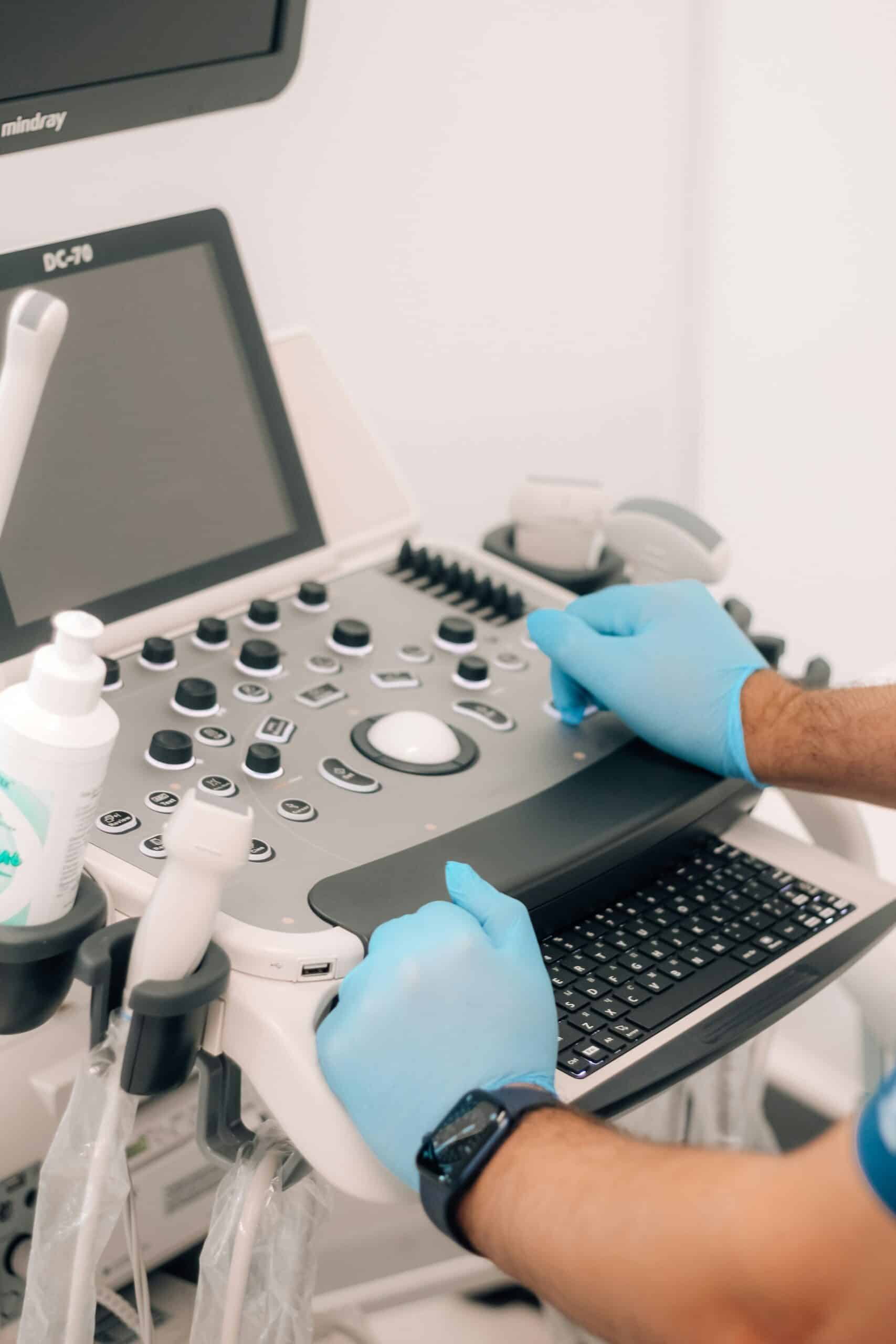
A transvaginal ultrasound is a non-invasive imaging technique that uses high-frequency sound waves to create detailed images of your ovaries and pelvic organs. It is particularly effective at identifying endometriomas—cysts filled with fluid on the ovaries—and deep infiltrating lesions in the pelvic floor, which appear as darker, hypoechoic nodules. This test is quick, widely accessible, and aids in earlier detection and surgical planning.
Ultrasound provides a real-time view of your pelvic anatomy without exposing you to radiation, making it safe for repeated assessments. Sonographers who specialize in endometriosis imaging can accurately measure cyst sizes, map the locations of lesions, and evaluate surrounding adhesions, all of which help guide clinical decisions and potentially reduce the need for unnecessary surgeries.
What Can a Transvaginal Ultrasound Reveal About Endometriosis?
A transvaginal ultrasound can identify ovarian endometriomas as cysts with a characteristic “ground-glass” appearance and deep lesions as irregular, hypoechoic masses. It can also reveal adhesions that may be binding pelvic organs together and measure the depth of lesions, which is crucial for developing a personalized treatment plan.
What Are the Limitations of Ultrasound in Endometriosis Diagnosis?
Ultrasound may be less sensitive in detecting superficial peritoneal implants and small adhesions. The expertise of the operator and individual patient anatomy can also influence visualization, potentially leading to subtle lesions on the bowel or diaphragm being missed.
How Does Ultrasound Compare to Other Imaging Tests?
While ultrasound is more readily available and cost-effective than MRI, it is less sensitive for diagnosing multifocal or deep infiltrating disease within the bowel or bladder wall. MRI offers a more comprehensive view of pelvic and even extrapelvic involvement when ultrasound results are unclear. You may also find Comprehensive Guide: Endometriosis Assessment Best Practices helpful.
What Role Does MRI Play in Diagnosing Deep Infiltrating Endometriosis?
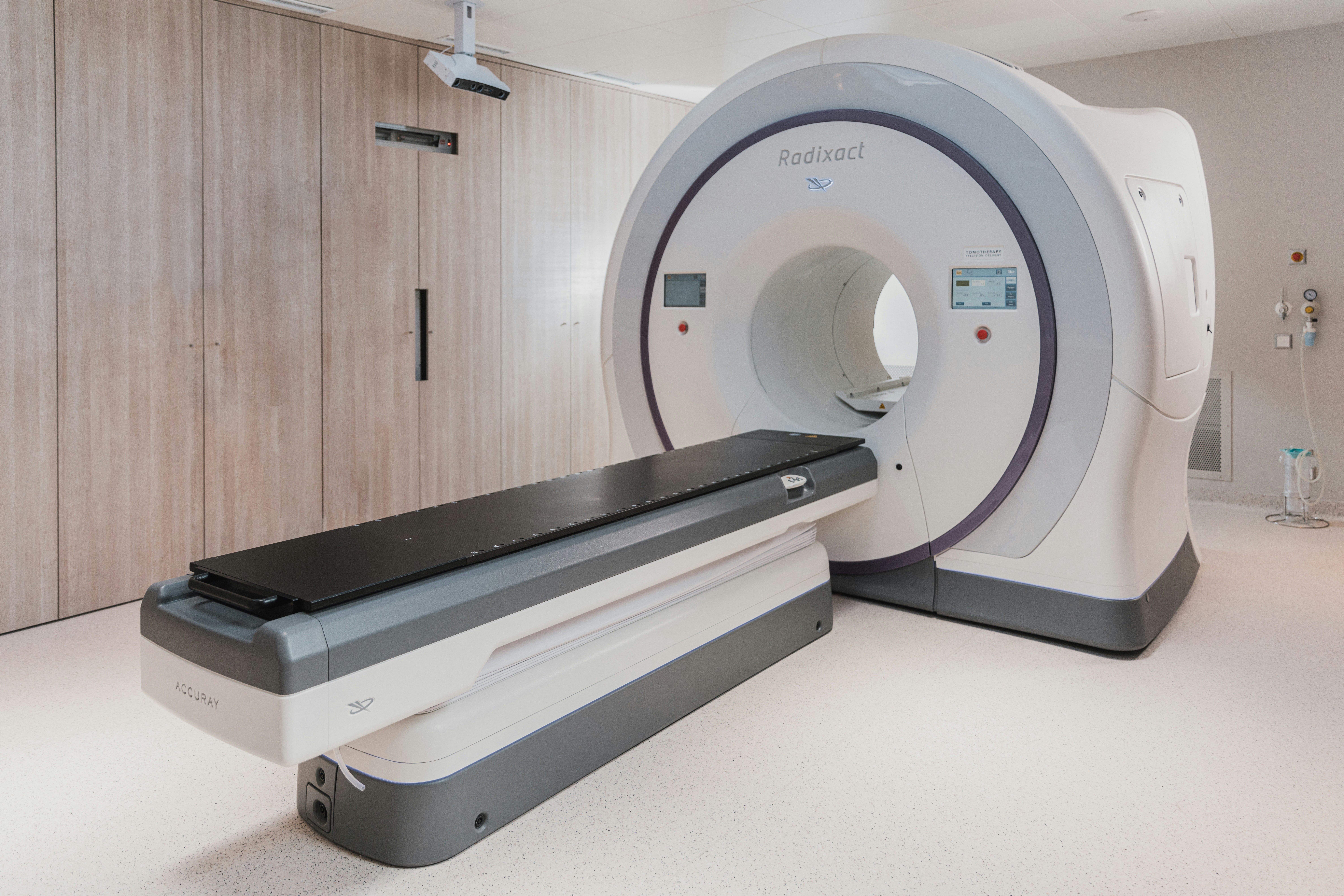
Magnetic resonance imaging (MRI) utilizes magnetic fields and radiofrequency pulses to generate highly detailed images of your pelvic organs. Pelvic MRI is exceptionally skilled at visualizing deep infiltrating endometriosis, mapping lesions in areas like the uterosacral ligaments, bladder, and rectovaginal septum, and assessing the extent of adhesion formation. This detailed anatomical map significantly enhances surgical planning and decision-making.
MRI’s ability to capture images in multiple planes allows clinicians to evaluate lesion size, their signal characteristics, and how they affect surrounding organs, all without requiring invasive procedures. In complex cases where ultrasound findings are inconclusive or when extensive surgical excision is being considered, MRI provides a more precise diagnosis and helps anticipate potential challenges during surgery.
How Does Pelvic MRI Visualize Endometriosis Lesions?
Pelvic MRI highlights endometriotic implants as bright spots on T1-weighted images and areas of signal loss or shading on T2-weighted sequences. It clearly defines the borders of lesions, their depth of infiltration, and whether they involve adjacent structures like the bowel or ureters.
When Is MRI Recommended Over Ultrasound?
MRI is recommended when deep infiltrating endometriosis is suspected after an ultrasound, when disease is likely to affect multiple areas, or before complex surgery. It is particularly beneficial for patients experiencing pain that doesn’t respond to standard treatments or when lesions in the bowel and urinary tract need to be thoroughly assessed.
What Are the Advantages and Limitations of MRI for Endometriosis?
Key advantages include superior visualization of soft tissues, multiplanar imaging capabilities, and the ability to detect a wide range of lesions. Limitations include higher costs, longer scanning times, and variable availability in smaller medical facilities. Factors like claustrophobia or the presence of metal implants may prevent some patients from undergoing an MRI.
Why Is Laparoscopy Considered the Gold Standard for Endometriosis Diagnosis?
Laparoscopy is a minimally invasive surgical procedure that allows for direct visualization of the pelvic cavity and the targeted removal of suspicious lesions. By inserting a camera-equipped laparoscope through small abdominal incisions, surgeons can definitively confirm endometriosis, remove lesions, and collect tissue samples for microscopic examination. This approach serves as both a diagnostic and therapeutic tool, ensuring a conclusive diagnosis and providing immediate relief from symptoms.
Laparoscopy’s ability to identify peritoneal implants, adhesions, and deep infiltrating disease surpasses the accuracy of non-invasive tests. It remains the only method that combines direct visual confirmation with histopathological analysis, offering unparalleled diagnostic certainty. Read more in Effective Endometriosis Tests for Young Women: What to Know.
What Happens During a Laparoscopy for Endometriosis Diagnosis?
Under general anesthesia, small incisions are made in the abdomen to allow for the introduction of carbon dioxide gas and the laparoscope. Surgeons then systematically inspect the pelvic organs, identify any endometriotic implants, remove lesions, and perform procedures to release adhesions.
How Does Biopsy Confirm Endometriosis During Laparoscopy?
Tissue samples are carefully collected from visualized lesions and examined under a microscope to identify endometrial glands and stroma located outside the uterus. This histological confirmation validates the visual findings and guides post-operative care and treatment strategies. You may also find How Is Endometriosis Diagnosed Effectively helpful.
What Are the Diagnostic and Therapeutic Benefits of Laparoscopy?
Laparoscopy provides a definitive diagnosis, alleviates pain through lesion excision, restores normal pelvic anatomy, and can improve fertility outcomes. It also yields tissue samples that can be used for molecular testing and research into new biomarkers.
What Should Patients Expect Before, During, and After Laparoscopy?
Prior to the procedure, patients undergo a pre-operative evaluation, including fasting instructions and a consultation with the anesthesia team. During surgery, you may experience minimal discomfort at the incision sites. Recovery typically involves a short hospital stay, effective pain management, and a gradual return to your normal activities within one to two weeks.
What Are the Emerging Non-Invasive Tests for Endometriosis Diagnosis?

Advances in biomarker research have led to the development of blood tests, such as DotEndo and PromarkerEndo, which can detect specific proteins associated with endometriosis. These tests analyze panels of biomarkers to support earlier, less invasive diagnoses and help monitor treatment effectiveness. Early studies from 2025 indicate promising accuracy rates, offering hope for reducing the reliance on surgical procedures. Read more in Essential Insights on Lab Tests for Endometriosis Detection.
Researchers are also investigating saliva and menstrual fluid tests to identify inflammatory markers and endometrial cells. While these approaches are still in clinical trials, they hold the potential to complement imaging techniques and significantly reduce diagnostic delays.
How Do Blood Tests Like DotEndo and PromarkerEndo Aid Diagnosis?
These blood tests measure unique protein signatures linked to ectopic endometrial activity, demonstrating sensitivities exceeding 80% in recent trials. They provide rapid results and can help prioritize patients for further imaging or specialist referral.
Are Saliva and Menstrual Fluid Tests Available for Endometriosis?
Saliva and menstrual fluid assays are currently still in the research phase, focusing on the analysis of cytokines and cellular markers. Initial data suggest a potential for home-based screening, but larger validation studies are needed.
What Is the Current Status and Availability of These Non-Invasive Tests?
DotEndo and PromarkerEndo are available at select specialized centers, with ongoing clinical trials expanding their accessibility. Widespread adoption will depend on regulatory approvals and their successful integration into standard diagnostic pathways.
How Can Patients Navigate the Endometriosis Diagnostic Journey Effectively?

The average diagnostic delay for endometriosis spans seven to eleven years, often due to symptoms being dismissed as normal or a lack of widespread awareness. You can help shorten this delay by diligently tracking your symptoms, seeking out specialists with expertise in endometriosis care, and requesting targeted imaging early in your evaluation process.
At specialized centers, coordinated protocols seamlessly integrate symptom assessment, advanced imaging techniques, and expedited laparoscopy. This multidisciplinary approach accelerates the diagnostic process and ensures that your treatment plan is aligned with your personal health goals.
Why Does Diagnostic Delay Occur and How Can It Be Reduced?
Delays often arise from symptoms being misattributed, insufficient training on endometriosis in primary care, and inconsistent access to appropriate imaging. Educating healthcare providers and advocating for early specialist referrals can significantly shorten the path to diagnosis.
When Should You See an Endometriosis Specialist?
A referral to an endometriosis specialist is recommended if you experience persistent pelvic pain that doesn’t improve with conventional treatments, have concerns about infertility, or if imaging results suggest the possibility of endometriosis. Specialists offer tailored diagnostic approaches and comprehensive care.
How to Understand and Interpret Your Endometriosis Diagnosis Report?
Your diagnostic report will typically include findings from imaging studies, detailed descriptions of any lesions identified, and the results of any biopsies. Discussing these details thoroughly with your specialist will provide clarity on the extent of your disease, inform your treatment options, and empower you to participate actively in shared decision-making.
How Do Diagnostic Methods Compare: Accuracy, Invasiveness, and What They Detect?
The various diagnostic methods differ in their invasiveness, accuracy, and the types of endometriosis they can detect. The table below provides a summary of their key attributes to help guide the selection of the most appropriate method based on your specific clinical presentation and personal priorities.
What Are the Pros and Cons of Pelvic Exam, Ultrasound, MRI, and Laparoscopy?
A pelvic exam and ultrasound offer a quick initial assessment but might miss superficial lesions. MRI provides more detailed insights for complex cases, while laparoscopy offers definitive confirmation but requires anesthesia and a recovery period.
How Accurate Are Emerging Blood Tests Compared to Traditional Methods?
Emerging blood tests like DotEndo and PromarkerEndo have shown promising accuracy rates, reaching up to 99% in early studies. However, they currently serve as complementary tools rather than replacements for imaging and laparoscopy, pending further validation.
Which Diagnostic Tests Are Best for Different Types of Endometriosis?
Superficial peritoneal implants are often initially suggested by a pelvic exam and ultrasound. Deep infiltrating disease is best mapped with MRI, and ovarian endometriomas are most effectively detected by transvaginal ultrasound. Laparoscopy remains essential for definitive confirmation across all types of endometriosis. Diagnosing endometriosis involves a systematic integration of clinical evaluation, advanced imaging, and surgical assessment. By combining these methods with emerging non-invasive tests and partnering with specialized centers like Endo Excellence Center, you can achieve a faster, more accurate diagnosis and begin a personalized treatment plan without unnecessary delays.