Endometriosis can continue—or even first appear—after menopause, often causing ongoing pelvic pain, bladder or bowel discomfort, and changes in day-to-day function. Thoughtful, evidence-informed lifestyle choices can play an important role in easing symptoms and supporting overall well-being.
This guide explains why endometriosis may persist after menopause, how inflammation and pelvic-floor health interact with hormonal changes, and which non-hormonal strategies are most likely to help. You’ll find practical, realistic guidance on nutrition, movement, stress management, and pelvic-floor care—plus clear indicators for when it’s time to seek specialist evaluation.
The goal is to help you build a safe, sustainable plan that supports comfort, mobility, and confidence while working alongside medical or surgical care when needed.
What Are the Key Symptoms and Diagnosis Challenges of Postmenopausal Endometriosis?
After menopause, endometriosis often presents differently than it does in younger individuals. Instead of symptoms tied to monthly cycles, people are more likely to experience ongoing or newly developed pelvic pain that has no obvious cause. This discomfort may come from lingering areas of endometriosis, low-grade inflammation, or pelvic-floor muscle tension.
Because endometriosis is commonly associated with reproductive-age bleeding, it’s sometimes overlooked in postmenopausal patients. This can delay diagnosis and prolong symptoms. A careful medical history, focused pelvic exam, and appropriate imaging become especially important in this age group. Identifying symptoms early helps guide timely conservative care and prevents long-term changes in bladder, bowel, or sexual function.
Which Symptoms Indicate Endometriosis After Menopause?
Certain symptoms are more suggestive of postmenopausal endometriosis and should prompt evaluation—especially when they are new, worsening, or unexplained:
- New or worsening pelvic pain that disrupts daily activities
- Bowel or bladder changes linked to pelvic discomfort (such as painful bowel movements, constipation that fluctuates, or urinary urgency)
- Unexplained postmenopausal bleeding or spotting
- Deep pain during intercourse or a recurring feeling of pelvic pressure or fullness
These concerns don’t automatically mean endometriosis is present, but they do signal the need for a thorough assessment to determine the most accurate diagnosis and appropriate next steps.
How Is Endometriosis Diagnosed in Postmenopausal Women?
Diagnosis relies on a combination of:
- A detailed medical history to understand symptom patterns
- A focused pelvic exam
- Targeted imaging, usually an ultrasound or pelvic MRI
Imaging may identify areas of concern—such as nodules or tissue that appears stuck together—but small or subtle lesions can still be missed. This is why persistent symptoms deserve continued attention even if early imaging looks normal.
If discomfort continues despite conservative care, or if imaging shows areas that need a closer look, referral to an experienced specialist is recommended.
How Can Diet Help Manage Endometriosis Symptoms After Menopause?
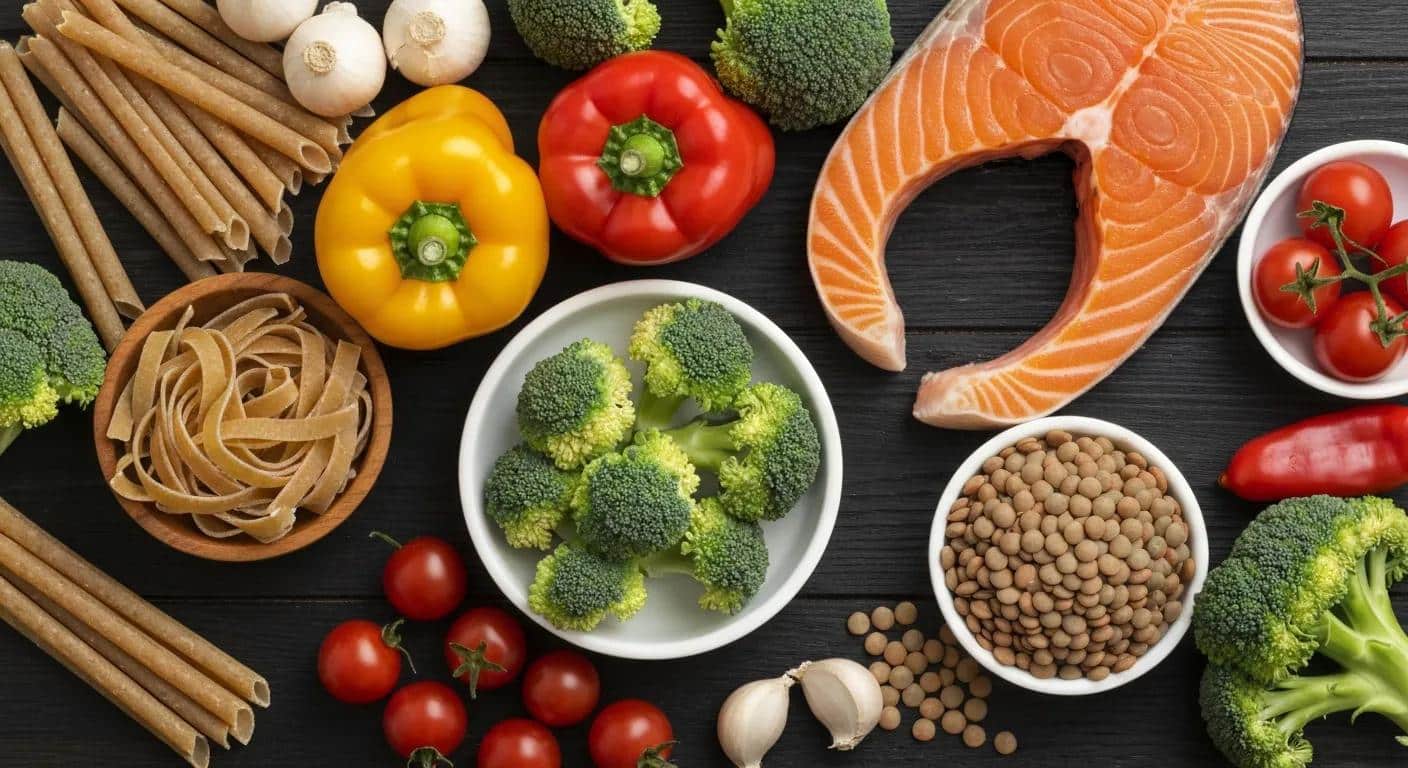
Food choices can meaningfully influence how you feel day to day. Diet affects inflammation, digestion, and overall metabolism—three areas that play a role in pelvic comfort after menopause. An anti-inflammatory eating pattern is a low-risk, supportive approach that benefits most people and can help ease symptoms over time.
Focusing on whole foods, omega-3–rich sources, colorful vegetables, and plenty of fiber supports steadier energy, healthier digestion, and more balanced immune responses as hormone levels shift. Small, consistent changes tend to be more effective and sustainable than strict or restrictive plans.
Before adding supplements or making major dietary changes, it’s always a good idea to discuss potential interactions with HRT or other medications with your clinician.
Helpful Foods and Supplements for Postmenopausal Endometriosis
These choices offer simple ways to incorporate nutrients that may support pelvic comfort and overall health.
What Are the Principles of an Anti-Inflammatory Diet for Endometriosis Relief?
An anti-inflammatory eating pattern is centered around:
- Whole, minimally processed foods
- Regular omega-3 intake
- Colorful fruits and vegetables rich in antioxidants
- Fiber from whole grains, legumes, nuts, and seeds
Cutting back on refined sugars, trans fats, and overly processed foods can help reduce inflammation that may aggravate pelvic pain.
Balancing protein, healthy fats, and complex carbohydrates also supports stable blood sugar and helps maintain muscle mass—an important part of staying strong and active after menopause. For more detail, see our article Key Insights on Endometriosis for Women Post-Menopause.
Simple guiding principles:
- Include omega-3s several times per week
- Choose plant-forward meals when possible
- Replace refined grains with whole grains
- Limit processed foods and excess alcohol
Which Foods Should Be Avoided or Included for Postmenopausal Endometriosis?
To make meal planning easier, here are practical choices to guide your routine:
Include more of:
- Fatty fish (salmon, sardines, mackerel)
- Leafy greens and colorful vegetables
- Berries and other antioxidant-rich fruits
- Nuts, seeds, and olive oil
- Whole grains such as oats, brown rice, and quinoa
Limit or reduce:
- Processed meats
- High-sugar snacks and desserts
- Excess alcohol
- Foods containing trans fats or heavily processed oils
Because everyone’s body responds differently, a food-symptom diary can help you recognize personal triggers and identify foods that support comfort and digestion. If certain foods consistently worsen symptoms, consider a brief, guided elimination trial with a clinician or dietitian to personalize your plan safely.
What Exercise and Physical Activities Are Best for Endometriosis Pain Post-Menopause?

The right types of movement can make a meaningful difference in managing endometriosis symptoms after menopause. Gentle, pelvic-friendly exercise helps reduce pain sensitivity, supports core and pelvic stability, and boosts mood and sleep—factors that often become more important as the body adjusts to hormonal changes. You may also find Understanding Endometriosis Symptoms in Menopause – A Guide helpful.
A balanced routine typically includes low-impact aerobic exercise, light strength training, and flexibility or mobility work. Pelvic-floor physical therapy can be especially helpful when muscle tension or coordination issues contribute to pelvic, bladder, or bowel discomfort. Progressing gradually helps prevent flares and supports recovery.
Below is a simple guide to help you choose activities and plan your week.
Exercise Types and Recommended Frequency
This balanced approach supports endurance, mobility, and pelvic health in a gentle, sustainable way.
Which Low-Impact Exercises Help Ease Pelvic Pain After Menopause?
Low-impact movement is often the safest and most effective starting point. Options include:
- Brisk walking
- Swimming or water aerobics
- Stationary cycling
- Pilates
These activities help increase circulation and reduce pain sensitivity without putting stress on the pelvis. Aim for 20–40 minutes on most days, adjusting as needed based on comfort. Adding light resistance training two to three times per week—using bands or bodyweight—helps protect muscle and bone strength after menopause. For more detail, see our article How Can Nutrition Support Endometriosis in Menopause.
Start slowly, focus on consistency, and use your symptoms as feedback. If pain or pelvic pressure increases, scale back the pace or duration.
How Do Yoga and Pelvic-Floor Therapy Support Endometriosis Relief?
Yoga and pelvic-floor therapy offer complementary benefits that can be especially meaningful after menopause. For more detail, see our article How Menopause Changes Endometriosis: Key Insights Unveiled.
Yoga
Yoga combines gentle stretching, breathwork, and relaxation—an approach that can:
- Calm the nervous system
- Reduce muscle tension
- Improve pelvic mobility
- Support emotional well-being
Restorative or gentle yoga styles are often best for pelvic comfort.
Pelvic-Floor Physical Therapy
Pelvic-floor therapy can address common contributors to postmenopausal pelvic pain, including muscle tightness, tender areas, and coordination issues. Therapists may use:
- Gentle manual techniques
- Biofeedback
- Breath-centered exercises
- Targeted retraining movements
These methods can ease pelvic, bladder, and bowel symptoms and help restore comfortable movement during daily activities.
If muscle tension or pelvic pain is ongoing, a referral to a pelvic-floor specialist can provide personalized relief and complement your other lifestyle strategies
What Non-Hormonal Lifestyle Treatments Support Endometriosis Management After Menopause?
Non-hormonal strategies include stress reduction, cognitive therapies, physical treatments, and targeted approaches that ease symptoms without adding hormones—a helpful option for many people after menopause. Mind–body techniques can reduce heightened pain sensitivity and improve coping, while heat, TENS, and gentle manual therapies offer relief for localized discomfort. Clear guidance about when to elevate care helps patients and clinicians know when lifestyle strategies are no longer enough and when medical or procedural options should be considered. We cover this further in Manage Chronic Pain: Mindfulness Techniques After Menopause.
If non-hormonal measures aren’t sufficiently controlling symptoms—or if imaging suggests areas that may need closer evaluation—a specialist review and possible excision surgery may be appropriate. Any treatment decision should blend clinical expertise with individualized planning.
Below is a comparison of common non-hormonal interventions, how they work, and realistic expectations for benefit and timing.
This table helps match non-hormonal treatments with personal goals and realistic timelines for improvement.
How Does Stress Management Improve Emotional Well-Being and Pain?
Stress management helps reduce the nervous system’s heightened response to pain by lowering tension, improving mood, and supporting better sleep. These changes can make pelvic pain feel less intense and improve day-to-day functioning. Mindfulness practices, paced breathing, sleep-supportive routines, and CBT all show consistent benefits in chronic pelvic pain research.
Start with brief daily mindfulness or simple breathing exercises, schedule time for restorative activities, and address sleep concerns early. If emotional distress or unhelpful pain-coping patterns continue, a referral to a psychologist or pain specialist for structured CBT or interdisciplinary care can further strengthen progress.
When Should You Consider Medical Treatments Like Excision Surgery Post-Menopause?
Consider specialist evaluation—and possibly excision surgery—when significant pain continues despite well-implemented lifestyle approaches, pelvic-floor therapy, and other non-hormonal treatments, or when imaging shows areas that may need surgical attention. Excision can remove problematic lesions and areas of tissue adhesions, which may improve pain and support organ function, but it does involve surgical risks and should be performed by highly experienced, multidisciplinary teams.
Frequently Asked Questions
What lifestyle changes can help manage endometriosis symptoms after menopause?
Several gentle, low-risk habits can ease postmenopausal endometriosis symptoms. Helpful steps include an anti-inflammatory eating pattern rich in omega-3s and colorful produce, regular low-impact exercise, and stress-management practices such as mindfulness or gentle yoga. Pelvic-floor therapy can also address muscle tension that contributes to pelvic pain. Together, these approaches support both physical comfort and emotional resilience.
How can I track my symptoms to identify triggers related to endometriosis?
A symptom diary is a simple but powerful tool. Track your daily meals, activities, pain levels, bowel and bladder changes, sleep quality, and stress. Over time, patterns often emerge that help you and your clinician personalize diet, exercise, and treatment strategies to reduce flare triggers and improve daily function.
Are there specific supplements that can support endometriosis management after menopause?
Some supplements—such as omega-3 fatty acids, vitamin D, and magnesium—may offer supportive benefits due to their anti-inflammatory or calming effects on the nervous system. Always check with your healthcare provider first, especially if you’re using HRT or other medications, so dosing and potential interactions can be reviewed and your plan can be individualized.
What role does pelvic-floor therapy play in managing endometriosis symptoms?
Pelvic-floor therapy can be highly beneficial, as pelvic-floor muscle tension often overlaps with endometriosis pain. Therapists use gentle manual techniques, biofeedback, and tailored exercises to reduce tension, improve coordination, and restore pelvic stability. Many patients experience meaningful improvements in pelvic, bladder, bowel, and sexual comfort when pelvic-floor therapy is included in their care plan.
How can stress-management techniques impact endometriosis symptoms?
Stress-management practices help calm the nervous system and reduce sensitivity to pain. Techniques such as mindfulness, breathing exercises, and CBT can improve sleep, lower anxiety, and help people better cope with chronic pelvic pain. Consistent use of these tools often leads to improved daily functioning and fewer symptom flares.
When should I seek specialized care for endometriosis after menopause?
Seek a specialist evaluation if pain remains severe despite lifestyle and non-hormonal treatments, if imaging shows areas that need closer review, or if bladder or bowel symptoms significantly affect daily life. Early specialist involvement can help prevent complications and guide the next steps—whether continuing conservative care or considering surgical options.
Conclusion
Meaningful relief from postmenopausal endometriosis often begins with practical, low-risk lifestyle strategies: an anti-inflammatory diet, regular low-impact exercise, pelvic-floor care, and effective stress management. These habits can improve pain, mobility, and overall well-being.
If symptoms persist despite your best efforts, a specialist evaluation and expert excision may offer additional answers and relief. Small, consistent steps—combined with the right support—can lead to significant improvement over time.