
Endometriosis causes chronic pelvic pain and hormonal imbalance, affecting daily life and emotional well-being. Yoga offers a gentle, holistic approach to pain management, stress reduction, and improved pelvic health. This article examines the benefits of yoga for endometriosis, effective poses, ways to tailor practice, scientific evidence, and specialized programs. With practical tips and expert insights, women with endometriosis can discover how targeted yoga routines may complement traditional treatments and help manage symptoms effectively. Read on to explore how yoga can transform endometriosis care. For more detail, see our article Comprehensive Stress Management Techniques for Endometriosis.
Key Takeaways
- Yoga can help manage endometriosis pain and improve emotional well-being by reducing stress.
- Specific yoga poses support pelvic floor health and enhance overall body flexibility.
- Tailored yoga practices, combined with holistic therapies, may improve fertility and reproductive health.
- Scientific studies support the use of yoga to improve quality of life for endometriosis patients.
- Specialized programs and expert consultations can guide women toward safe and effective yoga routines.
What Are the Key Benefits of Yoga for Endometriosis Relief?

Yoga offers a natural treatment option by easing inflammation, alleviating pain, and promoting relaxation. It reduces muscle tension and cramping through gentle stretching and mindful breathing. A balanced nervous system resulting from yoga can lower stress levels, improve digestion, and enhance sleep. Regular practice may decrease cortisol levels and boost endorphin production, thereby reducing pain perception and improving mood.
How Does Yoga Help Manage Endometriosis Pain?
By using slow, deliberate movements and deep breathing, yoga minimizes tension in the pelvic region. Activating the parasympathetic nervous system helps lessen pain signals and reduce menstrual cramps, providing a non-pharmaceutical alternative for managing pain.
Can Yoga Reduce Stress and Improve Emotional Well-Being in Endometriosis?
Yes, yoga regulates cortisol levels and encourages mindfulness. This focused practice enhances emotional resilience and helps individuals better manage the psychological impact of endometriosis.
What Role Does Yoga Play in Enhancing Pelvic Floor Health?
Yoga strengthens and stretches the pelvic muscles, easing pain and discomfort. Specific poses increase blood flow, improve flexibility, and support long-term muscle tone, which may alleviate menstrual discomfort and improve urinary function.
Which Yoga Poses Are Most Effective for Endometriosis Symptoms?
Certain yoga poses can relieve endometriosis symptoms by targeting the pelvic area. Gentle asanas improve circulation, reduce inflammation, and support pelvic health when practiced regularly.
What Are the Best Gentle Yoga Poses for Pelvic Pain Relief?
Effective poses include Supta Baddha Konasana (Reclined Bound Angle Pose) for hip opening, Balasana (Child’s Pose) for calming the mind, and Viparita Karani (Legs-Up-the-Wall Pose) for reducing pelvic congestion. These poses promote deep relaxation and improve blood flow in the lower abdomen.
How Do Restorative Yoga Poses Support Endometriosis Recovery?
Restorative yoga uses props and extended holds to allow deep relaxation without strain. Poses like Supported Bridge Pose and Legs-Up-the-Wall ease muscle tension while helping to balance the nervous system and support the body’s healing processes.
Are There Yoga Poses to Avoid With Endometriosis?
Intense or deep-twist poses may strain the pelvic region and increase pain. It is important to avoid aggressive inversions or any pose that causes discomfort and to modify poses based on personal limits, ideally with professional guidance.
How Should Yoga Practices Be Tailored for Endometriosis Support?
Yoga routines for endometriosis should be personalized according to individual symptoms and energy levels. A gentle approach focused on breath and mindful movement is vital, and modifications may involve using props like blocks or bolsters and incorporating restorative sequences after more active practice.
What Is the Ideal Yoga Routine Frequency and Duration?
A routine of 3–5 sessions per week lasting 30–60 minutes is recommended. Consistent practice builds strength and flexibility while minimizing flare-ups, and balancing active and restorative poses can lead to longer-term improvements.
How Can Yoga Be Modified for Different Stages of Endometriosis?
During acute phases, gentle restorative poses and light stretches are best, while milder periods may allow for a mix of core-strengthening and flexibility routines. Adjusting intensity on painful days and gradually increasing effort over time are key.
Should Yoga Be Combined With Other Holistic Therapies?
Yes, integrating yoga with meditation, acupuncture, or nutritional guidance can have synergistic benefits. An integrated approach addresses both the physical and emotional aspects of endometriosis, complementing conventional medical treatments.
How Can Women Access Specialized Yoga Programs for Endometriosis?

Women can benefit from specialized yoga programs led by instructors experienced in pelvic health. These programs often include modified postures, guided breathing, and meditative practices tailored for pain relief and stress reduction, and are accessible through local wellness centers or online platforms.
What Features Should You Look for in an Endometriosis Yoga Program?
Effective programs offer gentle, customizable sequences with clear modification instructions. Look for experienced instructors who emphasize pelvic floor health and mindfulness, and consider programs with positive testimonials and research backing.
How Do Online Yoga Classes Support Women With Endometriosis?
Online classes provide flexibility and accessibility for those unable to attend in-person sessions due to pain. They allow women to practice at home while receiving expert guidance and support from a virtual community. We cover this further in Transform Your Diet to Alleviate Endometriosis Pain.
Where Can You Find Expert Consultations and Community Support?
Specialized yoga studios, holistic wellness centers, and professional platforms offer consultations. Social media groups and dedicated websites also serve as valuable resources for sharing experiences and receiving peer-reviewed recommendations.
What Are Common Challenges When Practicing Yoga for Endometriosis?
Challenges include managing pain flare-ups, maintaining consistency, and avoiding overexertion. Many women struggle with balancing activity and rest during symptomatic periods, making proper guidance essential for a sustainable practice.
How to Manage Pain Flare-Ups During Yoga Practice?
During flare-ups, modify poses and use props to minimize pelvic strain. Gentle, restorative poses paired with diaphragmatic breathing can help ease pain, and it is crucial to listen to your body and adjust the intensity of each session.
What Are Tips for Staying Consistent With Yoga Despite Symptoms?
Flexibility in routine, short sessions, and mindfulness practices can maintain consistency. Setting realistic goals, tracking progress, and seeking specialist support often help sustain regular practice even on challenging days.
How to Listen to Your Body and Avoid Overexertion?
Pay attention to pain signals and practice self-compassion by avoiding poses that cause discomfort. Incorporate rest days and gradually increase session intensity to ensure yoga remains supportive rather than stressful.
How Does Yoga Support Fertility and Reproductive Health in Endometriosis?
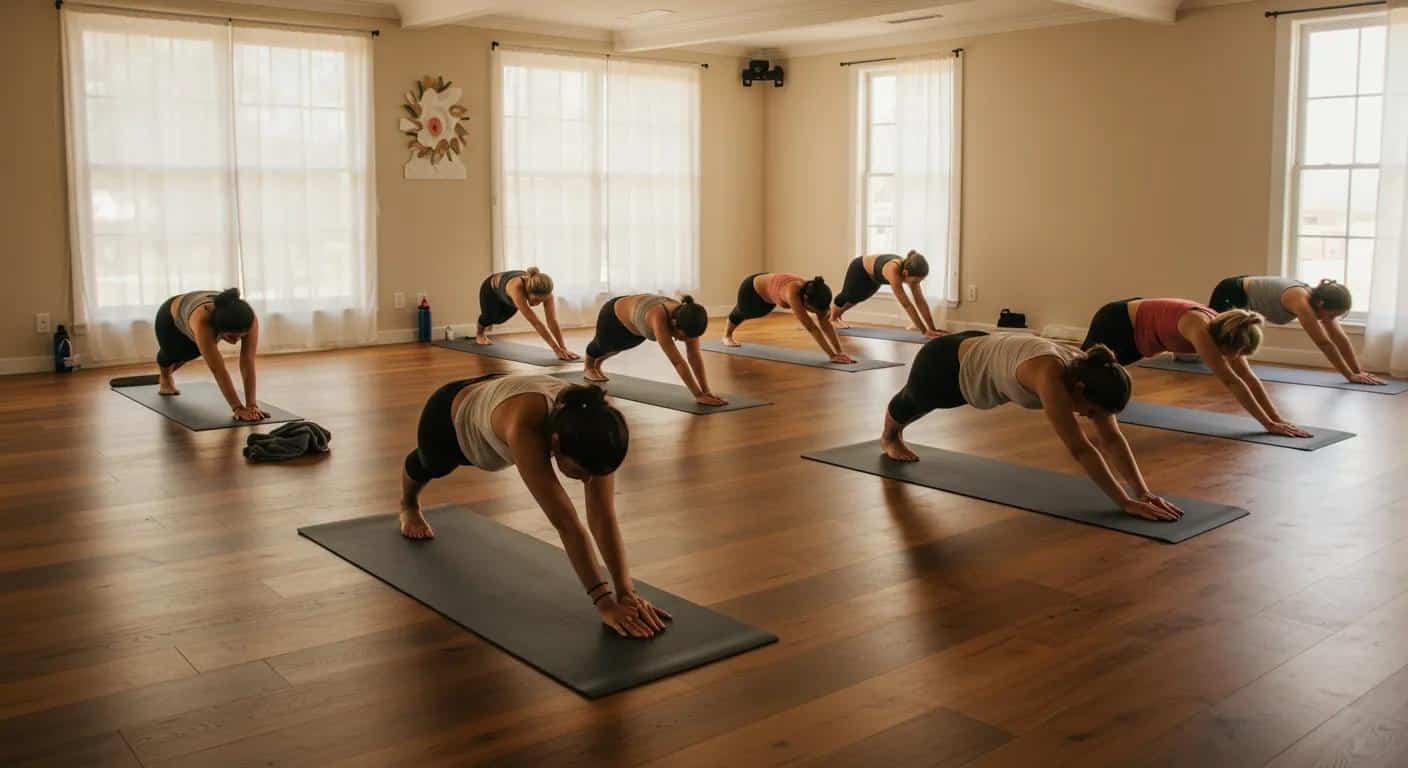
Yoga may benefit fertility by reducing stress, balancing hormones, and enhancing pelvic circulation—factors that contribute to a healthy environment for ovulation and conception. Gentle movements and relaxation techniques can improve hormonal balance and alleviate reproductive challenges.
Can Yoga Improve Fertility Outcomes for Women With Endometriosis?
Regular practice can enhance blood flow to reproductive organs and may help regulate hormonal imbalances, potentially supporting better fertility outcomes.
Which Yoga Practices Enhance Hormonal Balance and Reproductive Wellness?
Poses like Matsyendrasana (Seated Twist) and Balasana (Child’s Pose), along with diaphragmatic breathing, support abdominal organs and hormonal balance. These practices can create a conducive atmosphere for fertility and healthy menstrual cycles.
How to Integrate Yoga With Medical Fertility Treatments?
Yoga can complement fertility treatments by reducing stress and promoting relaxation. Collaboration between healthcare providers and yoga therapists ensures the practice safely aligns with treatment protocols and helps reduce overall anxiety.
Frequently Asked Questions
Can yoga cure endometriosis?
No, yoga cannot cure endometriosis. However, it can help reduce symptoms such as pelvic pain, tension, and stress. It works best when used alongside conventional medical treatment.
How long does it take to notice benefits from yoga?
Many people begin to notice reduced pain and improved emotional well-being within 6 to 12 weeks of consistent practice. Results vary based on the severity of symptoms and how often yoga is practiced.
Is it safe to do yoga during an endometriosis flare-up?
Yes—gentle, restorative yoga poses can be safe and helpful during flare-ups. The key is to avoid intense stretches or movements that increase discomfort and to listen closely to your body’s signals.
Do I need special props or equipment?
A supportive yoga mat is helpful. Props like bolsters, blocks, and straps can make poses more accessible and comfortable, especially for pelvic floor support and relaxation techniques. To discuss your situation with a specialist, schedule an appointment at our center.
Can I practice endometriosis-friendly yoga online?
Absolutely. Many online programs offer gentle, guided sessions designed for pelvic health and chronic pain. Look for instructors with experience in therapeutic or restorative yoga styles.
Final Thoughts
In summary, yoga is a beneficial complementary practice for managing endometriosis by alleviating pain, reducing stress, and enhancing pelvic health. Tailoring routines to individual symptom severity and integrating expert-guided sessions with conventional treatments can significantly improve quality of life. Embracing a holistic approach empowers women to better manage endometriosis and pursue overall wellness with confidence.