
Endometriosis can affect fertility and pregnancy planning, but many patients with endometriosis go on to have healthy pregnancies. During pregnancy, symptoms may improve for some patients, while others may continue to experience pelvic pain, scar-tissue-related discomfort, or symptoms from overlapping conditions. Because each patient’s history is different, care should be individualized and coordinated with the patient’s OB-GYN.
Pregnancy with endometriosis may require additional attention in certain cases, especially for patients with a history of deep infiltrating endometriosis, prior endometriosis surgery, infertility treatment, adenomyosis, recurrent pregnancy loss, ectopic pregnancy, or significant pelvic adhesions. Some studies have linked endometriosis with higher risks of complications such as ectopic pregnancy, miscarriage, preterm birth, placenta-related complications, and cesarean delivery, but individual risk varies.
This guide explains how endometriosis may affect pregnancy, which symptoms should be discussed with your healthcare provider, how pain may be managed safely, and why postpartum endometriosis planning is important.
Important: This article is for education only and does not replace care from your OB-GYN, maternal-fetal medicine specialist, or pregnancy care team. During pregnancy, contact your healthcare provider promptly for bleeding, severe or worsening abdominal or pelvic pain, fever, persistent vomiting, dizziness, fainting, leaking fluid, regular contractions, chest pain, shortness of breath, decreased fetal movement after viability, or any symptom that feels urgent. Do not start, stop, or change medications, supplements, herbal products, exercise routines, physical therapy, or complementary therapies during pregnancy without medical guidance.
Can You Have a Healthy Pregnancy With Endometriosis?
Yes. Many patients with endometriosis have healthy pregnancies and deliver healthy babies. Having endometriosis does not automatically mean pregnancy will be complicated, but it does make it important to share your full medical history with your OB-GYN so your care can be tailored to your individual risk factors. Endometriosis can vary widely from patient to patient. Someone with mild disease and no prior fertility issues may need routine prenatal care, while someone with deep infiltrating endometriosis, adenomyosis, prior pelvic surgery, infertility treatment, or a history of pregnancy complications may need closer monitoring. The goal is not to create unnecessary worry, but to make sure your pregnancy care team has the information needed to support both maternal and fetal health.
Why Many Patients Do Well During Pregnancy
Pregnancy changes the hormonal environment in the body. For some patients, this may temporarily reduce endometriosis-related symptoms, especially symptoms that were closely tied to menstrual cycles. Since periods stop during pregnancy, some patients notice less cyclical pelvic pain, bowel pain, or menstrual-related symptom flares. However, pregnancy does not cure endometriosis. Symptoms may return after delivery, after breastfeeding changes, or when menstrual cycles resume. Some patients may also continue to experience pain during pregnancy from adhesions, prior surgery, pelvic floor dysfunction, bowel involvement, bladder symptoms, or pregnancy-related stretching and pressure.
Why Some Pregnancies Need Closer Monitoring
Some patients with endometriosis may benefit from additional monitoring during pregnancy depending on their medical history. This may be more likely if the patient has deep infiltrating endometriosis, adenomyosis, prior endometriosis surgery, recurrent pregnancy loss, prior ectopic pregnancy, infertility treatment, significant pelvic adhesions, or other health conditions. Research has associated endometriosis with higher rates of some pregnancy complications, including ectopic pregnancy, miscarriage, preterm birth, placenta-related complications, and cesarean delivery. These associations do not mean every patient with endometriosis will experience complications. They simply mean that pregnancy care should be individualized and that symptoms or warning signs should be taken seriously.
When to Involve Maternal-Fetal Medicine
A maternal-fetal medicine specialist, sometimes called an MFM or high-risk pregnancy specialist, may be recommended when a patient has additional risk factors that require more detailed monitoring. This may include a history of significant pregnancy complications, complex medical conditions, placenta concerns, recurrent pregnancy loss, prior preterm birth, or complicated pelvic surgical history. Not every patient with endometriosis needs maternal-fetal medicine care. For many patients, an OB-GYN can provide appropriate prenatal care. If additional expertise is needed, the OB-GYN can help coordinate referral and monitoring based on the patient’s pregnancy history, imaging findings, symptoms, and overall health.
How Endometriosis May Affect Early Pregnancy
Early pregnancy can bring understandable concern for patients with a history of endometriosis, especially if they experienced infertility, prior pregnancy loss, ectopic pregnancy, or pelvic surgery before conceiving. While many patients with endometriosis have uncomplicated early pregnancies, it is important to stay closely connected with the OB-GYN or pregnancy care team during the first trimester. Some early pregnancy symptoms, such as mild cramping, bloating, fatigue, nausea, and breast tenderness, can be normal. However, severe pain, heavy bleeding, shoulder pain, dizziness, fainting, or one-sided pelvic pain should be evaluated promptly because these symptoms may indicate a pregnancy complication or another urgent condition.
Endometriosis and Ectopic Pregnancy Risk
An ectopic pregnancy occurs when a pregnancy implants outside the uterus, most commonly in the fallopian tube. Endometriosis has been associated with a higher risk of ectopic pregnancy, especially when there is tubal disease, pelvic adhesions, prior pelvic infection, prior ectopic pregnancy, or a history of infertility treatment. Early confirmation of pregnancy location may be recommended for patients with risk factors. This may involve bloodwork to follow pregnancy hormone levels and ultrasound when the pregnancy is far enough along to be seen. Patients should seek urgent care for severe one-sided pelvic pain, shoulder pain, dizziness, fainting, or heavy bleeding.
Miscarriage Risk: What the Research Suggests
Some studies have found an association between endometriosis and a higher risk of miscarriage, but this does not mean miscarriage is inevitable or that every patient with endometriosis is high risk. Individual risk depends on many factors, including age, prior pregnancy history, adenomyosis, other medical conditions, embryo factors, and whether assisted reproduction was used. Patients with a history of recurrent pregnancy loss, infertility, adenomyosis, or complex endometriosis may benefit from closer follow-up during early pregnancy. Any bleeding, worsening pain, fever, or concerning symptoms should be discussed with the pregnancy care team.
Early Pregnancy Symptoms That Need Prompt Care
Contact your OB-GYN or seek urgent medical care if you experience:
- Heavy bleeding or passing clots
- Severe or worsening abdominal or pelvic pain
- One-sided pelvic pain
- Shoulder pain with dizziness or weakness
- Fainting or feeling like you may pass out
- Fever or chills
- Persistent vomiting or signs of dehydration
- Chest pain or shortness of breath
- Pain that feels different from your usual endometriosis symptoms
These symptoms may have causes unrelated to endometriosis and should not be managed at home without medical guidance.
Medication and Supplement Safety in the First Trimester
Medication safety is especially important in the first trimester. Patients should not start, stop, or change prescription medications, over-the-counter pain relievers, supplements, herbal products, or fertility-related medications without guidance from their OB-GYN or pregnancy care team.
Some endometriosis medications, including hormonal suppression therapies, are not used during pregnancy. If pregnancy occurs while taking medication for endometriosis, contact your healthcare provider promptly for individualized instructions. Pain relief options should also be reviewed with the pregnancy care team, since some medications may not be appropriate during certain stages of pregnancy.
Managing Endometriosis Symptoms During Pregnancy
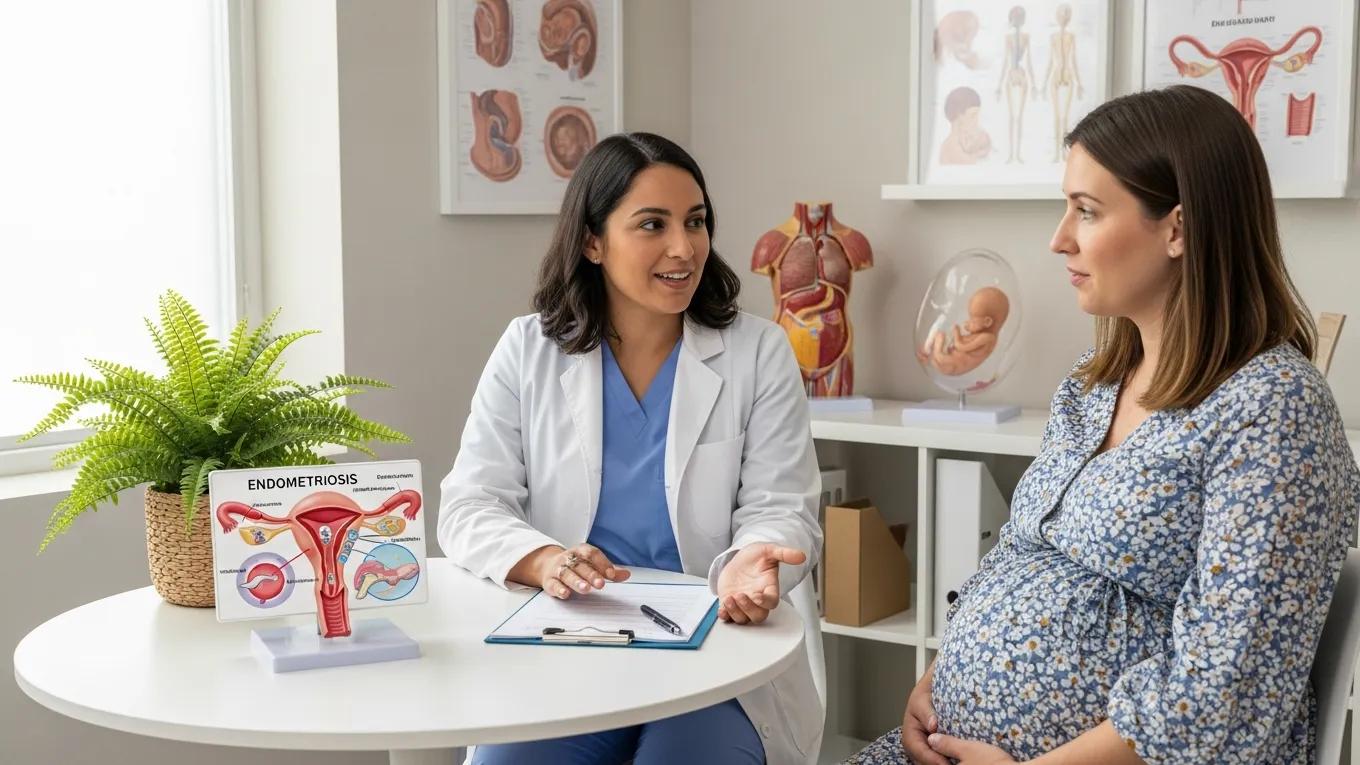
Endometriosis symptoms can change during pregnancy. Some patients notice improvement because menstrual cycles stop, while others continue to have pelvic pain, bowel discomfort, bladder symptoms, back pain, or pain related to adhesions and prior surgery. Pregnancy itself can also create new discomfort as the uterus grows and places pressure on the pelvis, abdomen, bladder, bowel, hips, and lower back. Because pain during pregnancy can have many causes, new, severe, or worsening symptoms should always be discussed with the OB-GYN or pregnancy care team. The safest approach is to manage symptoms with guidance from clinicians who understand both pregnancy and the patient’s endometriosis history.
Why Symptoms May Improve, Persist, or Change
For some patients, pregnancy reduces endometriosis-related flares because hormonal cycling and menstrual bleeding stop. Symptoms that previously worsened around a period may become less frequent or less intense during pregnancy. However, pregnancy does not cure endometriosis. Pain may persist if there are adhesions, deep infiltrating endometriosis, bowel or bladder involvement, pelvic floor dysfunction, nerve irritation, or scar tissue from prior surgeries. As pregnancy progresses, stretching ligaments, pelvic pressure, constipation, posture changes, and musculoskeletal strain can also contribute to pain.
Pregnancy-Safe Pain Management Starts With Your OB-GYN
Pain management during pregnancy should be individualized and approved by the patient’s OB-GYN or pregnancy care team. Patients should not assume that medications, supplements, herbal products, topical treatments, or complementary therapies are safe simply because they are available over the counter. Depending on the patient’s symptoms and pregnancy, the care team may recommend pregnancy-safe pain relief options, positioning strategies, heat or cold therapy, gentle movement, hydration, constipation management, rest, pelvic support garments, or referral to a pregnancy-trained pelvic physical therapist. Medication choices should always be reviewed with the pregnancy care team because safety may depend on the trimester, dose, medical history, and pregnancy-specific risk factors.
Pelvic Physical Therapy and Movement Modifications
Pelvic physical therapy may help some pregnant patients manage pelvic pain, low back pain, hip pain, pelvic floor tension, painful bowel movements, bladder symptoms, or discomfort related to scar tissue and posture changes. During pregnancy, therapy should be provided by a clinician experienced in prenatal care. Movement modifications may also help reduce strain on the pelvis and abdomen. This can include changing sleep positions, using pillows for support, modifying exercise routines, avoiding activities that trigger pain, and learning safer ways to bend, lift, or transition between positions. Any exercise or physical therapy plan should be cleared by the pregnancy care team.
Mental Health and Stress Support
Pregnancy can be emotionally complex for patients with endometriosis, especially if the path to pregnancy involved infertility treatment, prior pregnancy loss, chronic pain, surgery, or delayed diagnosis. Even when the pregnancy is progressing well, patients may feel anxious about symptoms, miscarriage risk, delivery planning, or whether endometriosis will return after birth.
Mental health support can be an important part of care. Counseling, support groups, mindfulness practices, rest planning, and open communication with the pregnancy care team may help patients manage stress and feel more supported. Patients should seek prompt help if anxiety, depression, panic symptoms, or intrusive worries begin interfering with sleep, eating, daily function, or prenatal care.
Second and Third Trimester Considerations
As pregnancy progresses, patients with endometriosis may notice that symptoms continue to change. Some discomfort may come from normal pregnancy-related changes, such as uterine growth, ligament stretching, constipation, pelvic pressure, or changes in posture. Other symptoms may be related to adhesions, prior surgery, deep endometriosis, pelvic floor dysfunction, or overlapping bowel and bladder conditions. Because it can be difficult to tell the difference between expected pregnancy discomfort and symptoms that require medical attention, patients should keep their OB-GYN informed about new, persistent, or worsening pain. This is especially important if symptoms are severe, one-sided, associated with bleeding, or different from the patient’s usual pattern.
Pelvic Pain, Back Pain, and Adhesion-Related Discomfort
Pelvic pain, low back pain, hip pain, and abdominal pulling sensations may become more noticeable in the second and third trimesters as the uterus grows. Patients with prior endometriosis surgery, pelvic adhesions, or deep infiltrating endometriosis may experience discomfort from tissue stretching, scar tissue tension, constipation, or pressure on nearby organs. Pain should not automatically be assumed to be endometriosis. Round ligament pain, urinary tract infection, kidney stones, contractions, placental problems, appendicitis, bowel obstruction, and other conditions can also cause abdominal or pelvic pain during pregnancy. Severe, persistent, or worsening pain should be evaluated promptly.
Monitoring for Preterm Labor Symptoms
Endometriosis has been associated in some studies with an increased risk of preterm birth, although individual risk varies. Patients should understand the warning signs of preterm labor and contact their OB-GYN or labor and delivery unit if symptoms occur before 37 weeks.
Possible signs of preterm labor include regular contractions, pelvic pressure, low backache, abdominal cramping, leaking fluid, vaginal bleeding, or a noticeable change in vaginal discharge. These symptoms can occur for reasons unrelated to endometriosis, but they should be taken seriously during pregnancy.
Placenta-Related Complications and Ultrasound Follow-Up
Some research has linked endometriosis with a higher risk of placenta-related complications, including placenta previa. Placenta previa occurs when the placenta covers or lies close to the cervix, which can increase the risk of bleeding and may affect delivery planning.
If placenta location or fetal growth requires follow-up, the OB-GYN may recommend additional ultrasound monitoring. Patients should promptly report vaginal bleeding, severe abdominal pain, contractions, leaking fluid, or decreased fetal movement later in pregnancy.
Fetal Movement, Bleeding, and Other Warning Signs
In the third trimester, patients should follow their OB-GYN’s guidance on fetal movement awareness. A noticeable decrease in fetal movement after viability should be reported promptly.
Patients should also contact their pregnancy care team or seek urgent care for vaginal bleeding, leaking fluid, regular contractions, severe headache, vision changes, chest pain, shortness of breath, fainting, fever, persistent vomiting, severe abdominal pain, or symptoms that feel urgent. These warning signs should not be attributed to endometriosis without medical evaluation.
Delivery Planning With Endometriosis
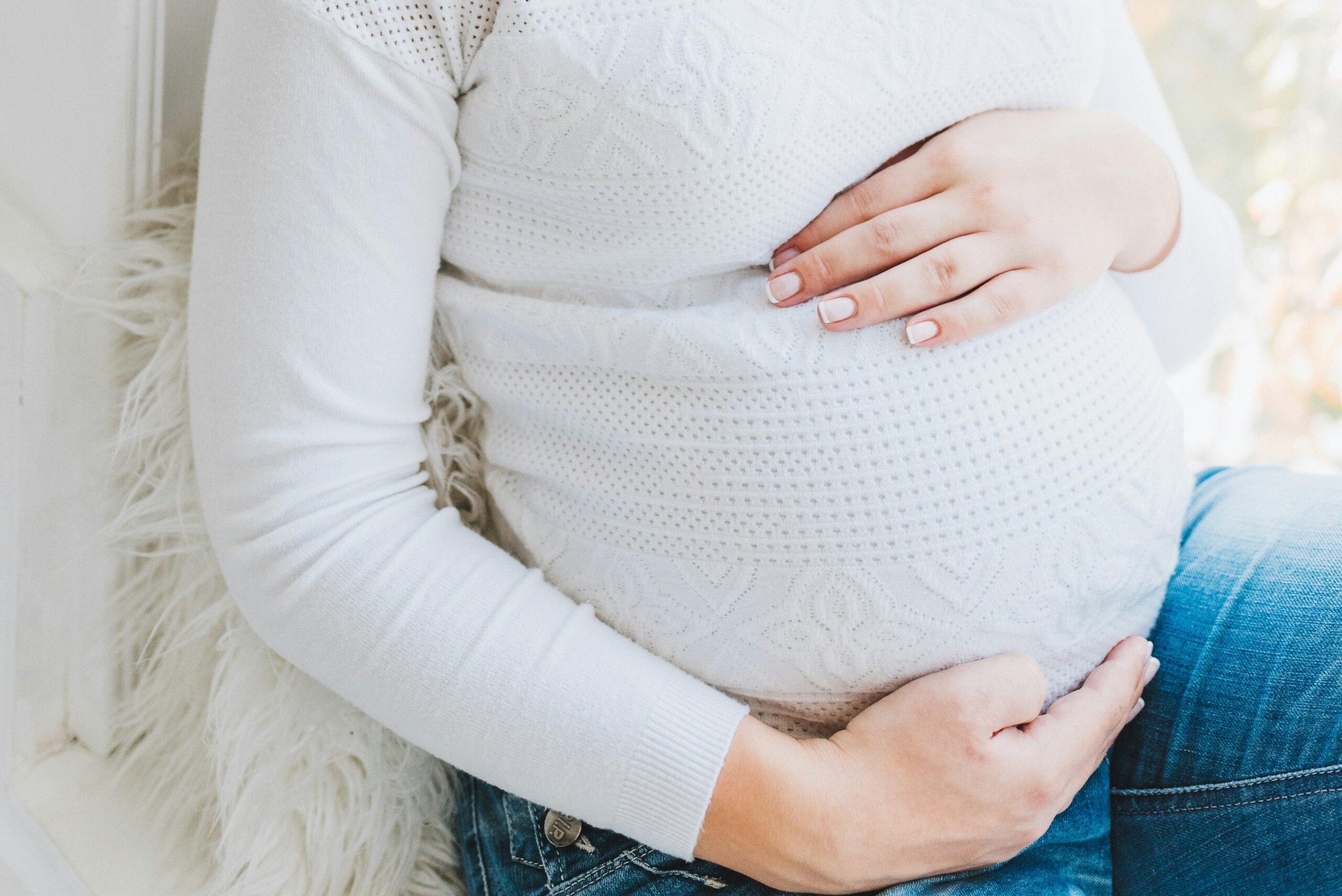
Delivery planning for patients with endometriosis should be individualized and led by the OB-GYN or pregnancy care team. Many patients with endometriosis can have a routine delivery plan, while others may need additional planning because of prior surgeries, significant adhesions, placenta location, fetal position, maternal health conditions, or other obstetric factors. Endometriosis history is useful information for the delivery team, especially if the patient has had complex pelvic surgery, bowel or bladder involvement, prior cesarean delivery, or known adhesions. Sharing operative reports, imaging results, and details of prior complications may help the OB-GYN plan more safely. For more detail, see our article How Endometriosis Impacts Your Chances for Pregnancy.
Does Endometriosis Require a C-Section?
Endometriosis alone does not automatically require a cesarean delivery. Many patients with endometriosis can deliver vaginally if there are no obstetric reasons for a C-section.
A cesarean may be recommended for standard obstetric indications, such as placenta previa, certain fetal positions, fetal distress, prior uterine surgery, labor complications, or other pregnancy-specific concerns. In some complex cases, prior surgical history or known pelvic anatomy may also influence planning, but the decision should be made by the OB-GYN based on the full clinical picture.
How Prior Surgery or Adhesions May Affect Delivery Planning
Prior endometriosis surgery, bowel surgery, bladder surgery, ovarian surgery, or extensive pelvic adhesions may affect surgical planning if a cesarean delivery becomes necessary. Adhesions can sometimes make abdominal or pelvic surgery more complex because tissues may not be in their usual position. Patients should tell their OB-GYN about any prior laparoscopies, excision surgeries, bowel procedures, endometriomas, ureter or bladder involvement, surgical complications, or known adhesions. When available, prior operative reports can be useful for delivery planning.
Planning for Pain Control and Postpartum Recovery
Pain-control planning should be discussed before delivery, especially for patients with chronic pelvic pain, pelvic floor dysfunction, prior trauma, medication sensitivities, or anxiety about labor and birth. Options may include labor support, positioning strategies, epidural anesthesia, postpartum pain planning, pelvic physical therapy referral, and mental health support when appropriate.
Postpartum recovery may also need individualized support. Patients with endometriosis may have concerns about pain recurrence, breastfeeding, hormonal changes, constipation, pelvic floor recovery, or timing of future endometriosis treatment. These topics can be discussed before delivery so patients know what to expect after birth.
Coordinating Care With Your OB-GYN
The OB-GYN remains the primary clinician for pregnancy and delivery care. Endometriosis specialists may support care by helping review the patient’s history, clarify prior disease patterns, provide preconception or postpartum planning, or coordinate with the OB-GYN when appropriate.
Patients should keep all members of the care team informed about changes in symptoms, prior surgical history, medication use, and postpartum goals. Clear communication can help reduce confusion and support safer, more personalized care.
Is Endometriosis Surgery Done During Pregnancy?
Endometriosis surgery is generally postponed until after pregnancy unless there is an urgent medical reason to operate. In most cases, pregnancy is not the time for elective endometriosis excision, because surgery, anesthesia, and postoperative recovery may introduce risks that need to be weighed carefully against the expected benefit. If a pregnant patient develops a serious condition that requires surgery, the decision should be made by the OB-GYN, surgical team, and anesthesia team together. The goal is to protect both maternal and fetal health while addressing the urgent medical issue safely.
Why Elective Endometriosis Surgery Is Usually Postponed
Elective endometriosis surgery is usually delayed until after delivery because symptoms can often be managed conservatively during pregnancy, and definitive excision is rarely needed while a pregnancy is ongoing. Surgery may also be more complex during pregnancy because the uterus enlarges, pelvic anatomy changes, and some imaging or positioning options may be limited. For patients who need endometriosis treatment, postpartum planning is often the safer and more appropriate time to revisit imaging, symptom patterns, medication options, fertility goals, and whether excision surgery should be considered. We cover this further in Can Endometriosis Treatment Improve Your Pregnancy Chances.
When Nonobstetric Surgery May Be Medically Necessary
Although elective endometriosis surgery is usually postponed, nonobstetric surgery may be necessary during pregnancy for urgent conditions such as appendicitis, ovarian torsion, bowel obstruction, severe infection, trauma, or another serious medical problem. In rare situations, an endometriosis-related complication could require urgent evaluation or intervention, but this is not the same as routine excision surgery. Any decision to operate during pregnancy should be based on medical necessity, gestational age, maternal stability, fetal considerations, and the risks of delaying treatment.
Surgical Safety Requires OB, Anesthesia, and Surgical Coordination
When surgery is medically necessary during pregnancy, care should be coordinated among the obstetric team, surgeon, anesthesiologist, and any other needed specialists. Planning may include discussion of fetal monitoring, anesthesia approach, patient positioning, medication safety, blood clot prevention, and postoperative monitoring. Patients should not delay urgent evaluation because they are pregnant. If surgery is medically necessary, the care team can take pregnancy-specific precautions while treating the underlying condition.
Postpartum Endometriosis Care
After delivery, endometriosis symptoms may stay improved for a period of time, return gradually, or recur when menstrual cycles resume. The timing varies from patient to patient and may be influenced by breastfeeding, hormonal changes, prior disease severity, pelvic floor recovery, birth experience, and whether there are overlapping bowel, bladder, or musculoskeletal issues. Postpartum care is an important opportunity to reassess symptoms and create a long-term plan. Patients who had severe endometriosis before pregnancy, prior excision surgery, infertility, bowel or bladder involvement, endometriomas, or persistent pain during pregnancy may benefit from follow-up with an endometriosis specialist after delivery.
What Happens to Endometriosis Symptoms After Delivery?
Some patients continue to feel better after delivery, especially if menstrual cycles remain suppressed for a period of time. Others notice pelvic pain, painful periods, bowel symptoms, bladder symptoms, pain with sex, or fatigue return after hormonal shifts or when periods resume. Postpartum symptoms should not automatically be assumed to be endometriosis. Pelvic floor dysfunction, scar pain, cesarean recovery, perineal trauma, constipation, breastfeeding-related hormonal changes, sleep deprivation, and musculoskeletal strain can also contribute to pain. A careful evaluation can help identify the most likely causes and guide treatment.
Breastfeeding, Hormones, and Symptom Recurrence
Breastfeeding may delay the return of menstrual cycles for some patients, which can temporarily reduce cyclical endometriosis symptoms. However, this effect varies and does not guarantee symptom control. When periods return, some patients notice the recurrence of painful periods or other endometriosis-related symptoms. Patients who are breastfeeding should discuss medication options with their OB-GYN or healthcare provider, since some hormonal therapies, pain medications, and supplements may not be appropriate for every postpartum or breastfeeding patient.
When to Revisit Endometriosis Treatment After Pregnancy
Patients may want to revisit endometriosis treatment after pregnancy if pain returns, periods become severe, bowel or bladder symptoms persist, sex becomes painful, fertility planning continues, or daily function is affected. Timing depends on healing after delivery, breastfeeding plans, birth control preferences, future pregnancy goals, and symptom severity. Postpartum treatment options may include symptom tracking, pelvic physical therapy, pain management, hormonal suppression, imaging review, fertility counseling, or excision surgery when appropriate. A personalized plan can help patients balance recovery, parenting demands, breastfeeding, and long-term endometriosis care.
Future Fertility Planning
Patients who want more children should discuss future fertility goals during postpartum endometriosis planning. Some may choose medical suppression between pregnancies, while others may need fertility evaluation, imaging, or surgical consultation before trying to conceive again. Factors such as age, ovarian reserve, prior surgeries, endometriomas, tubal status, symptom recurrence, and timeline for another pregnancy may influence the plan. Coordinating care early can help patients make informed decisions about symptom control and reproductive goals.
Frequently Asked Questions
Does endometriosis go away during pregnancy?
No. Pregnancy does not cure endometriosis. Some patients notice symptom improvement during pregnancy because menstrual cycles stop, but symptoms may return after delivery, after breastfeeding changes, or when periods resume.
Can endometriosis cause miscarriage?
Some research has found an association between endometriosis and a higher risk of miscarriage, but this does not mean miscarriage is inevitable. Individual risk depends on many factors, including age, pregnancy history, adenomyosis, embryo factors, other medical conditions, and whether assisted reproduction was used.
Is pregnancy with endometriosis high risk?
Not always. Many patients with endometriosis have healthy pregnancies with routine prenatal care. Some patients may need closer monitoring if they have deep infiltrating endometriosis, adenomyosis, prior pregnancy complications, infertility treatment, prior pelvic surgery, or other medical risk factors.
Can I take endometriosis medication while pregnant?
Many medications used to manage endometriosis before pregnancy are not used during pregnancy. Do not start, stop, or change any prescription medication, over-the-counter medication, supplement, or herbal product without guidance from your OB-GYN or pregnancy care team.
Can I have endometriosis surgery while pregnant?
Elective endometriosis surgery is usually postponed until after delivery. Surgery during pregnancy is generally reserved for urgent medical conditions where the benefit of treatment outweighs the risks of waiting. Any surgery during pregnancy should be coordinated by the OB-GYN, surgical team, and anesthesia team.
Does endometriosis mean I need a C-section?
No. Endometriosis alone does not automatically require cesarean delivery. Delivery planning should be based on obstetric factors such as placenta location, fetal position, prior uterine surgery, labor progress, fetal status, maternal health, and any known surgical or anatomic concerns.
Will endometriosis come back after pregnancy?
Symptoms may return after delivery, especially when menstrual cycles resume. The timing varies from patient to patient and may be influenced by breastfeeding, hormonal changes, prior disease severity, pelvic floor recovery, and overlapping bowel, bladder, or musculoskeletal conditions.
When should I see an endometriosis specialist after pregnancy?
Consider seeing an endometriosis specialist after pregnancy if pelvic pain, painful periods, bowel symptoms, bladder symptoms, pain with sex, fatigue, or fertility concerns return or interfere with daily life. Postpartum evaluation may help clarify whether symptoms are related to endometriosis, pelvic floor dysfunction, scar tissue, or another condition.
Conclusion
Endometriosis does not prevent many patients from having healthy pregnancies, but it can make pregnancy planning and prenatal care more individualized. Symptoms may improve during pregnancy for some patients, while others may continue to experience pelvic pain, bowel or bladder symptoms, scar-tissue-related discomfort, or pain from overlapping conditions.
Because research has linked endometriosis with a higher risk of certain pregnancy complications, patients should share their full endometriosis history with their OB-GYN or pregnancy care team. This includes prior surgeries, fertility treatment, adenomyosis, deep infiltrating endometriosis, endometriomas, bowel or bladder involvement, adhesions, ectopic pregnancy, miscarriage, or preterm birth.
During pregnancy, endometriosis care should focus on safe symptom management, appropriate monitoring, and clear communication with the pregnancy care team. Elective endometriosis surgery is usually postponed until after delivery, but pain, bleeding, contractions, decreased fetal movement, severe vomiting, chest pain, shortness of breath, or any urgent symptoms should be evaluated promptly.
After delivery, postpartum care becomes an important opportunity to reassess symptoms and plan long-term endometriosis management. If pelvic pain, painful periods, bowel symptoms, bladder symptoms, pain with sex, or fertility concerns return after pregnancy, specialized evaluation may help clarify the cause and guide treatment.