Endometriosis: Understanding the Condition and Its Causes
Endometriosis is a chronic and often debilitating condition where the tissue that normally lines the inside of the uterus, called the endometrium, grows outside of the uterus on other organs. This misplaced tissue behaves the same way as the uterine lining, thickening, breaking down, and bleeding with each menstrual cycle.
The exact cause of endometriosis is not fully understood, but it is believed to be related to factors such as retrograde menstruation, hormonal imbalances, and genetic predisposition. Understanding the underlying causes of endometriosis is crucial for developing effective management strategies.
Diagnosing and Classifying Endometriosis
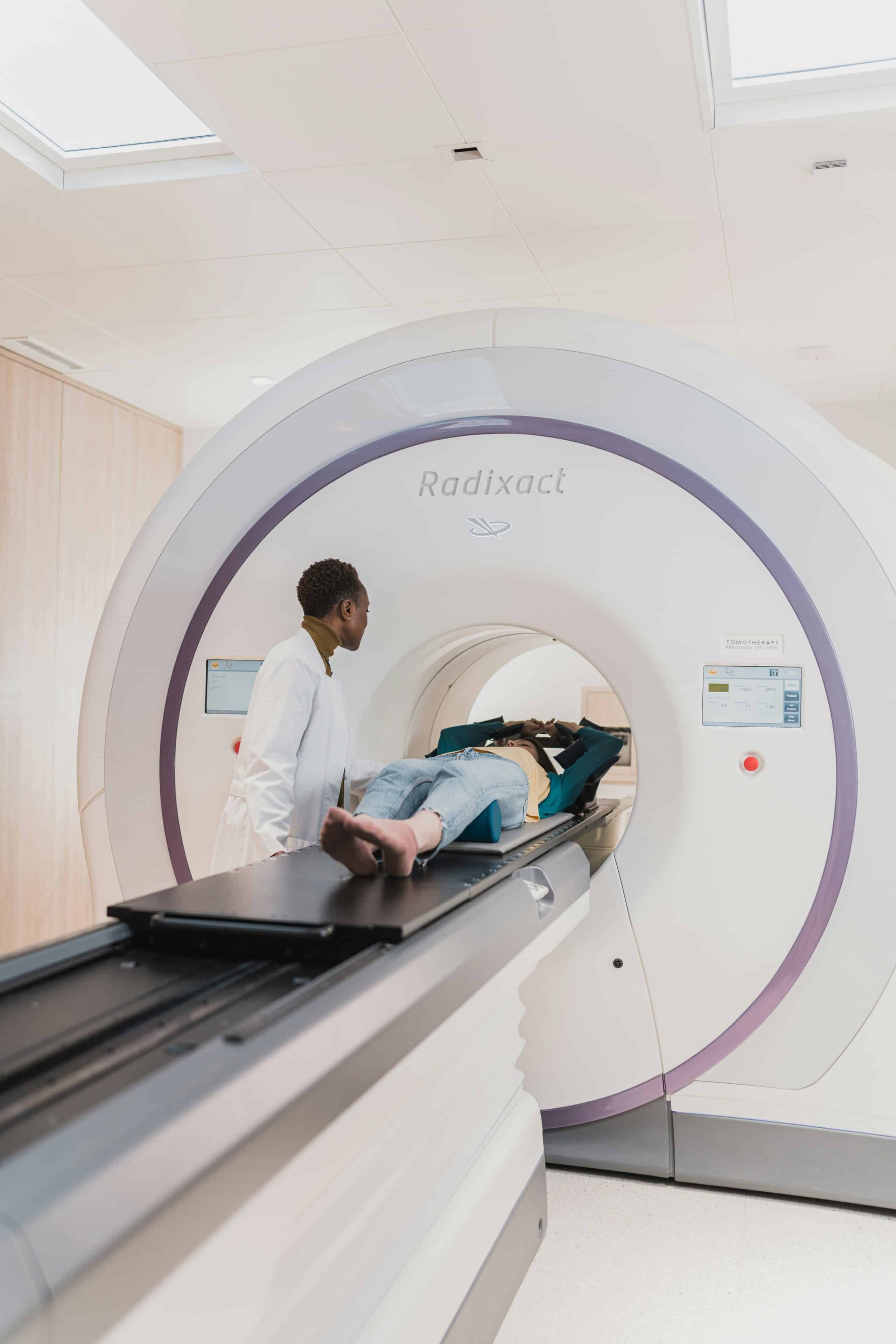
Diagnosing endometriosis can be challenging, as the symptoms can vary widely from person to person. Common symptoms include pelvic pain, heavy or painful periods, pain during intercourse, and infertility. A comprehensive evaluation, including a physical examination, medical history, and imaging tests, is often necessary to confirm the diagnosis.
Endometriosis is classified into different stages based on the location, extent, and depth of the lesions. This classification system helps healthcare providers develop appropriate treatment plans and manage the condition more effectively.
Innovative Treatments for Endometriosis
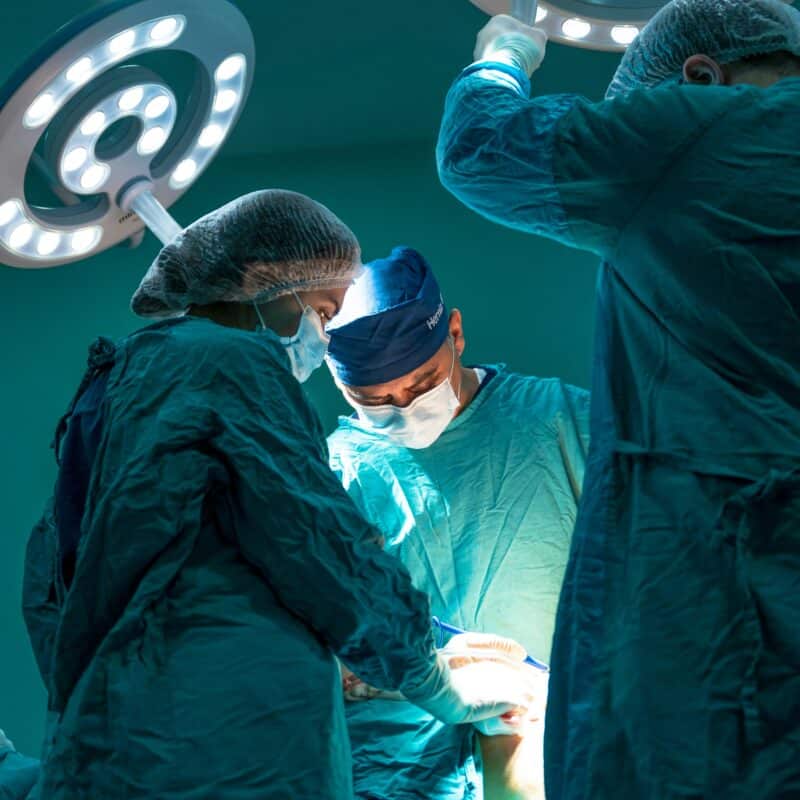
The treatment of endometriosis typically involves a combination of medical and surgical interventions, depending on the severity of the condition and the individual's symptoms. Innovative treatments, such as hormonal therapy, pain management, and minimally invasive surgical techniques, have significantly improved the quality of life for many individuals living with endometriosis.
Ongoing research and advancements in the field of endometriosis are continuously expanding the range of treatment options, providing hope and better outcomes for those affected by this complex condition.
Endometriosis and Mental Health
Living with endometriosis can have a significant impact on an individual's mental and emotional well-being. The chronic pain, infertility, and other symptoms associated with the condition can lead to feelings of depression, anxiety, and isolation.
Addressing the mental health aspects of endometriosis is crucial for overall well-being. Incorporating mental health support, such as counseling, therapy, and stress management techniques, can be an integral part of a comprehensive endometriosis management plan.