

Thoracic and diaphragmatic endometriosis are rare but potentially serious forms of endometriosis that can cause symptoms beyond the pelvis. When endometriosis involves the diaphragm, pleura, lungs, or surrounding chest structures, patients may experience chest pain, shoulder pain, rib pain, shortness of breath, or pain with deep breathing, often worsening before or during menstruation.
Because these symptoms can resemble heart, lung, gastrointestinal, or musculoskeletal conditions, thoracic endometriosis is often difficult to recognize. Some patients spend years seeking answers before the connection between their symptoms and menstrual cycle is identified. In rare cases, thoracic endometriosis may also be associated with catamenial pneumothorax, a collapsed lung that occurs around the time of a period.
This guide explains the symptoms, diagnosis, and treatment options for thoracic and diaphragmatic endometriosis, including when specialized endometriosis care may be appropriate.
Important: Chest pain and shortness of breath should never be ignored. Seek emergency medical care immediately if you have sudden or severe chest pain, difficulty breathing, fainting, coughing blood, blue lips, or symptoms that rapidly worsen.
What Is Thoracic Endometriosis?

Thoracic endometriosis occurs when endometriosis-like tissue is found in or around the chest cavity. While endometriosis most often affects the pelvis, it can rarely involve structures above the abdomen, including the diaphragm, pleura, lungs, or chest wall. When this happens, symptoms may appear as chest, shoulder, rib, or breathing-related pain rather than the more familiar pelvic symptoms.
Thoracic endometriosis is sometimes described as thoracic endometriosis syndrome, a term used for a group of chest-related symptoms and complications associated with endometriosis. These may include cyclical chest pain, shortness of breath, coughing blood, fluid or blood around the lung, pulmonary nodules, or catamenial pneumothorax, a collapsed lung that occurs around the time of menstruation.
Because thoracic endometriosis is uncommon and symptoms can overlap with many other conditions, diagnosis is often delayed. Patients may initially be evaluated for asthma, anxiety, pneumonia, gallbladder disease, musculoskeletal pain, or heart-related concerns before endometriosis is considered. A key clue is whether symptoms repeatedly worsen before or during a menstrual period, especially in someone with known or suspected pelvic endometriosis.
How Endometriosis Can Affect the Chest Cavity
Endometriosis can affect different areas of the thoracic region. Some patients may have lesions on the diaphragm, while others may have involvement of the pleura, the thin lining around the lungs, or, more rarely, the lung tissue itself. The exact symptoms often depend on where the disease is located and whether there are associated complications, such as irritation of the diaphragm or recurrent lung collapse.
What Is Thoracic Endometriosis Syndrome?
Thoracic endometriosis syndrome refers to the pattern of chest-related symptoms caused by endometriosis in the thoracic cavity. The most recognized forms include catamenial pneumothorax, catamenial hemothorax, catamenial hemoptysis, and pulmonary nodules. “Catamenial” means that the symptoms occur in relation to menstruation.
Why Thoracic Endometriosis Is Often Misdiagnosed
Thoracic endometriosis can be difficult to identify because chest pain and breathing symptoms are not usually the first symptoms people associate with endometriosis. In addition, imaging may not always clearly show endometriosis lesions. For many patients, the timing of symptoms becomes one of the most important diagnostic clues. Keeping a symptom diary that tracks chest, shoulder, rib, or breathing symptoms alongside the menstrual cycle can help guide evaluation.
What Is Diaphragmatic Endometriosis?
Diaphragmatic endometriosis occurs when endometriosis-like tissue grows on or near the diaphragm, the thin dome-shaped muscle that separates the chest cavity from the abdominal cavity. The diaphragm plays an essential role in breathing, so irritation or inflammation in this area can cause symptoms that feel very different from typical pelvic endometriosis.
Diaphragmatic endometriosis may affect the abdominal side of the diaphragm, the thoracic side of the diaphragm, or both. In some cases, it occurs alongside pelvic endometriosis or other forms of advanced endometriosis. Because the diaphragm is located near the ribs, lungs, liver, and nerves that refer pain to the shoulder, symptoms may be felt in the chest, upper abdomen, ribs, back, neck, or shoulder.
How the Diaphragm Is Involved
Endometriosis lesions on the diaphragm can cause inflammation, scarring, adhesions, or small defects in the diaphragm. These changes may irritate nearby nerves or tissues, especially during hormonal changes around menstruation. Some patients have visible diaphragmatic lesions during surgical evaluation, while others may have subtle disease that is difficult to detect on imaging.
Common Pain Patterns
Diaphragmatic endometriosis can cause pain in areas that may not seem connected to endometriosis at first. Patients may describe sharp, stabbing, aching, or pressure-like discomfort in the upper abdomen, chest, ribs, shoulder blade, collarbone area, neck, or upper back. Pain may worsen with deep breathing, coughing, exercise, or certain positions.
A key feature is that symptoms often become more noticeable before or during a menstrual period. However, symptom patterns vary. Some patients experience cyclical pain only, while others develop more persistent discomfort over time.
Why Right-Sided Symptoms Are Common
Diaphragmatic endometriosis is often reported on the right side of the body. Patients may feel right shoulder pain, right rib pain, or right upper abdominal pain that flares around menstruation. This pattern may occur because of how endometriosis spreads and how fluid moves within the abdominal cavity, but symptoms are not always right-sided.
Left-sided pain, central chest discomfort, bilateral symptoms, or non-cyclical pain can also occur. For this reason, the location of pain alone cannot confirm or rule out diaphragmatic endometriosis. A careful review of symptoms, menstrual timing, prior endometriosis history, and imaging or surgical findings is often needed.
Symptoms of Thoracic and Diaphragmatic Endometriosis

Symptoms of thoracic and diaphragmatic endometriosis can vary depending on where endometriosis is located and whether the diaphragm, pleura, lungs, nerves, or surrounding tissues are involved. For many patients, the most important clue is timing: symptoms may worsen before or during menstruation, then improve after the period ends. Because these symptoms occur outside the pelvis, they are often mistaken for respiratory, cardiac, gastrointestinal, or musculoskeletal conditions. Patients may also have pelvic endometriosis symptoms at the same time, which can help guide evaluation.
Chest Pain Around Your Period
Chest pain related to thoracic endometriosis often follows a cyclical pattern. Patients may notice sharp, stabbing, aching, or pressure-like pain that appears shortly before or during menstruation. The pain may occur on one side of the chest or feel more generalized.
Some patients describe pain that worsens with deep breathing, coughing, laughing, or physical activity. Because chest pain can also signal urgent medical conditions, sudden, severe, or worsening chest pain should be evaluated immediately.
Shoulder, Rib, or Upper Abdominal Pain
Diaphragmatic endometriosis can cause referred pain in the shoulder, ribs, upper abdomen, upper back, collarbone area, or neck. This happens because irritation near the diaphragm can affect nerves that send pain signals to areas far from the actual lesion.
Right-sided shoulder or rib pain is commonly reported, but symptoms can occur on either side. Pain may flare around the menstrual cycle, especially if diaphragmatic lesions become inflamed or irritated.
Shortness of Breath or Pain With Deep Breathing
Some patients experience shortness of breath, chest tightness, or pain when taking a deep breath. These symptoms may occur if endometriosis affects the pleura, diaphragm, or nearby chest structures. Pain with deep breathing may feel sharp or catching, and it may worsen during menstruation. Any new, severe, or rapidly worsening shortness of breath requires urgent medical evaluation.
Coughing Blood or Recurrent Lung Collapse
Rarely, thoracic endometriosis can cause coughing blood, known as hemoptysis, or catamenial pneumothorax, a collapsed lung that occurs around the time of menstruation. These are serious symptoms and should not be managed at home. Patients with catamenial pneumothorax may experience sudden chest pain, shortness of breath, rapid heartbeat, or pain that worsens with breathing. Emergency care is needed if these symptoms occur.
Symptoms That May Occur With Pelvic Endometriosis
Many patients with thoracic or diaphragmatic endometriosis also have signs of pelvic endometriosis. These may include painful periods, chronic pelvic pain, pain with sex, bowel pain, bladder symptoms, bloating, nausea, infertility, low back pain, or fatigue. The presence of both pelvic and chest-related symptoms can be an important diagnostic clue. Tracking symptoms across several menstrual cycles may help identify patterns and support a more targeted evaluation. For more detail, see our article Recognizing Signs of Diaphragmatic Endometriosis.
When Chest Pain or Breathing Symptoms Need Emergency Care
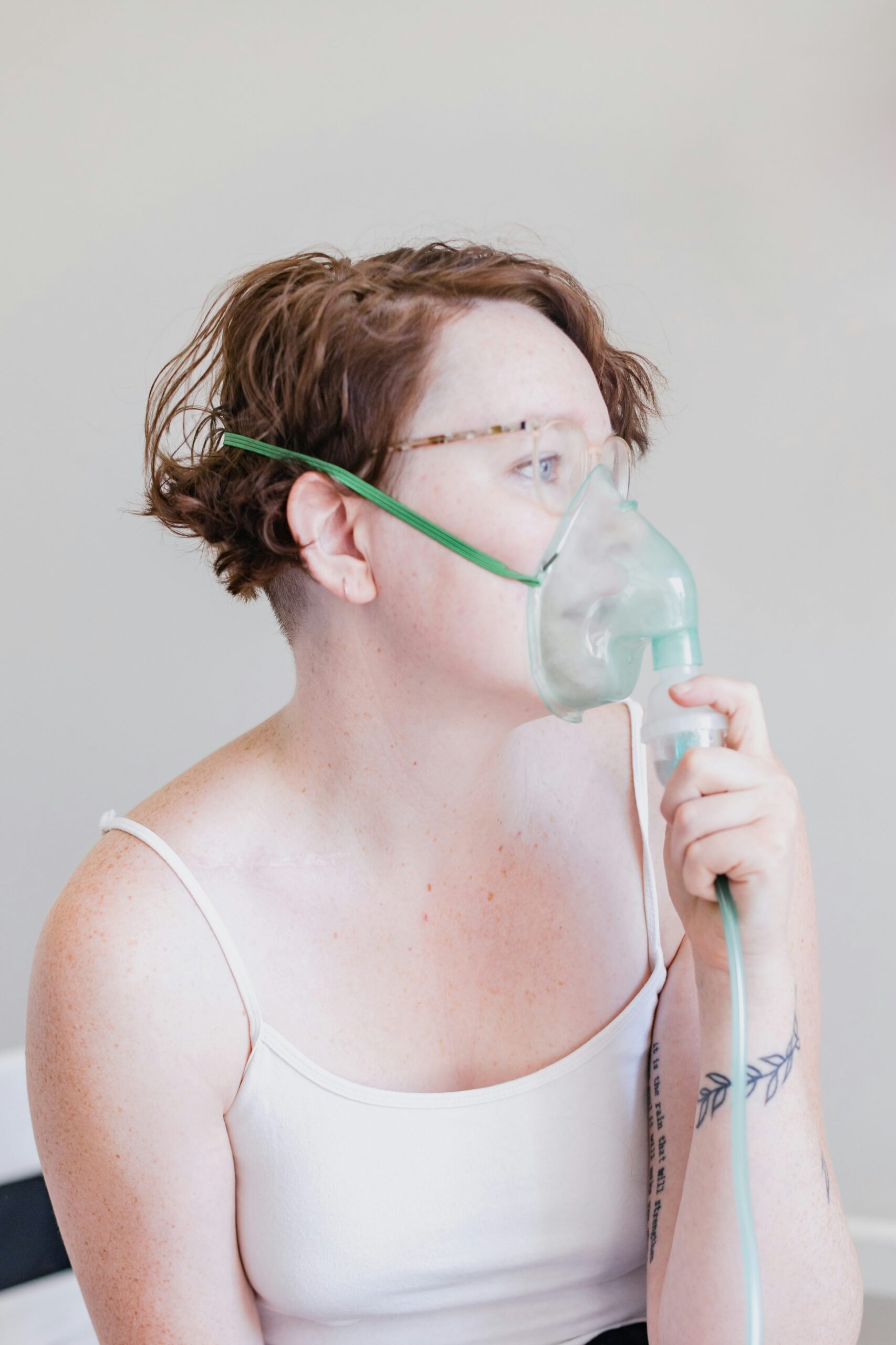
Chest pain, shortness of breath, and pain with breathing should always be taken seriously. While thoracic or diaphragmatic endometriosis can cause cyclical chest-related symptoms, these symptoms can also occur with medical emergencies that require immediate evaluation.
Patients should seek emergency care if symptoms are sudden, severe, rapidly worsening, or different from their usual pattern. This is especially important if chest pain occurs with difficulty breathing, dizziness, fainting, coughing blood, or signs of a collapsed lung.
Warning Signs That Should Not Be Ignored
Seek urgent or emergency medical care for any of the following symptoms:
- Sudden or severe chest pain
- New or worsening shortness of breath
- Pain that becomes worse with deep breathing
- Fainting, dizziness, or confusion
- Coughing blood
- Blue or gray lips, face, or fingertips
- Rapid heartbeat with chest discomfort
- Sudden shoulder, rib, or upper back pain with breathing difficulty
- Symptoms that feel different from previous menstrual-cycle-related pain
These symptoms should not be assumed to be endometriosis, even in someone with a known history of the condition.
Why Prompt Evaluation Matters
Thoracic endometriosis can sometimes be associated with catamenial pneumothorax, a collapsed lung that occurs around menstruation. However, chest pain and breathing symptoms can also be caused by other serious conditions, including heart problems, pulmonary embolism, pneumonia, asthma complications, or non-endometriosis lung disease. Prompt evaluation helps rule out urgent causes and guides appropriate treatment. If symptoms do turn out to be related to thoracic endometriosis, medical records from emergency visits, chest imaging, or prior diagnoses can also help an endometriosis specialist better understand the pattern of disease. We cover this further in Understand period-related nerve pain symptoms.
What to Tell Your Doctor
When seeking care, tell your doctor if symptoms occur repeatedly around your menstrual cycle. It can also be helpful to mention any history of suspected or confirmed endometriosis, prior pelvic surgery, painful periods, infertility, or cyclical pelvic, bowel, or bladder symptoms. Patients may want to track:
- When chest, shoulder, rib, or breathing symptoms begin
- Whether symptoms occur before, during, or after menstruation
- Which side of the body is affected
- Whether pain worsens with deep breathing, coughing, or movement
- Any emergency visits, imaging results, or prior episodes of lung collapse
This information may help identify a cyclical pattern and support a more complete evaluation.
How Thoracic Endometriosis Is Diagnosed
Diagnosing thoracic or diaphragmatic endometriosis can be challenging because symptoms may resemble many other chest, lung, heart, gastrointestinal, or musculoskeletal conditions. Diagnosis usually begins with a careful review of symptoms, menstrual timing, medical history, and any known or suspected pelvic endometriosis. There is no single test that can rule thoracic endometriosis in or out in every patient. Imaging may help identify complications such as pneumothorax, fluid around the lung, nodules, or diaphragmatic abnormalities, but small endometriosis lesions may not always be visible. In some cases, surgical evaluation may be considered when symptoms are severe, recurrent, or highly suspicious for endometriosis.
Medical History and Symptom Timing
Evaluation may include a physical exam and assessment for pelvic endometriosis, especially when the patient has painful periods, chronic pelvic pain, bowel or bladder symptoms, or infertility. Because thoracic endometriosis often occurs alongside pelvic disease, identifying signs of pelvic endometriosis can help guide diagnosis and treatment planning. A cyclical pattern does not prove thoracic endometriosis, but it can be an important clue. Keeping a symptom diary for several cycles can help show whether chest, shoulder, rib, or breathing symptoms are linked to hormonal changes.
Physical Exam and Pelvic Endometriosis Evaluation
Evaluation may include a physical exam and assessment for pelvic endometriosis, especially when the patient has painful periods, chronic pelvic pain, bowel or bladder symptoms, or infertility. Because thoracic endometriosis often occurs alongside pelvic disease, identifying signs of pelvic endometriosis can help guide diagnosis and treatment planning. A specialist may also review prior operative reports, pathology results, imaging studies, and treatment history to understand whether symptoms could be part of a broader pattern of advanced endometriosis.
Imaging Tests
Imaging may be used to evaluate chest symptoms and look for signs of thoracic involvement or related complications. Depending on the symptoms, this may include chest X-ray, CT scan, MRI, pelvic ultrasound, or pelvic MRI.
Chest X-ray or CT may be useful when pneumothorax, fluid around the lung, or lung abnormalities are suspected. MRI may help evaluate diaphragmatic or deep endometriosis in selected cases. However, normal imaging does not always rule out endometriosis, especially when lesions are small or located in areas that are difficult to visualize.
Surgical Evaluation When Appropriate
Surgical evaluation may be considered when symptoms are severe, recurrent, progressive, or strongly suggest thoracic or diaphragmatic endometriosis. Depending on the suspected disease location, this may involve laparoscopy to evaluate the pelvis and diaphragm, thoracoscopy to evaluate the chest cavity, or a coordinated procedure involving both gynecologic and thoracic surgeons.
Surgery may allow direct visualization and treatment of visible endometriosis lesions. However, the decision to proceed with surgery should be individualized based on symptoms, imaging findings, prior treatment response, fertility goals, surgical risk, and overall health.
Why Diagnosis Can Require a Multidisciplinary Approach
Thoracic and diaphragmatic endometriosis can involve more than one body system. A patient may need evaluation by an endometriosis specialist, radiologist, thoracic surgeon, pulmonologist, or other specialists depending on symptoms and imaging findings.
A multidisciplinary approach is especially important when there is recurrent pneumothorax, suspected pleural or lung involvement, complex diaphragmatic disease, or coexisting pelvic endometriosis. Coordinated care can help ensure that both pelvic and thoracic symptoms are considered during diagnosis and treatment planning.
Treatment Options for Thoracic and Diaphragmatic Endometriosis

Treatment for thoracic and diaphragmatic endometriosis depends on the patient’s symptoms, disease location, severity, prior treatment history, fertility goals, and whether complications such as pneumothorax are present. Because these conditions can involve both the pelvis and chest cavity, treatment planning may require coordination between an endometriosis specialist and other physicians, such as a thoracic surgeon or pulmonologist.
There is no single treatment plan that is right for every patient. Some patients may benefit from hormonal suppression, while others may need surgical treatment to remove endometriosis lesions or address thoracic complications. The goal is to reduce symptoms, treat visible disease when appropriate, preserve organ function, and improve quality of life.
Hormonal Suppression
Hormonal therapy may be used to reduce cyclical symptoms by suppressing hormonal changes that can activate endometriosis lesions. Options may include birth control pills, progestin therapy, hormonal IUDs, GnRH medications, or other hormone-based treatments depending on the patient’s medical history and goals.
For some patients, hormonal suppression may help reduce pain flares or decrease the frequency of symptoms. However, it does not physically remove endometriosis lesions, and symptoms may return when medication is stopped. Hormonal therapy may also not be appropriate for patients actively trying to conceive or for those who do not tolerate side effects.
Laparoscopic Excision of Diaphragmatic Endometriosis
When diaphragmatic endometriosis is suspected or confirmed, laparoscopic excision may be considered for selected patients. During laparoscopy, a surgeon uses small incisions and a camera to evaluate the pelvis, upper abdomen, and diaphragm. If endometriosis lesions are identified, excision surgery aims to carefully remove visible disease while preserving surrounding healthy tissue.
Diaphragmatic endometriosis can be surgically complex because of its location near the lungs, liver, major blood vessels, and breathing muscles. For this reason, surgical planning should account for the depth of disease, whether lesions are superficial or full-thickness, and whether thoracic involvement is suspected.
Thoracic Surgery for Lung or Pleural Involvement
If endometriosis involves the pleura or lung, or if a patient has recurrent catamenial pneumothorax, thoracic surgery may be needed. One minimally invasive approach is video-assisted thoracoscopic surgery, often called VATS, which allows a thoracic surgeon to evaluate the chest cavity and treat pleural or lung-related disease.
Thoracic procedures may involve removing visible lesions, repairing defects, treating areas prone to recurrent lung collapse, or addressing blood or fluid around the lung. When pelvic and thoracic endometriosis are both suspected, a combined surgical plan may help reduce the risk of incomplete treatment.
Combined Gynecologic and Thoracic Surgical Care
Some patients benefit from coordinated care involving both a gynecologic endometriosis surgeon and a thoracic surgeon. This is especially relevant when symptoms suggest both diaphragmatic disease and pleural or lung involvement.
A combined approach may allow the surgical team to evaluate multiple areas during the same treatment plan. For example, the gynecologic surgeon may address pelvic and diaphragmatic endometriosis, while the thoracic surgeon evaluates or treats disease inside the chest cavity. This type of coordination can be important in complex or recurrent cases.
Pain Management and Long-Term Follow-Up
Pain management may include medications, pelvic floor physical therapy, breathing-focused rehabilitation, anti-inflammatory strategies, lifestyle modifications, and treatment of related conditions. Because endometriosis can be chronic and recurrent, follow-up care is an important part of long-term management. Read more in Sciatic Endometriosis: When Endometriosis Causes Leg Pain.
Patients may need ongoing monitoring for symptom recurrence, medication side effects, fertility goals, or complications after surgery. A personalized follow-up plan can help identify changes early and adjust treatment when needed.
How Excision Surgery May Help Selected Patients

Excision surgery is one treatment option for patients with suspected or confirmed endometriosis, including selected cases involving the diaphragm or thoracic region. The goal of excision is to remove visible endometriosis lesions as completely and safely as possible rather than only suppressing symptoms.
For patients with complex endometriosis, excision may be part of a broader treatment plan that also includes imaging review, medical management, pain care, fertility planning, and coordination with other specialists. The decision to pursue surgery should be individualized and based on a careful discussion of expected benefits, risks, alternatives, and recovery. For more detail, see our article Leg Pain and Shooting Sciatica During Your Period.
What Excision Surgery Means
Excision surgery involves cutting out endometriosis lesions from affected tissue. This differs from approaches that only burn or superficially treat the surface of lesions. In appropriately selected cases, excision can allow the surgeon to remove deeper disease and send tissue for pathology when needed.
For diaphragmatic endometriosis, excision may involve removing lesions from the surface of the diaphragm or, in more complex cases, repairing areas where disease extends more deeply. When disease is suspected inside the chest cavity, thoracic surgical support may be needed.
Why Complete Disease Removal Matters
Endometriosis can cause inflammation, scarring, adhesions, and pain when lesions affect sensitive structures such as the diaphragm, pelvic nerves, bowel, bladder, pleura, or surrounding tissues. Removing visible disease may help reduce pain drivers and improve function for some patients.
Complete treatment is especially important in complex cases because untreated lesions may continue to cause symptoms. However, surgical safety is also essential. The goal is not only to remove disease, but to do so in a way that protects nearby organs and preserves healthy tissue whenever possible.
When Excision May Be Considered
Excision surgery may be considered when symptoms are persistent, severe, recurrent, or not adequately controlled with conservative treatment. It may also be considered when there is suspected advanced endometriosis, organ involvement, infertility associated with endometriosis, recurrent pneumothorax, or significant quality-of-life impairment.
In thoracic or diaphragmatic cases, surgery may be more strongly considered when symptoms show a clear cyclical pattern, imaging suggests diaphragmatic or thoracic disease, or prior treatment has not provided adequate relief. The surgical plan should be tailored to the patient’s anatomy, symptoms, and goals.
Setting Realistic Expectations
Many patients experience improvement after appropriate endometriosis treatment, but outcomes vary. Factors that can influence results include disease severity, lesion location, prior surgeries, scar tissue, coexisting pain conditions, fertility goals, and whether all relevant disease areas can be safely addressed. For more detail, see our article Swollen C-Section Scars: Abdominal Scar Endometriosis.
Excision surgery is not a guaranteed cure, and recurrence or persistent pain can occur. A strong treatment plan should include clear preoperative counseling, realistic expectations, coordinated surgical care when needed, and long-term follow-up after treatment.
How Thoracic Endometriosis Can Affect Quality of Life
Thoracic and diaphragmatic endometriosis can affect far more than physical comfort. For many patients, symptoms are disruptive, frightening, and difficult to explain, especially when chest pain or breathing symptoms appear repeatedly without a clear diagnosis. When symptoms flare around menstruation, patients may begin to anticipate pain each cycle, which can interfere with work, exercise, sleep, travel, relationships, and daily routines.
Quality of life may also be affected by delayed diagnosis. Because thoracic endometriosis is uncommon, patients may see multiple providers before the connection between chest-related symptoms and the menstrual cycle is recognized. This delay can lead to frustration, anxiety, repeated emergency visits, and uncertainty about whether symptoms are being fully understood.
Physical Impact
The physical impact of thoracic or diaphragmatic endometriosis depends on disease location and symptom severity. Some patients experience intermittent pain around their period, while others develop more persistent chest, shoulder, rib, upper abdominal, or back discomfort. We cover this further in Painful Lump: Recognizing Abdominal Wall Endometriosis.
Symptoms may interfere with breathing deeply, exercising, sleeping comfortably, or performing normal activities. Patients with recurrent pneumothorax or significant shortness of breath may also limit travel, physical activity, or other parts of daily life because they are concerned about symptoms returning unexpectedly.
Emotional and Mental Health Impact
Unexplained chest pain and breathing symptoms can be emotionally distressing. Even when symptoms are eventually linked to endometriosis, patients may feel anxious about future flares, possible lung complications, or whether their pain will be dismissed.
The emotional burden can be greater when symptoms have been misdiagnosed or minimized in the past. Patients may feel isolated because thoracic endometriosis is less widely recognized than pelvic endometriosis. Supportive care should acknowledge both the physical symptoms and the stress that often comes with living with a chronic, complex condition.
Fertility Considerations
Thoracic endometriosis itself does not usually involve the reproductive organs directly. However, many patients with thoracic or diaphragmatic endometriosis may also have pelvic endometriosis, which can be associated with infertility, painful periods, pelvic pain, bowel symptoms, bladder symptoms, or pain with sex.
For patients who want to become pregnant, treatment planning should include a discussion of fertility goals. Hormonal suppression may help control symptoms for some patients, but it prevents pregnancy while being used. Surgical planning may also need to account for pelvic disease, ovarian involvement, prior surgeries, and reproductive goals.
Why Personalized Treatment Matters
Personalized treatment is important because thoracic and diaphragmatic endometriosis can present differently from patient to patient. One person may have cyclical shoulder pain from diaphragmatic irritation, while another may have recurrent catamenial pneumothorax requiring thoracic evaluation.
A complete treatment plan should consider symptom timing, pain severity, imaging findings, pelvic symptoms, fertility goals, prior surgeries, medication tolerance, and whether thoracic surgical collaboration is needed. The goal is to develop a plan that addresses the patient’s specific disease pattern rather than applying a one-size-fits-all approach.
Why Specialized Endometriosis Care Matters

Thoracic and diaphragmatic endometriosis can be difficult to diagnose and treat because symptoms may involve multiple areas of the body. Chest pain, shoulder pain, rib pain, and shortness of breath may first appear to be heart, lung, gastrointestinal, or musculoskeletal problems. At the same time, patients may also have pelvic symptoms that point toward endometriosis. For more detail, see our article Chest Pain, Shoulder Aches, and Your Period: Could It Be Diaphragmatic Endometriosis.
Specialized endometriosis care can help connect these symptoms into a more complete clinical picture. An experienced endometriosis specialist can evaluate the timing of symptoms, review prior imaging or surgery, assess for pelvic disease, and help determine whether additional specialists should be involved.
Complex Symptoms Require Careful Evaluation
Chest-related symptoms should never be assumed to be endometriosis without proper evaluation. Serious conditions such as pneumothorax, pulmonary embolism, pneumonia, asthma complications, or heart-related problems may cause similar symptoms and require urgent care.
Once emergency causes are ruled out, a careful endometriosis evaluation may help identify whether symptoms follow a cyclical pattern. This is especially important for patients who notice chest, shoulder, rib, or breathing symptoms that worsen before or during menstruation.
Advanced Endometriosis Can Involve Multiple Areas
Endometriosis can affect the pelvis, ovaries, fallopian tubes, bowel, bladder, ureters, pelvic sidewall, diaphragm, and, rarely, the thoracic cavity. When disease involves multiple regions, treatment can become more complex.
Patients with suspected diaphragmatic or thoracic involvement may also need evaluation for deep infiltrating endometriosis elsewhere in the body. Identifying the full extent of disease can help reduce the risk of incomplete treatment and support more effective surgical planning when surgery is appropriate.
The Value of Individualized Surgical Planning
Surgical planning for thoracic or diaphragmatic endometriosis requires careful attention to anatomy and risk. The diaphragm is close to the lungs, liver, major blood vessels, and nerves involved in breathing. If pleural or lung involvement is suspected, collaboration with a thoracic surgeon may be needed.
Individualized planning may include review of prior operative reports, imaging, symptom patterns, fertility goals, and the patient’s response to previous treatments. This helps determine whether hormonal therapy, excision surgery, thoracic surgery, or a combined approach is most appropriate.
Coordinated Care for Complex Cases
Some patients benefit from care that involves more than one specialist. A gynecologic endometriosis surgeon may address pelvic and diaphragmatic disease, while a thoracic surgeon may evaluate the pleura or lungs if there is concern for catamenial pneumothorax or other thoracic involvement.
This type of coordination can be especially important for patients with recurrent symptoms, prior incomplete treatment, complex anatomy, or disease affecting more than one body system. A coordinated plan helps ensure that symptoms are not treated in isolation and that the patient’s overall health, safety, and long-term goals remain central to care.
Thoracic and Diaphragmatic Endometriosis Care at Endometriosis Center of Excellence
At Endometriosis Center of Excellence, care for suspected thoracic or diaphragmatic endometriosis begins with a detailed evaluation of the patient’s symptoms, medical history, prior imaging, prior surgeries, and treatment goals. Because these forms of endometriosis can involve complex anatomy and symptoms outside the pelvis, the evaluation focuses on identifying patterns that may connect chest, shoulder, rib, upper abdominal, or breathing symptoms with the menstrual cycle.
Dr. Rachael Haverland provides specialized endometriosis care with an emphasis on individualized treatment planning. For patients with suspected diaphragmatic or thoracic involvement, this may include evaluation for pelvic endometriosis, review of imaging studies, discussion of prior treatment response, and consideration of whether coordinated care with other specialists may be appropriate.
About Dr. Rachael Haverland
Dr. Rachael Haverland is a Dallas-based endometriosis specialist and minimally invasive gynecologic surgeon focused on the diagnosis and treatment of complex endometriosis. Her approach emphasizes careful evaluation, patient-centered surgical planning, and treatment strategies tailored to each patient’s symptoms, anatomy, and goals.
For patients with suspected thoracic or diaphragmatic endometriosis, this specialized perspective is important because symptoms may not fit the typical pattern of pelvic endometriosis. A thorough review of cyclical chest, shoulder, rib, or breathing symptoms can help determine whether advanced endometriosis may be contributing to the patient’s condition.
Personalized Evaluation and Treatment Planning
Treatment planning begins with understanding the full clinical picture. This may include the timing of symptoms, the presence of pelvic pain or painful periods, prior emergency visits for chest symptoms, history of pneumothorax, imaging findings, prior operative reports, medication response, fertility goals, and overall health.
A personalized plan may include medical management, further diagnostic evaluation, minimally invasive excision surgery, referral to or collaboration with a thoracic surgeon, or long-term symptom monitoring. The recommended approach depends on the suspected location of disease and the patient’s individual needs.
Advanced Excision-Focused Endometriosis Care
For selected patients, excision surgery may be considered when symptoms, imaging, or prior history suggest endometriosis involving the diaphragm or other advanced disease sites. Excision-focused care aims to remove visible endometriosis lesions while preserving healthy tissue and organ function whenever possible.
In suspected thoracic cases, surgical planning may require coordination beyond gynecology, particularly if symptoms suggest pleural or lung involvement. When appropriate, collaboration with thoracic specialists can help address disease that may not be accessible through a gynecologic approach alone.
When to Schedule a Consultation
Consider scheduling a consultation if you have chest, shoulder, rib, upper abdominal, or breathing symptoms that repeatedly worsen before or during your period, especially if you also have known or suspected endometriosis.
A consultation may also be appropriate if you have a history of painful periods, chronic pelvic pain, infertility, prior endometriosis surgery, recurrent pneumothorax, or unexplained cyclical chest symptoms. Early specialized evaluation can help clarify whether endometriosis may be part of the symptom pattern and what treatment options may be appropriate.
Frequently Asked Questions
Can endometriosis cause chest pain?
Yes. Although endometriosis most often affects the pelvis, it can rarely involve the diaphragm, pleura, lungs, or other structures in the chest cavity. When this happens, patients may experience chest pain, shoulder pain, rib pain, shortness of breath, or pain with deep breathing, often around the time of menstruation.
What does diaphragmatic endometriosis feel like?
Diaphragmatic endometriosis may cause pain in the upper abdomen, ribs, chest, shoulder, neck, collarbone area, upper back, or shoulder blade. The pain may feel sharp, stabbing, aching, or pressure-like, and it may worsen with deep breathing, coughing, movement, or menstruation.
Can thoracic endometriosis cause a collapsed lung?
Yes, in rare cases. Catamenial pneumothorax is a collapsed lung that occurs around the time of menstruation and may be associated with thoracic endometriosis. Symptoms may include sudden chest pain, shortness of breath, rapid heartbeat, or pain that worsens with breathing. This requires urgent medical evaluation.
How is thoracic endometriosis diagnosed?
Diagnosis usually begins with a detailed medical history, including whether chest, shoulder, rib, or breathing symptoms occur cyclically. Imaging such as chest X-ray, CT scan, or MRI may be used to evaluate the chest and diaphragm, but imaging does not always detect endometriosis lesions. In selected cases, laparoscopy, thoracoscopy, or coordinated surgical evaluation may be considered.
How is thoracic endometriosis treated?
Treatment depends on symptoms, disease location, severity, fertility goals, and whether complications such as pneumothorax are present. Options may include hormonal suppression, laparoscopic excision of diaphragmatic endometriosis, thoracic surgery for pleural or lung involvement, or coordinated multidisciplinary care.
Should I see an endometriosis specialist for chest pain during my period?
If chest, shoulder, rib, upper abdominal, or breathing symptoms repeatedly worsen before or during menstruation, an endometriosis specialist may be able to help evaluate whether thoracic or diaphragmatic endometriosis is part of the symptom pattern. However, sudden or severe chest pain, shortness of breath, coughing blood, fainting, or rapidly worsening symptoms should be treated as a medical emergency.
Conclusion
Thoracic and diaphragmatic endometriosis are rare, complex forms of endometriosis that can cause symptoms far beyond the pelvis. Chest pain, shoulder pain, rib pain, upper abdominal discomfort, shortness of breath, or pain with deep breathing may all be possible signs, especially when these symptoms repeatedly worsen before or during menstruation.
Because these symptoms can overlap with serious heart, lung, gastrointestinal, or musculoskeletal conditions, proper evaluation is essential. Sudden or severe chest pain, difficulty breathing, coughing blood, fainting, or rapidly worsening symptoms should always be treated as a medical emergency.
For patients with recurring cyclical chest, shoulder, rib, or breathing symptoms, specialized endometriosis care may help identify whether diaphragmatic or thoracic endometriosis is contributing to the problem. A personalized treatment plan may include symptom tracking, imaging review, hormonal therapy, excision surgery, thoracic surgical collaboration, or long-term follow-up depending on the patient’s needs.