
Endometriosis can continue or newly emerge after menopause, and for some people it remains a source of pelvic pain, bowel or bladder symptoms, and reduced day-to-day comfort. As inflammation, oxidative stress, and local estrogen activity continue to play a role after natural hormone decline, certain evidence-informed supplements may offer supportive benefits. These options are intended to complement—not replace—medical evaluation and treatment.
This guide reviews supplements that are most often discussed in the context of postmenopausal endometriosis, explaining their mechanisms, the level of available evidence, and important safety considerations. We also outline how menopause and hormone replacement therapy (HRT) can influence supplement choice and monitoring needs, helping readers understand which products require extra caution or professional oversight.
In addition to supplement options, you’ll find practical lifestyle strategies—anti-inflammatory nutrition, gentle movement, pelvic-floor support, and stress-reduction practices—that often enhance overall symptom management. Because responses vary and interactions with medications are common, we emphasize individualized planning and coordination with clinicians throughout.
Which Supplements Are Most Helpful for Endometriosis After Menopause?
“Best” in this context refers to supplements that are most studied for their potential to influence inflammation, oxidative stress, estrogen metabolism, or liver pathways — all of which may remain relevant in postmenopausal endometriosis. Research frequently discusses curcumin, omega-3 (EPA/DHA) fish oil, N-acetylcysteine (NAC), vitamin D, and botanicals such as resveratrol and ginger as possible options worth evaluating with a clinician. None are universally appropriate; each requires consideration of its mechanism, evidence base, dosing forms, and safety profile, especially regarding interactions with HRT or anticoagulant medications.
These agents are starting points for discussion rather than blanket recommendations. The table below summarizes mechanisms, evidence levels, typical research doses, and safety considerations to support informed conversations with a clinician.
Supplement Comparison Table
This comparison is meant to clarify potential roles and precautions, not to direct self-treatment. Clinician oversight is essential when considering supplement use.
Many patients benefit from individualized assessment so supplement decisions reflect surgical history, HRT use, liver function, medication interactions, and overall health priorities.
Which Anti-Inflammatory Supplements Reduce Postmenopausal Endometriosis Pain?
Anti-inflammatory supplements discussed in the literature focus on pathways involved in chronic pain, cytokine signaling, and oxidative stress. Curcumin may influence NF-κB and pro-inflammatory cytokines, omega-3 fatty acids may shift eicosanoid balance, and botanicals like ginger or boswellia may modulate COX/LOX pathways. Some clinical studies report improvements in chronic pelvic pain with these agents.
Common forms include bioavailable curcumin preparations, concentrated EPA/DHA formulas, and standardized botanical extracts. Because many of these products can influence platelet function or liver metabolism, professional review is essential before combining them or using them with HRT or prescription medications.
Understanding these mechanisms naturally leads into supplements that may affect estrogen metabolism or liver pathways after menopause.
Which Hormone-Modulating and Detoxifying Supplements Support Menopausal Endometriosis?
Some supplements are discussed for their potential to influence estrogen metabolism or liver detoxification — pathways that may still matter because endometriosis lesions can produce local estrogen even after menopause.
- NAC supports glutathione production and may reduce oxidative stress within lesions.
- DIM (a metabolite from cruciferous vegetables) may shift estrogen metabolism toward less proliferative metabolites.
- Milk thistle (silymarin) is commonly studied for phase II liver support.
Evidence for NAC’s role in lesion size and symptom reduction is more developed than for DIM in postmenopausal groups. Safety considerations are especially important when these agents are combined with HRT or medications metabolized by the liver.
Below is a table linking menopausal physiological changes to supplement considerations.
Physiologic Changes & Supplement Considerations
This mapping highlights why menopausal status influences supplement decisions and why specialist coordination is often recommended.
How Menopause Changes Symptoms and Supplement Needs
Menopause lowers systemic estrogen levels but does not necessarily resolve endometriosis. Lesions can continue producing local estrogen and inflammatory mediators, and existing scar tissue may still contribute to pain. Some people experience persistent or new symptoms during or after menopause due to factors such as aromatase activity within lesions, fibrotic changes, or—when applicable—stimulation from hormone replacement therapy (HRT).
As systemic estrogen declines, symptom management often shifts toward strategies that address inflammation, oxidative stress, musculoskeletal contributors, and nervous-system sensitization, rather than relying solely on estrogen-focused approaches. Reviews increasingly highlight the potential value of interventions that support liver function, oxidative balance, and overall metabolic health—always individualized to a person’s bone density, cardiovascular risk profile, and medical history. The sections below explain why endometriosis can persist after menopause and how HRT may influence supplement considerations.
Why Can Endometriosis Persist or Worsen After Menopause?
Endometriosis can continue after menopause for several reasons:
- Local estrogen production: Stromal cells within lesions may create estrogen through aromatase activity, even when ovarian estrogen declines.
- Chronic inflammation: Persistent inflammatory signaling can maintain pain pathways independent of hormone levels.
- Fibrosis and adhesions: Scar tissue can irritate nerves and produce pain unrelated to hormonal activity.
- Immune dysregulation: Altered immune responses may contribute to ongoing inflammation and tissue sensitivity.
Because these mechanisms do not rely solely on systemic estrogen, some individuals experience persistent or late-onset symptoms. Understanding these factors helps shift management toward approaches that reduce inflammation, support tissue health, and address musculoskeletal contributors—rather than assuming symptoms will resolve naturally with menopause.
How Does Hormone Replacement Therapy Affect Supplement Choices?
HRT can improve vasomotor symptoms, bone density, and quality of life, but in a subset of individuals it may contribute to endometriosis activity. This makes supplement selection—particularly products that influence estrogen metabolism (e.g., DIM) or contain phytoestrogenic compounds—important to review with an HRT-prescribing clinician.
Best practices typically include:
- Reviewing all supplements before starting or adjusting HRT
- Obtaining relevant baseline labs (e.g., 25[OH]D, liver function tests)
- Monitoring medication and supplement interactions, especially with agents metabolized by the liver
- Avoiding unmonitored use of estrogen-modulating herbs
Coordinated planning helps retain the benefits of HRT while reducing risks associated with supplement-related hormonal or metabolic effects.
Diet and Lifestyle Changes That Complement Supplements After Menopause
Diet and lifestyle measures can enhance supplement effects by reducing systemic inflammation, improving gut microbiome balance, and supporting metabolic detoxification. An anti-inflammatory and nutrient-dense eating pattern increases intake of polyphenols, omega-3 fats, and fiber—nutrients commonly associated with healthier inflammatory and hormonal pathways.
Targeted dietary approaches may also benefit specific symptoms. For example, a low-FODMAP pattern may help people whose pelvic pain is exacerbated by gastrointestinal symptoms.
Lifestyle strategies such as low-impact aerobic exercise, pelvic-floor physical therapy, stress-reduction practices, and consistentsleep hygiene can reduce central sensitization and improve overall resilience.
The table below compares dietary approaches and how they may interact with supplements.
Diet Approach Comparison
These approaches can be integrated to create a supportive foundation for symptom management.
Which Anti-Inflammatory Diet Practices Improve Supplement Results?
Some dietary practices may help optimize how supplements are absorbed or tolerated:
- Emphasize omega-3–rich foods and limit highly processed omega-6 oils to support inflammatory balance.
- Include ample fiber to nourish the microbiome and support estrogen elimination.
- Add polyphenol-rich foods such as berries, herbs, and green tea.
- Take fat-soluble supplements (e.g., curcumin, fish oil, some botanicals) with meals containing healthy fats for better absorption.
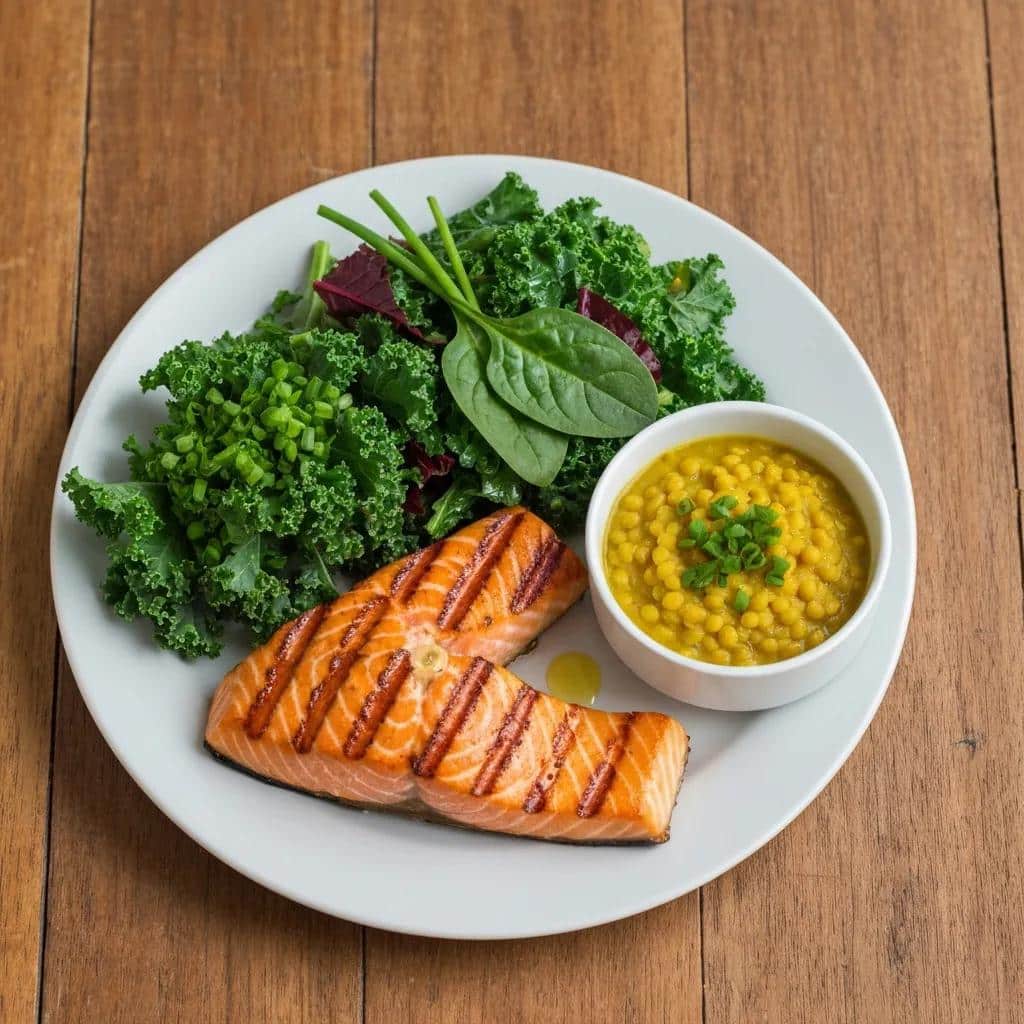
Simple meals—such as grilled salmon with greens, turmeric-spiced lentils, or yogurt with berries and ground flax—fit well within this framework.
What Lifestyle Adjustments Support Symptom Relief After Menopause?
Lifestyle behaviors can influence how predictably supplements work and how well symptoms are managed overall:
- Low-impact aerobic exercise supports circulation, metabolic health, and weight management.
- Pelvic-floor physical therapy can improve muscle coordination and reduce pain related to hypertonicity or trigger points.
- Stress-reduction practices such as mindfulness and CBT-informed tools help reduce sympathetic activation and central sensitization.
- Sleep hygiene supports immune function, hormone regulation, and recovery.
Together, these measures help stabilize inflammatory and pain pathways, creating an environment in which supplements—if used—may be more effective and better tolerated.
When to Talk with Your Provider About Supplements After Menopause
Consult a healthcare provider before starting or combining supplements if you have new or worsening pelvic pain, are using or planning hormone replacement therapy (HRT), take multiple prescription medications, have liver disease or a bleeding disorder, or are preparing for surgery. A clinician can determine whether symptoms relate to active lesions, adhesions, neuropathic drivers, or non-gynecologic causes, and can order appropriate labs or imaging when needed. Early medical input reduces the risk of interactions, ensures baseline testing (such as 25[OH]D or liver panels) is completed, and helps align supplement use with bone, cardiovascular, and overall safety priorities in postmenopausal care.
Checklist for when to consult a provider:
- New or rapidly worsening pelvic or pelvic-floor pain after menopause.
- Current or planned use of HRT, or taking multiple prescription medications.
- History of liver disease, bleeding disorder, or any upcoming surgery.
- Unexplained weight loss, gastrointestinal bleeding, or other systemic symptoms.
If any of these apply, seek specialist evaluation to ensure safe, evidence-based supplement use and coordinated care.
What to Consider Before Starting Supplements Post-Menopause
Before beginning supplements, review your full medical history, reconcile all medications (including HRT), and complete baseline labs when indicated (e.g., 25[OH]D levels, liver function tests). Confirm allergies, bleeding risks, and whether any prescriptions—especially anticoagulants or medications processed through the liver—could interact with specific supplements. Set clear goals such as reducing inflammation, supporting bone health, or addressing sleep or muscle tension, and plan follow-up intervals to assess benefit and safety over time. Careful documentation and clinician oversight help prevent adverse effects and guide appropriate adjustments.
How Endo Excellence Center Can Support Your Supplement Plan
Endo Excellence Center, led by Dr. Rachael Haverland, offers specialist evaluation that integrates excision-focused endometriosis care with individualized supplement and HRT planning. Our multidisciplinary approach reviews your surgical history, current symptoms, medication list, and relevant lab results to design a monitored, evidence-aligned regimen. For individuals seeking coordinated oversight, specialist guidance ensures supplements enhance rather than conflict with medical or surgical treatment and fit safely within a broader, personalized care plan.
Frequently Asked Questions
Can lifestyle changes alone manage endometriosis after menopause?
Lifestyle changes can meaningfully ease symptoms, but they tend to work best when paired with appropriate medical evaluation. An anti-inflammatory eating pattern, regular low-impact movement, stress-reduction techniques, and good sleep hygiene all help reduce inflammation and support well-being. Because symptoms vary widely, individualized assessment is important to ensure these strategies complement any ongoing treatments.
Are there risks to taking supplements for endometriosis after menopause?
Yes. Supplements can interact with medications such as HRT, anticoagulants, and drugs processed through the liver. Some may increase bleeding risk or affect lab results. Always review new supplements with your healthcare provider so potential interactions and monitoring needs can be considered in the context of your overall health.
How long before I see benefits from supplements?
Response times differ. Some individuals notice changes within a few weeks, while others require several months of consistent use. Effects depend on the supplement, dose, underlying physiology, and concurrent treatments. Regular follow-up with a clinician helps track progress and modify the plan as needed.
What dietary changes most help women with endometriosis after menopause?
Anti-inflammatory nutrition tends to be helpful: emphasize omega-3-rich foods, antioxidants, and fiber from vegetables, fruits, legumes, nuts, and whole grains. Limit highly processed foods, added sugars, and inflammatory fats. Tailor choices to personal tolerances—for example, a low-FODMAP pattern may help when gastrointestinal symptoms contribute to pelvic discomfort.
Is it safe to take multiple supplements together?
It can be, but only with careful oversight. Some supplements complement each other, while others create safety concerns or intensify side effects. Reviewing combinations with your clinician ensures cumulative dosing and medication interactions are addressed.
How do I find the right supplement dosages for me?
Dosing should be individualized based on medical history, current medications, laboratory values, and product-specific evidence. Use clinician guidance or established research ranges as a starting point, and reassess regularly to ensure benefits outweigh any risks or side effects.
Why is expert guidance important for managing endometriosis after menopause?
Specialists provide a comprehensive view of endometriosis after menopause, including accurate diagnosis, safe supplement planning, coordinated HRT decisions, and monitoring for interactions or disease changes. Expert oversight helps make sure nutrition, lifestyle strategies, and any supplements work together in a safe, effective plan tailored to your needs.
Conclusion
Thoughtful, evidence-informed supplement use can support symptom relief for some people with postmenopausal endometriosis by lowering inflammation and assisting hormone- and liver-related pathways. The safest and most effective approach involves coordination with a clinician who understands your medical history, current medications, and broader treatment plan. If you are considering supplements, speak with your healthcare provider or connect with a specialist at Endo Excellence Center to develop a monitored, personalized strategy that aligns with your goals and overall health.