Many people continue to experience endometriosis-related pain after menopause, and stress can often make those symptoms feel more intense. Persistent discomfort, hormonal shifts, and the emotional weight of managing a chronic condition can all interact in ways that affect daily life. This article explains how stress and postmenopausal endometriosis influence one another, why a personalized stress-management plan can make a meaningful difference, and which practical strategies—mindfulness, gentle movement, sleep support, and targeted lifestyle habits—can help. You’ll also learn when it may be helpful to seek specialist care and how an integrated approach can support both physical comfort and emotional well-being.
How Does Stress Affect Endometriosis Symptoms After Menopause?
Stress can make postmenopausal endometriosis symptoms feel more intense by influencing how the body processes pain. When someone is under chronic stress, the body’s stress-response system becomes more active, which can affect hormones, immune function, and muscle tension. Together, these changes can heighten sensitivity to discomfort, disrupt sleep, and lower day-to-day coping capacity. For many people, even mild stress can turn occasional pain into something that feels more constant or harder to manage.
In practical terms, long-term stress may contribute to increased inflammation around sensitive pelvic tissues and make the nervous system more reactive to pain signals. This doesn’t mean that stress causes endometriosis, but it does mean that managing stress can be an important part of managing symptoms. Below are a few helpful reminders to guide self-care and decisions about when to seek additional evaluation:
- Ongoing stress can influence how the body responds to pain and may make pelvic symptoms feel more pronounced.
- Effective stress-management techniques often improve sleep, reduce tension, and support rehabilitation strategies such as physical therapy.
- If symptoms persist or worsen despite consistent self-care, a specialist evaluation can clarify whether residual disease, hormonal factors, or another condition is contributing.
Many people find it reassuring to undergo a focused assessment to understand what is driving their symptoms,whether stress is playing a larger role, whether active disease is present, or whether both are contributing. For patients who need additional support, Endo Excellence Center in Plano, TX offers comprehensive evaluation and coordinated care planning.
Research also shows that individuals with endometriosis who report higher levels of stress often experience more pain, reduced quality of life, and changes in mood. While the biology behind these changes is complex, the message is clear: managing stress is an important part of managing chronic pelvic pain.
How Do Hormonal Changes in Menopause Influence Stress and Endometriosis?
During menopause, declining estrogen levels can change how pain is felt and how the body regulates mood and stress. For some people, these hormonal shifts improve endometriosis symptoms, but for others, symptoms may remain or even become more disruptive. Lower estrogen can influence emotional well-being and make the body more reactive to stress, which in turn can intensify pelvic discomfort.
Some individuals may still have active areas of endometriosis, scar tissue, or tender nodules that continue to send pain signals even after menopause. Because hormonal changes and residual disease can interact, it’s important not to assume new or worsening symptoms are simply “part of aging.” A combined approach—supporting stress reduction while assessing for possible underlying causes—often leads to more effective and personalized care.
What Role Do Inflammation and Cortisol Play in Postmenopausal Endometriosis Stress?
Chronic stress can affect the body’s inflammatory and hormonal responses, and these shifts may make pelvic pain feel more intense. Elevated stress hormones over time can alter immune signaling and contribute to low-grade inflammation, which may increase sensitivity in tissues already affected by endometriosis.
For patients, the key takeaway is straightforward: reducing chronic stress can help calm the body’s stress-response system, support healthier inflammation patterns, and improve the way pain is perceived. At the same time, medical or surgical treatments that address residual endometriosis can reduce the physical sources of inflammation, creating a complementary path toward symptom relief.
When managed together—through stress-management strategies, lifestyle adjustments, and targeted clinical care—many people experience meaningful improvements in both physical comfort and emotional well-being.
What Are the Best Mind-Body Techniques to Manage Stress and Endometriosis After Menopause?

Mind–body strategies can be powerful tools for easing stress and helping the body respond more calmly to pain. These practices gently shift the body out of a heightened stress state and support better sleep, steadier mood, and improved coping. Short, consistent routines often make the biggest difference, and many people find that even a few minutes a day can help them feel more grounded and comfortable.
Below are practical techniques—with simple, accessible steps—you can begin using right away:
- Mindfulness meditation: Spend 10 minutes focusing on the breath. When your attention wanders, gently guide it back without judgment. This helps quiet the mind, ease tension, and support emotional balance.
- 4-4-8 breathing: Inhale for four seconds, hold for four, and exhale for eight. Repeat six times. This pattern encourages relaxation and can reduce pelvic and abdominal tightness during stressful moments.
- Guided body scan: Lie or sit comfortably and slowly bring attention to the pelvis, hips, and lower back. Notice areas of tightness and invite gentle softening without forcing anything to change.
- Progressive muscle relaxation: Tense and release muscle groups from your feet up to your shoulders. This method interrupts the cycle of stress and muscle tension and prepares the body for restful sleep.
These approaches tend to work best when used together. For example, a brief morning mindfulness session paired with calming breathing during flare-ups often brings quicker relief. Over time, these habits support other aspects of recovery—such as pelvic-floor physical therapy, sleep improvement, and gentle movement routines.
Research consistently shows that mind–body practices like mindfulness, yoga, and relaxation techniques can reduce pain and improve emotional well-being for people with endometriosis.
How Can Mindfulness and Meditation Reduce Endometriosis-Related Stress?
Mindfulness helps shift attention away from worry and reduces the overthinking that can make pain feel worse. Short daily practices—just five to fifteen minutes—can reduce stress, ease muscle tension, and improve coping. Two simple ways to begin include:
- Focused-breath mindfulness: Sit quietly and count slow breaths for about 10 minutes.
- Guided body scan: Follow a recorded practice that gently directs attention through areas of tension.
With consistency, mindfulness helps the brain process discomfort differently and works well alongside physical strategies such as gentle stretching or pelvic-floor relaxation exercises.
Which Gentle Exercises, Like Yoga, Help Relieve Postmenopausal Endometriosis Pain and Stress?
Gentle, pelvic-friendly yoga can support mobility, reduce muscle guarding, and encourage deeper relaxation. Restorative or gentle Hatha-style routines are often a good fit, especially when they emphasize:
- Soft hip openers
- Supported stretches
- Breath-synchronized movements
- Slow pacing without forceful twists or deep compressive positions
Aim for 20–30 minutes, two to three times per week. Props such as pillows or blocks can make poses more comfortable and reduce strain. Working with a pelvic-trained yoga instructor or physical therapist can also help ensure that movements are safe and tailored to the needs of postmenopausal individuals.
When combined with breathing and mindfulness techniques, gentle movement provides a calming, whole-body approach that supports both physical comfort and emotional well-being.
What Lifestyle Changes Support Stress Relief and Symptom Management for Postmenopausal Endometriosis?

Lifestyle habits can play a significant role in alleviating stress and promoting overall well-being, particularly when symptoms persist after menopause. Small, steady changes, particularly in diet, sleep routines, and social support, can help reduce tension, stabilize energy levels, and enhance the way pain is experienced. These shifts don’t replace medical treatment but often enhance its benefits.
Below is a simple guide linking common foods with supportive health qualities and how they may help people managing ongoing pelvic pain:
How Does a Supportive, Anti-Inflammatory Diet Help Manage Endometriosis and Stress After Menopause?
Eating in a way that supports stable energy and overall health can make day-to-day symptom management easier. Foods rich in omega-3s, colorful vegetables, and whole-food carbohydrates help promote steady blood sugar, support immune balance, and may ease stress reactivity. Limiting processed sugars, excessive caffeine, and highly processed foods can also support more consistent energy and mood.
Helpful meal ideas include:
- A salmon and quinoa bowl with roasted vegetables
- Yogurt with berries, nuts, or flaxseed
- A vegetable-rich stir fry with tofu or legumes
When paired with healthy sleep routines and gentle movement, these dietary patterns can contribute to improved comfort and emotional balance over time.
Why Is Quality Sleep Important for Reducing Stress and Endometriosis Symptoms?
Sleep plays a major role in how the body processes pain and stress. When sleep is disrupted, pain can feel more intense, mood can fluctuate more easily, and coping becomes more difficult. Creating a supportive sleep routine can make a noticeable difference.
Helpful strategies include:
- Keeping a consistent bedtime and wake time
- Limiting screens and stimulants in the evening
- Maintaining a cool, dark, comfortable sleep environment
- Practicing a brief calming routine—such as a short body scan or slow breathing—before bed
If you experience persistent insomnia, significant daytime fatigue, loud snoring, or frequent awakenings despite good habits, a sleep specialist may be helpful. Addressing underlying sleep issues often improves energy and can make pelvic symptoms easier to manage.
When Should You Seek Medical or Therapeutic Support for Stress and Endometriosis After Menopause?
While many people find relief through mindfulness, gentle movement, nutrition, and improved sleep, there are times when additional support is important. Consider reaching out for medical or therapeutic help if:
- Pain continues or worsens after 6–8 weeks of consistent self-care.
- Daily functioning becomes difficult, including challenges with sleep, mood, or regular activities.
- New or concerning symptoms—such as unexplained weight loss, neurological changes, or unusual bleeding—appear.
These signs suggest it may be helpful to review your symptoms with a specialist who can determine whether persistent pain is related to residual disease, hormonal factors, pelvic-floor dysfunction, or stress. Tailored care—rather than a one-size-fits-all approach—typically leads to better, more lasting improvement.
Research supports the role of psychological therapies in endometriosis care. Approaches such as cognitive behavioral therapy (CBT), acceptance and commitment therapy (ACT), and mindfulness-based practices can meaningfully reduce distress, improve coping, and enhance quality of life for many individuals living with chronic pelvic pain.
How Can Pelvic-Floor Physical Therapy Complement Stress Management?
Pelvic-floor physical therapy can be an important part of managing pelvic pain, especially when stress contributes to muscle tension. A pelvic-trained therapist helps identify areas of tightness, teaches relaxation techniques, and guides gentle exercises that improve coordination and reduce baseline tension.
Common goals of therapy include:
- Helping pelvic muscles relax when they’ve become too tight
- Improving coordination between the core and pelvic floor
- Using breath-connected movement to soften tension patterns
Manual therapy, guided relaxation, and biofeedback can lead to steady improvement over several weeks. Pelvic-floor PT often works best when combined with other supportive approaches such as mindfulness, breathing exercises, and sleep optimization.
What Are the Benefits of Specialized Endometriosis Treatment, Such as Excision Surgery, in Managing Stress?
For some people, persistent pain is driven by active areas of endometriosis that continue to cause inflammation and discomfort after menopause. In these cases, excision surgery can remove disease that may be contributing to chronic symptoms. Many patients experience improved sleep, reduced pain, and a greater sense of control after appropriate surgical treatment.
It’s important to set realistic expectations: healing takes time, and recovery is often most successful when supported by a multidisciplinary team. Combining surgery with pelvic-floor therapy, mind-body strategies, and lifestyle adjustments can help ensure long-term benefits.
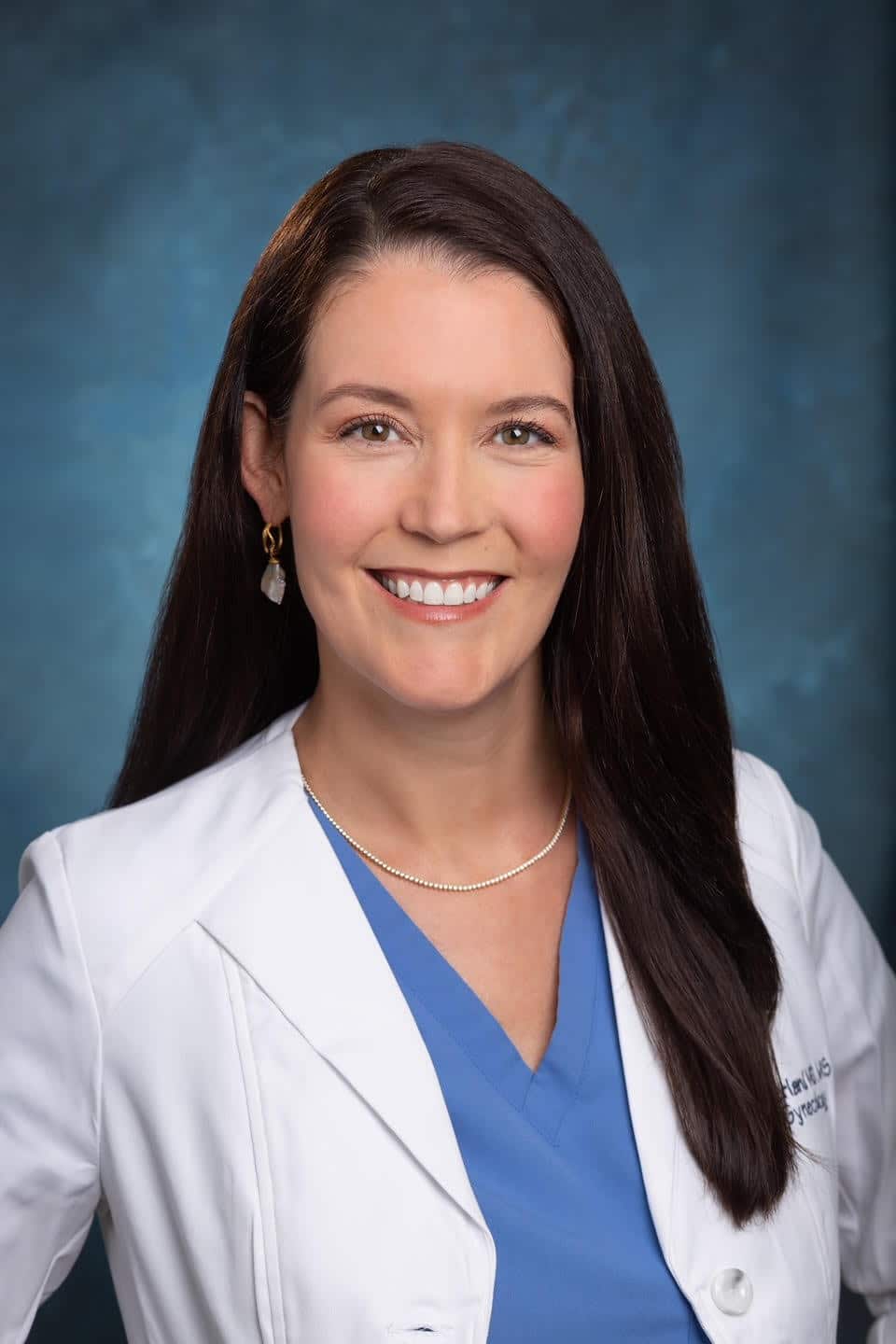
At Endo Excellence Center in Plano, TX, Dr. Rachael Haverland—a Mayo Clinic–trained, board-certified specialist in minimally invasive gynecologic surgery—provides individualized assessments and comprehensive care planning that integrate both surgical and non-surgical options.
Which Treatments Help Most, and How Quickly Can They Work?
Here is a simple overview of commonly used treatments and what they typically address:
A combined approach often provides the most lasting relief:
- Begin with foundational self-care, such as sleep, nutrition, and mindfulness.
- Add pelvic-floor PT or counseling when muscle tension or stress-related distress plays a role.
- Seek specialist evaluation when symptoms remain persistent or imaging suggests residual disease.
If you feel your symptoms warrant a closer look, consider scheduling a consultation with a multidisciplinary center experienced in both excision surgery and integrative care—such as Endo Excellence Center in Plano, TX—to explore personalized next steps and realistic recovery options.
Frequently Asked Questions
What are the signs that stress is worsening my endometriosis symptoms?
Stress may be affecting your symptoms if you notice increased pelvic pain, more frequent flare-ups, higher anxiety, disrupted sleep, or changes in mood. Pain may feel more constant during stressful periods, and strategies that usually help—like rest or heat—may seem less effective. Keeping a simple symptom diary can make it easier to spot patterns and identify triggers.
How can I incorporate mindfulness into my daily routine?
Start small. Set aside 5–10 minutes each day to focus on your breath or a single body sensation. You can also weave mindfulness into everyday moments—such as eating, walking, or showering—by paying closer attention to how your body feels in those activities. Guided recordings or apps can be helpful for building consistency. Practicing around the same time each day often makes it easier to maintain the routine.
Are there specific dietary changes that can help manage endometriosis symptoms?
Many people find that choosing nutrient-rich, whole foods supports energy and emotional balance. Prioritize foods like fatty fish rich in omega-3s, colorful fruits and vegetables, whole grains, and legumes. Limiting highly processed foods, excess sugar, and large amounts of caffeine may also help stabilize mood and energy levels. For tailored guidance, a nutrition professional familiar with endometriosis can be a valuable resource.
What role does social support play in managing stress related to endometriosis?
Social support is an important part of coping with chronic symptoms. Connecting with friends, family, or peer groups can provide emotional validation and reduce the sense of isolation that often accompanies chronic pain. Sharing experiences with others who understand the condition can make it easier to manage stress and stay encouraged. Local support groups and online communities can be excellent places to start.
How can I tell if I need to seek professional help for my symptoms?
It may be time to seek medical or therapeutic support if your symptoms persist or worsen after 6–8 weeks of self-care, if pain is interfering with daily activities or sleep, or if you notice new concerning symptoms such as unusual bleeding, neurological changes, or unexplained weight loss. Early evaluation can help identify the underlying contributors to your symptoms and guide effective treatment.
What are the benefits of combining physical therapy with stress-management techniques?
Physical therapy and stress-management strategies often complement each other. Pelvic-floor physical therapy can reduce muscle tension and improve coordination, while mindfulness, breathing practices, and gentle movement help decrease stress-related reactivity and improve overall coping. Together, these approaches address both the physical and emotional aspects of chronic pelvic pain, creating a more complete and sustainable management plan.
Conclusion
Effective stress management can make a meaningful difference for people experiencing endometriosis symptoms after menopause. By combining supportive mind–body practices, healthy sleep routines, nourishing foods, and appropriate clinical care, many find they can reduce pain and improve overall well-being. If your symptoms continue or become difficult to manage, consider seeking specialist input to explore personalized options and create a plan that supports both physical comfort and emotional resilience.