

Menopause—including the transitional perimenopause and the later postmenopausal years—brings significant shifts in the hormonal environment that influences endometriosis. These changes directly impact symptom patterns for many women. This article will guide you through how declining ovarian estrogen typically reduces ectopic endometrial activity, why some women may still experience flare-ups or persistent pelvic pain, and the diagnostic and treatment strategies our clinicians use when endometriosis intersects with menopausal care. You’ll discover how perimenopausal hormonal volatility can provoke new or worsening symptoms, which diagnostic steps are most crucial for older patients, how medical and surgical options differ after menopause, and how hormone replacement therapy (HRT) should be thoughtfully approached for those with a history of endometriosis. This comprehensive guide also covers recurrence risk, related pelvic conditions such as adenomyosis, IBS, and interstitial cystitis (IC), and practical long-term management plans, including multidisciplinary support. Our goal is to offer clear, evidence-informed guidance, helping you understand when a specialist evaluation—including gold-standard excision surgery and individualized HRT counseling—is the right next step.
How Menopause Shapes Endometriosis Symptoms

Menopause primarily affects endometriosis symptoms through a sustained decline in circulating ovarian estrogen. This reduction lessens the stimulation of estrogen-sensitive ectopic lesions, often leading to significant symptom improvement for many women. The mechanism is clear: ectopic endometrial tissue thrives on estrogen-driven proliferation and inflammation. So, when estrogen levels fall, lesion activity and cyclic bleeding typically subside, and pelvic pain frequently decreases. However, outcomes can vary. Residual lesions, local estrogen production, estrogen derived from adipose tissue, and exogenous hormone exposure can all contribute to persistent symptoms or even recurrence. Understanding these mechanisms empowers both patients and clinicians to anticipate likely symptom trajectories and plan for monitoring or interventions if pain continues.
Endometriosis behaves differently across various reproductive stages and with different types of interventions. Our clinicians use these distinctions to guide testing and treatment decisions. The table below summarizes how perimenopause, surgical menopause, and natural postmenopause commonly influence lesions and symptoms.
This comparison clarifies that while many women experience symptomatic relief as estrogen declines, our clinicians remain vigilant for exceptions driven by residual implants, obesity-related estrogen production, or hormone therapy decisions that reintroduce estrogenic stimulation.
What is Endometriosis and How Does Menopause Influence It?
Endometriosis is a chronic gynecologic condition where tissue similar to the uterine lining grows outside the uterus, commonly on pelvic organs, the peritoneum, and ovaries. These lesions are highly responsive to sex steroids, especially estrogen. Mechanistically, estrogen promotes lesion growth, inflammation, and new blood vessel formation, which leads to cyclical bleeding, scarring, and pain during reproductive years. As ovarian estrogen production naturally declines with menopause, lesion stimulation typically decreases, and inflammatory activity often resolves, leading to clinical improvement for many women. Nevertheless, rare postmenopausal presentations and the small risk of malignant transformation in longstanding ovarian lesions highlight the need for targeted evaluation when new symptoms emerge after menopause.
Understanding the biology of these lesions clarifies why menopause isn’t an absolute cure: ectopic tissue can persist, local aromatase-driven estrogen synthesis may keep lesions active, and systemic factors like body fat can alter estrogen availability. This biological context directly explains how perimenopausal hormonal patterns can lead to unpredictable symptoms.
How Do Hormonal Shifts During Perimenopause Affect Endometriosis?
Perimenopause is marked by erratic ovarian function, with periods of high and low estradiol, anovulatory cycles, and unpredictable progesterone exposure. This hormonal volatility makes lesion activity and symptoms unstable. Intermittent surges of estrogen without consistent luteal-phase progesterone can trigger inflammation and transient bleeding from ectopic tissue, leading to flares of pelvic pain and new or heavier bleeding patterns that differ from previous cyclical symptoms. Clinically, patients often report unpredictable symptoms—pain that waxes and wanes and doesn’t follow prior patterns—which can complicate self-management and the timing of interventions.
Because perimenopausal flares can often precede later improvement, our clinicians emphasize symptom tracking and conservative management first. Diagnostic laparoscopy or definitive interventions are typically reserved for persistent or progressive disease. Therefore, careful tracking and documentation during this phase are crucial for informing subsequent decisions about imaging, medical therapy, or surgical planning.
Can Endometriosis Symptoms Linger or Worsen After Menopause?
While uncommon, the persistence or worsening of endometriosis after menopause is well-documented. Key factors include residual disease left after previous surgery, peripheral estrogen production, obesity-related aromatization, and exposure to exogenous estrogen. Mechanistically, even low levels of estrogen or local estradiol production within lesions can sustain inflammatory signaling and pain, leading to persistent non-cyclical pelvic pain in some postmenopausal patients. The small but real possibility of malignant transformation in longstanding ovarian endometriomas makes new or progressive masses and unexplained bleeding important clinical red flags.
Given these potential risks, our clinicians recommend vigilance: persistent symptoms warrant targeted evaluation, including imaging and consideration of diagnostic excision for tissue diagnosis when suspicion remains. This diagnostic vigilance leads us to practical symptom descriptions and important differential considerations.
What Are the Common Endometriosis Symptoms During Perimenopause and Postmenopause?
Symptoms during perimenopause and postmenopause often shift from classic cyclical pain to more variable or non-cyclical pelvic pain, though some menstrual-related symptoms may persist until menopause is complete. Perimenopause commonly brings increased flare frequency, irregular spotting or heavier bleeding, and fluctuating pelvic pain intensity. Postmenopause often results in reduced cyclical pain but may involve ongoing pelvic discomfort, painful intercourse (dyspareunia), bowel/bladder symptoms, or new-onset pelvic pain unrelated to periods. Vaginal atrophy and other menopausal changes can overlap with endometriosis symptoms, making assessment and care more complex.
- Common symptom clusters to be aware of:
Persistent non-cyclical pelvic pain and deep pain during intercourse.
New or changing bowel or bladder symptoms (such as constipation, urgency, or painful urination).
Vaginal dryness and atrophic pain that can overlap with endometriosis-related sexual pain.
These overlapping symptom profiles require careful history-taking and a thorough examination to distinguish endometriosis activity from menopausal changes and other pelvic floor or urologic conditions.
Diagnostic Challenges for Endometriosis in Menopausal and Postmenopausal Women
Diagnosing endometriosis in older patients presents unique challenges because clinical suspicion is often lower, imaging sensitivity can be reduced, and symptom overlap with menopausal conditions can lead to misattribution of pain. Older patients may present with atypical, non-cyclical pain or with bowel/bladder complaints that mimic Irritable Bowel Syndrome (IBS) or Interstitial Cystitis (IC). Routine pelvic ultrasound may also miss small peritoneal implants. A definitive diagnosis frequently requires surgical visualization with excision and histology. Evaluation should also carefully consider rare but serious differential diagnoses, such as adnexal neoplasms.
A practical, stepwise diagnostic approach helps our clinicians navigate these challenges while minimizing unnecessary interventions.
Our diagnostic approach includes a detailed history, focused exam, selective imaging, and consideration of laparoscopy:
- Comprehensive History: We carefully document your symptom chronology, prior surgeries, HRT exposure, and any red flags such as new postmenopausal bleeding.
- Focused Pelvic Examination: We identify focal tenderness, nodularity, or fixed pelvic organs that may suggest deep disease.
- Selective Imaging: We utilize transvaginal ultrasound and MRI selectively to evaluate endometriomas and deep infiltrating disease.
- Surgical Diagnosis: We consider diagnostic laparoscopy with excision and histopathology when imaging and clinical features remain inconclusive, providing both diagnosis and treatment.
These steps reduce diagnostic uncertainty and guide appropriate referrals. Next, let’s consider how related conditions can complicate the picture.
How is Endometriosis Diagnosed in Older Women?
For older women, a definitive diagnosis often still relies on laparoscopy with excision and histological confirmation, as noninvasive tests can be less sensitive for peritoneal implants. Our clinicians begin with a careful history, focusing on symptom evolution and prior treatments, then proceed to a targeted pelvic exam. Imaging is ordered based on suspected disease sites—transvaginal ultrasound for ovarian lesions and MRI for suspected deep infiltrating disease. When imaging is non-diagnostic but clinical suspicion remains high, diagnostic laparoscopy both identifies lesions and allows for complete excision for therapeutic and diagnostic purposes. This approach also permits tissue evaluation to rule out malignancy in suspicious adnexal masses.
Thus, surgical diagnosis serves both to secure a definitive diagnosis and to guide definitive treatment, seamlessly linking diagnosis to therapeutic planning.
What Role Do Related Conditions Like Adenomyosis and IBS Play in Diagnosis?
Adenomyosis, Irritable Bowel Syndrome (IBS), and Interstitial Cystitis (IC) commonly coexist with or mimic endometriosis, and they can complicate the diagnostic process by producing overlapping pain, bowel, and bladder symptoms. Adenomyosis often causes heavy bleeding and painful periods during reproductive years and may partially improve after menopause, but residual pain can remain and be mistaken for endometriosis. IBS and IC symptoms—such as bowel irregularity, urgency, urinary frequency, and pelvic pain—may either improve or worsen with menopausal changes, requiring collaboration with gastroenterology and urology specialists when these symptoms are prominent.
A multidisciplinary diagnostic plan that includes symptom mapping, targeted investigations, and specialist referrals improves accuracy and ensures the primary cause of your pain is identified and treated appropriately.
How Can Persistent Pelvic Pain Be Distinguished from Other Menopausal Symptoms?
Differentiating persistent pelvic pain due to endometriosis from generalized menopausal symptoms requires careful attention to the quality of pain, its triggers, and its response to therapies. Endometriosis-related pain is often focal, associated with intercourse or bowel movements, and may feature reproducible pelvic tenderness or nodularity during examination. In contrast, systemic menopausal symptoms like hot flashes, mood changes, and sleep disturbances rarely explain localized pelvic pain. A trial of non-hormonal pain management and pelvic floor therapy can help differentiate musculoskeletal contributors. Escalation to imaging or diagnostic laparoscopy is warranted when focal signs, progressive symptoms, or red flags (e.g., new postmenopausal bleeding) are present.
This careful differential strategy informs our treatment choices and follow-up planning for persistent pain in older patients.
Treatment Options for Endometriosis After Menopause
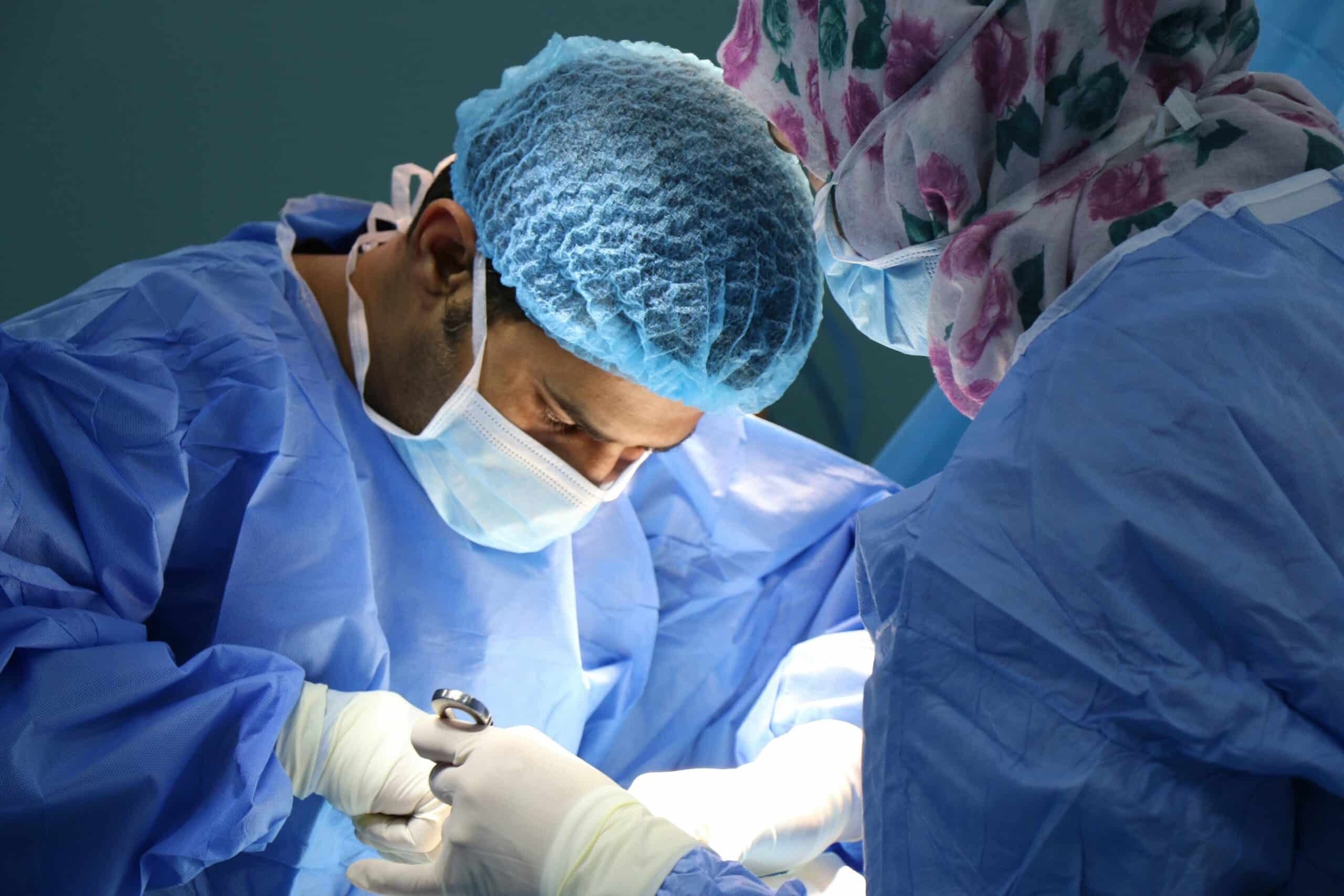
Treatment after menopause includes surgical excision, targeted medical therapies, and non-hormonal symptom management. These options are carefully chosen by balancing efficacy, safety, and your personal goals. Excision surgery remains the gold standard for persistent postmenopausal disease because it effectively removes lesions and provides tissue diagnosis, significantly lowering recurrence rates when complete removal is achieved. Medical therapies such as progestins or aromatase inhibitors may suppress residual lesion activity when surgery isn’t feasible, while non-hormonal pain management, pelvic floor therapy, and lifestyle strategies support overall symptom control and well-being. Our individualized treatment planning considers your comorbidities, prior surgeries, and any planned or ongoing Hormone Replacement Therapy (HRT).
This comparison highlights excision surgery as the most definitive option, while medical and non-hormonal approaches offer valuable alternatives or adjuncts tailored to your individual needs.
Why is Excision Surgery the Gold Standard for Postmenopausal Endometriosis?
Excision surgery is considered the gold standard because it not only removes the disease burden and addresses scarring and adhesions but also yields tissue for histopathology. This is particularly crucial in older patients where malignancy must be definitively ruled out. Complete and meticulous excision significantly lowers recurrence risk compared to superficial ablation and provides diagnostic clarity when imaging results are inconclusive. Surgical planning for postmenopausal patients must account for altered tissue quality, potential comorbidities, and perioperative risks. However, when performed by experienced excision specialists, outcomes can include durable pain relief and improved pelvic function.
Therefore, surgical expertise is paramount; the quality of excision directly influences recurrence risk and long-term outcomes, prompting careful patient selection and thorough preoperative counseling. This leads us to explore medical options for those who may not be candidates for surgery.
What Medical Therapies Are Available for Managing Symptoms After Menopause?
Medical options include systemic progestins, aromatase inhibitors to block peripheral estrogen synthesis, and the selective use of neuromodulators and analgesics to manage pain. Each of these therapies has specific mechanisms, benefits, and monitoring requirements. Progestins counteract estrogenic stimulation of lesions and can reduce inflammation and pain, while aromatase inhibitors decrease local estradiol production within lesions, proving particularly useful when peripheral estrogen synthesis is suspected to sustain the disease. Non-hormonal agents such as neuropathic pain medications, NSAIDs, and pelvic floor rehabilitation are important adjuncts that address pain perception and functional limitations without hormonal effects.
The evidence base for these therapies in postmenopausal endometriosis is more limited compared to management during reproductive age. Therefore, specialist oversight and individualized risk–benefit discussions are essential when selecting medical approaches.
How Do Lifestyle Changes Support Endometriosis Management in Menopause?
Lifestyle measures play a vital supplementary role in reducing symptom burden and enhancing overall health during and after menopause. Dietary strategies that reduce systemic inflammation, regular aerobic and strength exercise to improve pain thresholds and metabolism, weight management to reduce peripheral estrogen production, pelvic floor physical therapy for musculoskeletal contributors, and effective sleep and stress management all contribute significantly to symptom control and quality of life. Smoking cessation and cardiovascular health promotion are also crucial, given the broader health risks that increase after menopause and intersect with therapeutic choices.
Implementing these measures with realistic, stepwise goals enhances medical and surgical outcomes and supports long-term well-being for women living with endometriosis.
Hormone Replacement Therapy (HRT) and Endometriosis Symptoms During and After Menopause
Hormone Replacement Therapy (HRT) can effectively relieve menopausal symptoms, but it may carry the risk of reactivating residual endometriosis. Selecting the right regimen requires individualized counseling and shared decision-making. Estrogen stimulates ectopic lesions and can provoke symptom recurrence when given without adequate progestin opposition, while combined estrogen-plus-progestin regimens or alternative agents may mitigate some of this risk. Our clinicians carefully assess prior surgical completeness, the presence of residual disease, and your individual symptom burden to balance menopausal relief against the potential for reactivation. We also establish clear monitoring plans for patients who choose systemic estrogen therapy.
This table supports a counseling-first approach and directly links to the shared decision-making strategies we discuss with our patients.
What Are the Risks of Estrogen-Only HRT for Women with Endometriosis?
Estrogen-only HRT can stimulate residual endometriotic implants and provoke symptom recurrence or the growth of existing lesions, because exogenous estrogen provides the fuel that these lesions respond to. In postmenopausal patients with a history of endometriosis, unopposed estrogen may therefore increase pain or mass effect and—rarely—be associated with malignant changes in longstanding ovarian lesions. This is why careful evaluation of prior surgical completeness and current disease status is strongly recommended before initiating estrogen-only regimens. Monitoring includes vigilant symptom surveillance and imaging when new symptoms or masses arise.
Given these risks, many clinicians at our center avoid unopposed systemic estrogen in patients with a history of endometriosis unless surgical history and imaging suggest minimal residual risk, and the benefits clearly outweigh potential harms.
How Can Combined HRT Benefit Women with a History of Endometriosis?
Combined HRT pairs systemic estrogen with progestin to counteract endometrial stimulation, offering symptomatic relief for menopausal symptoms while reducing—though not entirely eliminating—the risk of reactivating endometriosis. Progestin works to oppose estrogen-driven proliferation and may suppress ectopic lesion activity, making combined regimens a commonly chosen compromise when systemic HRT is necessary for improving quality of life. Individualized selection of progestin type, dose, and route—alongside close follow-up for pain recurrence—helps us tailor therapy for both safety and effective symptom control.
Counseling should therefore present combined HRT as a thoughtful option that balances menopausal symptom relief against a carefully measured risk of lesion stimulation, always within a framework of shared decision-making with your dedicated care team.
What Are Alternative Hormone Therapies Like Tibolone and Their Effects?
Tibolone is a synthetic steroid with tissue-selective estrogenic, progestogenic, and androgenic metabolites that can relieve menopausal symptoms. However, evidence regarding its safety in women with a history of endometriosis is limited and mixed. Because tibolone exerts estrogenic effects in some tissues, it may theoretically stimulate residual endometriotic tissue in susceptible patients, so specialist consultation is strongly advised before use. Where HRT is contraindicated or undesired, non-hormonal strategies for vasomotor and genitourinary symptoms are important and effective alternatives.
When considering HRT alternatives, coordination between menopause specialists and endometriosis experts ensures that symptom relief does not come at the cost of disease reactivation, providing you with truly comprehensive care.
How Should Patients Be Counseled About HRT and Endometriosis?
Counseling at our center is structured, evidence-informed, and deeply patient-centered. We review your surgical and histologic history, assess your current symptom burden and imaging, discuss HRT types and their relative risks, and collaboratively agree on a monitoring plan with clear thresholds for re-evaluation. Shared decision-making includes outlining the benefits of improved sleep, mood, and vasomotor control against the risk of pain recurrence, specifying follow-up intervals, and planning for swift assessment if new pelvic pain or masses occur. Thorough documentation of consent and a clear plan for symptom surveillance or imaging are essential parts of safely initiating HRT.
This comprehensive counseling framework supports informed choices and directly links to specialist pathways for those needing tailored HRT strategies or surgical consideration in the context of endometriosis.
Can Endometriosis Symptoms Return or Develop After Menopause?
Yes—endometriosis symptoms can return or, rarely, develop for the first time after menopause, though recurrence is uncommon. Key drivers include exogenous hormones, incomplete prior excision, and obesity-related peripheral estrogen synthesis. The overall likelihood of recurrence is low compared with reproductive years, but quantifiable estimates vary in literature; certain factors materially increase risk. When symptoms recur or newly appear, our clinicians carefully evaluate hormone exposures, prior surgical completeness, and perform targeted imaging and, if indicated, diagnostic excision to rule out malignancy.
Understanding this risk landscape informs our individualized surveillance and therapeutic thresholds for escalating care.
What Is the Likelihood of Endometriosis Recurrence Postmenopause?
Published estimates suggest that postmenopausal cases are uncommon overall, and recurrence rates after prior definitive surgery remain low but not zero. Risk modifiers include ongoing estrogen exposure, incomplete excision, and adiposity. While exact percentages vary by study and patient population, clinical practice recognizes that patients with residual implants or those who begin systemic estrogen are more likely to experience symptomatic return. The individualized nature of risk calls for personalized counseling and close follow-up rather than a one-size-fits-all prognostication.
Quantifying risk for each patient therefore requires integrating surgical history, current hormone use, and comorbidities to guide monitoring and management choices tailored specifically for you.
How Does Hormone Therapy Influence Recurrence Rates?
Hormone therapy influences recurrence by reintroducing systemic estrogen that can stimulate residual endometriotic tissue. Estrogen-only regimens carry the highest theoretical risk, whereas combined estrogen-plus-progestin therapies may lower, but do not eliminate, that risk. The route and dose of estrogen also matter: systemic preparations expose pelvic implants more than low-dose local vaginal estrogen, though local therapy carries its own considerations. Our clinicians therefore carefully balance the symptomatic benefits of HRT against recurrence risk and define monitoring strategies that include regular symptom checks and imaging when clinically indicated.
These considerations emphasize the need for shared decisions and tailored monitoring when HRT is used in women with a history of endometriosis, ensuring your comfort and safety.
Is It Possible to Develop Endometriosis for the First Time After Menopause?
Developing *de novo* postmenopausal endometriosis is rare but documented. Likely mechanisms include exogenous estrogen exposure, previously undetected microscopic disease that becomes clinically apparent, or neoplastic processes mimicking endometriosis. Given its rarity, new postmenopausal endometriosis presentations prompt a careful workup to exclude malignancy, including targeted imaging and consideration of diagnostic excision when indicated. Our clinicians therefore treat new-onset pelvic masses or progressive pain in postmenopausal patients with serious attention, utilizing a structured evaluation pathway.
This rare possibility underscores the critical importance of prompt assessment for any new pelvic symptoms in older patients.
How Are Related Conditions Affected by Menopause in Women with Endometriosis?

Menopause affects comorbid pelvic conditions in ways that can either relieve or complicate symptom interpretation, and coordinated management across specialties significantly improves outcomes. Adenomyosis often improves with ovarian senescence, but some symptoms may persist and require imaging to differentiate from endometriosis. IBS and IC may worsen, improve, or change character during menopause, and their symptom overlap with endometriosis makes multidisciplinary assessment (GI, urology, pelvic floor therapy) particularly valuable for older patients.
Understanding these intricate interactions enables prioritized referrals and targeted treatments that address the dominant pain generator, providing you with comprehensive relief.
What Is the Impact of Menopause on Adenomyosis Symptoms?
Adenomyosis, which involves endometrial tissue growing within the uterine muscle (myometrium), usually responds to declining ovarian hormones with symptom improvement after menopause, leading to decreased heavy bleeding and menstrual pain. Despite this typical trajectory, some women continue to experience pelvic pain or bulk symptoms that can mimic endometriosis. Imaging such as MRI or focused ultrasound can help differentiate the causes. When adenomyosis symptoms persist and significantly impair quality of life, surgical options may be considered, with decision-making influenced by overall health and menopausal status.
Recognizing adenomyosis as a potential co-contributor helps avoid misattributing all pelvic pain to endometriosis and guides truly targeted therapy for your unique needs.
How Do Irritable Bowel Syndrome and Interstitial Cystitis Interact with Endometriosis During Menopause?
Irritable Bowel Syndrome (IBS) and Interstitial Cystitis (IC) commonly overlap with endometriosis and may change course during menopause, producing variable patterns of bowel and bladder pain that can complicate diagnosis. Hormonal changes can alter bowel motility and pelvic floor sensitivity, sometimes exacerbating IBS symptoms, while IC can present with urinary urgency and bladder pain that mimic bladder endometriosis. Effective management relies on careful symptom mapping, directed testing (e.g., GI evaluation, urology assessment), pelvic floor therapy, and coordinated care plans that treat the predominant driver of pain rather than assuming a single cause.
This cross-disciplinary approach reduces diagnostic delays and significantly improves symptom-targeted treatment outcomes for our patients.
What Are the Best Practices for Long-Term Management of Endometriosis Symptoms Through Menopause and Beyond?
Long-term management at our center emphasizes regular monitoring, multidisciplinary support, lifestyle optimization, and clear criteria for when to escalate to surgical intervention. Patients benefit immensely from symptom diaries and validated pain scales to objectively document changes over time, structured follow-up plans that reassess HRT decisions and treatment response, and access to pelvic pain specialists, gastroenterology, urology, pelvic floor therapy, and mental health resources as needed. Establishing clear surgical thresholds—such as failed medical therapy, progressive symptoms, or suspected neoplasm—enables timely referral for excision by our experienced surgeons when appropriate.
These practices prioritize patient-centered care and durable symptom control while minimizing unnecessary procedures, ensuring your long-term well-being.
How Can Patients Monitor and Manage Persistent Pelvic Pain After Menopause?
Effective monitoring begins with a simple pain diary or validated pain scale to capture intensity, triggers, and functional impact, enabling objective tracking over time and informing decisions about escalation. Conservative management starts with non-hormonal analgesics, pelvic floor physical therapy, regular exercise, and lifestyle measures (such as adequate sleep, stress reduction, and an anti-inflammatory diet). Meanwhile, our clinicians vigilantly reassess for red flags. Patients should seek prompt evaluation for new systemic symptoms, unexplained bleeding, or progressive masses, and understand that persistent severe pain or diagnostic uncertainty justifies specialist referral for imaging and potential diagnostic excision.
This stepwise approach helps prioritize low-risk interventions while preserving options for definitive therapy when needed, always with your best health in mind.
What Support and Resources Does Endo Excellence Center Provide for Menopausal Women with Endometriosis?
The Endometriosis Center of Excellence specializes in comprehensive, personalized, multidisciplinary care for women with endometriosis. We offer gold-standard excision surgery performed by a board-certified specialist, along with coordinated support for pelvic pain, bowel and bladder health, fertility concerns, and emotional well-being. Our approach emphasizes individualized treatment planning that integrates surgical expertise with non-hormonal management, pain medicine, pelvic floor therapy, and appropriate GI/urology referrals, ensuring continuity of care through your menopausal transition. We encourage patients seeking a consultation or second opinion to contact our clinic to discuss a personalized management plan that aligns with your unique goals and medical history.
This resource-focused model complements community-based care by providing targeted surgical and multidisciplinary options when local management is insufficient, offering you true excellence in care.
When Should Patients Consider Surgical Intervention After Menopause?
Surgical intervention is indicated when symptoms are resistant to conservative measures, when diagnostic uncertainty persists despite imaging, when an adnexal mass suspicious for neoplasm is present, or when your quality of life is substantially impaired despite medical therapy. Decision-making should carefully weigh perioperative risks in older patients, comorbidities, and the likelihood that complete excision will reduce recurrence and clarify diagnosis. When surgery is pursued, selecting an experienced excision surgeon optimizes the chances of durable symptom relief and minimizes the risk of residual disease.
Clear surgical thresholds and specialist involvement ensure that surgery is used when the expected benefits truly justify the intervention, providing both diagnostic clarity and significant therapeutic advantage.
Frequently Asked Questions About Endometriosis and Menopause
What lifestyle adjustments can help manage endometriosis symptoms during menopause?
Lifestyle adjustments play a significant role in managing endometriosis symptoms during menopause. Incorporating a balanced diet rich in anti-inflammatory foods, engaging in regular exercise, and maintaining a healthy weight can help reduce symptom severity. Additionally, practices such as pelvic floor therapy, stress management techniques, and ensuring adequate sleep can greatly improve your overall well-being. These changes not only support physical health but also enhance mental health, which is crucial during the menopausal transition. Establishing realistic goals and gradually implementing these changes can lead to sustainable improvements in your quality of life.
How can patients effectively monitor their endometriosis symptoms after menopause?
Effectively monitoring endometriosis symptoms after menopause involves keeping a detailed symptom diary that tracks pain intensity, triggers, and any changes in symptoms over time. This documentation helps both you and your healthcare providers identify patterns and assess the effectiveness of treatments. Regular follow-ups with healthcare professionals are essential to discuss any new or worsening symptoms, ensuring timely interventions. Utilizing validated pain scales can also aid in objectively measuring symptom changes, guiding treatment decisions, and enhancing communication with your dedicated care team.
What should patients do if they experience new pelvic pain after menopause?
If you experience new pelvic pain after menopause, it is crucial to seek medical evaluation promptly. New or worsening symptoms may indicate residual endometriosis, other pelvic conditions, or even, rarely, malignancy. A thorough assessment, including a detailed history, physical examination, and possibly imaging studies, is necessary to determine the precise cause. Please do not hesitate to discuss your concerns with your healthcare provider, as early intervention can lead to better outcomes and more effective management strategies.
What role does multidisciplinary care play in managing endometriosis during menopause?
Multidisciplinary care is vital for effectively managing endometriosis during menopause, as it addresses the complex interplay of symptoms and related conditions. Collaboration among specialists, including gynecologists, pain management experts, gastroenterologists, and mental health professionals, ensures comprehensive treatment. This integrated approach allows for tailored management plans that consider all aspects of your health, significantly improving symptom control and overall quality of life. Coordinated care also facilitates better communication and support, empowering you to navigate your treatment journey more effectively.
How can patients prepare for discussions about hormone replacement therapy (HRT) with their healthcare provider?
To prepare for discussions about hormone replacement therapy (HRT), patients should gather relevant medical history, including previous endometriosis treatments and current symptoms. It is incredibly helpful to list any questions and concerns you have regarding HRT, such as potential risks and benefits, especially in relation to endometriosis. You may also want to consider your personal goals for symptom management and improving your quality of life. Open communication with your healthcare providers about your preferences and expectations can lead to a more informed and collaborative decision-making process regarding HRT options.
What are the potential risks of hormone therapy for women with a history of endometriosis?
Hormone therapy, particularly estrogen-only regimens, can pose risks for women with a history of endometriosis, as it may stimulate residual endometriotic tissue and provoke symptom recurrence. This risk necessitates careful evaluation of your surgical history and current disease status before initiating therapy. Combined estrogen and progestin therapies may mitigate some risks, but ongoing monitoring is essential. Patients should discuss these potential risks thoroughly with their healthcare provider to carefully weigh the benefits of symptom relief against the possibility of exacerbating endometriosis-related issues.
Your Path to Relief: Endometriosis and Menopause
Understanding the intricate interplay between menopause and endometriosis is crucial for effective symptom management and treatment planning. By recognizing how hormonal changes impact endometriosis, you can better navigate your care options and significantly improve your quality of life. For personalized support and expert guidance, we encourage you to reach out to a specialist who can tailor a management plan to your unique needs. Explore our resources to empower your journey through menopause and beyond, finding the hope and relief you deserve.