

Endometriosis, a persistent inflammatory condition where tissue similar to the uterine lining grows beyond the uterus, often leads to debilitating pelvic pain, bloating, and profound fatigue. Emerging research increasingly points to a significant link between food sensitivities and endometriosis, suggesting that dietary triggers can intensify inflammation and exacerbate symptoms, making nutritional strategies a cornerstone of effective management.
This article dives into the intricate relationship between food sensitivities and endometriosis, spotlighting common dietary culprits, explaining the gut-endometriosis connection, outlining methods for identifying sensitivities, addressing debates surrounding specific foods like soy, and presenting a comprehensive approach to management. By leveraging these insights, women and their healthcare partners can work towards minimizing flare-ups and enhancing their quality of life through personalized nutrition and expert guidance.
What’s the Link Between Food Sensitivities and Endometriosis Symptoms?
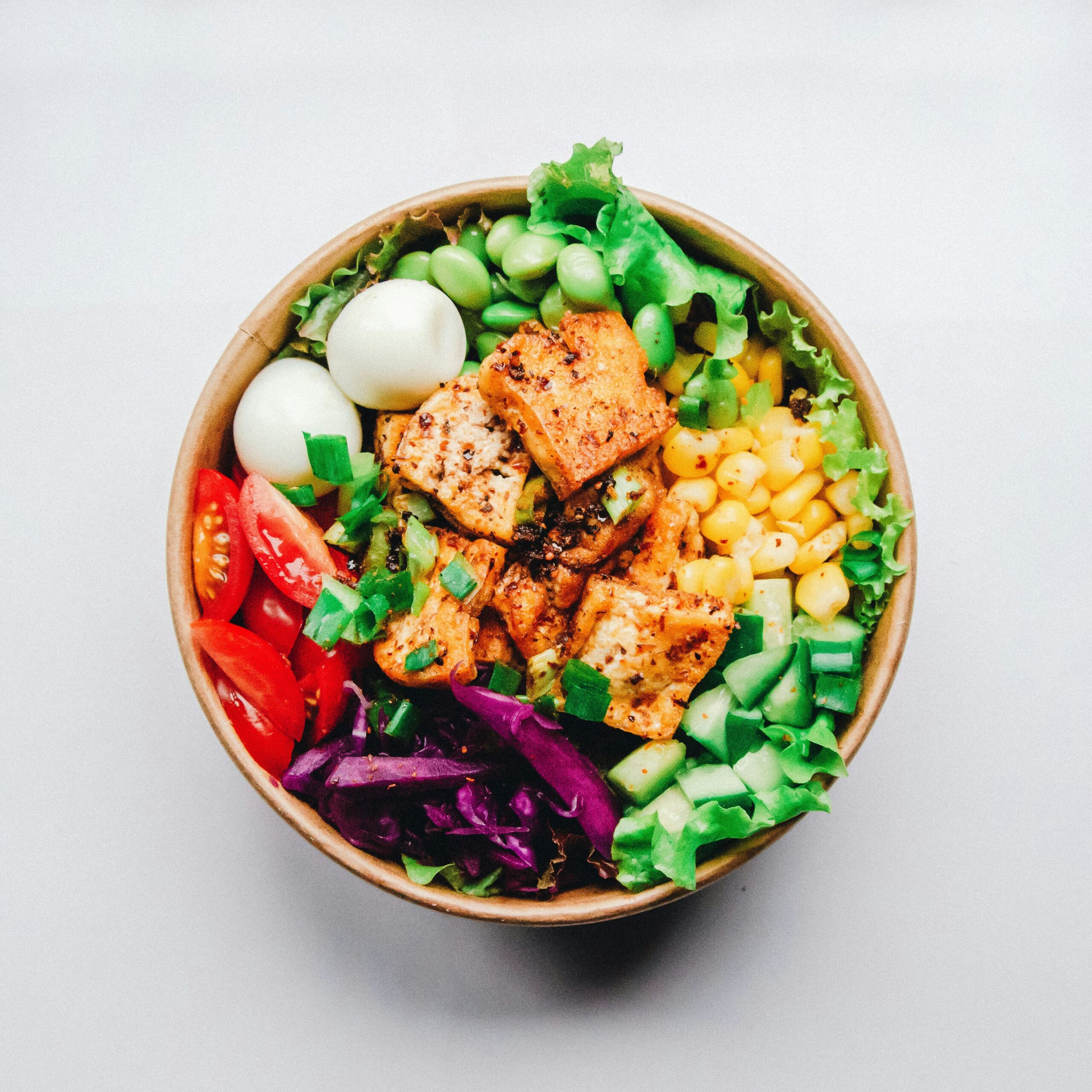
Food sensitivity describes adverse digestive responses to particular foods that don’t involve the allergic immune system. These sensitivities can worsen endometriosis symptoms by fueling low-grade inflammation and impacting estrogen metabolism. For instance, lactose intolerance might provoke bloating and pelvic discomfort that closely mimic endometriosis flare-ups. Grasping this connection is fundamental for implementing targeted dietary adjustments that can alleviate pain and improve daily functioning.
Certain food components that the body struggles to fully digest or detoxify can compromise the intestinal barrier, allowing inflammatory substances to enter the bloodstream. This process can escalate cytokine production within pelvic lesions, intensifying pelvic pain and dysmenorrhea. Given that dietary elements influence both gut integrity and hormonal balance, addressing food sensitivities becomes paramount for effective symptom management and achieving lasting relief.
The Role of Food Sensitivities in Endometriosis
Food sensitivities can ignite inflammation and alter estrogen metabolism, potentially worsening endometriosis symptoms. Understanding this dynamic is vital for crafting dietary strategies to manage pain and enhance daily life for individuals with endometriosis.
By clarifying the distinctions between sensitivities and allergies, identifying which symptoms are most impacted, and examining the underlying inflammatory pathways, patients can gain a clearer understanding of why diet is so critical—and how nutrition can be strategically employed to complement specialized care at a center like EndoExcellence.
How Do Food Sensitivities Differ from Food Allergies in Endometriosis?
An IgE-mediated immune response characterizes food allergies, whereas food sensitivities trigger non-immune digestive distress that can aggravate inflammation. Recognizing this crucial difference helps patients and their healthcare providers select the most appropriate diagnostic and management approaches.
This comparative overview clarifies why sensitivity testing often relies on elimination diets and symptom tracking rather than skin-prick tests or IgE panels. Differentiating these reactions is key to developing personalized nutrition plans that directly address endometriosis-related discomfort without unnecessary allergy interventions.
Which Endometriosis Symptoms Are Affected by Food Sensitivities?
Food sensitivities most frequently intensify gastrointestinal and pelvic symptoms, including:
- Pelvic Pain – Foods that are poorly digested may elevate inflammatory mediators, sensitizing nerve endings within lesions.
- Bloating and Distension – Malabsorption of carbohydrates can lead to increased gas production, exacerbating abdominal pressure.
- Dysmenorrhea – Inflammatory prostaglandins can surge when certain foods are not properly digested, worsening menstrual cramps.
- Fatigue – Persistent low-grade inflammation stemming from sensitivities can disrupt energy metabolism and hormonal balance.
- Digestive Discomfort – Symptoms like diarrhea, constipation, and those resembling irritable bowel syndrome often overlap with endometriosis flare-ups.
By identifying which symptoms arise after consuming specific foods, women can better interpret their symptom patterns and adjust their diet—paving the way for targeted elimination protocols that address both gut and pelvic discomfort.
How Does Inflammation Connect Food Sensitivities to Endometriosis Pain?
Food sensitivities in the gut can trigger immune responses and the release of pro-inflammatory cytokines like TNF-α and IL-6. These mediators can travel to endometrial implants, promoting lesion growth and increasing the sensitivity of pain receptors. This cycle of gut-driven inflammation and pelvic tissue irritation can become self-perpetuating, leading to persistent discomfort.
Understanding this inflammatory pathway highlights why anti-inflammatory diets and probiotics can offer significant relief. By strengthening the gut barrier and reducing the overall burden of systemic cytokines, nutritional strategies can directly modulate the inflammatory drivers that worsen endometriosis pain—forming a crucial element of dietary symptom management.
What Are the Most Common Food Sensitivities That Worsen Endometriosis Symptoms?

Endometriosis is a complex condition fueled by inflammation and hormonal imbalances, and what you eat can play a major role in how your body responds. While diet alone isn’t a cure, certain foods are known to trigger flare-ups and make symptoms like pain, bloating, and fatigue worse. Many people with endometriosis find that hidden food sensitivities, especially to common everyday ingredients, can quietly intensify discomfort. Understanding which foods are most often linked to symptom aggravation is the first step toward making dietary choices that support better management of endometriosis.
How Does Gluten Impact Endometriosis Symptoms and Inflammation?
Gluten sensitivity can compromise intestinal permeability and elevate inflammation markers, potentially intensifying pelvic pain. Some research suggests that adopting a gluten-free diet can lower C-reactive protein levels and correlate with reduced pain in certain individuals. Eliminating gluten-containing grains often results in noticeable improvements in bloating, dysmenorrhea, and overall well-being.
Gluten and Endometriosis Symptoms
Studies indicate that a gluten-free diet may help reduce C-reactive protein levels and correlate with significant pain reduction for some patients. Eliminating gluten-containing grains frequently leads to marked improvements in bloating and overall quality of life.
Can Dairy Sensitivities Increase Endometriosis Pain and Bloating?
Sensitivities to lactose and casein can contribute to bacterial overgrowth and gas production, which in turn exacerbate abdominal distension and pelvic pressure. Additionally, dairy peptides might trigger inflammatory responses in susceptible individuals. A dairy-free elimination phase typically leads to reduced bloating and fewer painful cramps, supporting its inclusion in personalized eating plans.
What Role Do FODMAPs Play in Endometriosis and Gut Symptoms?
FODMAPs, which stand for Fermentable Oligosaccharides, Disaccharides, Monosaccharides, and Polyols, are carbohydrates that are poorly absorbed by the gut. They can feed gut bacteria, leading to excess gas and discomfort. Low-FODMAP diets can alleviate bloating, help normalize bowel movements, and potentially reduce pelvic pain by decreasing gut-derived inflammatory signals—a benefit reported by many women experiencing endometriosis-related IBS.
How Do Red Meat, Trans Fats, Alcohol, and Caffeine Trigger Endometriosis Flare-Ups?
Unprocessed red meat contains heme iron, which can promote oxidative stress and the synthesis of inflammatory prostaglandins. Trans fats can directly impair endothelial function and increase cytokine release. Alcohol and caffeine may disrupt hormonal balance and compromise gut permeability, thereby intensifying pelvic pain and menstrual irregularities. Reducing intake of these items often leads to noticeable symptom relief within one to two menstrual cycles.
How Does Gut Health Influence Food Sensitivities and Endometriosis Symptoms?

What Is the Role of Gut Dysbiosis and Leaky Gut in Endometriosis?
Gut dysbiosis, an imbalance in the types and amounts of gut bacteria, can weaken the tight junctions that form the intestinal lining. This condition, often referred to as “leaky gut,” allows endotoxins and undigested food particles to enter the bloodstream, triggering systemic inflammation and potentially contributing to the growth of endometrial lesions. Restoring microbial balance is crucial for disrupting this detrimental cycle.
How Does the Gut Microbiome Affect Estrogen Metabolism and Inflammation?
Certain gut bacteria produce enzymes, such as beta-glucuronidase, that can reactivate estrogens in the intestine, leading to increased circulating levels and potentially promoting lesion proliferation. A healthy microbiome supports the efficient excretion of estrogens and produces anti-inflammatory short-chain fatty acids (SCFAs), which contribute to pelvic tissue homeostasis and pain reduction.
The Gut Microbiome and Estrogen Metabolism
Specific gut bacteria generate enzymes that can reactivate estrogens within the intestine, increasing systemic levels and potentially fueling lesion growth. A balanced gut microbiome aids in proper estrogen excretion and produces anti-inflammatory short-chain fatty acids, which can help alleviate pain.
Can Probiotics and Gut-Friendly Diets Improve Endometriosis Symptoms?
Supplementing with targeted probiotics, such as specific strains of Lactobacillus and Bifidobacterium, can help reinforce the integrity of the intestinal lining and reduce systemic cytokine levels. A diet abundant in fiber, fermented foods, and polyphenols further nourishes beneficial gut microbes, enhancing the production of SCFAs and mitigating dysbiosis-driven inflammation that exacerbates endometriosis symptoms.
How Can You Identify and Manage Food Sensitivities to Reduce Endometriosis Symptoms?

Food sensitivities don’t cause endometriosis, but they can amplify inflammation, pain, and digestive discomfort, making symptoms harder to manage. Because each person’s body reacts differently, identifying and addressing these sensitivities is a powerful way to reduce flare-ups.
What Are Effective Methods for Identifying Food Sensitivities?
Three proven methods include:
- Elimination Diets – Systematically remove common trigger foods for 4–6 weeks, then reintroduce them one by one to monitor for reactions.
- Food Journaling – Keep a detailed record of daily food intake and symptoms to identify patterns between specific foods and experiences of pain or bloating.
- Laboratory Testing – Utilize breath tests for lactose or fructose intolerance and consider IgG-based panels for guided elimination, always under professional supervision.
Comparing your tracked results can reveal sensitivities that contribute to endometriosis-related inflammation and guide targeted dietary adjustments.
How Can a Nutritionist or Dietitian Help Personalize Your Endometriosis Diet?
A nutritionist specializing in endometriosis can expertly interpret elimination diet data, create balanced meal plans, and ensure adequate nutrient intake while avoiding identified triggers. Guidance from a center like EndoExcellence integrates your medical history, gut health assessments, and symptom patterns to develop a personalized nutrition roadmap that optimizes hormonal balance and reduces pelvic inflammation.
What Are the Best Dietary Strategies to Support Endometriosis Symptom Relief?
Three foundational approaches include:
- Anti-Inflammatory Diet – Focus on omega-3 rich fish, leafy greens, turmeric, and berries to help suppress cytokine production.
- Low-FODMAP Diet – Target fermentable carbohydrates to alleviate gut-derived pain signals.
- Gluten-Free Protocol – Eliminate gluten to reduce intestinal permeability and systemic inflammation.
Combining elements from these plans under professional guidance can help achieve maximum symptom relief while maintaining nutritional balance.
What Are the Benefits and Debates Surrounding Specific Foods Like Soy in Endometriosis?

Endometriosis is highly influenced by estrogen activity, which is why certain foods—particularly those with hormone-like compounds, spark ongoing discussion. Soy is one of the most debated because it contains phytoestrogens (plant-based compounds that mimic estrogen).
Is Soy Beneficial or Detrimental for Endometriosis Symptoms?
Soy contains phytoestrogens, which in high-estrogen environments may exhibit anti-estrogenic effects, potentially slowing lesion growth. Some studies link moderate soy consumption to slower endometriosis progression, while others caution that excessive intake could disrupt endocrine balance. A personalized, moderate approach guided by a dietitian is advisable.
How Should Histamine Sensitivity Be Considered in Endometriosis Dietary Management?
Histamine sensitivity arises when levels of the diamine oxidase (DAO) enzyme are insufficient, leading to an accumulation of histamine and mast cell activation. As histamine can worsen pain and inflammation, adopting a low-histamine diet—which excludes aged cheeses, fermented foods, and cured meats—may offer additional relief for individuals experiencing pelvic discomfort linked to mast cell activation.
How Does a Holistic Approach Beyond Diet Aid in Managing Endometriosis Symptoms?

Managing endometriosis often extends far beyond dietary changes alone. While nutrition plays an important role in reducing inflammation and supporting overall health, a holistic approach that incorporates stress management, movement, sleep quality, and emotional well-being can make a significant difference in symptom relief. Endometriosis affects multiple aspects of daily life, and addressing it requires more than a single intervention. By viewing the condition through a whole-body lens, considering physical, emotional, and lifestyle factors, individuals are better equipped to find sustainable ways of easing pain, improving energy levels, and enhancing quality of life.
How Do Stress and Mental Health Intersect with Food Sensitivities and Endometriosis?
Chronic stress can compromise the gut barrier, alter the composition of the gut microbiome, and elevate cortisol levels, all of which can intensify inflammation and pain sensitivity. Mind-body practices such as meditation, yoga, and biofeedback can help restore balance in the gut-brain axis, thereby reducing reactions to food sensitivities and alleviating the severity of pelvic symptoms.
What Role Do Exercise and Medical Treatments Play Alongside Dietary Changes?
Regular, low-impact exercise can enhance circulation, reduce estrogen dominance, and support the lymphatic system’s clearance of inflammatory debris. Concurrently, medical treatments—including hormonal therapies, pain management strategies, or surgical interventions—can be integrated with nutritional protocols to provide comprehensive relief and improve overall quality of life.
When Should You Seek Expert Medical and Nutritional Support for Endometriosis?
If your symptoms persist or worsen despite implementing at-home dietary modifications, it’s a clear indication to seek specialized intervention. Consulting with gynecologists and registered dietitians at a center dedicated to endometriosis ensures access to state-of-the-art diagnostics, customized nutrition plans, and multidisciplinary care that addresses both pelvic lesions and underlying systemic factors.
Conclusion
Chronic pelvic pain and digestive distress can significantly diminish daily enjoyment, but understanding how food sensitivities influence endometriosis empowers informed dietary choices. Individuals can reduce inflammation by identifying triggers, optimizing gut health, and embracing a comprehensive management plan supported by specialized experts, ease pain, and reclaim their vitality. For personalized guidance and advanced care, connect with the specialists at EndoExcellence Center to embark on a comprehensive journey toward symptom relief and enhanced well-being.