
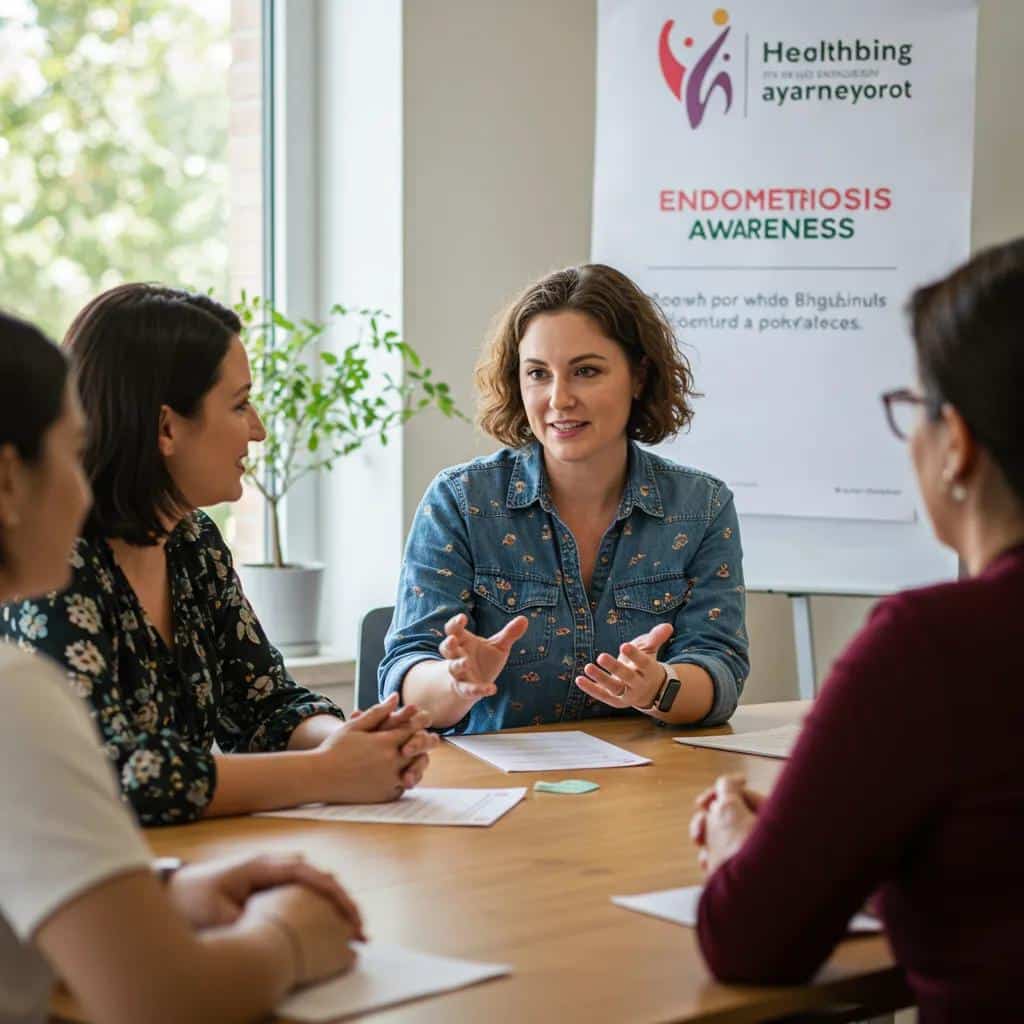
Endometriosis impacts approximately one in ten women of reproductive age, often presenting as other pelvic disorders, which can delay precise diagnosis and tailored treatment. This guide will illuminate why diagnosing endometriosis presents unique challenges, detail how to precisely differentiate its symptoms from conditions like IBS, PCOS, fibroids, interstitial cystitis, and PID, and explore advanced diagnostic methods culminating in the gold-standard laparoscopic confirmation. We will also explain how the specialized expertise at the Endo Excellence Center expedites accurate detection, outline effective treatment strategies following a clear diagnosis, and walk you through the typical patient journey from initial symptoms to expert care. By understanding what sets endometriosis apart from other pelvic pain conditions during diagnosis, you can become a more empowered advocate for timely evaluation and access therapies designed to restore your quality of life.
Why Is Diagnosing Endometriosis So Challenging?

Endometriosis is notoriously difficult to diagnose because its clinical presentation frequently overlaps with numerous pelvic pain syndromes, and there isn’t a single, universally effective non-invasive test. Many women endure years of cyclical pain, gastrointestinal distress, and urinary symptoms that mimic other conditions before finally receiving the correct diagnosis.
What Are the Overlapping Symptoms of Endometriosis and Other Pelvic Pain Conditions?
Endometriosis shares significant symptoms—chronic pelvic pain, painful periods, painful intercourse, bloating, and urinary urgency—with conditions such as IBS, interstitial cystitis, and pelvic inflammatory disease. These commonalities can create diagnostic confusion, often leading to a cycle of trial-and-error treatments.
How Does Lack of Awareness Affect Endometriosis Diagnosis?
Limited public and provider awareness often prolongs the diagnostic journey by normalizing severe menstrual pain and attributing symptoms to stress or common gastrointestinal issues. This can cause women to delay seeking specialized evaluation, and clinicians may overlook endometriosis in their initial differential diagnosis.
What Are the Common Causes of Endometriosis Misdiagnosis?
Misdiagnosis frequently stems from non-specific pelvic pain presentations, the limitations of routine imaging techniques, and fragmented care among general practitioners and specialists. Without a high index of clinical suspicion, endometriosis implants on the peritoneum or ovaries can remain undetected until surgical exploration.
How Can You Differentiate Endometriosis Symptoms From Other Pelvic Pain Conditions?

Precise differentiation requires a keen focus on symptom timing, the quality of pain experienced, and associated systemic signs. Below, you’ll find a comparative table summarizing the distinctive patterns between endometriosis and irritable bowel syndrome.
Before delving into the specifics, it’s important to note that IBS involves functional bowel changes without inflammatory implants, whereas endometriosis implants are hormonally responsive and can cause both gynecologic and visceral pain.
What Are the Key Differences Between Endometriosis and Irritable Bowel Syndrome (IBS) Symptoms?
Endometriosis pain typically escalates during the perimenstrual phase and is often accompanied by heavy or irregular menstrual bleeding. In contrast, IBS pain is more closely related to dietary triggers and tends to improve after a bowel movement. Bloating and gas in IBS are usually relieved by defecation, unlike the persistent dysmenorrhea characteristic of endometriosis.
The overlapping nature of symptoms between endometriosis and IBS can significantly complicate diagnosis, frequently leading to delays in receiving appropriate care.
How Does Endometriosis Differ From Polycystic Ovary Syndrome (PCOS) in Diagnosis?
Polycystic ovary syndrome typically manifests with irregular ovulation, hirsutism, and metabolic disturbances, rather than the cyclical deep pelvic pain and dyspareunia associated with endometriosis. Endometriosis diagnosis relies on detailed pain mapping and surgical visualization, whereas PCOS is diagnosed through hormone level assessments and ovarian ultrasounds.
What Distinguishes Endometriosis Symptoms From Uterine Fibroids?
Pain related to fibroids is often described as a feeling of heaviness or pressure and correlates with the size and location of the fibroids. Endometriosis pain, conversely, is typically sharp and cyclical. Imaging distinctions are evident on ultrasound or MRI, where fibroids appear as discrete uterine masses, while endometriotic lesions are small implants or ‘chocolate cysts’ on the ovaries.
How Is Endometriosis Pain Different From Interstitial Cystitis?
Interstitial cystitis causes pain centered in the bladder, accompanied by urinary frequency and urgency. Endometriosis, on the other hand, can involve the bladder’s outer lining but typically presents with midline pelvic pain that peaks during menstruation and responds to hormonal therapy.
How Does Endometriosis Compare to Pelvic Inflammatory Disease (PID) Symptoms?
Pelvic inflammatory disease is characterized by fever, acute onset of bilateral lower abdominal pain, and elevated inflammatory markers, usually following an infection. Endometriosis is a chronic, non-infectious inflammatory condition that does not typically present with fever and shows normal blood counts.
What Are the Advanced Diagnostic Methods for Accurate Endometriosis Detection?
Accurate detection of endometriosis involves a comprehensive approach combining detailed clinical evaluation, targeted imaging studies, and definitive surgical inspection. Each of these modalities helps refine diagnostic suspicion and guides the development of personalized treatment plans.
How Is Clinical Assessment Used in Diagnosing Endometriosis?
A thorough medical history is crucial for identifying specific pain patterns, menstrual irregularities, and any prior pelvic surgeries. A speculum and bimanual pelvic examination can reveal uterosacral ligament nodularity or adnexal masses, helping to refine the pre-test probability of endometriosis.
What Role Do Ultrasound and MRI Play in Endometriosis Diagnosis?
Transvaginal ultrasound is effective in detecting ovarian endometriomas, nodules, and adhesions, serving as a cost-effective first-line imaging tool. MRI offers superior contrast resolution for visualizing deep infiltrating endometriosis and precisely delineating lesion extent preoperatively, although very small implants may still evade detection.
Why Is Laparoscopy Considered the Gold Standard for Endometriosis Diagnosis?
Laparoscopy provides direct visualization and the ability to obtain biopsies of endometrial implants throughout the pelvis and abdomen. This minimally invasive procedure not only confirms the diagnosis but also maps the disease’s distribution and allows for concurrent excision surgery, offering both diagnostic and therapeutic benefits.
Are There Emerging Non-Invasive Diagnostic Tools for Endometriosis?
Current research is actively exploring biomarkers found in blood and menstrual fluid, as well as AI-enhanced imaging algorithms, to identify subtle pelvic lesions. While these methods show promise, they require further validation before they can replace surgical confirmation.
The quest for non-invasive diagnostic tools for endometriosis represents a significant area of ongoing research, aiming to overcome the limitations inherent in current diagnostic approaches. For more detail, see our article Innovative Advances in Non-Invasive Endometriosis Diagnosis.
How Does Expert Specialist Care Improve Endometriosis Diagnosis and Treatment?

Involving specialists significantly enhances diagnostic accuracy and ensures that treatment plans are precisely tailored to each patient’s disease severity and reproductive aspirations. Dedicated endometriosis centers integrate cutting-edge techniques with comprehensive multidisciplinary support. Read more in Comprehensive Guide: Endometriosis Assessment Best Practices.
Why Is Seeing an Endometriosis Specialist Crucial for Accurate Diagnosis?
Specialists employ highly focused examination techniques, possess the ability to recognize subtle lesion patterns, and interpret imaging findings within the context of hormone-driven pain cycles. Their specialized expertise is instrumental in reducing diagnostic delays and avoiding unnecessary procedures.
What Is the Role of a Multidisciplinary Approach in Managing Endometriosis?
A collaborative team comprising gynecologic surgeons, pain management specialists, physical therapists, and mental health professionals addresses the complex interplay of inflammation, scar tissue, neuropathic pain, and the emotional impact of the condition, fostering holistic recovery.
How Can Patients Prepare for an Endometriosis Consultation?
Patients should meticulously track their symptom timing, intensity, and any treatments they have undergone. Bringing prior imaging reports and preparing specific questions about diagnostic steps and treatment options will ensure an efficient and focused evaluation.
What Are the Effective Treatment Options Following an Accurate Endometriosis Diagnosis?

Once a definitive diagnosis is confirmed, treatment strategies focus on excising lesions, effectively managing pain, preserving fertility, and enhancing overall quality of life through a combination of surgical, medical, and lifestyle interventions. For more detail, see our article Navigating Endometriosis Diagnosis Challenges Effectively.
Why Is Excision Surgery the Gold Standard Treatment for Endometriosis?
Excision surgery involves the meticulous removal of all visible implants and associated scar tissue, which is more effective in reducing pain and preventing recurrence compared to lesion ablation. This precise surgical technique preserves healthy tissue and can improve fertility outcomes.
What Pain Management Strategies Are Available for Endometriosis?
A range of options, including non-steroidal anti-inflammatory drugs, neuropathic pain agents, and muscle relaxants, can help alleviate discomfort. Coordinated pain management protocols, often involving physical therapy, are essential for addressing myofascial contributions to chronic pelvic pain.
How Do Hormonal Therapies Help Manage Endometriosis?
Hormonal suppression therapies, such as combined oral contraceptives, progestins, GnRH analogs, or antagonists, work by reducing estrogen-driven lesion growth and alleviating menstrual pain, offering effective non-surgical symptom management.
What Holistic and Lifestyle Approaches Support Endometriosis Management?
Complementary approaches like anti-inflammatory diets, stress reduction techniques, pelvic floor rehabilitation, and acupuncture can significantly support medical therapies by modulating systemic inflammation and enhancing coping mechanisms. For more detail, see our article The Role of MRI Techniques in Endometriosis Diagnosis.
What Is the Typical Patient Journey From Symptoms to Endometriosis Diagnosis?

Navigating the path from initial discomfort to an expert diagnosis involves several key stages: self-awareness, clinical evaluation, potential misdiagnoses, and eventual referral to specialized care.
How Do Initial Symptoms Lead to Seeking Medical Evaluation?
Women often seek medical attention due to severe menstrual cramps or persistent, unexplained chronic pelvic pain that interferes with their daily lives, prompting visits to primary care providers or gynecologists.
What Causes Diagnostic Delays in Endometriosis?
Diagnostic delays are frequently caused by the normalization of symptoms, misattribution to gastrointestinal or urinary disorders, limited access to specialized care, and reliance on imaging studies that are not definitive.
How Can Patients Navigate Misdiagnosis and Find Specialized Care?
By advocating for a referral to an endometriosis center after experiencing persistent cyclical pain that doesn’t respond to standard treatments, patients can access clinicians who are highly skilled in targeted evaluation and laparoscopic confirmation.
What Support Resources Are Available During the Diagnostic Process?
Resources such as peer support groups, condition-specific educational materials, and mental health counseling are invaluable for addressing the emotional toll that chronic pain and diagnostic uncertainty can take.
How Can You Distinguish Endometriosis From Other Pelvic Pain Conditions Using Symptom Comparison?
A focused symptom checklist can streamline the differentiation process by highlighting specific pain patterns, associated signs, and responses to various treatments.
Below is an ordered list of the top five symptoms that most clearly distinguish endometriosis from irritable bowel syndrome:
- Cyclical deep pain during intercourse that worsens before menstruation.
- Menstrual bleeding abnormalities occurring concurrently with pelvic pain.
- Painful bowel movements (dyschezia) that are specifically tied to the menstrual cycle.
- Pain experienced during ovulation, approximately two weeks before menstruation.
- Persistent non-visceral pelvic pain that is not relieved by a bowel movement.
These specific criteria help guide clinicians toward suspecting endometriosis when bowel-focused treatments prove ineffective.
How Do Symptom Patterns Vary Between Endometriosis and PCOS?
Endometriosis pain typically peaks around menstruation, whereas PCOS is characterized by irregular or absent menstrual cycles and symptoms related to excess androgens. Weight gain, acne, and insulin resistance are common in PCOS, contrasting with the cyclical inflammatory pain of endometriosis.
What Imaging Findings Help Separate Endometriosis From Fibroids?
MRI and transvaginal ultrasound can reveal fibroids as distinct masses within the uterine wall with characteristic signal changes. Endometriosis, conversely, appears as small implants, adhesions, or endometriomas. The following table contrasts key imaging markers.
How Is Chronic Pelvic Pain in Endometriosis Unique Compared to Interstitial Cystitis?
Chronic pelvic pain associated with endometriosis typically correlates with menstrual cycles and is often accompanied by reproductive symptoms. Interstitial cystitis pain, however, intensifies with bladder filling and is temporarily relieved by voiding. Recognizing these cyclical patterns is crucial for accurate differentiation.
What Are the Latest Research and Guidelines on Endometriosis Diagnosis?

Current consensus from leading medical organizations emphasizes the importance of early recognition, standardized diagnostic criteria, and continued research into non-invasive diagnostic tools.
What Do ACOG and Other Medical Organizations Recommend for Endometriosis Diagnosis?
Guidelines from the American College of Obstetricians and Gynecologists recommend considering endometriosis in women experiencing persistent cyclical pain and suggest laparoscopy when non-invasive methods yield inconclusive results. Early referral to specialized care is strongly encouraged.
How Are Diagnostic Criteria for Endometriosis Defined?
Diagnostic criteria include histological confirmation of endometrial glands or stroma outside the uterine cavity, macroscopic visualization of lesions during laparoscopy, and the exclusion of other potential pelvic pathologies through imaging and clinical assessment.
What Are the Current Trends in Non-Invasive Endometriosis Diagnosis Research?
Emerging research trends are focused on validating biomarkers—such as microRNAs and inflammatory cytokines—and refining AI-driven MRI protocols to detect subtle lesions, with the ultimate goal of reducing reliance on surgical confirmation in the future.
How Can You Take Action After Suspecting Endometriosis?
When you recognize persistent, cyclical pelvic pain that significantly disrupts your daily life, taking prompt action can lead to earlier diagnosis and much-needed relief.
When Should You Schedule a Specialized Endometriosis Consultation?
You should schedule a consultation with an endometriosis specialist if you experience severe menstrual pain that doesn’t respond to initial treatments, chronic pelvic discomfort that is tied to your menstrual cycle, or reproductive challenges that may be linked to suspected lesions.
How to Choose the Right Endometriosis Specialist?
Select a specialist who possesses advanced training in laparoscopic excision surgery, is affiliated with endometriosis-focused professional societies, and has access to a multidisciplinary care team to ensure comprehensive evaluation and treatment.
What Diagnostic Services Does the Endo Excellence Center Offer?
The Endo Excellence Center provides expert clinical assessments, interpretation of high-resolution transvaginal ultrasound and MRI scans, and minimally invasive laparoscopy with excision surgery—all delivered by board-certified gynecologic specialists exclusively dedicated to endometriosis care.
Accurately diagnosing endometriosis requires specialized expertise, meticulous evaluation, and definitive surgical confirmation to distinguish it from other pelvic pain syndromes. By recognizing unique symptom patterns, leveraging advanced imaging and laparoscopy, and seeking care at a dedicated center, women can achieve an accurate diagnosis and access targeted treatments that restore their well-being. You may also find The Significance of Accurate Endometriosis Diagnosis helpful.