

Endometriosis can continue or first appear after menopause, although it is less common than during reproductive years; most postmenopausal cases occur in a small minority of patients, and ongoing research is refining our understanding of prevalence and risk. This article explains how clinicians identify endometriosis after menopause, which symptoms and red flags prompt further work-up, and the stepwise diagnostic process, from office evaluation to definitive surgical diagnosis. You’ll find clear explanations of the roles of pelvic exam, transvaginal ultrasound (TVS), MRI, and laparoscopy with histology, plus how treatment choices, especially excision surgery and medical options, are tailored for older patients. We also review malignancy risk, surveillance strategies, and practical guidance on hormone replacement therapy (HRT) in light of current evidence. The sections below are organized around common clinical questions so you can quickly find focused guidance and know when specialist referral may be appropriate.
Can Endometriosis Be Diagnosed After Menopause?

Yes. Although uncommon, endometriosis can be diagnosed after menopause and often requires a higher index of suspicion because symptoms overlap with other pelvic conditions common in this age group. Diagnosis starts with a careful history and pelvic exam to look for focal tenderness or masses, proceeds to targeted imaging to characterize ovarian or pelvic lesions, and reserves laparoscopy with tissue biopsy as the gold standard to confirm endometriosis histologically. Clinicians must also consider and exclude other possibilities, such as sequelae of pelvic infection, non-endometriotic ovarian cysts, or gynecologic malignancy. Be alert for red flags like new postmenopausal bleeding or a rapidly enlarging pelvic mass; these findings typically prompt expedited imaging and possible surgical assessment. You may also find Understanding Endometriosis Symptoms in Menopause – A Guide helpful.
What Are the Common Symptoms of Postmenopausal Endometriosis?
In postmenopausal patients, endometriosis most often shows up as pelvic pain, adnexal masses, or new bowel or urinary symptoms that stand apart from common menopausal complaints like hot flashes. Presentations may include intermittent or constant pelvic discomfort, pressure, or bloating from ovarian endometriomas, and obstructive bowel or bladder symptoms when deep infiltrating disease is present. Red-flag signs, such as postmenopausal vaginal bleeding, a rapidly enlarging ovarian cyst, or systemic symptoms like unexplained weight loss, warrant urgent evaluation. Recognizing these patterns helps distinguish endometriosis from more generalized menopausal aches or other gynecologic and gastrointestinal conditions.
Common presentations that raise suspicion:
- Persistent pelvic pain that is different from menopausal musculoskeletal discomfort.
- An ovarian cyst or endometrioma is found on exam or imaging.
- New bowel or urinary symptoms that suggest deep infiltrating disease.
These typical symptom clusters help prioritize which signs need timely imaging or surgical referral.
How Is Endometriosis Diagnosed After Menopause?
Diagnosis follows a staged approach: clinical suspicion directs imaging, and surgical inspection, along with histology, confirms the diagnosis. A focused pelvic exam and symptom review help identify focal findings; a transvaginal ultrasound evaluates ovarian cysts and adnexal masses; and an MRI maps suspected deep pelvic disease and informs surgical planning. Laparoscopy with excision or biopsy remains the diagnostic gold standard because it provides direct visualization, combined with histopathology, which distinguishes endometriosis from neoplasms and yields tissue for a definitive diagnosis. Routine laboratory tests are of limited specificity in postmenopausal patients, so imaging and surgical assessment play central roles in most evaluations. For more detail, see our article Effective MRI for Postmenopausal Endometriosis Diagnosis.
Typical diagnostic steps clinicians follow:
- Comprehensive history and pelvic exam to identify focal findings.
- Transvaginal ultrasound for evaluation of ovarian lesions.
- MRI for complex pelvic mapping or suspected deep infiltrating disease.
- Laparoscopy with biopsy for definitive histologic diagnosis.
This stepwise pathway explains why imaging is primarily used for planning and why tissue diagnosis is essential when findings are ambiguous or suspicious. At this stage, specialist diagnostic services, such as advanced imaging coordination and surgical assessment, are often invaluable. The Endo Excellence Center provides focused evaluation and multidisciplinary review for women with suspected postmenopausal endometriosis, led by Dr. Rachael Haverland.
What Diagnostic Tools Are Used for Postmenopausal Endometriosis?
Different diagnostic tools address various clinical questions in older patients, striking a balance between diagnostic value and invasiveness, as well as the patient’s overall health. Clinicians choose modalities based on the presentation: TVS is effective for characterizing ovarian cysts, MRI maps deep pelvic disease and its relationships to the bowel or bladder, and laparoscopy provides both a diagnostic view and the opportunity for immediate excision. Knowing each tool’s strengths and limitations guides referrals, surgical planning, and the decision to obtain tissue when cancer cannot be ruled out. The table below summarizes common diagnostic tools by accuracy, invasiveness, and typical role to help clinicians and patients weigh options.
This comparison shows how imaging helps triage patients toward operative diagnosis and reinforces why laparoscopy remains central when tissue confirmation is needed for treatment planning or to exclude malignancy.
How Does Laparoscopy Confirm Endometriosis in Older Women?
Laparoscopy lets surgeons directly see lesions, adhesions, and implants and obtain targeted biopsies or perform complete excision for histologic confirmation. As a minimally invasive approach, it typically shortens recovery compared with open surgery, can restore pelvic anatomy when feasible, and supplies tissue to rule out atypia or malignancy in suspicious lesions. In older patients, surgical planning carefully accounts for comorbidities and the potential need for wider resection if cancer cannot be excluded; histopathology is crucial for distinguishing endometriosis from neoplastic processes. For many patients, laparoscopic excision is both diagnostic and therapeutic, reducing pain and preventing further complications when safely performed.
What Role Do Ultrasound and MRI Play in Diagnosis?
TVS quickly detects and characterizes ovarian cysts, such as endometriomas, and is widely available, making it the standard first-line test. MRI adds high soft-tissue contrast and multiplanar views to map deep infiltrating disease, organ involvement, and surgical planes—information that helps surgeons plan excision and anticipate possible bowel or bladder repair. Neither TVS nor MRI replaces laparoscopy for definitive histologic diagnosis; however, together they reduce uncertainty and help select patients for surgery or conservative management when appropriate. Used in tandem, ultrasound and MRI improve patient selection for operative evaluation and support multidisciplinary decision-making. For more detail, see our article What to Know About Endometriosis Diagnosis After Menopause.
How Is Endometriosis Treated After Menopause?
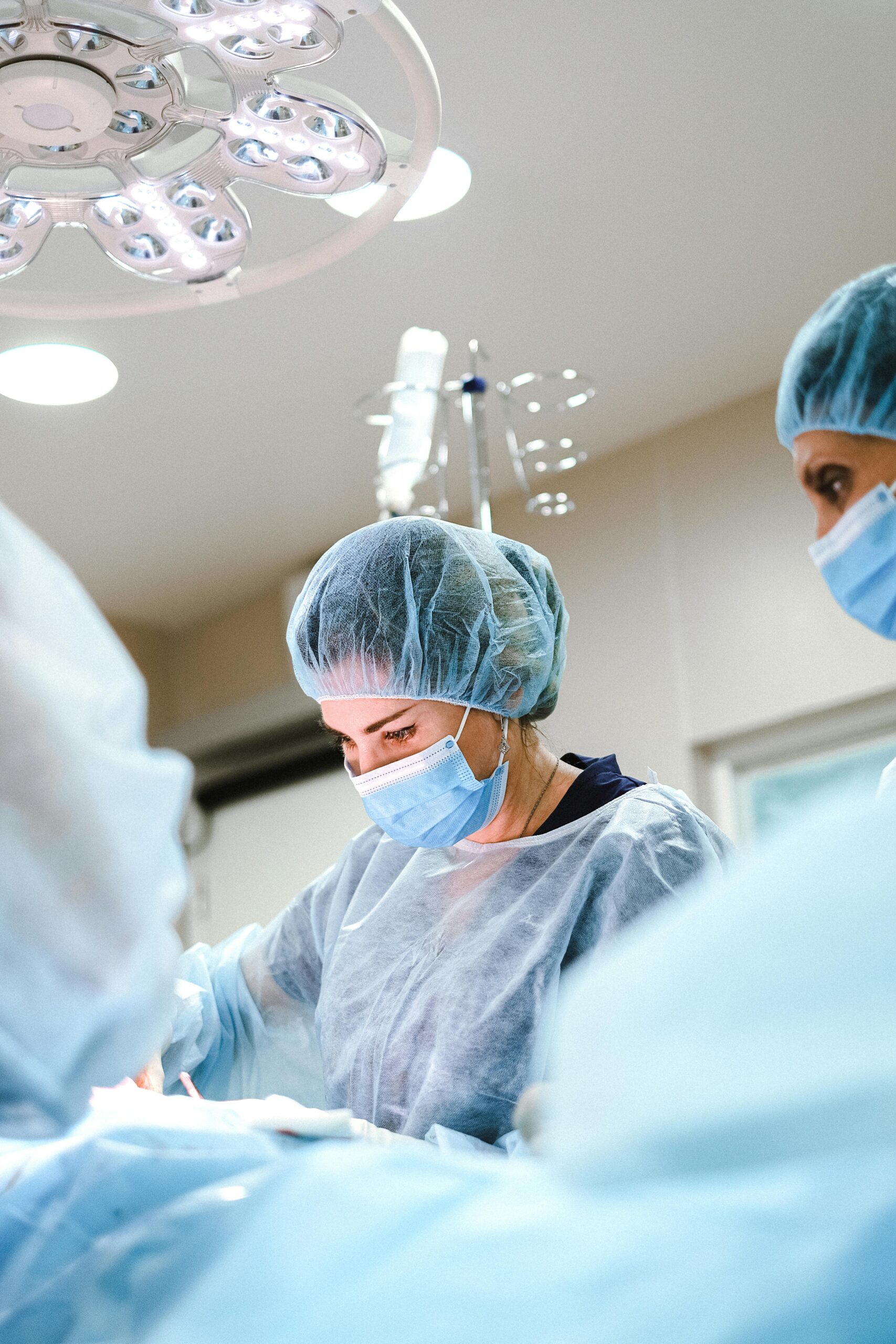
Treatment goals are symptom relief, removal of suspicious lesions, and management of risks such as recurrence or rare malignant transformation. Excision surgery is preferred when the disease causes symptoms or when imaging cannot exclude cancer. Medical options, such as aromatase inhibitors and other targeted hormone strategies, may be appropriate for symptom control or when surgery is not an option, but these require specialist oversight because of side effects and comorbidity concerns. HRT choices must be individualized: estrogen can stimulate residual lesions, so combined regimens, lower estrogen doses, or non-estrogen alternatives are considered and monitored carefully after specialist consultation. The table below summarizes treatment options by purpose, benefits, risks, and typical outcomes to support shared decision-making.
This overview emphasizes the role of excision surgery as a durable option, while highlighting the need to tailor medical therapies and HRT to each patient’s individual risks and goals. For those considering specialist surgical care, Endo Excellence Center provides expert-led excision performed by Dr. Rachael Haverland, who trained at the Mayo Clinic and follows gold-standard techniques with multidisciplinary planning and postoperative follow-up.
What Is Excision Surgery and Why Is It the Gold Standard?
Excision surgery removes all visible endometriotic lesions and associated adhesions rather than simply ablating the surface. This approach aims to restore normal anatomy and yields tissue for histopathologic analysis. Complete excision typically provides better pain relief and lower recurrence rates than ablation alone, and it allows pathologic evaluation to exclude atypia or malignancy in postmenopausal lesions. Outcomes depend on the extent of the disease and the surgical expertise; multidisciplinary teams often improve functional results when bowel, bladder, or ureteral reconstruction is necessary. In older patients, perioperative planning includes careful assessment of comorbidities and targeted reconstruction to maximize safety and symptom relief.
How Does Hormone Replacement Therapy Affect Endometriosis After Menopause?
Estrogen-containing HRT can reactivate residual endometriotic tissue, so clinicians balance menopausal symptom relief against the risk of stimulating disease. Options may include combined estrogen-progestogen therapy, lower estrogen doses, or non-estrogen alternatives, depending on individual risk and symptom burden; in some cases, adjunctive agents such as aromatase inhibitors are used under specialist supervision. HRT decisions should be made with a clinician experienced in managing endometriosis in older patients, with scheduled monitoring and imaging when indicated. Shared decision-making that weighs bone, cardiovascular, and quality-of-life factors alongside endometriosis risk produces the safest, individualized plan.
What Are the Risks and Complications of Postmenopausal Endometriosis?
Postmenopausal endometriosis can lead to persistent pelvic pain, organ obstruction from adhesions, and a small but increased risk of malignant transformation in ovarian lesions compared with the general population. Although the absolute risk of cancer is low, certain ovarian cancer subtypes, especially clear cell and endometrioid carcinomas, show stronger associations with endometriosis, so enlarging cysts or atypical imaging findings require prompt evaluation. Management and surveillance strategies focus on the early detection of concerning changes while balancing the harms of invasive testing. Multidisciplinary follow-up, including input from gynecologic oncology, is advisable when imaging or symptoms raise concerns.
Is There a Link Between Endometriosis and Ovarian Cancer After Menopause?
Population studies show a modestly increased relative risk of specific ovarian cancer subtypes, particularly clear cell and endometrioid cancers, in people with a history of endometriosis, though the absolute risk remains low. Because of this association, suspicious postmenopausal ovarian masses are investigated proactively with serial imaging and, when indicated, surgical removal and histopathology to exclude malignancy. Rapid growth, solid components on imaging, or new systemic symptoms increase concern and lower the threshold for operative management. For these reasons, expert surgical evaluation often incorporates oncologic principles when planning resection in postmenopausal patients.
Endo Excellence Center has experience coordinating multidisciplinary surveillance and individualized follow-up plans, bringing together surgical, radiologic, and oncologic perspectives for complex postmenopausal cases.
How Should Postmenopausal Women Monitor Endometriosis for Complications?
Monitoring is designed to catch red flags early while tailoring surveillance intensity to the patient’s health and preferences. Regular symptom review and documentation, interval imaging for known cysts, and prompt evaluation of new bleeding or rapid mass growth are the cornerstones of follow-up. Multidisciplinary care, involving collaboration among gynecology, radiology, and oncology as needed, helps guide the timing of surgery and adjustments in medical therapy. Use the checklist below to structure your monitoring and determine when to seek specialist assessment.
Monitoring checklist for postmenopausal endometriosis:
- Keep a symptom diary, noting changes in pain patterns and any new bowel or urinary symptoms.
- Arrange interval ultrasound for known adnexal cysts and obtain MRI if anatomy or symptoms change.
- Seek urgent evaluation for postmenopausal bleeding, rapid cyst growth, or new systemic symptoms.
This checklist outlines practical steps patients and clinicians can take to detect complications early and secure timely specialist input. For personalized monitoring and treatment planning, patients may consult with specialists such as Dr. Rachael Haverland at Endo Excellence Center, where a multidisciplinary approach informs individualized surveillance and care.
Frequently Asked Questions
What lifestyle changes can help manage endometriosis symptoms after menopause?
Lifestyle measures can support symptom management. Regular physical activity often reduces pelvic discomfort and improves overall well-being. An anti-inflammatory diet, rich in fruits, vegetables, whole grains, and omega-3 fatty acids, may help some patients. Stress-reduction practices, such as yoga, meditation, and mindfulness, can enhance coping and overall quality of life. Maintaining a healthy weight is also important, since obesity can worsen symptoms. Discuss lifestyle strategies with your healthcare team so recommendations fit your medical needs and personal goals. You may also find Effective Coping Strategies for Menopause Endometriosis helpful.
Are there alternative therapies for postmenopausal endometriosis?
Complementary therapies can provide symptom relief for some patients. Acupuncture has evidence for pain reduction in pelvic pain syndromes, and certain herbal or nutritional supplements (for example, turmeric or ginger) may have anti-inflammatory effects—though you should check interactions and safety with your clinician before starting any supplement. Mind-body approaches such as cognitive behavioral therapy (CBT) and mindfulness can help manage chronic pain and emotional distress. These therapies can complement medical care but should not replace clinician-recommended treatment when surgery or specialist therapy is indicated.
How often should postmenopausal women undergo imaging for endometriosis monitoring?
Imaging frequency depends on risk factors and symptoms. Many patients with known endometriosis have interval follow-up—often at least annually—or more frequently if findings are changing. New symptoms such as pelvic pain or abnormal bleeding should prompt earlier imaging. Your clinician will create a personalized surveillance plan based on lesion size, imaging features, and overall health.
What are the potential complications of untreated postmenopausal endometriosis?
Untreated postmenopausal endometriosis can cause ongoing pelvic pain, functional problems from adhesions (including bowel or bladder obstruction), and a small increased risk of malignant change in ovarian lesions. Beyond medical risks, persistent symptoms can impair quality of life and daily function. Timely monitoring and appropriate intervention help reduce these risks and support better outcomes.
Can endometriosis affect hormone replacement therapy (HRT) choices?
Yes. A history of endometriosis influences HRT decisions because estrogen-containing therapy can reactivate residual disease. Clinicians often recommend combined estrogen-progestogen regimens, lower estrogen dosing, or non-estrogen options for higher-risk patients—and may consider adjunctive treatments in select cases. Discuss your endometriosis history with your provider so HRT is tailored to balance symptom relief with disease risk. If you have questions about your own symptoms, you can schedule an appointment with our endometriosis specialists.
What role does multidisciplinary care play in managing postmenopausal endometriosis?
Multidisciplinary care is central to managing complex postmenopausal endometriosis. Collaboration among gynecologists, radiologists, oncologists, and pain-management specialists creates comprehensive plans that address symptoms, surgical options, and surveillance for complications. This coordinated approach improves decision-making and helps patients achieve the best possible functional and medical outcomes.
Conclusion
Recognizing and managing endometriosis after menopause requires careful assessment because symptoms can mimic other conditions. A combination of targeted imaging and, when needed, laparoscopy with histology ensures accurate diagnosis and tailored treatment. Working with specialists and a multidisciplinary team improves care quality and outcomes. If you have symptoms or questions, consider reaching out to a healthcare provider for personalized support and expert guidance. Read more in Endometriosis Diagnosis After Menopause: What to Expect.