

Menopause is a major hormonal transition that can change mood and increase the risk of depression — particularly for people with a history of chronic pelvic conditions. This article reviews what we know about depression after menopause: common symptoms, how hormonal shifts affect brain chemistry, and evidence-based treatment choices. We also explain why endometriosis and its long-term effects can raise postmenopausal depression risk, and why coordinated care often helps. Endo Excellence Center and Dr. Rachael Haverland are referenced here to illustrate a clinical pathway for patients who need integrated gynecologic and emotional health care; this is informational, not promotional. Read on for a symptom checklist, an explanation of how estrogen decline affects serotonin and GABA, practical therapies (medication, hormone therapy, psychotherapy, lifestyle), and how endometriosis-related pain and inflammation can contribute to mood disorders. Our aim is to help readers spot warning signs, understand evidence-based options, and consider multidisciplinary evaluation when pelvic disease and mood symptoms overlap.
Common Signs of Depression During Menopause

“Menopausal depression” describes depressive episodes that begin or worsen during perimenopause or after the final menstrual period and cause noticeable disruption to daily life. Many symptoms overlap with typical menopausal changes, but clinical depression is distinguished by persistence, severity, and functional impact. Identifying the pattern and intensity of symptoms helps separate temporary hormonal mood shifts from a diagnosable depressive disorder. Below is a concise checklist for screening and quick reference.
Common depression symptoms during menopause include:
- Persistent low mood most of the day for two weeks or longer.
- Marked loss of interest or pleasure in activities you usually enjoy.
- Sleep problems that aren’t explained only by hot flashes.
- Significant fatigue or low energy that interferes with daily tasks.
- Noticeable appetite or weight changes without another clear cause.
- Difficulty concentrating, slowed thinking, or recurrent thoughts of death or suicide.
These signs warrant formal screening with validated tools and timely follow-up. If screening shows moderate to severe depression, a coordinated medical and mental health evaluation is the next step to guide treatment and safety planning — especially when suicidal thoughts or major functional loss are present.
How Are Menopause Mood Changes Different from Clinical Depression?
Mood changes tied to menopause are often episodic and closely linked to hormonal fluctuations, vasomotor symptoms, or sleep disruption. Clinical depression is defined by symptom duration, intensity, and interference with daily life, and typically requires targeted treatment. Simple screening — for example, asking about depressed mood or loss of interest over the past two weeks — can flag people who need a fuller assessment. When mood changes cause withdrawal, work impairment, or suicidal thinking, clinicians evaluate for a depressive disorder and recommend appropriate treatment. Distinguishing the two helps determine whether to prioritize hormonal strategies, antidepressants, psychotherapy, or a combined approach.
Signs of Perimenopausal versus Postmenopausal Depression
Perimenopausal depression commonly features mood swings, increased anxiety, and sleep disturbance that track with irregular cycles. Postmenopausal depression may present as more sustained major depressive episodes. Key clinical clues include timing around menstrual changes, the severity of vasomotor symptoms, and how symptoms began. Seek evaluation when symptoms last longer than two weeks, fail to improve with basic self-care, or interfere with relationships or work. Early recognition allows tailored therapies that address both biological and psychosocial contributors, improving outcomes and quality of life.
Research shows that women with endometriosis face specific mental health challenges; this study outlines several factors that increase depression risk in that population.
How Hormonal Changes Can Lead to Depression in Menopause

The core hormonal change in menopause — declining ovarian estrogen — affects several neurotransmitter systems that regulate mood, sleep, and cognition, increasing biological vulnerability to depression. Estrogen influences serotonin synthesis and receptor function, modulates GABAergic tone (which relates to anxiety and sleep), and interacts with inflammatory pathways that can alter brain networks. Current evidence suggests these mechanisms together raise the risk of mood disorders in people who are susceptible.
The table below summarizes key hormone–neurotransmitter relationships relevant to menopausal mood changes.
Why Estrogen Decline Matters for Mood
When estrogen falls, it can change brain chemistry by lowering serotonin synthesis and altering receptor patterns, which may reduce emotional resilience and increase the risk of depressive episodes. Clinically, some perimenopausal patients show mood improvement with hormone therapy, while others require antidepressants, psychotherapy, or both. Decisions about hormone therapy should be individualized and made with a clinician who can weigh risks and benefits. Knowing estrogen’s role helps explain why hormone‑based and nonhormonal treatments can be complementary.
Serotonin and GABA: How Their Fluctuations Affect Mood
Serotonin plays a central role in mood, appetite, and sleep — declines associated with estrogen loss can show up as low mood and insomnia. Changes in GABA increase anxiety and disrupt sleep architecture, which in turn worsens daytime mood and cognition. Together, these shifts form a feedback loop: poor sleep amplifies dysphoria and lowers coping capacity. Targeted interventions — SSRIs, sleep-focused therapies, and anxiety‑reducing strategies — aim to rebalance these systems and interrupt the cycle.
Treatment Options for Menopause-Related Depression
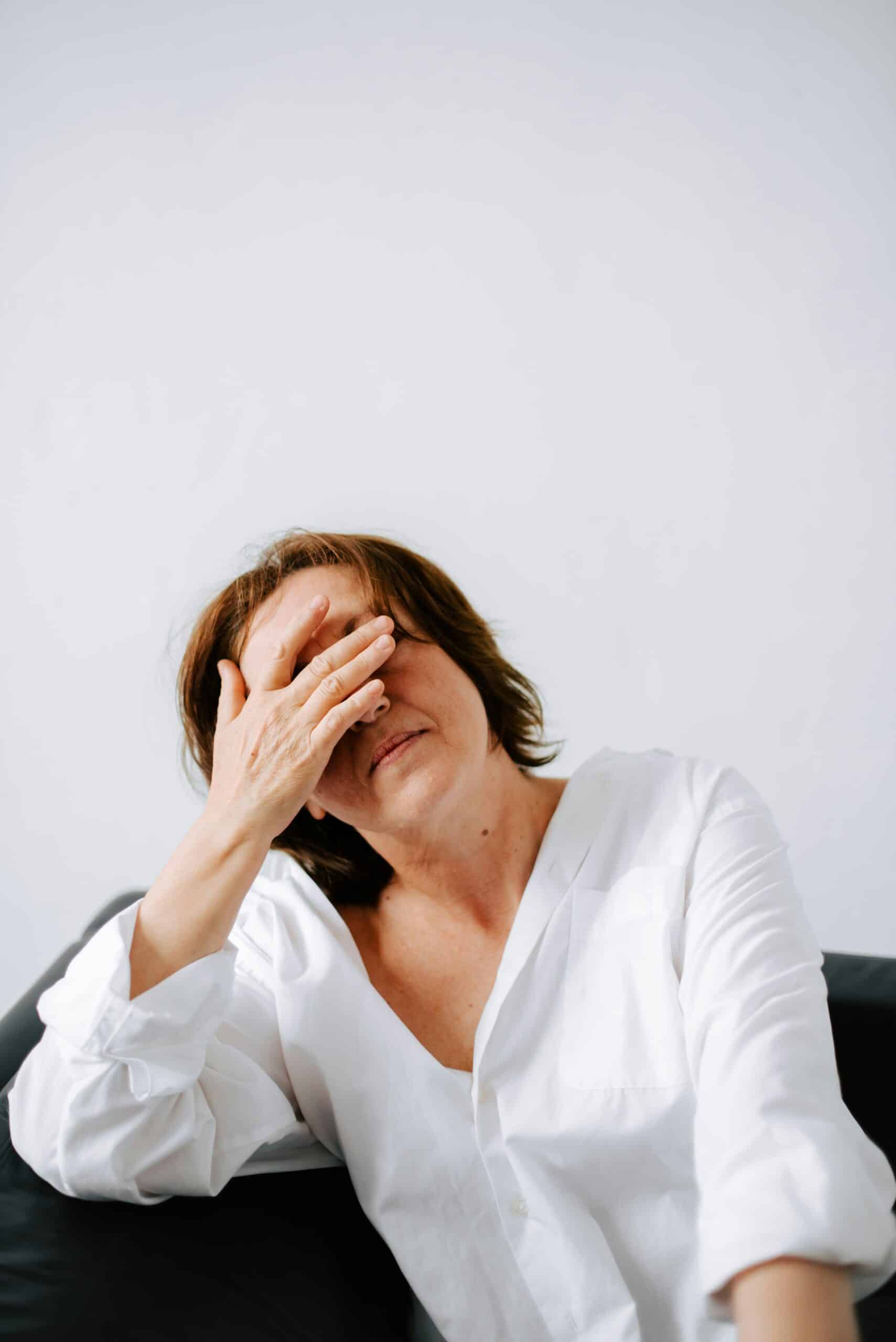
Treatment usually combines pharmacologic, hormonal, psychotherapeutic, and lifestyle strategies chosen according to symptom drivers and patient preference. Antidepressants (especially SSRIs/SNRIs) address serotonin deficits; hormone therapy can help when mood tracks closely with hormonal swings; psychotherapy (CBT, interpersonal therapy) treats cognitive and behavioral contributors; and lifestyle measures (sleep, exercise, alcohol moderation) build resilience. The table below compares common options and typical indications.
Often the best results come from combining approaches to address sleep, pain, and hormonal contributors together. For people with ongoing pelvic disease or a history of endometriosis treatment, coordinating gynecologic care with mental health care is important. Endo Excellence Center provides individualized endometriosis treatment, including excision surgery and multidisciplinary referral pathways to mental health specialists, as part of a holistic plan when pelvic disease contributes to mood symptoms.
Can Hormone Therapy Help with Menopause-Related Depression?
Hormone therapy can improve mood for some perimenopausal patients whose depressive symptoms clearly follow hormonal changes, by restoring estrogen’s support of neurotransmitter systems. It is not universally effective for all depressive disorders and should be considered after an individualized risk–benefit discussion. For major depressive episodes, antidepressants and psychotherapy are first‑line; HRT can be an adjunct when appropriate. Shared decision‑making helps integrate hormonal options safely into a broader mental health strategy.
Which Lifestyle and Therapeutic Habits Support Mood?
Practical lifestyle measures strengthen treatment response and lower recurrence risk by improving sleep, reducing inflammation, and boosting stress tolerance. Regular aerobic activity, consistent sleep hygiene, balanced nutrition, limiting alcohol, and staying socially connected are foundational. Psychotherapies such as CBT and mindfulness‑based interventions address unhelpful thinking patterns and improve coping. These strategies complement medical treatments and are recommended for most patients as part of a comprehensive plan.
Overall, a comprehensive multidisciplinary approach is often the most effective way to manage the complex overlap of endometriosis and mood disorders; the literature supports team‑based care to improve emotional and physical outcomes.
How Endometriosis Can Raise Depression Risk After Menopause

Endometriosis can contribute to increased depression risk after menopause through persistent pain, ongoing inflammation, sleep disruption, and the psychosocial burden of chronic pelvic disease. Prior surgeries, fertility struggles, and continuing bowel or bladder symptoms create cumulative stressors that heighten vulnerability during hormonal transitions. Multidisciplinary management that addresses both pelvic disease and mental health reduces symptom burden and supports emotional recovery. The table below links common endometriosis factors with mechanisms that increase depression risk, clarifying targets for intervention.
Recognizing these connections helps clinicians plan integrated care that includes gynecology, pain management, pelvic physical therapy, and mental health support. For menopausal patients whose mood symptoms are intertwined with pelvic disease, team‑based strategies — including specialized excision surgery when indicated — can improve both physical function and emotional well‑being. Endo Excellence Center emphasizes personalized, multidisciplinary endometriosis care under the leadership of Dr. Rachael Haverland to address these overlapping needs and help patients move toward better quality of life.
Frequently Asked Questions
What are the long-term effects of untreated menopausal depression?
Left untreated, menopausal depression can become chronic and reduce quality of life, work performance, and relationships. It also increases the risk of comorbid conditions (for example, anxiety, cardiovascular problems, and weight gain) through behavioral and physiological pathways. Early recognition and treatment reduce these risks and improve long‑term functioning.
How can lifestyle changes affect menopausal depression?
Lifestyle changes can have a meaningful impact. Regular exercise, consistent sleep habits, a balanced diet, and limiting alcohol support mood stability and overall health. Social engagement and stress‑reduction techniques (mindfulness, yoga, relaxation training) build resilience and complement medical treatments as part of a comprehensive plan.
Are there specific therapies for endometriosis‑related depression?
People with endometriosis‑related depression often benefit from a multidisciplinary plan combining medical and psychological care. Cognitive‑behavioral therapy (CBT) is effective for coping and pain‑related distress. Medications (SSRIs or SNRIs) can treat mood symptoms, and hormone or pain‑directed therapies may reduce contributors to depression. Pain management, pelvic physical therapy, and support groups are useful adjuncts; treatment should be tailored to individual needs.
What role does social support play in managing menopausal depression?
Strong social support reduces isolation, provides emotional buffering, and encourages treatment engagement. Family, friends, peers, and support groups all help normalize experiences and make it easier to pursue care and maintain healthy habits — which improves recovery and long‑term wellbeing.
When should someone seek professional help for menopausal depression?
Seek professional help when symptoms persist for more than two weeks, worsen despite self‑care, or interfere with work, relationships, or daily functioning. Immediate evaluation is essential if there are thoughts of self‑harm or suicide. If lifestyle measures don’t help within a few weeks, a clinician can offer screening, diagnosis, and a personalized treatment plan.
What benefits might hormone therapy offer for menopausal depression?
Hormone therapy can alleviate mood symptoms in patients whose depression clearly correlates with hormonal fluctuations by restoring estrogen‑mediated effects on neurotransmitters. Some people report meaningful mood improvement with HRT, but it is not a universal solution and must be considered alongside medical history and personal risk factors. Discussing options with a clinician ensures a safe, individualized plan.
Conclusion
Depression after menopause is a common and treatable concern — especially for people with a history of endometriosis or chronic pelvic pain. Recognizing symptoms early and pursuing evidence‑based, individualized care can greatly improve emotional and physical quality of life. Integrated, multidisciplinary approaches that address both gynecologic and mental health needs offer the best chance for lasting recovery. If you’re concerned, reach out to your healthcare provider for a personalized evaluation and treatment plan.