

Globally, endometriosis affects roughly one in ten women of reproductive age, yet it often remains undiagnosed for 8–12 years. This delay stems from subtle hormonal signals that can easily be mistaken for common menstrual symptoms. By carefully analyzing key hormones such as estrogen, progesterone, thyroid markers, and adrenal indicators, clinicians can pinpoint imbalances that guide precise diagnostic steps and accelerate definitive identification. In this article, we delve into:
- The specific hormones that influence endometriosis and how they impact diagnosis
- Advanced blood and other tests used to measure hormonal markers
- Why laparoscopy continues to be the gold standard compared to non-invasive assays
- How hormonal imbalances can delay detection and how therapies can refine diagnostic pathways
- Practical advice for patients navigating hormone-focused assessments
- Promising new non-invasive biomarkers that are reshaping future diagnostic approaches
At the Endometriosis Excellence Center – Advanced Endometriosis Treatment, our dedicated specialists combine in-depth hormone profiling with surgical expertise to ensure timely, accurate diagnoses and personalized care.
Which Hormones Are Key to Endometriosis and How Do They Influence Diagnosis?
Diagnosing endometriosis relies on identifying the hormonal drivers that fuel the growth of ectopic endometrial tissue and signal the body’s treatment responses. An excess of estrogen, known as estrogen dominance, accelerates tissue proliferation and inflammation. Conversely, progesterone resistance hinders the body’s natural anti-inflammatory defenses. Other crucial regulators, including testosterone, thyroid hormones, and DHEA-S, play a role in modulating immune responses and pain perception, offering valuable diagnostic clues through pattern recognition and targeted testing.
How Does Estrogen Dominance Contribute to Endometriosis Development and Symptoms?
Estrogen dominance occurs when estradiol levels are disproportionately high compared to progesterone support, which encourages the growth of endometrial lesions and the release of inflammatory cytokines.
- Cell Proliferation – Elevated estradiol levels stimulate the division and adherence of ectopic endometrial cells.
- Inflammation – Excessive estrogen upregulates prostaglandins, intensifying pelvic pain.
- Angiogenesis – Estrogen promotes the formation of new blood vessels, which is essential for lesion survival.
These effects intensify the severity of dysmenorrhea (painful periods) and raise suspicion for endometriosis during hormonal evaluations, directly linking endocrine imbalance to diagnostic considerations and imaging triggers.
What Is Progesterone Resistance and How Does It Affect Endometriosis Diagnosis?
Progesterone resistance describes a situation where the uterine lining doesn’t respond effectively to progesterone, even when levels are adequate. This can be due to issues with progesterone receptors or epigenetic factors. This mechanism disrupts the normal shedding of the uterine lining and impairs anti-inflammatory signaling. Identifying progesterone receptor downregulation early through biopsy or molecular testing can prompt clinicians to pursue surgical confirmation sooner, bridging the diagnostic gap left by inconclusive blood tests.
Which Other Hormones Play a Role in Endometriosis Diagnosis? (Testosterone, Thyroid, DHEA-s)
Beyond estrogen and progesterone, several other hormones can influence the diagnostic process by affecting the body’s overall environment and pain sensitivity.
To help compare these hormones and their diagnostic significance, the following table outlines their functions:
Understanding these associations helps clinicians interpret comprehensive hormone panels and refine differential diagnoses before recommending more invasive procedures.
How Are Hormone Levels Assessed for Endometriosis Diagnosis?
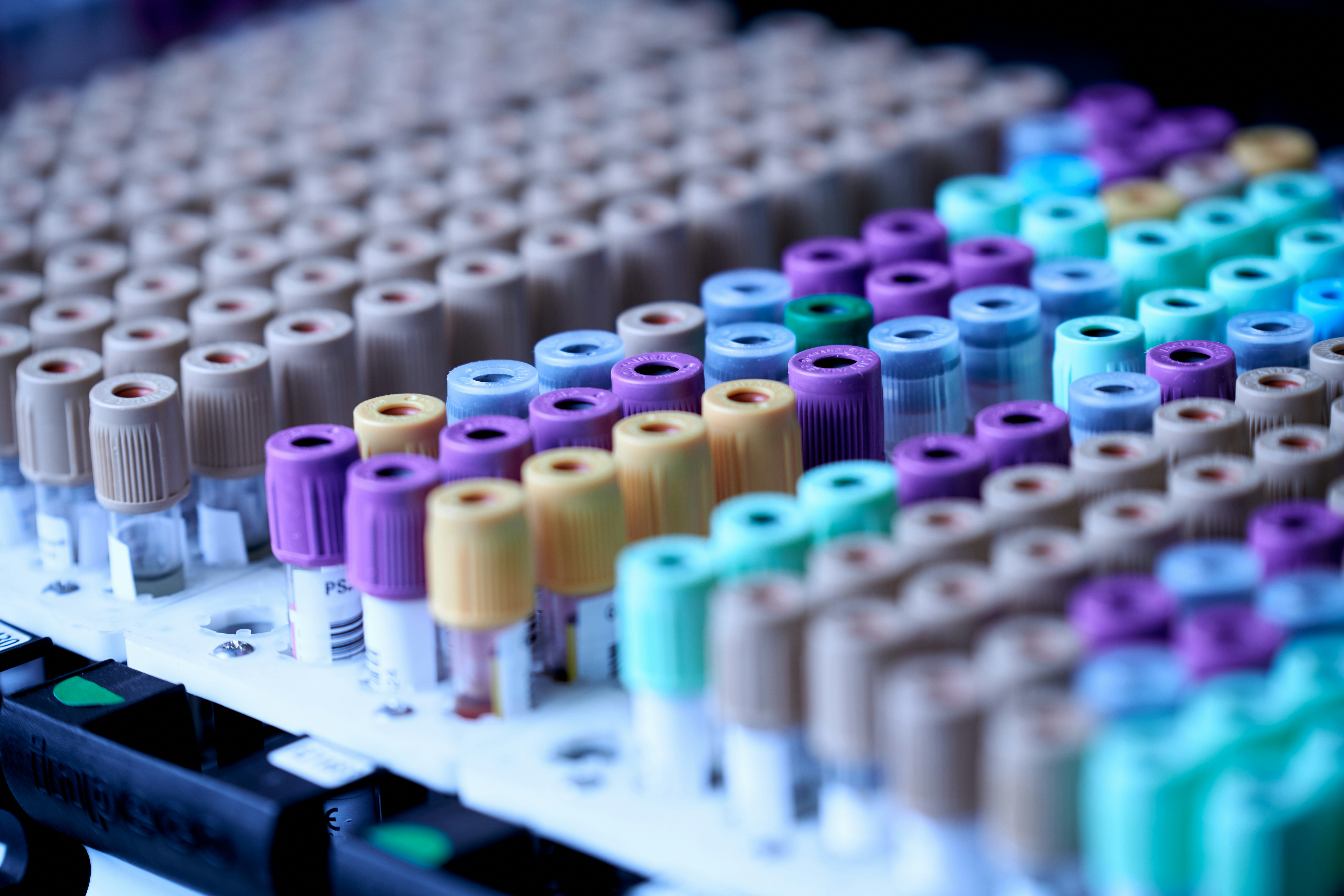
Accurate hormone testing involves a combination of standard blood tests and specialized panels designed to detect subtle hormonal imbalances linked to endometriosis. Initial assessments typically measure circulating estradiol, progesterone, thyroid-stimulating hormone (TSH), prolactin, and CA-125, followed by more advanced metabolite profiling for deeper insights.
What Blood Tests Measure Hormonal Markers Relevant to Endometriosis?
Blood samples provide quantitative data on key endocrine markers:
- Estradiol (E2) levels help track estrogen activity and the potential for lesion growth.
- Progesterone levels confirm adequate luteal phase function and identify potential deficiencies.
- CA-125 serves as a non-specific biomarker that can be elevated in cases of extensive pelvic lesions.
- Prolactin elevations may indicate dysfunction in the hypothalamic–pituitary axis, potentially exacerbating pain symptoms.
These markers help inform the likelihood of endometriosis and guide decisions regarding further imaging or surgical evaluation.
How Does the DUTCH Test Offer Advanced Hormone Analysis for Endometriosis?
The DUTCH (Dried Urine Test for Comprehensive Hormones) test involves collecting four timed urine samples to measure hormone metabolites. This provides a detailed picture of estrogen detoxification pathways, progesterone metabolism, and adrenal stress hormones. By analyzing the ratios of these metabolites, clinicians can identify hidden estrogen dominance or progesterone resistance, even when blood levels appear normal, thereby refining the diagnostic approach toward imaging or minimally invasive confirmation.
What Are the Limitations and Accuracy of Hormone Tests in Diagnosing Endometriosis?
Hormone assays provide indirect evidence and may not fully capture localized estrogen activity within the pelvic region. False-negative progesterone results can occur if receptor insensitivity masks adequate serum levels. The sensitivity of CA-125 is limited in early-stage disease, and prolactin levels can be affected by unrelated pituitary conditions. Recognizing these limitations highlights the necessity of integrating clinical findings, imaging results, and surgical evaluation for definitive endometriosis diagnosis.
Why Is Laparoscopy Considered the Gold Standard for Endometriosis Diagnosis?

Laparoscopy allows for direct visualization and histological confirmation of endometrial implants, offering a more definitive diagnosis than indirect hormonal biomarkers. By visually inspecting the peritoneal cavity, surgeons can identify lesions, adhesions, and ovarian endometriomas that might not be detected through blood tests or imaging alone..
How Does Laparoscopy Confirm Endometriosis Compared to Hormonal Tests?
A comparative overview illustrates the diagnostic strengths of each method:
What Are the Benefits and Risks Associated with Laparoscopy in Diagnosis?
Key advantages and considerations include:
- Benefits Definitive Confirmation – Tissue samples obtained via biopsy verify the presence of endometriosis histologically.Simultaneous Treatment – Lesions can be surgically removed or ablated during the same procedure.Comprehensive Assessment – Surgeons can map the extent of the disease to tailor management strategies.
- Risks Surgical Complications – Bleeding, infection, or injury to surrounding organs occur in less than 1% of cases.Anesthesia Effects – Temporary side effects like a sore throat or nausea may occur post-procedure.Recovery Period – Mild discomfort and temporary limitations on activity are typical for 1–2 weeks.
How Do Hormonal Imbalances Contribute to Diagnostic Delays in Endometriosis?

Hormonal fluctuations can often mimic typical menstrual variations, leading to the misinterpretation of pain and necessitating multiple consultations before targeted diagnostic investigations are initiated. Estrogen surges can cause cyclical pain that is dismissed as standard menstrual cramps, while progesterone resistance may go unaddressed until chronic symptoms prompt a direct investigation. Read more in Understanding Endometriosis Symptoms in Menopause – A Guide.
What Common Hormonal Symptoms Might Suggest Possible Endometriosis?
Patients frequently report symptoms such as: Read more in The Role of Menopause in Endometriosis Progression Explained.
- Severe menstrual cramps that are not relieved by over-the-counter pain relievers
- Heavy or irregular menstrual bleeding
- Persistent pelvic or lower back pain that is not linked to the menstrual cycle
- Unexplained fatigue and significant mood disturbances
These symptom patterns encourage clinicians to consider hormone panels and imaging early in the diagnostic process, rather than attributing the pain solely to primary dysmenorrhea. For more detail, see our article Which Exercises Safely Ease Endometriosis After Menopause.
How Can Understanding Hormone Levels Help Expedite Diagnosis?
Interpreting a combination of hormone markers can accelerate referrals to specialists:
- Pattern Recognition – Correlating cyclical estrogen spikes with periods of increased pain can help narrow the diagnostic focus.
- Targeted Testing – Advanced tests, such as the DUTCH test, can reveal subtle imbalances that justify earlier laparoscopy.
- Therapeutic Trials – Observing the response to short-term progestin or GnRH agonist therapy can help confirm hormonal involvement and expedite surgical planning.
This integrated approach can significantly reduce the average 8–12-year diagnostic delay by incorporating endocrine insights into clinical decision-making.
What Hormonal Therapies Impact Endometriosis Diagnosis and Management?
Hormonal treatments serve a dual purpose: they can modulate diagnostic markers and act as a primary method for symptom management. By suppressing ovarian cycles or counteracting estrogenic effects, these therapies can clarify hormone readings and potentially mask disease progression temporarily. We cover this further in Exploring Menopause’s Role in Endometriosis Progression.
How Do Hormonal Contraceptives Affect Hormone Levels and Diagnosis?
Combined oral contraceptives help stabilize estrogen and progesterone levels, which can reduce cyclical pain and normalize uterine lining thickness. While this suppression alleviates symptoms, it may lower CA-125 and estradiol readings, requiring clinicians to adjust the timing of diagnostic assessments until hormone levels can be accurately profiled after discontinuing the medication.
What Role Do GnRH Agonists and Antagonists Play in Diagnosis and Treatment?
GnRH agonists and antagonists work by reducing the pituitary gland’s stimulation of ovarian hormone production, leading to a state of hypoestrogenism. This can shrink lesions and alleviate pain. Observing a patient’s response to these medications can provide indirect confirmation of estrogen-dependent pathology, guiding the timing of confirmatory laparoscopy once hormone levels begin to rise again.
How Does Progestin Therapy Address Progesterone Resistance in Diagnosis?
High-dose progestins can overcome progesterone receptor insensitivity by maintaining supra-physiological progesterone levels. This approach helps reduce lesion activity and inflammatory mediators. Observing improvements in pain and imaging findings during progestin therapy can help validate an endometriosis diagnosis before scheduling invasive procedures.
How Can Patients Navigate Hormone-Based Diagnostic Pathways for Endometriosis?
A structured, hormone-focused diagnostic process empowers patients to collaborate effectively with specialists and minimize delays. Understanding each step of the journey can foster confidence and enable proactive decision-making. We cover this further in MRI for Diagnosing Postmenopausal Endometriosis Effectively.
What Should Patients Anticipate During a Hormonal Assessment for Endometriosis?
Patients typically undergo the following:
- Initial Consultation – A thorough review of menstrual history, pain patterns, and fertility concerns.
- Standard Blood Panel – Measurement of estradiol, progesterone, TSH, prolactin, and CA-125.
- Advanced Testing – Comprehensive metabolite panels (e.g., DUTCH test) if initial results are inconclusive.
- Interpretation and Planning – A collaborative discussion of results and recommended next steps, which may include imaging or laparoscopy.
How Can Personalized Hormone Profiles Enhance Diagnostic Accuracy?
Customized hormone panels take into account individual cycle timing, receptor sensitivity, and adrenal function to generate precise hormonal fingerprints. This personalized medicine approach improves the detection of subtle imbalances, increasing diagnostic confidence and guiding the selection of tailored therapeutic trials.
What Are the Subsequent Steps Following Hormonal Testing in Endometriosis Diagnosis?
Based on the hormone test results, patients may be advised to:
- Proceed with targeted imaging studies, such as ultrasound or MRI
- Initiate empiric hormonal therapy to evaluate response
- Schedule diagnostic laparoscopy for definitive histological confirmation
- Collaborate on a long-term management plan that integrates surgical intervention, medical therapy, and lifestyle adjustments
Open communication with a specialized center ensures a smooth transition from hormonal evaluation to definitive diagnosis and comprehensive care.
What Are Emerging Non-Invasive Hormonal Biomarkers for Endometriosis Diagnosis?
Ongoing advancements in biomarker research are focused on developing reliable non-invasive tests that could potentially replace or supplement laparoscopy. Promising candidates include serum proteins, microRNAs, and metabolic signatures, which show potential for earlier detection and more effective disease monitoring.
Which Biomarkers, Such As CA-125 and Serum Prolactin, Are Used in Hormonal Diagnosis?
CA-125 remains one of the most studied serum biomarkers; while it can be elevated in moderate-to-severe endometriosis, its sensitivity is limited in detecting early-stage lesions. Serum prolactin levels have been linked to immune dysregulation and pain severity but lack specificity. Combining multiple biomarkers into panels can enhance overall diagnostic accuracy.
How Are Saliva and Urine Hormone Testing Utilized in Endometriosis Assessment?
Saliva assays can measure free cortisol and estradiol fractions, reflecting active hormone levels without the influence of binding proteins. Urine metabolite profiling, as seen with the DUTCH test, extends this concept by measuring excreted estrogen and progesterone breakdown products, allowing for non-invasive monitoring of endocrine activity related to lesion dynamics.
What Does the Future Hold for Hormone-Based Non-Invasive Endometriosis Diagnosis?
Current research is concentrating on developing multiplex platforms that integrate proteomic, metabolic, and microRNA markers into point-of-care tests. Such innovations hold the promise of enabling earlier detection, real-time disease monitoring, and a reduced reliance on surgical procedures, ultimately shifting diagnostic paradigms toward truly non-invasive precision medicine. To discuss your situation with a specialist, schedule an appointment at our center.
Diagnosing endometriosis requires a comprehensive understanding of hormonal interactions and their influence on lesion biology. By utilizing advanced testing, personalized hormone profiles, and strategic surgical timing, patients can achieve faster answers and more effective treatment pathways. Armed with this knowledge, women and their care teams can confront endometriosis proactively, minimizing delays and improving long-term health outcomes.
Conclusion
Understanding the hormonal dynamics of endometriosis is crucial for timely diagnosis and effective management. By leveraging advanced testing and personalized hormone profiles, patients can navigate their diagnostic journey with greater confidence and clarity. This proactive approach not only minimizes delays but also enhances long-term health outcomes. For more insights and support, connect with our specialists at the Endometriosis Excellence Center today.