
Endometriosis support groups are organized spaces—peer-led or professionally guided, in-person or online—where people with lived experience share practical tips, emotional support, and real-world knowledge to improve life after diagnosis and treatment. Many people with endometriosis face delayed diagnosis, chronic pelvic pain, fertility uncertainty, and social isolation; focused peer support fills gaps that clinical visits alone often can’t. This article defines what endometriosis support groups do, how they reduce isolation and improve mental health, the practical benefits they offer for decision-making and recovery, and how online communities can extend in-person connection. You’ll find clear criteria for choosing a safe group, side-by-side guidance on formats, common coping strategies survivors share, and how peer networks can work alongside medical care such as excision surgery. Throughout, we use research-informed perspectives and practical checklists to help survivors, partners, and clinicians understand why peer support matters and how to connect with trusted resources.
What Are Endometriosis Support Groups and Why Do They Matter?
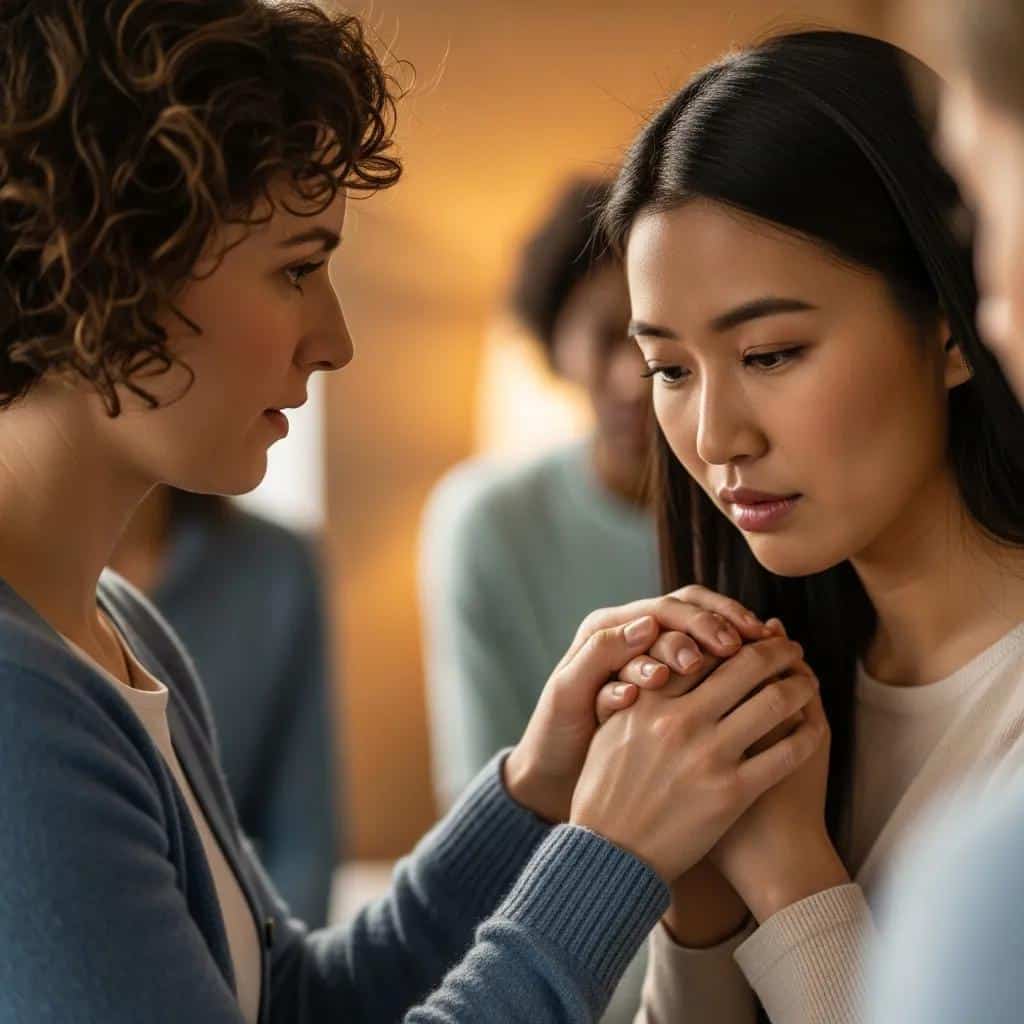
Endometriosis support groups are focused communities where people exchange experience-based knowledge, coping strategies, and practical resources to manage symptoms, make treatment decisions, and cope emotionally. These groups matter because endometriosis brings complex symptoms—pelvic pain, bowel and bladder changes, and fertility challenges—that are easier to navigate with validation from people who’ve been there. Support groups create a safe place to discuss sensitive topics like intimacy and surgical recovery, and they often translate clinical information into the everyday questions members need to ask their clinicians. The sections below explain how emotional and social support works in practice and outline the formats survivors can choose based on their needs and access.
How Do Support Groups Provide Emotional and Social Support for Patients?
Support groups offer emotional and social support by normalizing symptoms, validating feelings, and creating steady social contact that counters the isolation many survivors feel. Practically, members share coping routines, check-ins, and small acts of accountability—appointment reminders, encouragement during recovery—that build resilience and ease anxiety. Research on peer support for chronic conditions shows improvements in mood and self-efficacy, and endometriosis-specific groups report similar psychosocial benefits through shared stories and role modeling. Hearing real recovery stories and realistic expectations from peers prepares members for clinical decisions and lays the groundwork for advocacy and emotional healing.
What Types of Endometriosis Support Groups Are Available?
Support groups exist in several formats—local in-person meetings, moderated virtual groups, open online forums, and specialized groups focused on fertility or post-surgical recovery—each with distinct trade-offs. Local face-to-face groups build strong personal bonds and immediate presence, while online forums and social platforms offer access and ongoing connection across distances. Specialized groups (for example, fertility-focused or post-excision recovery groups) provide concentrated peer experience and tailored advice for specific needs. The table below compares these formats to help you weigh pros and cons.
This comparison shows how format affects privacy, information quality, and emotional connection, helping survivors choose what fits their current needs.
What Are the Key Benefits of Joining an Endometriosis Support Group?

Joining an endometriosis support group brings emotional validation, practical information exchange, advocacy skills, and actionable coping strategies that improve daily life. Peer groups reduce the feeling of being unseen, provide shared intelligence about treatments and providers, and mobilize members to navigate systems or advocate for change. Beyond emotional benefits, groups share recovery timelines, pain-management approaches, and fertility experiences that make clinical decisions less overwhelming. The table below outlines core benefit areas, their features, and typical impact reported by members..
These benefit domains show why support groups complement clinical care—offering social and informational resources patients can use throughout diagnosis, treatment, and recovery. The next sections dig into emotional and informational mechanisms in more detail.
- The three main psychosocial benefits are emotional validation, practical information exchange, and empowerment for advocacy.
- Support groups reduce loneliness by creating predictable social contact and shared narratives that normalize symptoms and experiences.
- Groups help members prepare for medical visits by sharing question prompts, provider experiences, and recovery expectations.
In short, joining a group can change how survivors experience care and recovery by turning uncertainty into shared knowledge and collective resilience.
How Do Support Groups Reduce Isolation and Improve Emotional Well-being?
Support groups reduce isolation by creating regular opportunities for connection, storytelling, and mutual aid that counter the secrecy and misunderstanding surrounding endometriosis. Members often report better mood and coping because group interaction normalizes symptoms, reduces self-blame, and surfaces practical strategies for living with chronic pain. Activities like peer check-ins, guided sharing, and small accountability tasks help participants stick with treatment plans and seek mental-health support when needed. These social processes translate into measurable gains in perceived support and can ease anxiety tied to medical uncertainty and fertility concerns.
In What Ways Do Support Groups Empower Patients Through Information and Advocacy?
Support groups empower patients by sharing experiential knowledge—preparing for excision surgery, describing post-op expectations, and outlining fertility pathways—that complements clinical advice. Members practice advocacy skills by rehearsing conversations with clinicians, sharing templates for questions, and organizing collective initiatives that raise awareness within health systems. These exchanges bolster confidence in decision-making and can drive system-level improvements when groups partner with clinicians or organizations. Empowered patients often report smoother collaboration with care teams and better follow-through on recommended therapies.
How Do Online Endometriosis Communities Complement In-Person Support?
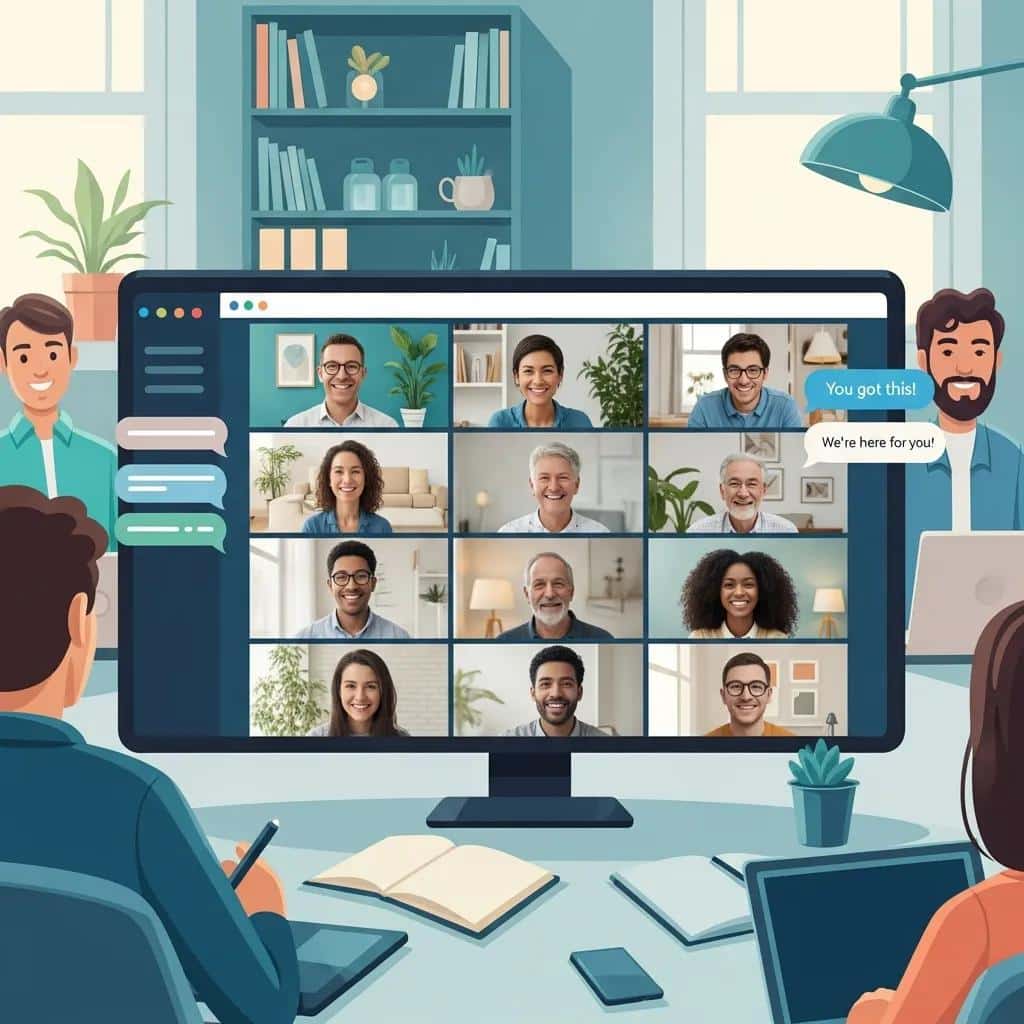
Online communities widen the reach of peer support by offering asynchronous access, anonymity for sensitive topics, and a larger pool of experiences than any single local group. They’re especially useful for people in rural areas, those with mobility limits, or anyone seeking highly specific topic expertise that may not exist locally. That said, online spaces can spread unverified medical advice and raise privacy concerns, so learning to identify well-moderated groups is essential. The following sections review advantages and limitations and offer practical criteria for finding trustworthy online communities. You may also find Essential Endometriosis Support Groups: Find Your Community helpful.
What Are the Advantages and Limitations of Online Peer Support?
Online peer support delivers continuous access, fast information exchange, and diverse perspectives—helpful for quick troubleshooting and emotional relief. Benefits include immediate feedback on concerns, anonymity for discussing intimacy or mental-health issues, and repositories of collective knowledge such as checklists and recovery timelines. Downsides include uneven moderation, the potential for misinformation, and privacy risks when sharing medical details publicly. Safer participation practices—checking medical claims with your clinician, choosing moderated platforms, and using private groups—reduce many risks while keeping accessibility advantages.
How Can Survivors Find Reputable Online Endometriosis Communities?
Look for clear moderation policies, clinician or expert affiliation, published membership rules, and evidence-based resource sharing as trust signals. Practical steps: search for groups with named moderators, posted community guidelines, and visible links to established organizations or clinician partners. Red flags include absolute medical claims without sources and pressure to try unproven interventions. Start with moderated forums or groups linked to respected endometriosis organizations, and always spot-check advice against primary sources or your care team.
How Do Support Groups Integrate with Medical Treatments Like Excision Surgery?
Support groups can complement medical treatments like excision surgery by helping patients set realistic expectations, prepare emotionally and practically for perioperative care, and stay on track with follow-up and rehabilitation. Peer narratives often outline typical timelines, pain trajectories, and strategies for managing bowel or bladder changes after surgery, which aids recovery planning. Clinically, social support links with better adherence to post-op instructions and earlier recognition of complications, so clear communication between groups and clinical teams improves safety. The sections below detail peer roles in recovery and how a multidisciplinary clinical approach can formally include community supports. You may also find Comprehensive Financial Planning for Endometriosis Care helpful.
What Role Does Peer Support Play in Enhancing Treatment Adherence and Recovery?
Peer support improves adherence and recovery by modeling concrete behaviors—following physiotherapy routines, keeping medication schedules, and pacing activity—that members can copy after surgery. Shared recovery timelines and honest anecdotes make postoperative expectations more predictable and reduce anxiety that can hinder healing. Groups exchange practical tips for common post-op issues like bowel changes, sleep disruption, and pain flares, and they encourage timely clinician contact when red-flag symptoms appear. These mechanisms help close the gap between clinical instructions and daily implementation, improving recovery for many survivors. We cover this further in How Support Groups Help With Endometriosis Pain Relief.
How Does Dr. Rachael Haverland’s Holistic Approach Incorporate Support Groups?
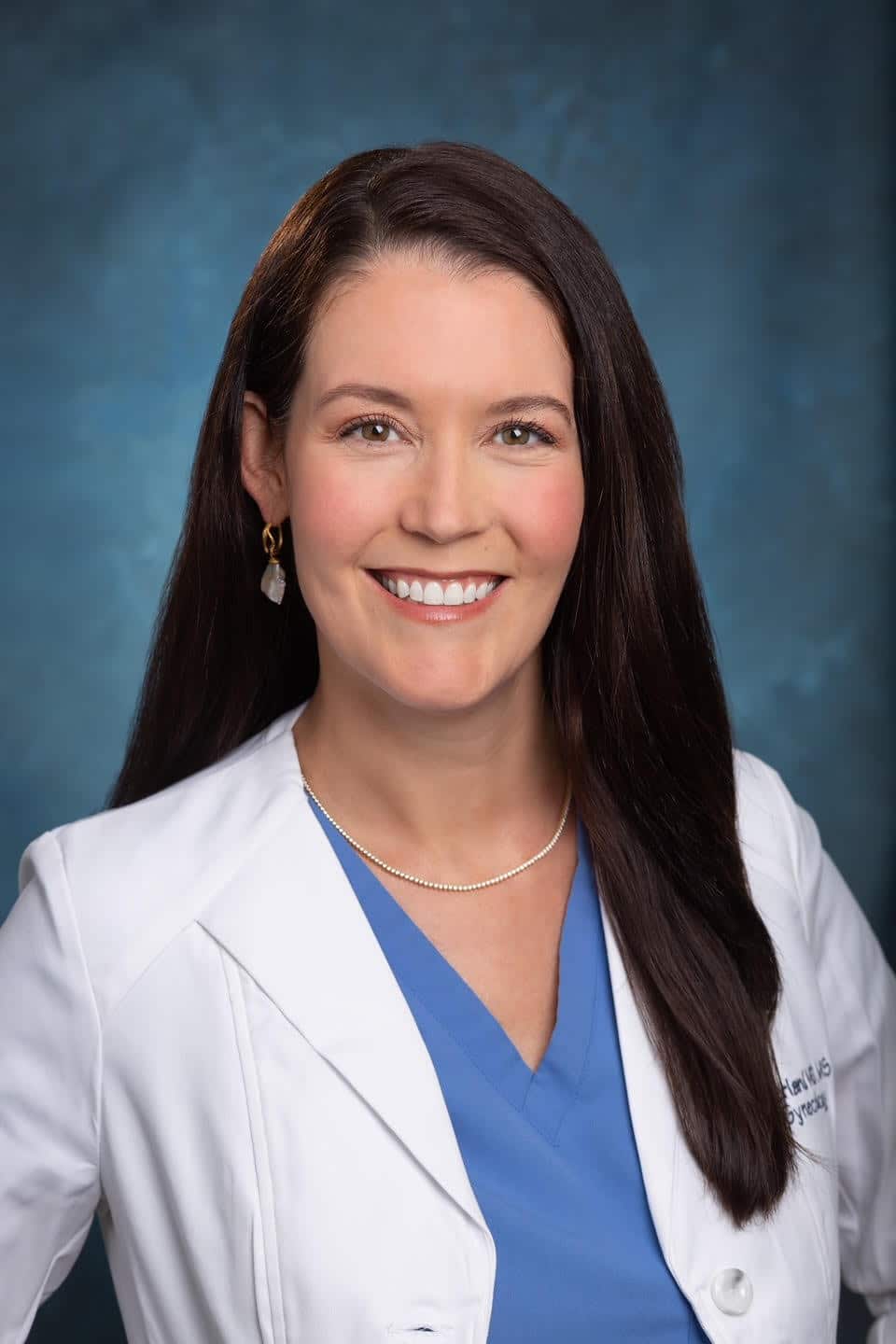
Endo Excellence Center follows a personalized, multidisciplinary approach that treats physical symptoms and emotional well-being as connected parts of endometriosis care. That approach explicitly values peer and community supports as complements to medical treatment. Under the leadership of Dr. Rachael Ann Haverland—who trained at the Mayo Clinic—the center prioritizes gold-standard excision surgery alongside attention to pelvic, bowel, bladder, fertility, and emotional health within a compassionate framework. Integrating support groups into care plans helps patients set realistic expectations for surgery and recovery and access community resources for ongoing psychosocial support; patients who want to combine clinical and peer resources are encouraged to explore collaboration between multidisciplinary teams and community networks.
What Coping Strategies Do Endometriosis Support Groups Share Among Patients?

Support groups commonly share coping strategies across pain self-management, fertility navigation, stress reduction, and mental-health support—mixing practical tips with referrals to professionals. Pain strategies often include pacing, activity modification, mindfulness practices, and pelvic-floor approaches that peers report as helpful alongside medical treatment. For fertility concerns, groups offer emotional support, guidance on tracking and referrals, and shared experiences with assisted reproduction or surgical outcomes. Mental-health recommendations frequently include therapist referrals, crisis planning, and peer-based emotional first aid to complement clinical care. The list below summarizes common coping categories shared in groups. We cover this further in Support Groups for Endometriosis: What You Need to Know.
Coping strategies frequently shared in endometriosis groups include:
- Pain self-management techniques such as pacing and mindfulness that can reduce flare intensity.
- Practical fertility navigation tips including emotional support and administrative advice for referrals.
- Mental-health resources like therapist recommendations and crisis planning shared by members.
Together, these strategies create a practical toolkit survivors adapt to their medical plans and personal values.
How Do Peer Communities Help Manage Chronic Pelvic Pain and Fertility Concerns?
Peer communities support management of chronic pelvic pain by sharing non-clinical tactics—pacing, heat therapy, gentle movement, and referrals to pelvic-floor specialists—that members have found helpful alongside medical care. For fertility concerns, survivors trade information on timelines, emotional coping during treatments, and coordinating fertility evaluations with surgical planning. Crucially, groups encourage verifying medical advice with clinicians and working in coordinated care so peer-shared tactics support, not replace, evidence-based treatments. That collaborative stance helps survivors combine peer wisdom with clinical safety.
What Mental Health Benefits Arise from Participation in Support Groups?
Joining a support group delivers mental health benefits such as reduced loneliness, stronger coping skills, and a greater likelihood of seeking professional help when needed. Regular peer contact builds resilience by normalizing emotional responses, modeling effective coping, and pointing members to mental-health resources like therapists experienced with chronic pelvic pain. Groups often identify warning signs that warrant clinical attention and encourage integrated mental-health care when self-management is insufficient. In this way, peer networks serve as emotional lifelines and bridges to formal mental-health services.
How Can Patients Find and Choose the Right Endometriosis Support Group?

Choosing the right group means checking moderation, privacy protections, focus, accessibility, and whether the community aligns with your goals. Trusted entry points include national organizations, clinician-referred programs, and moderated online platforms with clear rules. The table below lists resource types, how to access them, and trust indicators to help you evaluate options.
What Criteria Should Be Considered When Selecting a Support Group?
When choosing a support group, look for active moderation, clear privacy policies, a defined focus (surgery recovery, fertility, chronic pain), accessible meeting formats, and encouragement to verify medical advice with clinicians. Other useful signs are published membership rules, reporting mechanisms for harmful content, and visible links to reputable organizations or clinician partners. Consider accessibility needs—meeting times, captioning, or asynchronous participation—to ensure the group works for your life. These criteria help you find a supportive space that balances safety, relevance, and emotional fit.
- Quick selection checklist:
Using this checklist simplifies your decision and reduces exposure to misinformation.
Where Can Patients Access Local and Specialized Endometriosis Support Resources?
Patients can find local and specialized resources through clinician referrals, national endometriosis organizations, hospital patient programs, and moderated online groups that require membership or vetting. Trusted organizations and clinician-recommended programs often provide starter materials, referral lists, and moderated meetings that prioritize evidence-informed conversation. When seeking specialized groups—such as fertility-focused or post-excision recovery communities—look for listings or referrals from surgical teams, fertility clinics, or national advocacy networks that emphasize clinical partnerships. These routes increase the chances of finding moderated, reliable support that complements medical care. Read more in Finding Support Groups for Teen Endometriosis Care.
Frequently Asked Questions
What should I look for in a support group for endometriosis?
Look for active moderation, clear privacy rules, and a defined group focus (for example, surgery recovery or fertility). Make sure the group encourages checking medical advice with healthcare professionals. Good signs include published membership rules, ways to report harmful content, and links to reputable organizations. Also confirm the meeting format and accessibility features match your needs so the group truly supports you.
How can I participate in online support groups safely?
Choose moderated communities with clear guidelines and active moderators. Avoid posting sensitive medical details publicly, and verify any medical advice with your healthcare provider. Prefer groups affiliated with respected organizations, and be wary of unverified claims. Private, invitation-only groups can offer extra safety and comfort for discussing personal topics. Maintain a critical eye and consult clinicians when in doubt.
Can support groups help with fertility issues related to endometriosis?
Yes. Support groups can be a valuable source of emotional support, practical tips, and shared timelines for fertility care. Members often share personal experiences with fertility testing and treatments, which can normalize the emotional ups and downs and provide useful logistical advice. Always confirm clinical guidance with your care team.
What role do support groups play in managing chronic pain?
Support groups provide a platform for swapping coping strategies and practical tips—pacing, mindfulness, physical therapies—that can complement medical treatment. Hearing others’ strategies can empower you to try new approaches and reduce isolation. Emotional support from peers also helps people stay engaged with care and seek professional help when needed.
How can I encourage a friend or loved one to join a support group?
Be gentle and patient. Explain the benefits of peer support—validation, shared experience, practical tips—and offer examples of how groups have helped others. Offer to help find options or to accompany them to a first meeting if they’d like. Respect their pace and remind them joining is their choice.
Are there any costs associated with joining support groups?
Many support groups are free, especially those run by non-profits or community programs. Some specialized workshops or professionally facilitated groups may charge a fee to cover expenses. Always ask about costs up front and weigh the value of the resources and support offered.
How can support groups help with emotional well-being?
Support groups boost emotional well-being by creating belonging, normalizing feelings, and sharing coping strategies. Regular interaction with peers builds resilience and makes it easier to seek professional help when needed. The shared stories and practical wisdom in groups often lead to better mood and emotional stability over time.
Conclusion
Joining an endometriosis support group can provide meaningful emotional validation, practical information, and empowerment for advocacy—improving quality of life for many survivors. These communities bridge clinical care and lived experience, helping members make informed choices and build resilience. Connecting with others who understand the challenges of endometriosis turns isolation into shared support. Explore trusted group options and take the next step toward a recovery plan that includes both clinical care and community. To discuss your situation with a specialist, schedule an appointment at our center.