
Endometriosis occurs when tissue similar to the uterine lining grows outside the uterus, leading to pain, inflammation, and in some cases difficulty conceiving. This guide outlines the common early warning signs that should prompt evaluation, explains how clinicians move from history and exam to definitive laparoscopy, and reviews evidence-based treatment paths — emphasizing surgical excision and coordinated, multidisciplinary support. Many people normalize severe menstrual pain, but cyclical or daily pelvic pain, painful intercourse, bowel or bladder symptoms that flare with menses, persistent fatigue, or trouble getting pregnant can all point to endometriosis and deserve specialist attention. Early recognition shortens diagnostic delays, preserves more treatment choices, and improves pain and fertility outcomes. Below we map symptoms, the diagnostic pathway, treatment options (with a focus on excision and team-based care), fertility implications, and practical steps for when and how to seek specialist evaluation.
Our aim is practical: help you spot red flags, know which tests can (and cannot) show disease, compare excision with other approaches, and decide when to see a specialist. We begin with a concise symptom checklist, then describe the diagnostic pathway — including imaging and laparoscopy — compare treatment strategies with emphasis on laparoscopic excision, cover fertility considerations, and finish with clear guidance on when to seek care and how specialist, excision-focused teams can make a difference.
What Are the Early Signs and Common Symptoms of Endometriosis?

Endometriosis most often shows up as pelvic pain that follows the menstrual cycle but can become constant over time. Hormone-driven inflammation of ectopic endometrial tissue creates lesions, ovarian endometriomas, adhesions, and peritoneal implants that produce both nociceptive and neuropathic pain. While many start with period-related pain, symptoms can evolve into daily discomfort that affects work, school, and quality of life. Noting the pattern — how severe the pain is, when it happens, whether bowel or bladder symptoms track with your cycle, and how sex or fertility are affected — helps clinicians prioritize testing and referrals. Below is a quick-reference list of common symptoms you can share with your clinician.
Common symptoms of endometriosis include:
- Pelvic pain that is menstrual-related or becomes continuously present and interferes with daily life.
- Periods (dysmenorrhea) that are unusually severe or disabling compared with typical cramps.
- Pain during or after sex (dyspareunia), especially deep pelvic pain with penetration.
- Bowel or bladder symptoms that flare with menses — painful bowel movements, constipation or diarrhea, urinary urgency, or blood in the urine during periods.
- Persistent fatigue, low energy, or “brain fog” that extends beyond the menstrual window.
- Subfertility or infertility — difficulty conceiving after 6–12 months of trying, depending on age.
These clusters — pelvic pain, dysmenorrhea, dyspareunia, visceral involvement, fatigue, and infertility — provide clinicians with linked clues that raise suspicion for endometriosis and guide focused diagnostic steps. Next, we explain how providers confirm the diagnosis and what each test can reveal.
How Does Chronic Pelvic Pain Signal Endometriosis?
Chronic pelvic pain from endometriosis often starts as pain tied to menstrual cycles and can progress to persistent, non-cyclical pain caused by inflammation, adhesions, and nerve sensitization. People describe localized lower abdominal or pelvic pain that worsens before and during periods, and they may also report back or hip pain or one-sided pelvic pain when endometriomas or adhesions alter anatomy. The intensity of pain and its impact on daily function — missing work, stopping exercise, or limiting routine tasks — help distinguish endometriosis-related pain from ordinary menstrual cramps. Evaluating pain timing, how it responds to NSAIDs or hormonal therapy, and whether other pain syndromes are present helps clinicians decide if specialized imaging or surgical evaluation is warranted.
How pain presents — its timing, location, and quality — also helps determine the right specialists and interventions, which we describe in the diagnostic section that follows.
What Are the Symptoms of Painful Periods and Painful Intercourse?
Dysmenorrhea related to endometriosis is often severe enough to limit daily activities and may not fully respond to over-the-counter painkillers or brief hormonal treatments. By contrast, typical primary menstrual cramps usually improve with NSAIDs and standard hormonal methods. Dyspareunia in endometriosis is commonly a deep pelvic pain during penetration that may continue after sex; it often correlates with lesions on the uterosacral ligaments or in the posterior pelvis. Knowing whether pain is mainly menstrual, intercourse-related, or both helps guide the physical exam and imaging, and can point to lesion location or structural problems like adhesions or endometriomas. This clarity helps patients and clinicians plan targeted evaluation and consider excision if appropriate.
From here, we turn to bowel and bladder symptoms, which frequently overlap with gynecologic pain.
Which Bowel and Bladder Symptoms Indicate Endometriosis?
Endometriosis can involve the bowel and bladder, causing dyschezia (painful bowel movements), cyclical constipation or diarrhea, and urinary symptoms such as frequency, urgency, or — less commonly — cyclical blood in the urine when the bladder is involved. These visceral symptoms often mimic IBS or interstitial cystitis, so careful timing with the menstrual cycle, focal rectovaginal pain on exam, or imaging that shows deep infiltrating disease raises suspicion for endometriosis. Red flags suggesting organ involvement include worsening bowel symptoms tied to menses, rectal or urinary bleeding during periods, or obstructive bowel symptoms. Recognizing these patterns prompts targeted imaging or surgical mapping to plan excision and, when needed, organ-sparing reconstruction.
Spotting bowel or bladder involvement points to the diagnostic tools best suited to localize disease and guide treatment, which we cover next.
How Do Fatigue and Infertility Relate to Endometriosis?
Fatigue is a frequent and often under-recognized symptom of endometriosis, likely driven by chronic inflammation, disrupted sleep from pain, and the overall metabolic burden of living with persistent pain. Many people report reduced stamina and problems with concentration between cycles. Infertility can result from adhesions that distort pelvic anatomy, large endometriomas that affect ovarian reserve, and a pro-inflammatory pelvic environment that interferes with ovulation, fertilization, and implantation. A sizable proportion of people with endometriosis experience subfertility; decisions about surgery versus assisted reproduction depend on age, disease severity, and prior fertility history. Addressing fatigue and fertility goals together is an important part of a multidisciplinary plan that combines surgical, reproductive, and supportive care.
With those symptom insights in mind, the next section explains the diagnostic pathway and testing choices.
How Is Endometriosis Diagnosed? Understanding Diagnosis Methods and Their Importance

Diagnosis follows a stepwise approach: a detailed history and focused pelvic exam, targeted imaging (transvaginal ultrasound, specialized sonography techniques, and pelvic MRI for complex cases), and diagnostic laparoscopy as the definitive method for directly seeing lesions and obtaining tissue for histology — often with treatment at the same time. Early steps identify red flags and help localize suspected disease to the ovaries, deep infiltrating sites, or superficial peritoneum. Imaging is most sensitive for ovarian endometriomas and certain deep lesions but less reliable for superficial implants. Laparoscopy allows direct visualization, biopsy, and the opportunity for surgical excision by an experienced surgeon, making it both diagnostic and therapeutic. The overall strategy balances noninvasive assessment with the reality that surgical visualization confirms disease in many cases.
Below is a concise comparison of common diagnostic methods, their strengths, and limitations to set expectations.
Diagnostic methods: what they detect and when each is used.
What Happens During the Initial Consultation and Pelvic Exam?
The first visit centers on a careful history: symptom timing and severity, menstrual patterns, bowel/bladder links, prior treatments, and fertility goals. A focused pelvic exam may detect tender nodularity, fixed adnexal findings, or uterosacral thickening. We often ask patients to bring a symptom diary with pain scores, timing, functional impact, and any prior imaging or surgical records — these details refine the likelihood of endometriosis and guide imaging choices. A normal pelvic exam does not rule out superficial disease, so preparing notes and questions before the visit helps streamline evaluation and referral planning.
A clear initial assessment points to the most appropriate imaging, which we describe next.
How Do Imaging Tests Like Ultrasound and MRI Aid Diagnosis?
Transvaginal ultrasound is excellent for detecting ovarian endometriomas and can identify some deep infiltrating lesions in skilled hands; MRI adds soft-tissue contrast that helps map complex pelvic anatomy and deep disease. Neither modality reliably finds all superficial peritoneal implants. Specialized sonographer techniques — for example, bowel preparation and targeted maneuvers — improve sensitivity for rectovaginal and rectosigmoid lesions. Imaging helps plan surgery by localizing endometriomas, measuring cysts, and highlighting areas that may require bowel or bladder collaboration. Understanding each test’s strengths and limits sets realistic expectations for a noninvasive workup and clarifies why laparoscopy may still be recommended for definitive diagnosis and treatment.
This imaging context leads into why laparoscopy is often the definitive and therapeutic next step.
Why Is Laparoscopy Considered the Definitive Diagnostic Method?
Laparoscopy is definitive because it provides direct visualization of endometrial-like lesions, allows targeted biopsy for histologic confirmation, and can include immediate surgical excision — all through minimally invasive access. Its accuracy exceeds imaging for superficial peritoneal disease and enables lesion mapping and complete excision by an experienced surgeon during the same operation. Laparoscopy’s therapeutic value — especially when performed as focused excision by a specialist — can reduce pain and improve fertility outcomes compared with conservative measures. For patients thinking about surgical diagnosis, choosing a surgeon skilled in excision improves the chances of complete lesion removal and better long-term results.
Endo Excellence Center offers a minimally invasive diagnostic workflow with expertise in laparoscopic evaluation and, when appropriate, same-setting therapeutic excision; we invite patients to consult our specialists for individualized assessment.
What Are the Treatment Options for Endometriosis?

Treatment ranges from medical symptom control to definitive surgical excision, alongside multidisciplinary supports for pain, pelvic floor dysfunction, fertility planning, and mental health. Hormonal therapies and pain medicines ease symptoms for many but do not remove lesions. Ablation vaporizes surface implants but can leave deeper lesion bases intact; excision removes lesions at their root and has stronger evidence for longer-lasting pain relief and, in many cases, improved fertility. Minimally invasive laparoscopic techniques shorten recovery and reduce postoperative pain compared with open surgery. Combining surgery with pelvic floor physical therapy, pain management, nutrition, and fertility counseling improves recovery and quality of life.
The table below compares major treatment options, how they work, and typical outcomes to help with decision-making.
Treatment options overview: mechanisms, benefits, and fertility impact.
This comparison explains why excision by an experienced laparoscopic surgeon is often recommended for patients with significant pain or fertility goals, and why a multidisciplinary pathway improves recovery and long-term outcomes.
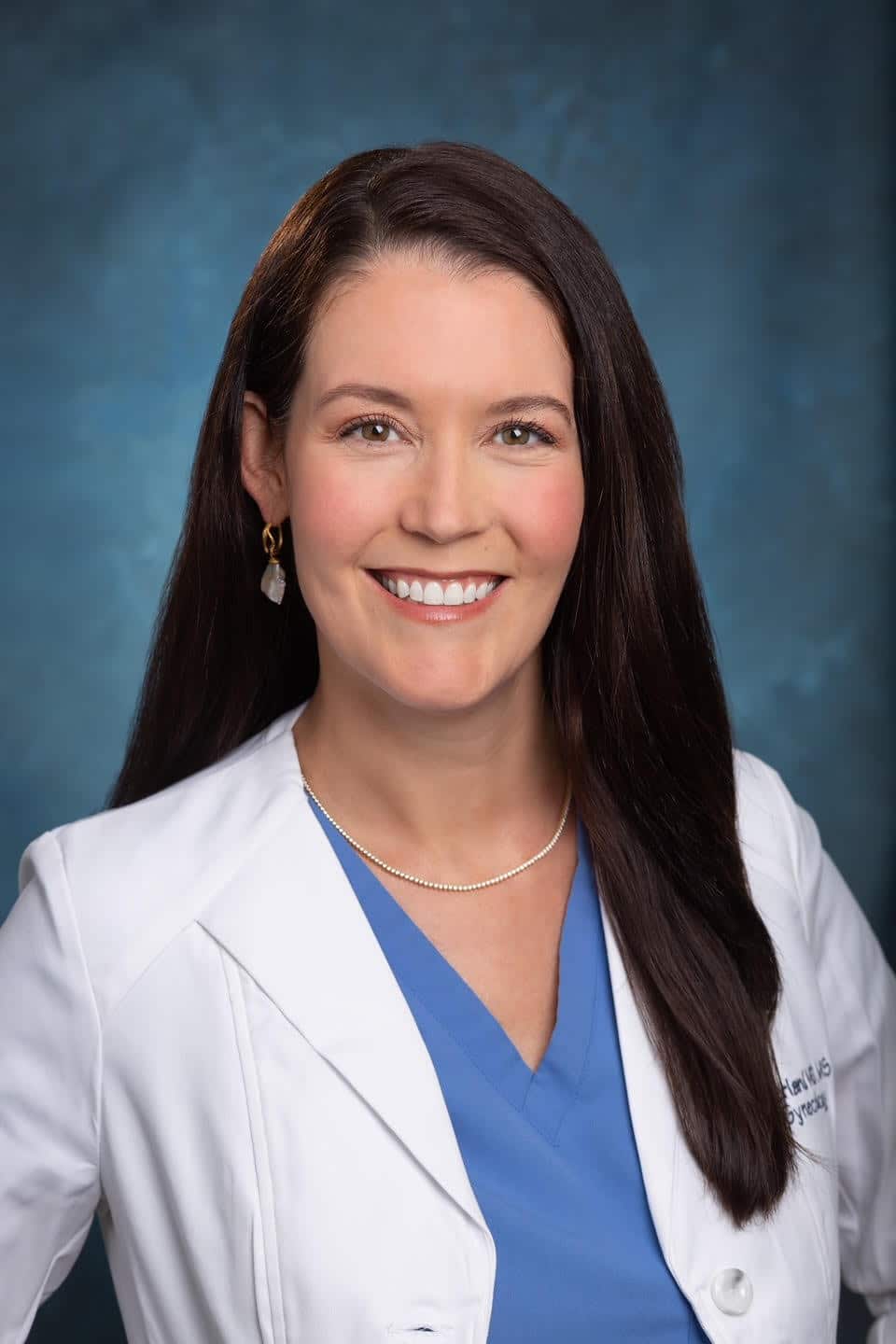
Endo Excellence Center specializes in laparoscopic excision delivered inside a personalized, multidisciplinary model that integrates pain management, pelvic floor therapy, fertility counseling, and compassionate support. Our care emphasizes minimally invasive techniques and individualized surgical planning led by Dr. Rachael Haverland, a board-certified surgeon trained at the Mayo Clinic, to maximize complete lesion removal while minimizing recovery time. Patients seeking excision-focused care can discuss tailored plans that combine surgical skill with coordinated post-operative rehabilitation.
Why Is Endometriosis Excision Surgery the Gold Standard Treatment?
Excision removes endometrial-like tissue and the fibrotic bases that support lesions rather than only treating the surface, which reduces residual disease and recurrent symptoms. Comparative studies suggest excision provides more durable pain relief and may increase pregnancy chances in selected patients compared with ablation or conservative care, particularly when performed by surgeons trained in comprehensive excision. Surgical completeness depends on surgeon experience, so specialist referral matters for complex disease. Excision also permits histologic confirmation, which helps guide follow-up care.
Knowing the benefits of excision helps patients set expectations for perioperative planning and choices discussed in the next subsection.
How Do Minimally Invasive Techniques Improve Recovery and Outcomes?
Laparoscopy uses small incisions and specialized tools to reduce blood loss, postoperative pain, and hospital stay compared with open surgery, enabling faster mobilization and earlier return to normal activities. Enhanced recovery practices — early movement, multimodal analgesia, and prehab strategies — shorten recovery and improve function. Still, achieving complete excision requires surgical expertise, and recovery varies with case complexity; patients should expect a personalized recovery plan that may include physical therapy and targeted pain management. Emphasizing minimally invasive excision aligns surgical goals with quicker, evidence-informed recovery.
Minimally invasive surgery pairs naturally with multidisciplinary therapies that support long-term management, which we outline next.
What Multidisciplinary Therapies Support Endometriosis Management?
Multidisciplinary care brings together hormonal strategies for symptom control, pain clinic interventions for neuropathic pain, pelvic floor physical therapy for musculoskeletal contributors, nutrition and lifestyle guidance to reduce inflammation, mental health support for coping with chronic illness, and fertility specialist input when conception is a goal. These services can be used before surgery to optimize readiness, immediately after surgery to aid recovery, and long term to maintain function and quality of life. Close communication among surgeons, pain specialists, physical therapists, and reproductive experts creates an integrated plan that addresses both disease burden and personal goals. Integrating these services improves the likelihood of durable symptom control and better overall outcomes.
This multidisciplinary focus naturally leads into fertility considerations covered next.
How Does Endometriosis Affect Fertility and What Are the Care Strategies?
Endometriosis can reduce fertility through anatomical distortion from adhesions and endometriomas, inflammatory changes that impair gamete and embryo function, and possible effects on ovarian reserve when large endometriomas or repeated surgeries occur. The fertility impact varies by disease stage, lesion location, age, and prior treatments; clinicians tailor recommendations — surgical excision versus immediate referral to assisted reproductive technologies (ART) — based on these factors. For many people, appropriate excision restores anatomy, reduces inflammation, and improves spontaneous conception chances; for others, combining surgery with ART gives the best results. Early, individualized fertility counseling should be part of the diagnostic and treatment plan.
A decision framework that weighs surgical benefit against direct ART referral helps patients choose the path that best fits their reproductive timeline and age-related considerations.
What Is the Link Between Endometriosis and Infertility?
Infertility related to endometriosis stems from adhesions that alter fallopian tube and ovarian relationships, ovarian endometriomas that can lower ovarian reserve, and a pro-inflammatory peritoneal environment that interferes with ovulation, fertilization, and implantation. While many people with mild disease conceive naturally, a significant proportion experience subfertility. Evaluating ovarian reserve, pelvic anatomy, and patient age helps determine whether surgery will likely improve fertility or whether direct referral to ART is preferable. Discussing fertility goals early ensures surgical planning prioritizes ovary-sparing techniques and coordinated referral when appropriate.
Linking fertility goals to surgical timing and technique sets up the next section outlining how excision can improve pregnancy chances for selected patients.
How Can Excision Surgery and Treatment Improve Pregnancy Chances?
Excision can boost pregnancy chances by removing adhesions and endometriomas that block ovulation or fallopian tube function, restoring normal pelvic anatomy, and reducing inflammatory mediators that impair fertility. Evidence shows excision is beneficial for selected patients — especially those with endometriomas or distorted anatomy — while benefits in mild disease are less predictable and must be balanced against potential impacts on ovarian reserve. Timing decisions (immediate surgery versus proceeding to ART) depend on age, ovarian reserve testing, symptom burden, and prior fertility care. Coordinated planning between excision surgeons and fertility specialists offers the best chance of aligning treatment with an individual’s reproductive timeline.
This fertility-focused planning underscores why timely specialist evaluation matters, which we address next.
When Should You Seek Diagnosis and Care for Endometriosis Symptoms?
Seek evaluation when symptoms interfere with daily life, when pain is severe or worsening, when bowel or bladder symptoms are cyclical or progressive, or when infertility is a concern. Early referral to a specialist reduces diagnostic delay and expands treatment options. Seek urgent care for red flags — severe uncontrolled pain, fainting, fever, heavy bleeding with signs of instability, or symptoms of bowel obstruction. For non-urgent but concerning symptoms — worsening cyclical bowel bleeding, progressive urinary symptoms tied to menses, or a rapid decline in function — schedule specialist evaluation within weeks rather than months. Distinguishing urgent from outpatient concerns helps ensure safe, timely care and prevents complications.
Understanding when to pursue urgent versus scheduled specialty care helps you prioritize next steps and leads into how early diagnosis can change outcomes.
How Does Early Diagnosis Improve Long-Term Health Outcomes?
Early diagnosis shortens the long delays many people face before getting effective care — delays that contribute to chronic pain sensitization, advancing adhesions, potential loss of fertility opportunities, and reduced quality of life. Timely identification allows earlier symptom control, appropriate imaging, and consideration of excision when indicated, which can limit progression and help preserve ovarian reserve if managed carefully. Early referral also enables coordinated multidisciplinary planning — pain management, pelvic floor therapy, and fertility counseling — that improves recovery and mental health outcomes. Spotting symptoms sooner and seeking specialist care increases treatment choices and supports better long-term well-being.
If your symptoms meet red-flag or persistent thresholds, consider scheduling an evaluation; Endo Excellence Center offers compassionate, excision-focused multidisciplinary assessments and can recommend next diagnostic steps and a personalized care plan.
Why Choose Endo Excellence Center and Dr. Rachael Haverland for Endometriosis Care?
Endo Excellence Center is a specialized practice focused on personalized endometriosis care led by Dr. Rachael Haverland, a board-certified surgeon trained at the Mayo Clinic. Our program emphasizes gold-standard excision delivered through minimally invasive laparoscopy and a coordinated multidisciplinary approach that pairs surgical expertise with pain management, pelvic floor therapy, fertility counseling, and emotional support. This structured pathway aligns diagnostic precision and operative skill with postoperative rehabilitation and long-term symptom control, helping patients pursue pain relief and fertility goals when relevant.
Choosing a center experienced in excision and multidisciplinary care can influence outcomes. The following sections summarize team expertise and the benefits of coordinated care.
What Expertise Does Dr. Haverland Bring to Endometriosis Treatment?
Dr. Rachael Haverland is a board-certified specialist with Mayo Clinic training and a clinical focus on laparoscopic excision and complex pelvic disease. Surgeon experience in excision correlates with more complete lesion removal and improved long-term symptom control; Dr. Haverland’s training supports the center’s emphasis on meticulous operative technique and minimally invasive approaches. Patients considering diagnostic or excision surgery benefit from a consult that integrates surgical assessment with fertility planning and postoperative rehabilitation. Our clinical approach is evidence-based, patient-centered, and delivered with compassion.
Knowing a practitioner’s credentials and surgical focus helps patients decide where to seek specialized excision-based care, which we expand on next.
How Does the Center’s Multidisciplinary Approach Benefit Patients?
Endo Excellence Center coordinates surgery, pain management, pelvic floor physical therapy, fertility counseling, and mental health support so care addresses the full range of endometriosis-related needs and improves recovery. Team-based care reduces fragmentation, aligns perioperative planning with rehabilitation, and ensures early involvement of fertility experts when conception is a priority. This integration supports smoother postoperative transitions, faster functional recovery, and personalized long-term plans that balance symptom control with life goals. A coordinated pathway also enables tailored prehab and post-op therapies that lower recurrence risk and enhance quality of life.
If you’re ready to pursue evaluation, an initial consult lets our team review your symptom diary and prior tests and create a personalized diagnostic and treatment plan.
- Key steps to prepare for that visit include: your symptom diary, prior imaging or operative reports, a current medication list, and a clear statement of fertility goals.
- Helpful questions to ask during the consult include: What is your working diagnosis? Which tests are needed now? Is excision surgery indicated for my case, and what are the expected benefits and risks? How will multidisciplinary supports be coordinated?
- To schedule an evaluation or learn more about our excision-focused approach, request an appointment with the Endo Excellence Center team for a personalized consultation and care plan.
This guide aims to give you the tools to recognize symptoms, set realistic expectations for diagnosis, compare treatment options with emphasis on excision and multidisciplinary care, and take practical steps toward specialist evaluation — all to support timely, evidence-informed decisions about endometriosis care.
Frequently Asked Questions
What lifestyle changes can help manage endometriosis symptoms?
Lifestyle changes can complement medical care. Regular moderate exercise often reduces pain and boosts mood by increasing endorphins. An anti-inflammatory eating pattern — plenty of fruits, vegetables, whole grains, and omega-3–rich foods — may help some people. Stress-management practices such as yoga, meditation, or mindfulness can also improve coping. Discuss lifestyle changes with your care team so recommendations fit your symptoms and treatment plan.
Are there any alternative therapies for endometriosis?
Some people find relief with complementary therapies. Acupuncture can reduce pain and improve quality of life for some patients. Certain herbal supplements, like ginger and turmeric, have anti-inflammatory effects, but you should always check with your clinician before starting supplements to avoid interactions with prescribed treatments. A thoughtful, integrative approach that combines conventional and complementary strategies can be helpful when coordinated with your medical team.
How does endometriosis affect mental health?
Chronic pain, fertility concerns, and the unpredictable nature of symptoms can take a heavy emotional toll, contributing to anxiety, depression, and social isolation. Mental health support — therapy, counseling, or peer support groups — is an essential part of comprehensive care. Addressing mental health alongside physical treatment improves overall well-being and resilience.
What role does diet play in managing endometriosis?
Diet can influence symptoms for some people. Studies suggest reducing red meat and processed foods while increasing fruits, vegetables, whole grains, and omega-3 sources may help lower inflammation. High-fiber foods support gut health, which can be beneficial when bowel symptoms are present. Working with a nutritionist familiar with endometriosis can yield practical, individualized dietary guidance.
Can endometriosis be cured?
There is no universal cure for endometriosis at this time, but many people achieve long-term symptom control. Treatments — including excision surgery, hormonal therapies, and lifestyle changes — can significantly improve pain and quality of life. For some, surgery provides sustained relief; others need ongoing management. Early diagnosis and a multidisciplinary approach increase the chance of durable improvement.
What should I expect during a follow-up appointment for endometriosis?
At follow-up visits, your provider will review symptoms, assess treatment effectiveness and side effects, and discuss results from any recent tests or imaging. Adjustments to medication, physical therapy, or surgical plans may be made. Use the visit to ask questions, share new symptoms, and confirm next steps. Regular follow-up helps ensure your care plan stays aligned with your goals and changing needs.
Conclusion
Recognizing endometriosis symptoms early and seeking timely evaluation can meaningfully improve outcomes and quality of life. With clear, evidence-based diagnostic options and treatment pathways — including excision surgery and coordinated multidisciplinary care — many patients find better pain control and improved fertility prospects. If you’re ready to take the next step, consult a specialist who can build a personalized plan for your needs. Explore the resources at Endo Excellence Center to help guide your journey toward effective, compassionate endometriosis care.