

Endometriosis is a chronic, often painful condition affecting millions of women worldwide. Conventional medications such as hormonal therapies and pain relievers may bring relief but can also cause side effects. Increasingly, women are exploring natural alternatives to manage symptoms while supporting overall health. This article presents natural approaches—including dietary changes, exercise, mindfulness, and supplements—to help alleviate endometriosis symptoms by addressing inflammation, hormonal balance, stress, and gut health. The goal is to empower women with insights that complement traditional treatments, improve quality of life, and potentially reduce long-term medication dependency.
Natural alternatives not only target the physical pain associated with endometriosis but also support emotional well-being and hormonal equilibrium. Many women report that dietary modifications, targeted exercise routines, and stress management techniques lessen their symptoms’ intensity and frequency. Supplements such as omega-3 fatty acids, turmeric extracts, and probiotics have shown promise in reducing systemic inflammation and regulating immune function. As ongoing research validates these approaches, more women are integrating natural strategies into their overall care plans.
This article outlines practical solutions integrating nutritional science, physical activity, mindfulness, and community support. Each section addresses common queries with evidence-based information that patients and their healthcare providers can consider.
Key Takeaways
- Natural alternatives for endometriosis address inflammation, hormonal imbalances, and pain through a holistic lifestyle approach.
- Diet and nutrition, with anti-inflammatory foods and supplements, play a key role.
- Regular physical activity and stress management techniques such as meditation improve symptom severity.
- Supplements like omega-3 fatty acids, turmeric, and probiotics help reduce inflammation and pain.
- Community and professional support are essential for effective natural management.
What Are the Most Effective Natural Alternatives to Endometriosis Drugs?

Natural alternatives to conventional endometriosis drugs aim to reduce pain, inflammation, and hormonal imbalances without significant side effects. A blend of herbal supplements, anti-inflammatory foods, and lifestyle strategies can work synergistically to support detoxification, regulate the immune system, and improve cell regeneration, addressing pain and inflammation at its source.
Which Herbal Supplements Help Reduce Endometriosis Symptoms?
Herbal supplements such as chamomile, peppermint, and angelica sinensis are promising options. Chamomile can help calm the nervous system, while peppermint may ease muscle spasms and abdominal pain. Ginger and green tea extracts offer antioxidant benefits and support a balanced inflammatory response. These herbs are thought to modulate inflammatory cytokines and growth factors, helping alleviate both direct pain and secondary symptoms like mood shifts and digestive issues. Although further clinical trials are needed, professional supervision when using these botanicals is often recommended.
How Do Anti-Inflammatory Foods Support Endometriosis Management?
A diet rich in fruits, vegetables, whole grains, lean proteins, and healthy fats is essential for reducing systemic inflammation—a major factor in endometriosis pain. Foods high in omega-3 fatty acids (found in fish oil, walnuts, and flaxseeds) help balance inflammatory mediators, while colorful fruits and vegetables provide antioxidants to combat oxidative stress. Stable blood sugar levels and improved liver function—vital for estrogen metabolism—can also be achieved through this diet. Incorporating spices like turmeric, which contains curcumin, further assists in reducing inflammation. Clinical studies have found that such dietary practices can decrease symptom frequency and severity.
Can Essential Oils Provide Relief for Endometriosis Pain?
Essential oils, including lavender, clary sage, and peppermint, offer anti-inflammatory and analgesic properties that can relieve endometriosis-related pain. When applied topically or diffused, these oils may reduce muscle tension and promote relaxation. For example, clary sage oil can help balance estrogen levels. Essential oils are also known to improve sleep and reduce stress by lowering cortisol, making them a useful component of a comprehensive, natural treatment strategy. Read more in A Guide to Endometriosis Treatment Options for Patient Empowerment.
How Can Diet and Nutrition Improve Endometriosis Symptoms Naturally?

Diet and nutrition are pivotal when managing endometriosis. An anti-inflammatory diet not only targets inflammation but also helps balance hormones, support the immune system, and improve digestive health. Selecting nutrient-dense foods and avoiding inflammatory triggers creates an internal environment that reduces pain and may slow disease progression.
What Foods Should Be Included in an Endometriosis-Friendly Diet?
An endometriosis-friendly diet should include whole, unprocessed foods rich in antioxidants and anti-inflammatory compounds. Leafy greens, berries, fatty fish (such as salmon), and nuts like walnuts and almonds provide essential vitamins, minerals, and healthy fatty acids. High-fiber foods including legumes, whole grains, and fruits support a healthy gut microbiome and aid in detoxification. Additionally, probiotic-rich foods like yogurt, kefir, and fermented vegetables support gut health and hormone metabolism.
Which Foods and Ingredients Should Be Avoided to Reduce Inflammation?
To manage endometriosis symptoms effectively, it is important to avoid processed foods, trans fats, refined sugars, and red meat, as these foods can increase inflammatory markers and disrupt hormonal balance. High saturated fats, dairy, and gluten may also contribute to inflammation and worsen symptoms in some women. By eliminating these triggers, blood sugar levels stabilize and overall inflammation is reduced, helping to alleviate pain and improve energy levels.
How Do Meal Plans and Recipes Support Natural Symptom Management?
Well-structured meal plans and simple recipes ensure adherence to an anti-inflammatory diet. Examples include antioxidant-rich salads with fatty fish, vegetable stir-fries with extra-virgin olive oil, and smoothie bowls with berries and leafy greens. Such meal plans help with portion control and make grocery shopping easier, reducing the temptation to eat processed foods. They also offer flexibility with tips for substitutions and adaptations based on personal and cultural preferences, supporting long-term dietary consistency that aids in symptom management.
What Role Does Exercise and Physical Activity Play in Managing Endometriosis Naturally?

Regular exercise is a vital component of managing endometriosis naturally. It helps regulate hormones, improve blood circulation, and reduce stress, thereby alleviating pain and discomfort. Moreover, exercise enhances mood and cognitive function, contributing to an overall better quality of life.
Which Types of Exercise Are Best for Reducing Endometriosis Pain?
Low-impact exercises such as yoga, walking, and swimming are particularly effective. They provide gentle stretching, improve pelvic blood flow, and reduce muscle tension without placing excessive strain on the body. Yoga, for example, increases flexibility and reduces stress hormones. Tai chi and Pilates also combine controlled movements with deep breathing, which can synchronize the body’s stress response and lower inflammation. Additionally, regular aerobic exercise aids cardiovascular health and weight management, which can influence hormone levels and reduce pain.
How Does Regular Physical Activity Influence Hormonal Balance?
Physical activity has a direct effect on hormonal balance by regulating stress hormones like cortisol and adrenaline. Consistent exercise helps the endocrine system manage hormone production, which is crucial for conditions influenced by estrogen. Improved insulin sensitivity and weight management further contribute to a stable hormonal environment. This balanced state can lead to reduced inflammation and fewer painful episodes, making exercise a key part of managing endometriosis.
What Are Effective Stress-Reduction Techniques Linked to Exercise?
Combining exercise with mindfulness techniques such as deep breathing, meditation, and progressive muscle relaxation can further lower stress. Activities like yoga and tai chi naturally integrate these mindfulness practices, which enhance relaxation and reduce cortisol levels. The release of endorphins during exercise also provides natural pain relief and a boost in mood, supporting both physical and mental well-being.
How Can Stress Management and Mindfulness Help With Endometriosis Symptoms?
Stress can worsen endometriosis symptoms by affecting hormonal balance and increasing inflammation. Effective stress management and mindfulness practices help mitigate these effects, leading to reduced pain and overall better health.
What Mindfulness Practices Reduce Endometriosis-Related Pain?
Mindfulness techniques such as meditation and deep breathing exercises are beneficial for managing endometriosis pain. These practices slow down racing thoughts and release physical tension, which can lower cortisol levels and inflammatory markers. Practices like mindful walking and body scans help individuals become more aware of their bodily sensations, allowing them to manage pain more effectively. Regular mindfulness can build a resilient mindset and ease chronic pain through both preventive and reactive interventions.
How Does Stress Exacerbate Endometriosis Symptoms?
Stress can trigger hormonal imbalances and increase inflammatory cytokine production. Elevated cortisol and adrenaline not only heighten physical tension but also disrupt the hormonal balance needed to regulate endometrial tissue growth. This leads to increased lesion formation and intensified pain. In a state of constant stress, the immune system is also compromised, making it harder for the body to combat inflammation.
Which Relaxation Techniques Are Recommended for Symptom Relief?
Techniques such as progressive muscle relaxation, guided imagery, and deep breathing are highly recommended to alleviate endometriosis symptoms. These practices help regulate heart rate and reduce muscle tension for immediate relief. Regular practice of mindfulness meditation and yoga has also been shown to improve sleep quality, lower stress levels, and ultimately reduce pain intensity. For more detail, see our article Exploring Endometriosis Pain Relief Options for Comfort.
What Are the Best Natural Supplements and Remedies Backed by Science for Endometriosis?
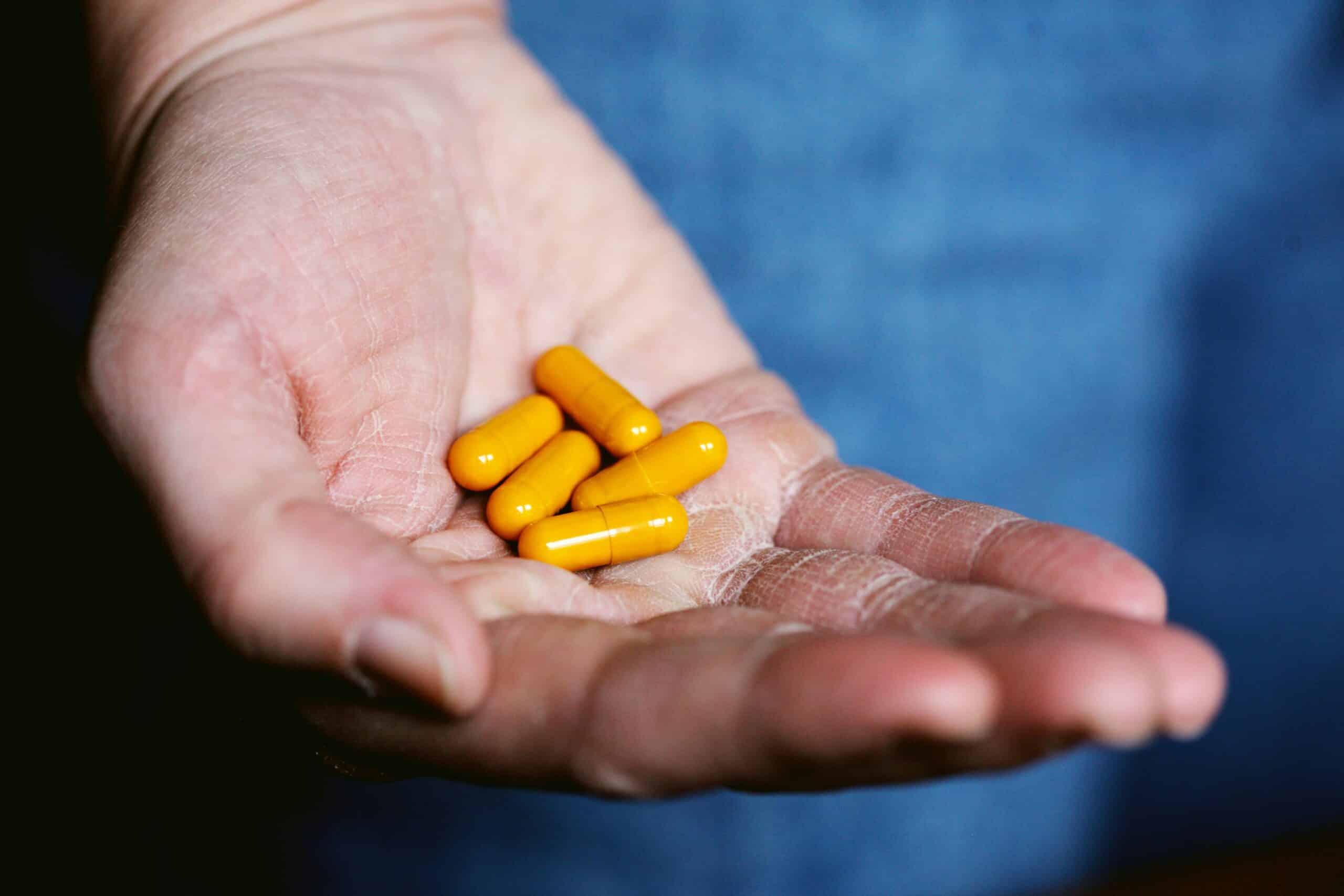
Natural supplements can complement traditional endometriosis treatments by offering anti-inflammatory, antioxidant, and hormone-regulating benefits. Omega-3 fatty acids, turmeric extracts, and probiotics are among the most researched supplements for their effectiveness in reducing inflammation and supporting overall health.
How Do Omega-3 Fatty Acids Support Endometriosis Treatment?
Omega-3 fatty acids, found in sources like fish oil, flaxseed, and walnuts, offer powerful anti-inflammatory benefits. They work by reducing the production of pro-inflammatory cytokines and prostaglandins. Research suggests that omega-3 supplementation may significantly lower inflammation, thereby reducing pain and improving quality of life. These fatty acids also contribute to cardiovascular health and help regulate insulin sensitivity, making them a valuable part of a natural treatment strategy.
What Is the Role of Turmeric and Curcumin in Inflammation Control?
Turmeric, with its active compound curcumin, is well-known for its anti-inflammatory and antioxidant properties. Curcumin helps inhibit inflammatory pathways and supports liver function—critical for metabolizing excess estrogen. However, curcumin’s low bioavailability means it is often taken with piperine (from black pepper) to improve absorption. Used appropriately, turmeric supplements may reduce pain with fewer side effects compared to synthetic alternatives.
Are Probiotics Beneficial for Endometriosis Symptom Management?
Probiotics help maintain a healthy gut microbiome, which is essential for hormone metabolism and reducing inflammation. A balanced gut flora can regulate estrogen levels and lower the risk of estrogen dominance—a common issue in endometriosis. Probiotic supplements or naturally fermented foods can strengthen the gut barrier and reduce systemic inflammation, contributing to overall symptom relief.
How Can Community Support and Education Empower Women Managing Endometriosis Naturally?

Managing endometriosis naturally extends beyond individual lifestyle changes; it also involves community empowerment and shared knowledge. Support groups, educational seminars, and online platforms provide emotional support, practical advice, and expert guidance. Such interactions can help women take charge of their health, reduce feelings of isolation, and adjust lifestyle habits for better outcomes.
What Resources Are Available for Women Seeking Natural Endometriosis Care?
Women have access to numerous resources including online forums, dedicated websites, social media groups, and health blogs. Organizations like the Endometriosis Association offer up-to-date information on diet, supplements, exercise, and stress management tailored to endometriosis care. Webinars, podcasts, and in-person support groups further disseminate useful strategies and personal success stories.
How Does Sharing Experiences Improve Symptom Management Outcomes?
Sharing personal experiences can be highly effective in managing endometriosis. Exchanging advice, success stories, and challenges within supportive communities not only provides emotional relief but also offers practical, real-world strategies. Peer support encourages adherence to beneficial lifestyle routines and helps individuals discover new approaches to symptom management.
Where to Find Expert Advice on Natural Alternatives for Endometriosis?
Expert advice is available from naturopaths, integrative health clinicians, and specialists in women’s health. Many clinics and accredited health websites offer comprehensive guidance on combining natural treatments with conventional therapies. Regular seminars, online courses, and personalized consultations can help women understand how to safely integrate supplements and lifestyle modifications into their treatment plans.
What Precautions Should Be Taken When Using Natural Alternatives for Endometriosis?

While natural alternatives can be beneficial, it is important to use them with proper guidance to avoid potential risks. Not all natural remedies are risk-free, and some may interact with medications or have side effects if not used correctly.
When Should You Consult a Healthcare Professional About Natural Remedies?
Consult a healthcare professional before starting any natural treatment, especially if endometriosis is severe or if you are already on medication. A doctor or naturopath can review your medical history, current symptoms, and potential drug interactions to determine the safest approach. Regular check-ups and open communication are essential for adjusting dosages and monitoring progress.
What Are Potential Interactions Between Natural Supplements and Medications?
Herbal supplements and natural compounds may alter drug metabolism by affecting liver enzymes, potentially reducing the efficacy or increasing the toxicity of medications such as NSAIDs or hormonal therapies. For example, turmeric might interact with blood thinners. Keeping a detailed record of all supplements and medications and reviewing them with your healthcare provider can help prevent adverse reactions.
How to Monitor Effectiveness and Side Effects of Natural Treatments?
Monitoring involves keeping a detailed journal of dietary changes, supplement use, exercise routines, and symptom progress. Regular clinical evaluations and blood tests can provide valuable information on hormone levels and inflammation markers. If significant side effects occur or there is no improvement over time, it may be necessary to adjust your treatment plan.
Frequently Asked Questions
Q: Can natural alternatives completely replace conventional endometriosis medications? A: Natural alternatives can support symptom management by reducing inflammation and balancing hormones, but they are best used as complementary treatments. Always consult a healthcare professional for personalized advice.
Q: How long does it typically take to see improvements using natural treatments for endometriosis? A: Many patients notice improvements in pain and hormonal balance within 6 to 12 weeks of consistent lifestyle changes, though individual results may vary.
Q: Are there any dietary changes that can immediately reduce endometriosis pain? A: An anti-inflammatory diet rich in whole foods, omega-3 fatty acids, and antioxidants can help reduce pain over time. Immediate relief might also result from avoiding known food triggers.
Q: What are the risks of combining natural supplements with conventional medications? A: Some supplements may interact with medications, affecting their efficacy or causing adverse reactions. Always discuss any new supplement with your healthcare provider.
Q: Do essential oils provide long-term relief for endometriosis pain? A: Essential oils may offer temporary relief by reducing muscle tension and stress, but they are most effective when used as part of a comprehensive treatment plan that includes diet, exercise, and other natural therapies.
Q: How can I ensure that my natural treatment plan is effective for managing endometriosis? A: Regular monitoring, keeping a symptom journal, and routine consultations with your healthcare provider help ensure your treatment plan is effective. Combining objective data with personal feedback creates a comprehensive management approach.
Q: What role does community support play in managing endometriosis naturally? A: Community support offers emotional relief and practical strategies, improving adherence to treatment plans and encouraging lifestyle changes that benefit long-term symptom management.
Final Thoughts
Natural alternatives for managing endometriosis offer a promising complement to conventional treatments. By integrating herbal supplements, anti-inflammatory dietary practices, structured exercise routines, and mindfulness strategies, women can address both the physical and emotional aspects of the condition. A holistic approach that includes careful monitoring and professional guidance ensures these natural therapies work together to reduce pain and inflammation. Continued research and community education will help pave the way for more personalized, effective natural treatment strategies for endometriosis. When you are ready to talk through your options, schedule an appointment with our team.