

Endometriosis does not always end with menopause. In some women, implants continue to produce estrogen locally, lesions persist, or immune and inflammatory signals remain active despite ovarian failure. In this guide we explain why postmenopausal endometriosis can occur, which dietary supplements have the best evidence for symptom relief, how those agents act biologically, and how to use them safely alongside medical care such as excision surgery or hormone replacement therapy (HRT). You’ll find clear mechanisms for curcumin, N‑acetyl cysteine (NAC), omega‑3 EPA/DHA, vitamin D, and melatonin, practical dosing ranges, safety warnings, and lifestyle strategies that boost supplement effects. The guide also maps typical symptom patterns after menopause, provides a concise comparison table, and outlines when to seek specialist assessment. Relevant search phrases such as supplements for post menopausal women and supplements for endometriosis relief after menopause are used so you can quickly find practical, evidence-informed options for pain, inflammation, sleep, and quality of life.
What Is Post-Menopausal Endometriosis And How Does It Affect Symptoms?

Post‑menopausal endometriosis describes lesions that persist, reactivate, or become newly symptomatic after ovarian menopause. These implants can still drive inflammation and cause organ‑related symptoms because they may synthesize estrogen locally (via aromatase), generate oxidative stress, and sustain cytokine signaling independent of blood hormone levels. Symptoms and patterns often differ from reproductive‑age presentations, so early recognition matters: spotting organ‑specific signs and arranging specialist evaluation can prevent progression. Understanding these biology‑based mechanisms also explains why anti‑inflammatory, antioxidant, and immune‑modulating supplements are commonly considered as adjuncts to medical care.
Why can endometriosis persist or recur after menopause?
Many implants express aromatase and can make estrogen locally, creating a microenvironment that supports lesion survival and inflammation even when ovarian estrogen falls. Persistent oxidative stress and cytokine signaling help sustain lesions. Exogenous estrogen from HRT may stimulate dormant implants in susceptible people, so HRT decisions should involve specialist input to balance symptom relief and recurrence risk. Recent literature through 2023 highlights the importance of local tissue biology and supports individualized assessment rather than assuming menopause eliminates disease activity.
What are common symptoms of endometriosis after menopause?
After menopause, symptoms often include ongoing or new pelvic pain, discomfort that may appear cyclic with hormone exposure, and organ‑specific signs such as bowel, bladder, or urinary problems reflecting lesion location rather than menstrual cyclicity. Patients frequently report sleep disruption, fatigue, mood changes, and reduced quality of life that chronic pain and poor sleep can worsen. Because symptom patterns can be atypical in older patients, maintain a high index of suspicion and pursue targeted imaging or specialist assessment when new pelvic or pelvic‑visceral symptoms appear. Early referral helps determine whether symptoms stem from active endometriosis, another pelvic condition, or musculoskeletal contributors such as pelvic floor dysfunction.
For clinicians and patients seeking specialist‑reviewed resources on post‑menopausal endometriosis, the Endo Excellence Center offers an information hub and clinical overview written by endometriosis specialists. We emphasize multidisciplinary assessment and evidence‑informed approaches to diagnosis and symptom management in postmenopausal patients.
Which Supplements Are Most Effective For Endometriosis Relief After Menopause?
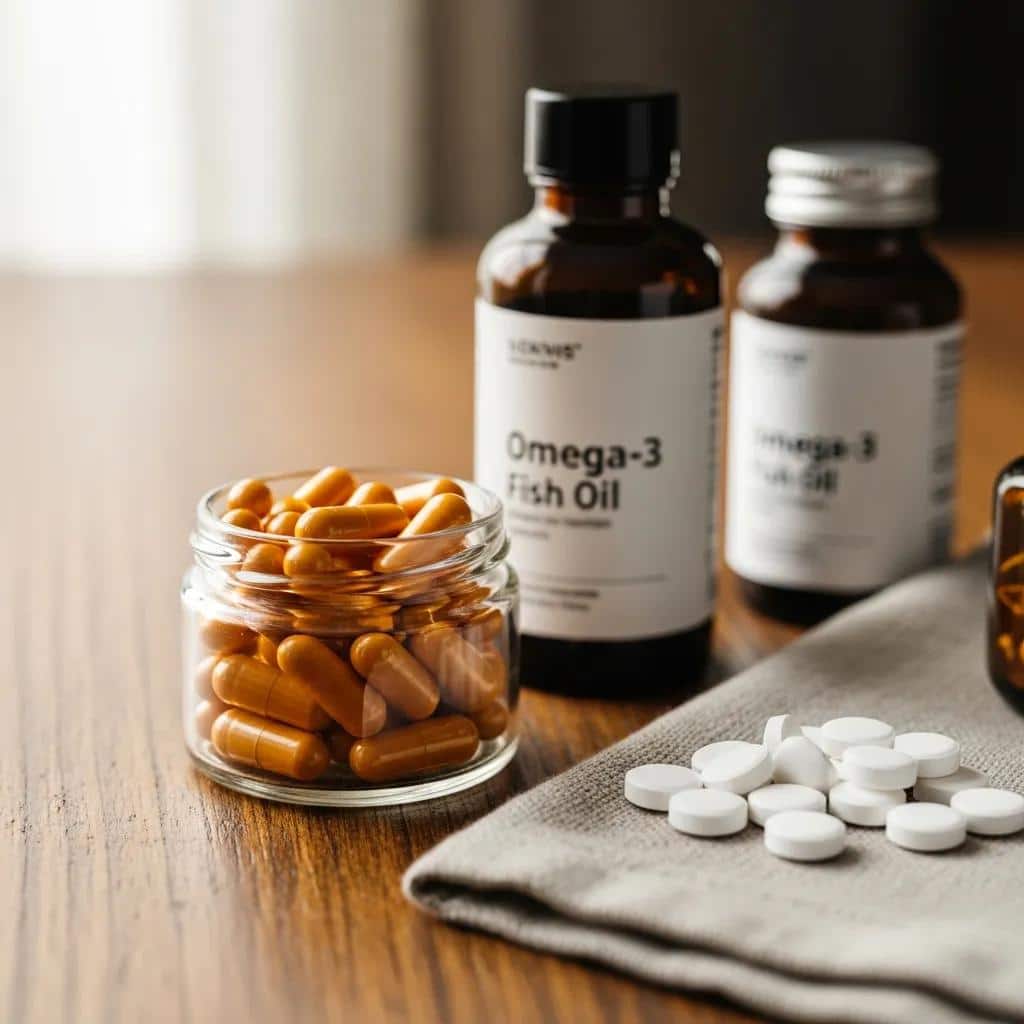
Supplements can be useful adjuncts that target inflammation, oxidative stress, and immune dysregulation linked to endometriosis—but they are not substitutes for specialist diagnosis or surgery when organ dysfunction is present. Current research most commonly supports curcumin, N‑acetyl cysteine (NAC), omega‑3 EPA/DHA, vitamin D, and melatonin for symptom relief after menopause, with variable evidence for pain reduction, lesion modulation, and sleep improvement. Always review interactions with HRT or perioperative plans and coordinate with an endometriosis specialist before starting. The quick list below summarizes leading supplements, main mechanisms, and evidence to help you compare options rapidly.
- Curcumin — lowers inflammatory signaling (for example NF‑κB) and oxidative stress; multiple trials show pain and inflammation benefits.
- N‑acetyl cysteine (NAC) — boosts glutathione and may exert anti‑proliferative effects on implants; clinical reports note lesion regression and symptom improvement.
- Omega‑3 (EPA/DHA) — shifts eicosanoid production toward less inflammatory mediators and can reduce pelvic pain in randomized trials.
- Vitamin D — modulates innate and adaptive immunity and inflammation; low levels correlate with more severe disease in observational studies.
- Melatonin — antioxidant and sleep‑promoting agent with adjunctive analgesic effects reported in several small trials.
The table below summarizes mechanisms, clinical benefits, evidence level, and typical dosing ranges to help you weigh options quickly.
These supplements target complementary pathways—anti‑inflammatory, antioxidant, and anti‑proliferative—to produce symptom benefit. Choosing an agent requires individualized consideration of the evidence and safety profile. The sections that follow describe curcumin and NAC in greater depth and discuss their use after menopause.
How does curcumin help reduce inflammation and pain in postmenopausal endometriosis?
Curcumin reduces inflammation by inhibiting NF‑κB and lowering pro‑inflammatory cytokines, which decreases local prostaglandin and cytokine‑mediated pain signaling in endometriotic implants. As an antioxidant, curcumin helps neutralize reactive oxygen species that encourage lesion persistence and fibrosis, offering symptomatic—and potentially disease‑modifying—effects. Clinical trials and meta‑analyses show moderate evidence for pain reduction, especially with formulations that include piperine or enhanced delivery systems to improve oral bioavailability. Typical supplemental doses range from 500 to 2,000 mg/day of curcumin extract with bioavailability enhancers. Use caution in patients on anticoagulants or with gallbladder disease, and coordinate changes in anti‑inflammatory strategy with your clinician.
What are the benefits of N‑acetyl cysteine for managing endometriosis lesions after menopause?
N‑acetyl cysteine (NAC) supplies cysteine to raise intracellular glutathione, lowering oxidative stress and producing anti‑proliferative effects that can reduce lesion size and symptom burden. Clinical studies—mostly in reproductive‑age populations—report lesion regression and symptomatic improvement; the mechanisms translate plausibly to postmenopausal settings where oxidative stress remains a contributor. Trial dosing commonly uses 600 mg two to three times daily, but individual tolerability and renal function should be assessed before starting. NAC is generally well tolerated but can interact with nitroglycerin and alter some laboratory assays; discuss use with a specialist when combining with HRT or around surgery.
How Do Omega-3 Fatty Acids And Vitamin D Support Symptom Management In Menopausal Endometriosis?
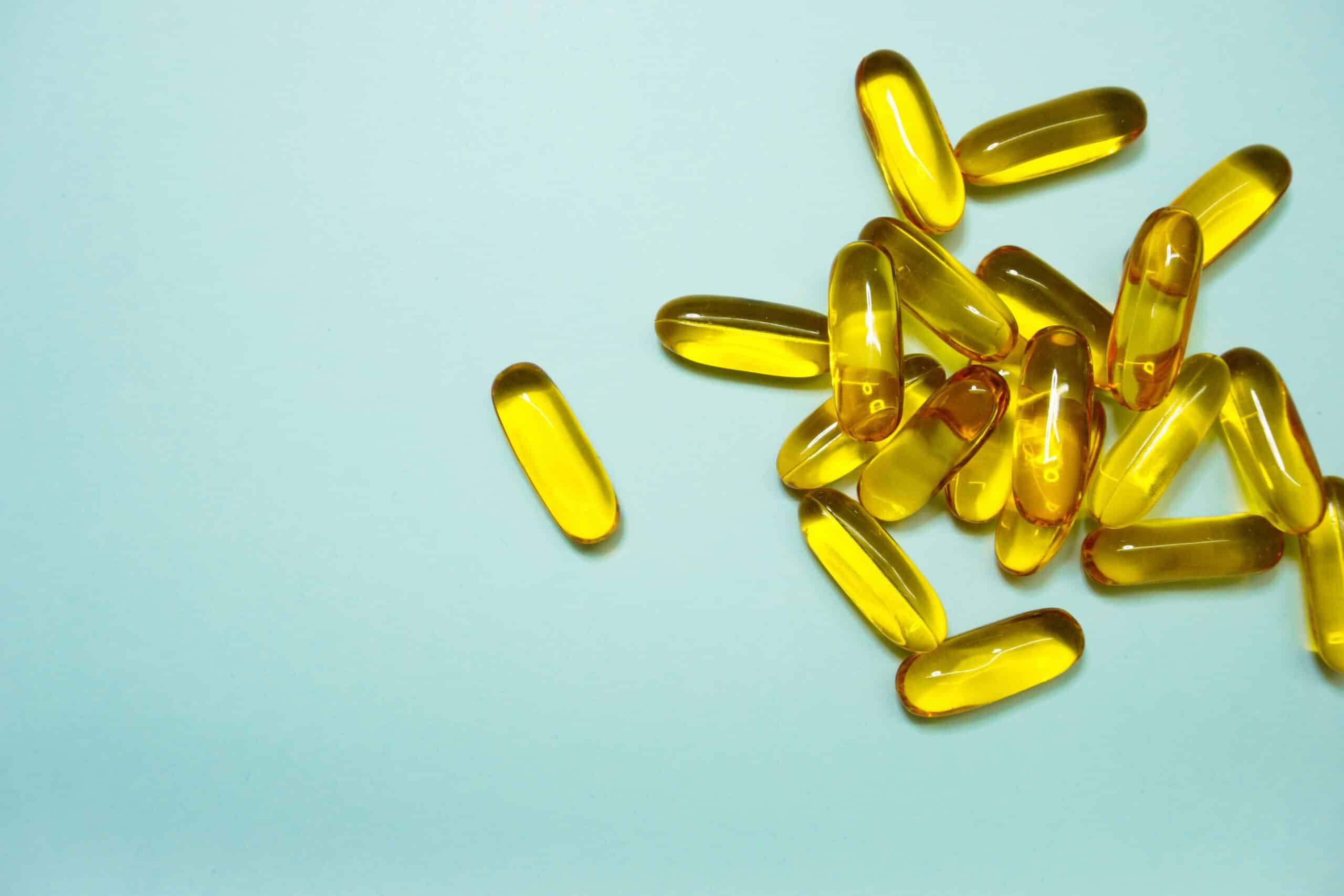
Omega‑3 fatty acids and vitamin D work through complementary immune‑modulating and anti‑inflammatory pathways to help reduce pelvic pain, modulate lesion inflammation, and support immune balance in postmenopausal patients. EPA and DHA replace arachidonic acid in cell membranes, shifting eicosanoid production away from pro‑inflammatory prostaglandins and leukotrienes and lowering nociceptive signaling in pelvic tissues. Vitamin D influences macrophage activity, T‑cell differentiation, and cytokine expression, dampening chronic inflammation; measuring 25(OH)D can guide supplementation to achieve sufficiency. Together these nutrients help control systemic inflammation and augment targeted supplements like curcumin and NAC.
What role do omega‑3 fatty acids play in reducing pelvic pain and inflammation?
EPA and DHA reduce pelvic pain by changing membrane lipid composition and decreasing production of arachidonic‑acid–derived pro‑inflammatory eicosanoids and cytokines involved in nociception. Randomized trials and pooled analyses report modest but clinically meaningful reductions in pelvic pain with daily omega‑3 supplementation; dietary sources such as fatty fish also contribute. Typical supplemental dosing ranges from 1,000 to 3,000 mg combined EPA/DHA daily depending on baseline intake and bleeding risk; higher doses increase anticoagulant effects, so review with clinicians if you take antiplatelet or anticoagulant medications. Choose purified products with tested heavy‑metal levels and consistent EPA/DHA ratios for best safety and effectiveness.
How does vitamin D modulate immune response and affect endometriosis symptoms post‑menopause?
Vitamin D modulates innate and adaptive immunity by affecting macrophage activity, T‑cell differentiation, and cytokine profiles, which can reduce chronic inflammation within endometriotic lesions and lower systemic inflammatory tone. Observational studies through 2023 link lower 25(OH)D levels with higher disease severity and symptom burden, and small repletion trials suggest symptom improvement. Clinically, measure serum 25(OH)D and aim for sufficiency (commonly around 30 ng/mL or per local guidelines). Maintenance doses often range 800–2,000 IU/day, with higher supervised dosing for correction. Coordinate vitamin D therapy with a specialist to align dosing with other therapies and comorbidities.
What other natural supplements and herbal remedies aid postmenopausal endometriosis?

Beyond core agents—curcumin, NAC, omega‑3s, and vitamin D—several supplements offer benefits for sleep, muscle relaxation, immune support, and additional anti‑inflammatory effects. Melatonin, magnesium, zinc, ginger, boswellia, and green tea extract (EGCG) have plausible mechanisms and varying levels of clinical support. These can be useful adjuncts when tailored to a person’s needs. Be cautious with botanicals that interact with anticoagulants, affect hepatic metabolism, or have phytoestrogenic activity, and review the full regimen with your clinician—especially if HRT or surgery is planned. The next sections group supplements by primary benefit and practical considerations for use.
How do melatonin, magnesium, and zinc contribute to pain relief and sleep improvement?
Melatonin offers antioxidant and analgesic properties in addition to regulating circadian rhythm; randomized trials show improvements in sleep quality and adjunctive reductions in pelvic pain. Magnesium functions as a muscle relaxant and neuromodulator, helping ease pelvic floor spasm and cramping that can amplify endometriosis pain; common oral forms include magnesium glycinate or citrate at elemental doses around 200–400 mg/day, with renal function considered. Zinc supports immune function and tissue repair; while direct endometriosis evidence is limited, correcting deficiency may aid healing and reduce oxidative stress. Monitor renal function when using magnesium and avoid prolonged high‑dose zinc without testing to prevent copper deficiency.
Which herbal supplements like ginger, boswellia, and green tea extract offer symptom support?
Ginger has anti‑inflammatory and analgesic effects useful for acute pain flares and prostaglandin‑mediated nociception; trial dosages often range 500–1,000 mg/day of standardized extract. Boswellia serrata contains boswellic acids that inhibit 5‑lipoxygenase and reduce leukotriene‑driven inflammation, showing modest benefit in inflammatory pain syndromes with limited but promising data for pelvic pain. Green tea extract (EGCG) shows anti‑proliferative and antioxidant activity and preclinical data suggest it may inhibit lesion growth; however, EGCG can affect liver enzymes and interact with anticoagulants, so dose carefully and monitor liver function as needed. These botanicals are best used as short‑term adjuncts under clinical supervision.
How Can Supplements Be Safely Integrated With Medical Treatments For Postmenopausal Endometriosis?
Supplements work best as part of a personalized treatment plan that clarifies diagnosis, flags indications for surgery, and coordinates HRT decisions to reduce interactions and maximize safety. Key decision points include whether supplements are appropriate for adjunctive symptom control, whether excision surgery is indicated for organ dysfunction, and how HRT might affect lesion activity—each requires individualized assessment. When combining supplements with medical care, consider perioperative timing (some supplements affect bleeding or wound healing), interactions with HRT or anticoagulants, and laboratory monitoring for nutrients such as vitamin D and zinc. If you’re unsure, consult an endometriosis specialist who can build a tailored plan that safely integrates supplements into the broader strategy.
This table highlights common safety flags and perioperative considerations—coordinate supplement timing and dosing with your surgical team and HRT prescriber to reduce risk and improve outcomes. The checklist below summarizes key safety steps before starting supplements.
- Review current medications and HRT: Identify antiplatelet, anticoagulant, or liver‑metabolized drugs that could interact.
- Assess surgical plans: Discuss perioperative cessation windows for supplements that affect bleeding or healing.
- Check baseline labs: Measure renal function and 25(OH)D when relevant, and consider zinc/copper balance for long‑term supplementation.
- Consult a specialist: Work with an endometriosis clinician to integrate supplements into a personalized care plan.
Following these steps helps ensure supplements complement—not complicate—medical and surgical care. At the Endo Excellence Center, individualized plans often combine evidence‑based supplement choices with surgical planning when appropriate; to discuss integrating supplements and HRT considerations with a specialist such as Dr. Rachael Ann Haverland, call (214) 281‑4460 to Schedule a Consultation.
When should excision surgery be considered alongside supplement use?
Consider excision surgery when there is progressive organ dysfunction (for example, obstructive bowel or urinary symptoms), severe pain that significantly limits daily function, or imaging and clinical evaluation demonstrate lesion burden not controlled by conservative measures. Surgery removes lesion tissue and can change disease trajectory, often decreasing reliance on long‑term supplements for symptom control. Perioperative supplement management matters because some agents affect bleeding or healing; preoperative planning commonly includes pausing supplements that increase bleeding risk, and postoperative recovery may incorporate targeted nutrients under clinical supervision. If symptoms suggest organ risk or conservative care has failed, timely referral to a surgical specialist is indicated.
What are the considerations for hormone replacement therapy and supplement use?
HRT can reactivate or worsen endometriotic implants in some people—especially with unopposed estrogen—so HRT selection requires specialist oversight in those with an endometriosis history. Combined estrogen‑progestogen regimens often carry lower reactivation risk but still need individualized assessment. Supplements with phytoestrogenic activity or those that alter estrogen metabolism should be reviewed with the HRT prescriber to avoid unintended hormonal effects. Coordinate supplement adjustments when starting HRT and monitor symptoms after initiation so reactivation can be detected early and management revised as needed.
What Lifestyle And Dietary Approaches Complement Supplements For Managing Endometriosis After Menopause?

Lifestyle and dietary strategies amplify supplement effects by lowering systemic inflammation, improving sleep and stress resilience, and addressing pelvic musculoskeletal contributors to chronic pain. Core elements include an anti‑inflammatory eating pattern rich in omega‑3s and antioxidants, regular low‑impact exercise to support circulation and pain modulation, sleep optimization, and targeted pelvic floor physical therapy when dysfunction is present. These nonpharmacologic measures work together with supplements to address upstream drivers of inflammation and pain, making supplements more effective and sometimes allowing lower doses. The list below outlines practical actions you can adopt to support a supplement regimen.
- Prioritize whole foods: Include fatty fish, colorful vegetables, legumes, nuts, and seeds to boost omega‑3 and antioxidant intake.
- Limit pro‑inflammatory foods: Cut back on processed foods, refined carbs, and trans fats that fuel systemic inflammation.
- Maintain regular activity: Gentle aerobic exercise and targeted stretching help reduce pain sensitization and lift mood.
- Optimize sleep and stress: Use sleep hygiene, melatonin when appropriate, and relaxation methods to lower central sensitization.
Adopting these habits supports supplement mechanisms—anti‑inflammatory and antioxidant effects—and improves overall symptom control and wellbeing.
How does an anti‑inflammatory diet enhance supplement effectiveness?
An anti‑inflammatory diet complements supplements by providing substrates (for example EPA/DHA), co‑antioxidants (vitamins and polyphenols), and fiber that influence the gut microbiome and systemic immune signaling, reducing the inflammatory environment that sustains endometriotic implants. A sample day might include oily fish or algae‑based omega‑3s at lunch, a colorful salad dressed with turmeric to support curcumin, and nuts or seeds for magnesium and zinc. Simple swaps—whole grains for white bread, roasted vegetables for fried foods, and water or herbal tea for sugary drinks—lower dietary inflammatory drivers and magnify supplement benefits. Combining diet changes with supplements usually yields better symptom control than either approach alone and supports long‑term health after menopause.
What role does pelvic floor physical therapy play in symptom relief?
Pelvic floor dysfunction often coexists with endometriosis and can perpetuate pain independently of lesion activity. Targeted pelvic floor physical therapy addresses muscle spasm, trigger points, and coordination to reduce nociceptive input. Typical approaches include manual therapy, biofeedback, relaxation training, and a tailored home exercise program to reduce hypertonicity and improve pelvic muscle control. When paired with supplements that lower inflammation and oxidative stress, pelvic floor therapy can produce meaningful reductions in day‑to‑day pain and improved function by addressing both peripheral and central contributors to chronic pelvic pain. Referral to a specialized pelvic floor therapist is recommended when pelvic floor signs are present or when pain persists despite lesion‑directed care.
For patients seeking coordinated, multidisciplinary care that combines evidence‑based supplement strategies with surgical expertise when needed, the Endo Excellence Center provides specialized assessment and individualized treatment planning led by Dr. Rachael Ann Haverland. To discuss tailored options including excision surgery, HRT coordination, and adjunctive supplements, call (214) 281‑4460 to Schedule a Consultation with a specialist.
This article summarized mechanisms, evidence, dosing guidance, safety flags, and lifestyle strategies for supplements commonly used to manage postmenopausal endometriosis symptoms. For personalized assessment and a tailored plan that safely integrates supplements with medical or surgical care, consult an endometriosis specialist who can review your history and treatment goals. Endo Excellence Center offers focused multidisciplinary expertise to determine when excision, HRT adjustments, or targeted adjunctive therapies are appropriate; call (214) 281‑4460 to arrange a consultation with Dr. Rachael Ann Haverland.
Frequently Asked Questions
What lifestyle changes can help manage endometriosis symptoms after menopause?
Several lifestyle changes help manage symptoms after menopause. An anti‑inflammatory diet rich in omega‑3s, antioxidants, and whole foods lowers systemic inflammation. Regular low‑impact exercise improves circulation and eases pain, while better sleep hygiene increases restorative sleep. Pelvic floor physical therapy can relieve muscle tension and dysfunction. These measures work together with supplements to improve symptom control and quality of life.
How can I determine the right dosage for supplements?
Dosage should be individualized by factors such as age, weight, comorbidities, and symptoms. Discuss options with a healthcare provider or endometriosis specialist to find the safest, most effective dose for you. Typical examples include curcumin at 500–2,000 mg/day and NAC at 600–1,800 mg/day. Regular monitoring and dose adjustments may be needed—especially when combining supplements with other treatments.
Are there any risks associated with taking supplements for endometriosis?
Yes. Some supplements increase bleeding risk, interact with anticoagulants, affect liver metabolism, or influence HRT. Others can alter lab tests or require renal monitoring. Always tell your clinician about all supplements you take so they can check for interactions and advise on perioperative timing and safety.
How long does it take to see results from supplements?
Onset of benefit varies by individual and supplement. Some people notice improvements within a few weeks—especially for anti‑inflammatory agents like curcumin or omega‑3s—while others may need several months of consistent use to see meaningful change. Regular follow‑up helps evaluate progress and adjust the regimen.
Can supplements replace medical treatments for endometriosis?
No. Supplements are complementary, not a replacement for medical or surgical treatments. They can help manage symptoms and improve quality of life, but they don’t eliminate the underlying disease or its complications. Hormone therapy or excision surgery may still be necessary depending on symptoms and organ involvement. Work with your care team to build a comprehensive plan.
What should I discuss with my doctor before starting supplements?
Before starting any supplement, discuss your current medications, medical history, and specific endometriosis symptoms. Ask about potential interactions with HRT or other treatments, appropriate dosing, possible side effects, and monitoring needs. This ensures a safe, coordinated plan that complements your overall care.
Conclusion
When used thoughtfully, evidence‑based supplements can be a valuable part of a postmenopausal endometriosis care plan—targeting inflammation, supporting sleep, and improving quality of life. Understanding how agents like curcumin, NAC, and omega‑3s work, along with their dosing and safety considerations, helps you make informed choices that complement medical or surgical care. Always collaborate with healthcare professionals to ensure safe, effective integration of supplements into your treatment. For personalized guidance and tailored supplement strategies, consider scheduling a specialist consultation.