
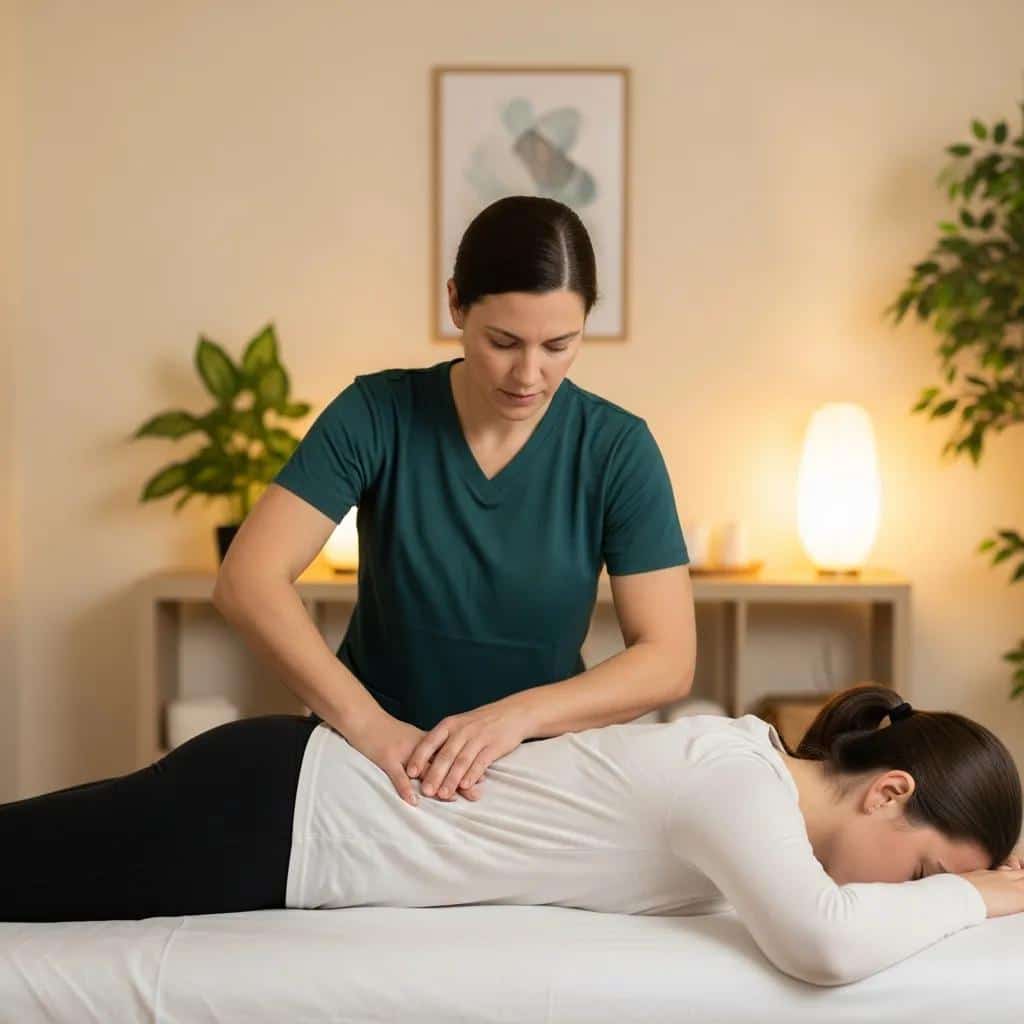
Endometriosis often causes persistent pelvic pain that affects daily life. Manual therapy—hands-on care from trained pelvic health therapists—can reduce pain, improve movement, and support recovery alongside medical or surgical treatment. Read more in A Guide to Endometriosis Treatment Options for Patient Empowerment.
Because chronic pelvic pain is wide-reaching, practical supportive treatments such as manual therapy are an important element of care.
Physiotherapy & Manual Therapy for Endometriosis Pain & Quality of Life
Women with endometriosis often live with chronic pelvic pain that varies from mild to severe and can substantially reduce quality of life. This systematic review and meta-analysis examined a manual therapy protocol in people with pelvic pain related to endometriosis and found meaningful effects on symptom burden and function.
Physiotherapy for endometriosis-associated pelvic pain: a systematic review and meta-analysis, IPA das Virgens, 2025
Below we define manual therapy, summarize common approaches, and highlight how individualized plans—combined with pelvic floor care and surgery when needed—can improve outcomes.
What is Manual Therapy and How Does It Help Endometriosis Pain?

Manual therapy is a set of hands-on techniques pelvic health specialists use to treat muscles, fascia, joints, and connective tissue. For people with endometriosis, therapists target pelvic structures to reduce muscle and fascial tension, restore mobility, and ease pain.
Evidence and clinical experience indicate manual therapy can be a useful adjunct to medical and surgical care for endometriosis-related pelvic pain.
Manual Therapy for Endometriosis-Related Pelvic Pain
Manual therapy can complement gynecologic treatment for endometriosis-associated pelvic pain. Since chronic pelvic pain is a central symptom for many people with endometriosis, adding targeted physical therapy techniques may improve symptom control and daily function.
Effectiveness of a manual therapy protocol in women with pelvic pain due to endometriosis: a randomized clinical trial, 2023
Reducing tension in the fascia and pelvic muscles is a key aim. Releasing soft-tissue restrictions can lower pain, improve comfort during movement, and help people return to daily activities more easily.
Defining Manual Therapy and Its Role in Physical Therapy for Endometriosis
Techniques include myofascial release, joint mobilization, and targeted soft-tissue work to address muscular tightness, scar-related restrictions, and compensatory movement patterns. Therapists combine hands-on care with exercise, education, and self-management so gains are maintained between visits.
How Manual Therapy Alleviates Pelvic Pain and Improves Mobility
Therapists locate tight or restricted areas and use graded techniques to release trigger points, reduce fascial adhesions, and improve tissue mobility. This can improve circulation, calm nerve sensitivity, and restore more natural movement, often producing measurable improvements over a course of sessions.
Which Manual Therapy Techniques Are Used for Endometriosis Pain Relief?

Myofascial release uses gentle, sustained pressure and stretching to help reduce fascial restrictions and improve overall mobility. Visceral manipulation involves subtle mobilization of the internal organs and surrounding connective tissue to relieve mechanical restrictions and support better function. Pelvic floor therapy focuses on relaxation, re-education, and targeted strengthening to restore pelvic floor coordination and improve support.
How Does Myofascial Release Target Adhesions and Scar Tissue?
Myofascial release applies specific, sustained pressure to fascial restrictions and scar tissue to promote tissue mobility and reduce localized pain. Used within a comprehensive plan, it can help restore movement patterns and reduce symptoms related to surgical or disease-related scarring.
Both research and clinical experience support including myofascial work as part of multimodal care.
What Are the Benefits of Visceral Manipulation for Endometriosis?
Visceral techniques aim to improve organ mobility and reduce mechanical stress on surrounding tissues. For some patients this translates into less pelvic discomfort, improved organ function, and easier movement. Clinical studies report quality-of-life improvements when visceral work is applied by trained clinicians.
Visceral Manipulation for Endometriosis: Improving Quality of Life
Visceral manipulation is a soft-tissue technique rooted in osteopathic principles that targets fascial mobility of the visceral system. Applied carefully by trained therapists, the technique is based on anatomy, physiology, and biomechanics. In one study, the group receiving visceral manipulation experienced statistically significant improvements in quality of life (p = 0.0001).
The Effect of Osteopathic Visceral Manipulation on Quality of Life and Postural Stability in Women with Endometriosis and Women with Pelvic Organ Prolapse …, 2025
How Does Pelvic Floor Physical Therapy Support Endometriosis Symptom Management?

Pelvic floor therapy addresses tightness, weakness, and coordination problems caused by pain, inflammation, or scarring. Therapists teach relaxation, targeted exercises, and motor control strategies to reduce pain and improve function and confidence in daily activities.
What Exercises and Relaxation Techniques Are Involved?
Programs often include selected strengthening, neuromuscular re-education, diaphragmatic breathing, and relaxation work. Education on body mechanics and pacing helps patients manage symptoms at home and maintain progress between visits.
How Does Pelvic Floor Therapy Improve Pelvic Floor Dysfunction?
Targeted manual work, guided exercise, and motor control training restore balanced muscle function, reducing pain related to overactivity, weakness, or poor coordination. Many patients report meaningful symptom reduction after a structured program.
How Does Manual Therapy Complement Excision Surgery for Endometriosis?

Manual therapy can prepare patients for surgery by reducing tension and improving mobility, and it can support recovery by addressing scar-related restrictions and compensatory patterns. When coordinated with the surgical team, timed manual care helps optimize outcomes and comfort. We cover this further in Unlocking Manual Therapy for Endometriosis Relief.
What Are the Pre-Operative Benefits of Manual Therapy?
Pre-operative sessions can decrease muscular tension, improve range of motion, and address pelvic floor issues that might complicate recovery, helping patients feel more prepared physically for surgery.
How Does Manual Therapy Aid Post-Operative Recovery and Pain Management?
Post-operative manual therapy, delivered within surgical precautions, focuses on scar management, reducing localized tightness, and restoring mobility to support healing and shorten recovery time. We cover this further in Understanding the Role of Manual Therapy in Endometriosis Management.
Used in a tailored plan, these techniques offer practical support for people with endometriosis and work best when combined with medical, surgical, and self-management strategies.
At the Endometriosis Center of Excellence, led by Dr. Rachael Haverland, we prioritize personalized care so each patient receives the right combination of treatments for their goals.
Frequently Asked Questions
What should I expect during a manual therapy session for endometriosis?
A therapist will take a history and perform a focused exam, then use hands-on techniques (myofascial, visceral, pelvic floor) plus guided breathing and home exercises. Sessions are typically 30–60 minutes; some feel immediate relief, others improve over several visits. We cover this further in Holistic Approaches for Endometriosis Relief Explained.
Are there any risks associated with manual therapy for endometriosis?
When provided by trained clinicians, manual therapy is generally safe. Mild soreness, temporary bruising, or increased sensitivity can occur. Therapists screen for contraindications and adapt treatment to your history.
How often should I undergo manual therapy for optimal results?
Frequency is individualized. Many start weekly, then reduce sessions as progress is made. Your therapist will recommend and adjust a schedule based on response and goals. If you have questions about your own symptoms, you can schedule an appointment with our endometriosis specialists.
Can manual therapy be combined with other treatments for endometriosis?
Yes. Manual therapy is most effective as part of a multidisciplinary plan that may include medication, exercise, pelvic floor rehabilitation, and surgery when appropriate.
How long does it take to see results from manual therapy?
Responses vary: some notice change after one session, while others need several weeks of consistent care. Severity, tissue changes, and adherence to home programs influence speed of improvement.
Is manual therapy suitable for all women with endometriosis?
Manual therapy helps many but is not suitable for everyone. Factors such as disease severity, other medical conditions, and timing around surgery affect suitability. A pelvic health specialist can recommend the safest, most effective options.
Conclusion
Manual therapy offers non-invasive, evidence-informed tools to reduce pelvic pain and improve function for people with endometriosis. Combined with pelvic floor rehabilitation and coordinated medical or surgical care, it can form an important part of a personalized treatment plan. If you are exploring options, our team can assess your needs and design a plan to support recovery and daily life.