

Endometriosis occurs when tissue similar to the uterine lining grows outside the uterus, leading to pain, adhesions, and sometimes infertility. Understanding how it’s diagnosed reveals why imaging alone often falls short. This article explores the diagnostic challenges of endometriosis, why a transvaginal ultrasound, while valuable, frequently can’t provide a definitive diagnosis, and the advanced steps that improve detection and guide treatment.
You’ll learn about symptom red flags, the limitations of standard and specialized ultrasound, the complementary role of MRI, and why laparoscopy with excision remains the gold standard for diagnosis and treatment. We also outline practical next steps for patients when imaging is inconclusive and explain how a specialist-led, multidisciplinary approach enhances outcomes. Throughout this guide, you’ll find comparison tables, diagnostic checklists, and clear criteria to help you decide when to escalate from imaging to specialist evaluation or surgical management.
What Makes Diagnosing Endometriosis So Challenging?
Diagnosing endometriosis is difficult because its symptoms often overlap with other pelvic conditions, lesions vary widely in size and location, and noninvasive tests have inconsistent sensitivity. These factors collectively delay identification and treatment. The scattered, varied nature of superficial peritoneal implants versus deep infiltrating nodules creates inconsistent clinical signs that can mimic irritable bowel syndrome, adenomyosis, or chronic pelvic inflammatory disease. Limited awareness and the tendency to normalize menstrual pain often lead patients and providers to underestimate its severity, extending the diagnostic timeline. Recognizing these diagnostic hurdles helps clinicians select appropriate imaging, referral thresholds, and when to consider diagnostic laparoscopy for a definitive assessment.
What Symptoms Signal Possible Endometriosis?
Common symptoms that raise suspicion for endometriosis include severe menstrual cramps, chronic cyclical pelvic pain, pain during intercourse, and bowel or bladder symptoms that fluctuate with the menstrual cycle; infertility is also a frequent presenting concern. Pain patterns that are distinctly cyclical, progressive, and unresponsive to standard pain relievers increase the likelihood of the condition. Other red flags include recurring ovarian cysts, cyclical rectal bleeding, or urinary symptoms tied to menstruation. These symptom clusters help clinicians prioritize targeted pelvic examinations, specialized imaging, or prompt referral to a specialist.
Why Is There Often a Delay in Endometriosis Diagnosis?
Delays stem from several factors: societal acceptance of menstrual pain, misattribution to gastrointestinal or urologic issues, inconsistent imaging sensitivity, and limited access to specialists. Studies and clinical experience show diagnostic intervals measured in years because primary care providers may try medications before pursuing specialist imaging or laparoscopy. Referral bottlenecks and varying sonographer expertise further lengthen the path from initial symptoms to definitive care. Acknowledging these systemic and clinical delays clarifies why proactive escalation criteria are crucial for timely management.
How Are Pelvic Pain and Infertility Linked to Endometriosis?
Endometriosis causes pelvic pain by triggering local inflammation, nerve sensitization, and the formation of adhesions that distort pelvic anatomy; these mechanisms explain chronic pain and cyclical flare-ups. Lesions near the ovaries can form endometriomas that affect ovarian reserve and ovulation, while adhesions distorting the fallopian tubes contribute to infertility. Clinically, patients presenting with unexplained infertility and concurrent pelvic pain warrant a coordinated fertility and endometriosis evaluation. Early identification of these connections supports interventions that preserve fertility and reduce the burden of chronic pain.
Why Isn’t Ultrasound Sufficient for a Definitive Endometriosis Diagnosis?

Transvaginal ultrasound is a primary diagnostic imaging tool that excels at identifying ovarian endometriomas and larger pelvic masses, but it often misses superficial peritoneal implants and some deep infiltrating lesions due to limited contrast resolution and lesion size. Operator skill and the scanning protocol significantly influence sensitivity, and ultrasound cannot always distinguish adhesions or scar tissue from active endometriotic implants. Consequently, a normal or unclear ultrasound does not rule out endometriosis, particularly when clinical symptoms remain suggestive. Understanding these specific limitations guides decisions on when to pursue specialized imaging, repeat targeted ultrasound, or diagnostic laparoscopy for definitive evaluation.
Different types of lesions have varying ultrasound detectability and implications for clinical decision-making; the table below summarizes common lesion types and typical ultrasound performance.
What Are the Limitations of Ultrasound in Detecting Superficial Endometriosis?
Superficial peritoneal implants are often millimeter-sized and lack the cystic or nodular structure that ultrasound can detect, making them virtually invisible on routine transvaginal scans. These implants adhere to peritoneal surfaces where acoustic contrast is low, and bowel gas or overlapping organs can obscure views. As a result, ultrasound sensitivity for superficial lesions is poor, even in skilled hands, and relying solely on ultrasound can lead to false reassurance. Recognizing this gap is essential because superficial disease can still cause significant pain and require surgical management.
Can Ultrasound Differentiate Between Scar Tissue and Endometriosis Lesions?
The ultrasound appearance of adhesions and scar tissue often resembles endometriotic nodules because both can cause organ tethering, restricted mobility, and hypoechoic bands. Differentiation depends on dynamic maneuvers, operator experience, and clinical correlation; sometimes MRI offers better soft-tissue contrast, while laparoscopy provides definitive visualization and biopsy. Clinical indicators favoring surgical exploration include progressive pain despite conservative therapy, cyclical bowel or bladder symptoms, and infertility with suspicious but inconclusive imaging. These cues guide the decision to move beyond ultrasound.
When Can Ultrasound Detect Endometriomas and Advanced Disease?
Ultrasound reliably detects ovarian endometriomas when they reach a certain cystic size and exhibit the classic “ground-glass” homogeneous echogenic content and internal echoes; such findings strongly suggest endometriosis. Large deep infiltrating nodules that distort anatomy or involve accessible areas (e.g., anterior or posterior compartments) may also be visible on skilled scans. In these situations, ultrasound findings can significantly alter management—prompting surgical planning or fertility-focused interventions. Appreciating when ultrasound findings are decisive helps prioritize patients for operative care versus continued conservative monitoring.
How Do Operator Expertise and Scan Protocols Affect Ultrasound Accuracy?
Operator expertise, standardized scanning protocols, and targeted maneuvers (e.g., focusing on the posterior compartment, assessing the uterine sliding sign) substantially improve ultrasound sensitivity for deep disease. The Society of Radiologists in Ultrasound (SRU) recommendations and specialized sonographer training reduce variability and increase the detection of DIE when applied. Conversely, routine pelvic scans without targeted assessment often miss subtle pathology. Investing in experienced operators and protocolized exams enhances the diagnostic yield and helps determine which patients require further imaging or surgical evaluation.
What Advanced Imaging Techniques Improve Endometriosis Diagnosis?
Advanced imaging, such as dedicated pelvic MRI and specialized transvaginal ultrasound protocols, complements standard ultrasound by mapping deep infiltrating endometriosis and clarifying pelvic anatomy, thereby improving preoperative planning. MRI offers superior soft-tissue contrast, which is useful for assessing bowel wall involvement, ureteral disease, and multifocal deep nodules, while specialized ultrasound techniques—when performed by experienced sonographers—enhance the detection of posterior compartment disease.
The choice of modality depends on the clinical question: MRI is preferred for complex anatomical mapping, and specialized ultrasound is valuable for focused evaluation and dynamic assessment. Together, these tools refine the diagnostic pathway and guide whether conservative management, further imaging, or laparoscopy is appropriate.
The accuracy of imaging techniques like transvaginal ultrasound and MRI for diagnosing endometriosis is heavily dependent on the operator’s experience and the specific imaging protocols used. These modalities are valuable for identifying most endometriotic lesions, but their effectiveness is not absolute and can be influenced by various factors.
This comparison clarifies that no single imaging test answers every diagnostic question; combining modalities based on symptom profile improves diagnostic accuracy and surgical planning.
How Does MRI Complement Ultrasound in Detecting Deep Infiltrating Endometriosis?
MRI offers superior tissue contrast and multiplanar views that reveal deep infiltrating endometriosis affecting the rectovaginal septum, bowel wall, or ureters, which can be hidden on ultrasound. MRI sequences highlight fibrosis, tethering, and mural bowel involvement—information critical for surgical planning and multidisciplinary coordination with colorectal or urology teams. Indications for MRI include suspected multifocal disease, inconclusive specialized ultrasound, or complex pain with urinary/bowel symptoms. When MRI identifies extensive DIE, it directly influences decisions about referral to specialized centers for excision.
What Specialized Ultrasound Techniques Enhance Detection Accuracy?
Specialized techniques include transvaginal ultrasound focused on the posterior compartment, gentle mobilization to assess the uterine sliding sign, and off-axis views to visualize rectovaginal interfaces; these maneuvers increase sensitivity for deep lesions. Trained sonographers can use dynamic tests—assessing organ mobility and detecting tethering—to infer adhesions or DIE that static images miss. The SRU 2024 guidance emphasizes standardized protocols and targeted assessments to improve reproducibility. In experienced hands, these targeted approaches often narrow diagnostic uncertainty and guide whether MRI or laparoscopy should follow.
How Do These Advanced Tools Impact the Diagnostic Pathway?
Advanced imaging guides decision thresholds: clear endometriomas or mapped DIE on MRI typically prompt surgical planning, while indeterminate findings may lead to repeat specialized ultrasound or short-interval follow-up. A stepwise pathway often includes initial transvaginal ultrasound, targeted specialized ultrasound if symptoms persist, MRI for complex mapping, and diagnostic laparoscopy when imaging remains inconclusive or symptoms are severe. This algorithm minimizes unnecessary surgeries while ensuring timely intervention when disease is likely. Clear imaging reduces operative surprises and supports multidisciplinary care planning.
Why Is Laparoscopy Considered the Gold Standard for Endometriosis Diagnosis?
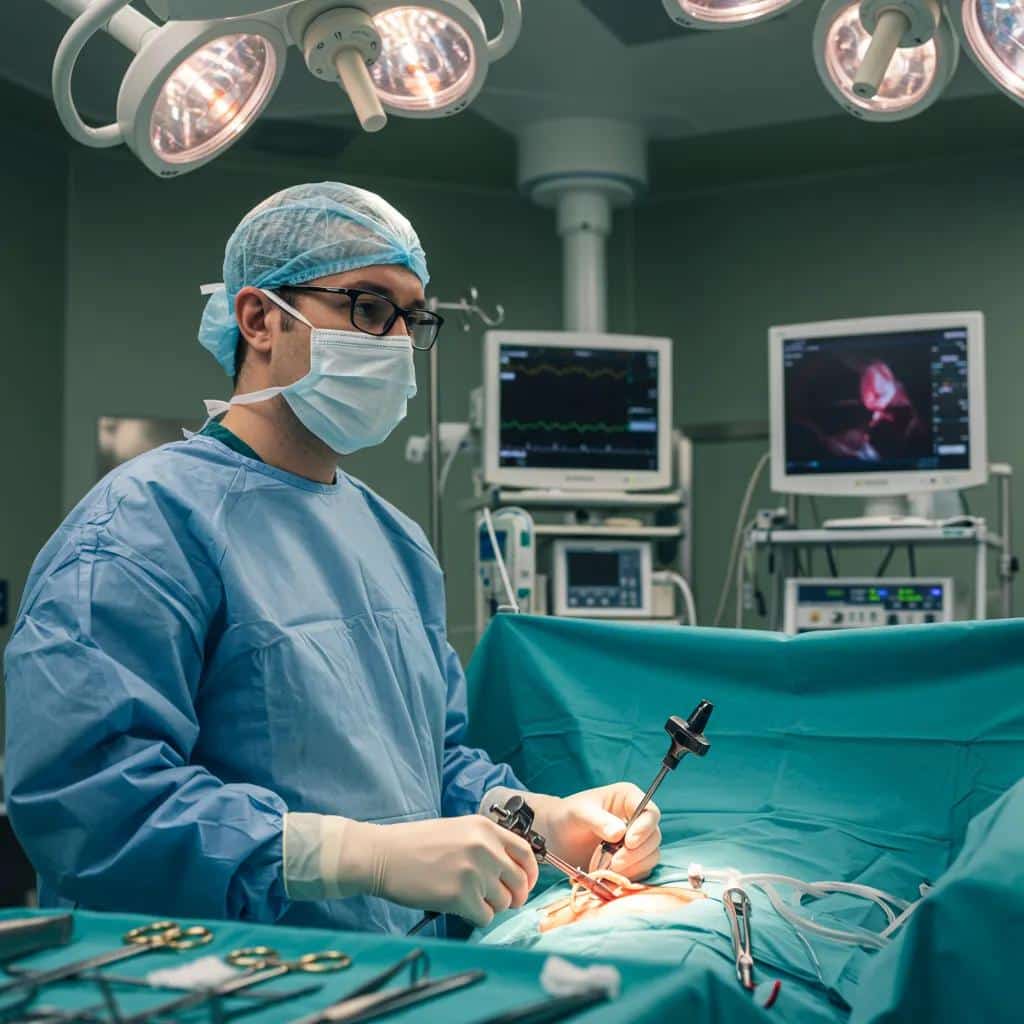
Laparoscopy is the definitive diagnostic tool for endometriosis because it allows direct visual inspection of the pelvis, targeted biopsy for histologic confirmation, and simultaneous surgical excision of lesions; this dual diagnostic and therapeutic role makes it the gold standard. Under laparoscopy, surgeons can identify superficial implants, deep nodules, adhesions, and endometriomas that imaging may miss, and obtain tissue samples to confirm endometrial-type glands and stroma. When performed by surgeons skilled in excision techniques, laparoscopy not only confirms disease but actively reduces lesion burden and alleviates symptoms. Understanding the procedure, its diagnostic yield, and when to consider it clarifies why laparoscopy remains central to definitive endometriosis care.
What Is the Laparoscopy Procedure and How Does It Confirm Endometriosis?
Laparoscopy is a minimally invasive surgical procedure where small abdominal incisions allow the insertion of a camera and instruments to inspect the pelvis, take biopsies, and treat lesions. Surgeons look for implants, nodules, adhesions, and ovarian cysts; suspicious tissue is biopsied and sent for histologic confirmation of ectopic endometrial glands and stroma. The combination of visual and histopathologic findings provides a definitive diagnosis, removing the uncertainty left by noninvasive imaging. Knowing this procedure’s role helps patients and clinicians weigh the risks against the benefit of a definitive diagnosis.
How Does Endometriosis Excision Surgery During Laparoscopy Improve Outcomes?
Excision surgery removes lesions en bloc, aiming to excise both superficial and deep disease with margins that reduce residual tissue compared to ablative techniques; this approach is associated with superior pain relief and potentially improved fertility outcomes. Complete excision minimizes persistent lesion fragments that can drive recurrent symptoms, and when performed by specialized surgeons, it reduces reoperation rates. The therapeutic impact is greatest when excision is planned using preoperative imaging maps and multidisciplinary input for complex cases, aligning diagnosis with definitive treatment.
When Should Patients Consider Laparoscopy After Imaging?
Patients should consider laparoscopy when persistent, progressive, or disabling symptoms continue despite conservative therapy, when imaging is suspicious or inconclusive but symptoms remain severe, or when fertility goals prompt definitive assessment.
A decision checklist includes: severe cyclical pain unresponsive to medications, infertility with suggestive imaging or prolonged unexplained infertility, and imaging evidence of lesions likely to require surgical management. Timely surgical referral balances the risks of surgery against the harm of ongoing symptoms and delayed fertility interventions, and specialist centers optimize outcomes.
How Does an Endometriosis Specialist Improve Diagnostic Accuracy?
An endometriosis specialist enhances diagnostic accuracy by combining focused clinical assessment, application of advanced imaging protocols, and operative expertise in excision techniques; this integrated skill set reduces missed diagnoses and optimizes surgical outcomes. Specialist clinicians interpret complex symptom patterns, select targeted imaging (specialized ultrasound or MRI), and appropriately triage patients to surgery when needed. Multidisciplinary coordination with colorectal, urology, and fertility colleagues further refines decision-making for complex pelvic disease. This specialist-led pathway shortens diagnostic delays and aligns evaluation with individualized treatment goals.
What Expertise Does Dr. Rachael Haverland Bring to Endometriosis Diagnosis?
Dr. Rachael Ann Haverland brings board-certified specialty expertise and training from the Mayo Clinic to endometriosis diagnosis and management, providing clinical authority that helps interpret complex presentations and imaging. Her background supports minimally invasive excision surgery and a commitment to multidisciplinary, personalized care. That expertise improves diagnostic decision-making by integrating clinical findings with specialized imaging and operative planning, ensuring patients receive accurate assessment and appropriate surgical techniques when indicated.
How Does a Multidisciplinary Approach Enhance Patient Care?
A multidisciplinary approach involves collaboration among gynecology, colorectal surgery, urology, fertility specialists, pelvic floor physical therapists, and pain management professionals to address all aspects of endometriosis. This team-based model allows for coordinated preoperative planning, intraoperative collaboration for complex resections, and comprehensive postoperative rehabilitation. The result is more complete disease removal, preservation of organ function, and tailored fertility planning, improving long-term outcomes and reducing the likelihood of repeat procedures.
Why Is Specialized Care Important for Complex Endometriosis Cases?
Complex cases involving multifocal deep infiltrating endometriosis, bowel or ureteral involvement, or prior failed surgeries require experienced surgical planning and multidisciplinary resources to minimize complications and optimize symptom relief. Specialized centers combine imaging, surgical expertise, and postoperative support that reduce reoperation rates and improve quality-of-life metrics. For patients with complex disease, referral to a specialist increases the likelihood of complete excision and coordinated care for bowel, bladder, and fertility concerns.
When Should You Seek Expert Care for Endometriosis Symptoms?
You should seek expert care when symptoms are severe, progressive, or impair daily functioning, when infertility coincides with pelvic pain, or when symptoms persist despite normal or inconclusive imaging; these situations warrant expedited specialist evaluation. Early referral shortens diagnostic delays and enables interventions that may preserve fertility and reduce the development of chronic pain. If standard treatments do not control symptoms or if imaging suggests deep or multifocal disease, specialized assessment—using a comprehensive diagnostic approach—should be pursued. Clear referral criteria help patients and providers decide when to escalate to a specialist center.
What Symptoms Warrant Referral to an Endometriosis Specialist?
Refer when pain is disabling or progressive, when intercourse or bowel and bladder function is affected in a cyclical pattern, or when infertility is a primary concern coupled with pelvic symptoms; these red flags suggest a higher probability of disease requiring specialist evaluation. Early specialist input helps determine whether targeted imaging, conservative management, or diagnostic laparoscopy is most appropriate. Timely referral reduces prolonged symptom burden and informs fertility-preserving strategies when needed.
How Can Early Diagnosis Improve Treatment Success?
Early diagnosis can limit disease progression, reduce chronic pain sensitization, and improve fertility outcomes by enabling timely excision or fertility-directed interventions before extensive adhesions develop. Intervening sooner often reduces the need for more extensive surgery and supports better postoperative recovery and quality-of-life metrics. Specialist-directed pathways that shorten diagnostic intervals translate to improved long-term symptom control and reproductive planning.
What Are the Next Steps After an Inconclusive Ultrasound?
After an inconclusive ultrasound, recommended next steps include repeat targeted ultrasound with an experienced sonographer, pelvic MRI for anatomical mapping, referral to an endometriosis specialist for clinical correlation, and consideration of diagnostic laparoscopy if symptoms remain severe. Triage depends on symptom severity and patient goals: those with mild symptoms may undergo surveillance and repeat imaging, while patients with progressive pain or infertility may proceed more quickly to surgical evaluation. Timely escalation prevents prolonged uncertainty and optimizes management choices.
Near this decision point, patients often benefit from an organized pathway: Endo Excellence Center offers a comprehensive diagnostic approach that sequences targeted imaging, specialist clinical assessment, and timely surgical consultation if needed, helping patients move from an inconclusive ultrasound toward definitive diagnosis and treatment options, including specialized endometriosis excision surgery when appropriate.
Frequently Asked Questions
What are the potential complications of untreated endometriosis?
Untreated endometriosis can lead to several complications, including chronic pelvic pain, infertility, and the formation of adhesions that can distort pelvic anatomy. Over time, the condition may worsen, leading to more severe symptoms and complications such as bowel or bladder dysfunction. Additionally, untreated endometriosis can increase the risk of developing ovarian cancer, particularly in women with endometriosis-related ovarian cysts. Early diagnosis and treatment are crucial to prevent these complications and improve quality of life.
How can lifestyle changes help manage endometriosis symptoms?
Lifestyle changes can play a significant role in managing endometriosis symptoms. Regular exercise can help reduce pain and improve overall well-being by releasing endorphins, which act as natural pain relievers. A balanced diet rich in anti-inflammatory foods, such as fruits, vegetables, whole grains, and omega-3 fatty acids, may also alleviate symptoms. Additionally, stress management techniques like yoga, meditation, and mindfulness can help reduce the emotional burden of chronic pain. These changes, combined with medical treatment, can enhance symptom management.
What role does hormonal therapy play in treating endometriosis?
Hormonal therapy is often used to manage endometriosis symptoms by regulating or suppressing the menstrual cycle, which can reduce the growth of endometrial-like tissue. Common hormonal treatments include birth control pills, progestins, and GnRH agonists. These therapies can help alleviate pain, reduce the size of endometriotic lesions, and improve fertility outcomes. However, hormonal therapy may not be suitable for everyone, and patients should discuss potential benefits and side effects with their healthcare provider to determine the best approach for their situation.
How does endometriosis affect fertility?
Endometriosis can significantly impact fertility by causing anatomical changes, such as adhesions and scarring, that interfere with ovulation and the transport of eggs and sperm. The presence of endometriomas can also affect ovarian reserve and hormone production. Women with endometriosis may experience difficulties conceiving, but many can still achieve pregnancy with appropriate treatment. Options such as laparoscopic excision of endometriosis, fertility medications, and assisted reproductive technologies like in vitro fertilization (IVF) can help improve chances of conception.
What should I expect during a diagnostic laparoscopy for endometriosis?
During a diagnostic laparoscopy, patients can expect a minimally invasive procedure where small incisions are made in the abdomen to insert a camera and surgical instruments. The surgeon will visually inspect the pelvic organs for signs of endometriosis, such as implants, adhesions, or cysts. If lesions are found, the surgeon may take biopsies for histological confirmation or perform excision to remove the tissue. The procedure typically requires general anesthesia and may involve a short recovery period, with most patients returning home the same day.
How can I prepare for my appointment with an endometriosis specialist?
Preparing for an appointment with an endometriosis specialist involves gathering relevant medical history, including symptoms, previous treatments, and any imaging results. It can be helpful to keep a symptom diary to track pain patterns, menstrual cycles, and any other related issues. Patients should also prepare a list of questions or concerns to discuss during the visit. Bringing a support person can provide emotional support and help remember important information. Being open and honest about symptoms will assist the specialist in developing an effective treatment plan.
Conclusion
Understanding the complexities of endometriosis diagnosis highlights the importance of a comprehensive approach that goes beyond standard ultrasound. By integrating advanced imaging techniques and specialist evaluations, patients can achieve more accurate diagnoses and effective treatment plans. If you are experiencing symptoms or have had inconclusive imaging, consider seeking a specialist for a tailored diagnostic pathway. Explore our services at Endo Excellence Center to take the next step towards effective management of your endometriosis.