
Endometriosis is often described in terms of pain, but at its core, it is also an inflammatory condition. This underlying inflammation plays a significant role in how symptoms develop, how the disease progresses, and how it can affect fertility over time.
For many women, managing inflammation becomes a key part of improving daily comfort and protecting long term health. At the same time, navigating treatment options can feel complex, especially when balancing symptom relief with future reproductive goals.
The good news is that effective strategies are available. With a thoughtful, individualized approach, inflammation can be managed in a way that supports both quality of life and fertility. This often involves a combination of medical care, lifestyle adjustments, and when needed, advanced surgical treatment.
At the Endometriosis Center of Excellence, this process is guided by a coordinated team that brings together expertise in surgery, pain management, and fertility care. The goal is not only to treat the condition, but to provide a clear, supportive path forward for each patient.
Understanding Endometriosis And Inflammation
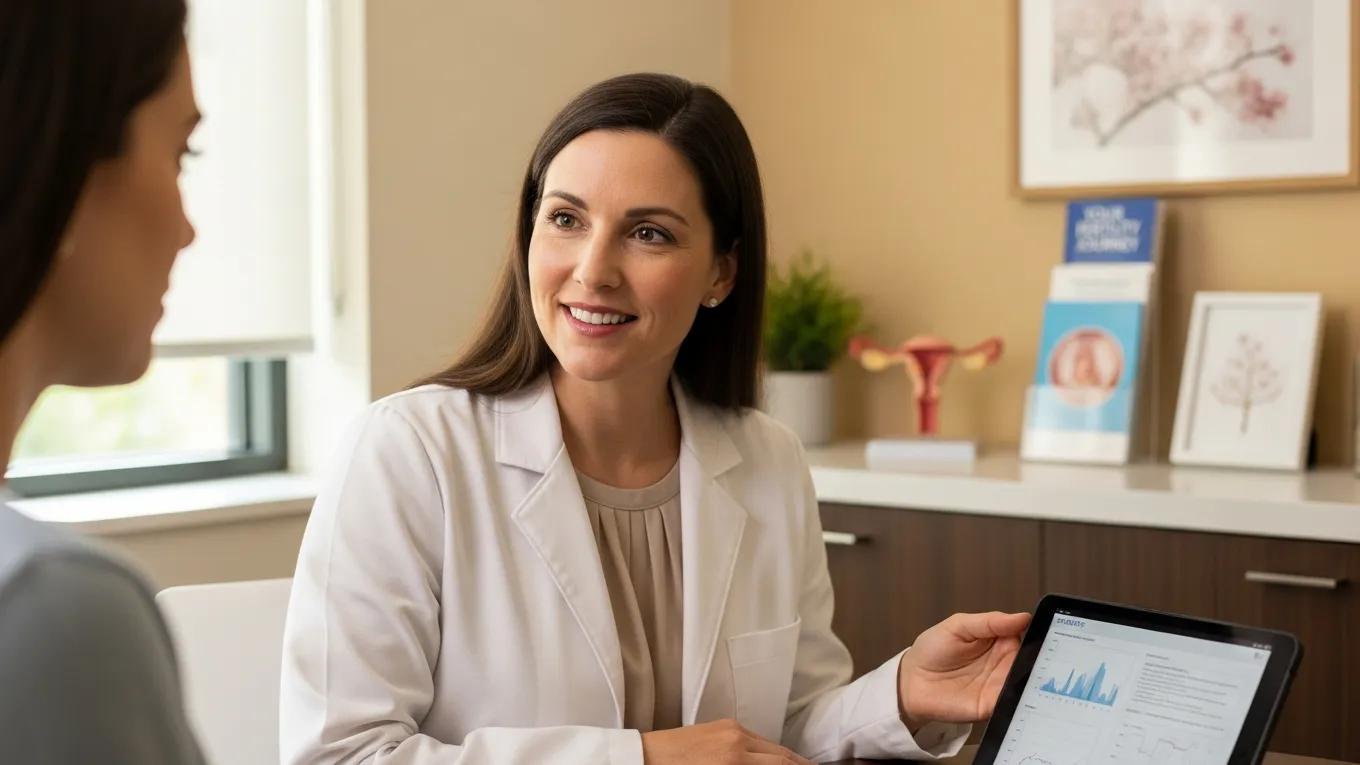
Endometriosis is not only a structural condition but also an inflammatory one. The way the body responds to endometrial-like tissue outside the uterus plays a central role in symptom development, disease progression, and its impact on fertility. Gaining a clear understanding of this inflammatory process helps guide more effective and targeted treatment decisions.
What Causes Inflammation in Endometriosis
Endometriosis develops when tissue similar to the uterine lining grows outside the uterus, most often within the pelvic cavity. This tissue responds to hormonal changes throughout the menstrual cycle, leading to repeated cycles of irritation.
As the body reacts to this misplaced tissue, it triggers an ongoing immune response. This can result in the release of inflammatory substances that contribute to swelling, irritation, and changes in nearby structures.
Over time, this persistent inflammation may lead to the formation of scar tissue and adhesions, which can affect how pelvic organs move and function.
How Inflammation Affects Pain and Fertility
Inflammation is a key contributor to the pain associated with endometriosis. It can increase sensitivity in surrounding nerves, leading to chronic pelvic pain, painful periods, and discomfort during daily activities.
It can also influence fertility. Inflammation may alter the pelvic environment, making it more difficult for the egg and sperm to meet or for implantation to occur. In some cases, it may also affect ovarian function.
These effects can vary from one individual to another. With timely evaluation and a well-coordinated treatment approach, many of these challenges can be managed effectively.
Managing Inflammation Through Non-Surgical Approaches

For many women, managing endometriosis begins with non-surgical strategies aimed at reducing inflammation and improving daily comfort. These approaches can be effective on their own or used alongside surgical care, depending on symptom severity and individual goals. A balanced plan often combines medical treatment with supportive lifestyle and complementary therapies.
Medical Treatments for Inflammation Control
Medical therapy is often the first step in managing inflammation. Nonsteroidal anti-inflammatory drugs (NSAIDs) are commonly used to reduce pain and inflammation, particularly during menstrual cycles.
Hormonal treatments are another key option. These therapies work by regulating or suppressing hormonal activity that stimulates endometriosis tissue. By doing so, they can help reduce inflammation, slow disease progression, and improve symptoms.
The choice of medication depends on several factors, including symptom severity, tolerance to side effects, and whether pregnancy is being considered in the near future.
Lifestyle Approaches That Support Inflammation Reduction
Lifestyle measures can play a supportive role in managing inflammation and improving overall well-being.
Regular physical activity, even in moderate forms such as walking or stretching, can help reduce inflammation and improve circulation. Nutrition also plays a role, with many patients benefiting from a diet that emphasizes whole foods, healthy fats, and reduced intake of highly processed items.
Stress management is another important component. Chronic stress can contribute to inflammation, so incorporating practices such as mindfulness, relaxation techniques, or structured support can be beneficial.
Complementary Therapies
Complementary therapies can be useful additions to a broader treatment plan. While they do not replace medical care, they may help improve symptom control and quality of life.
Pelvic physiotherapy can address muscle tension and improve pelvic function, particularly in patients experiencing chronic pain. Acupuncture is another option that some patients find helpful for reducing discomfort and promoting relaxation.
These therapies are most effective when integrated into a coordinated care plan, guided by healthcare professionals who understand the complexity of endometriosis.
When Is Surgery Recommended?
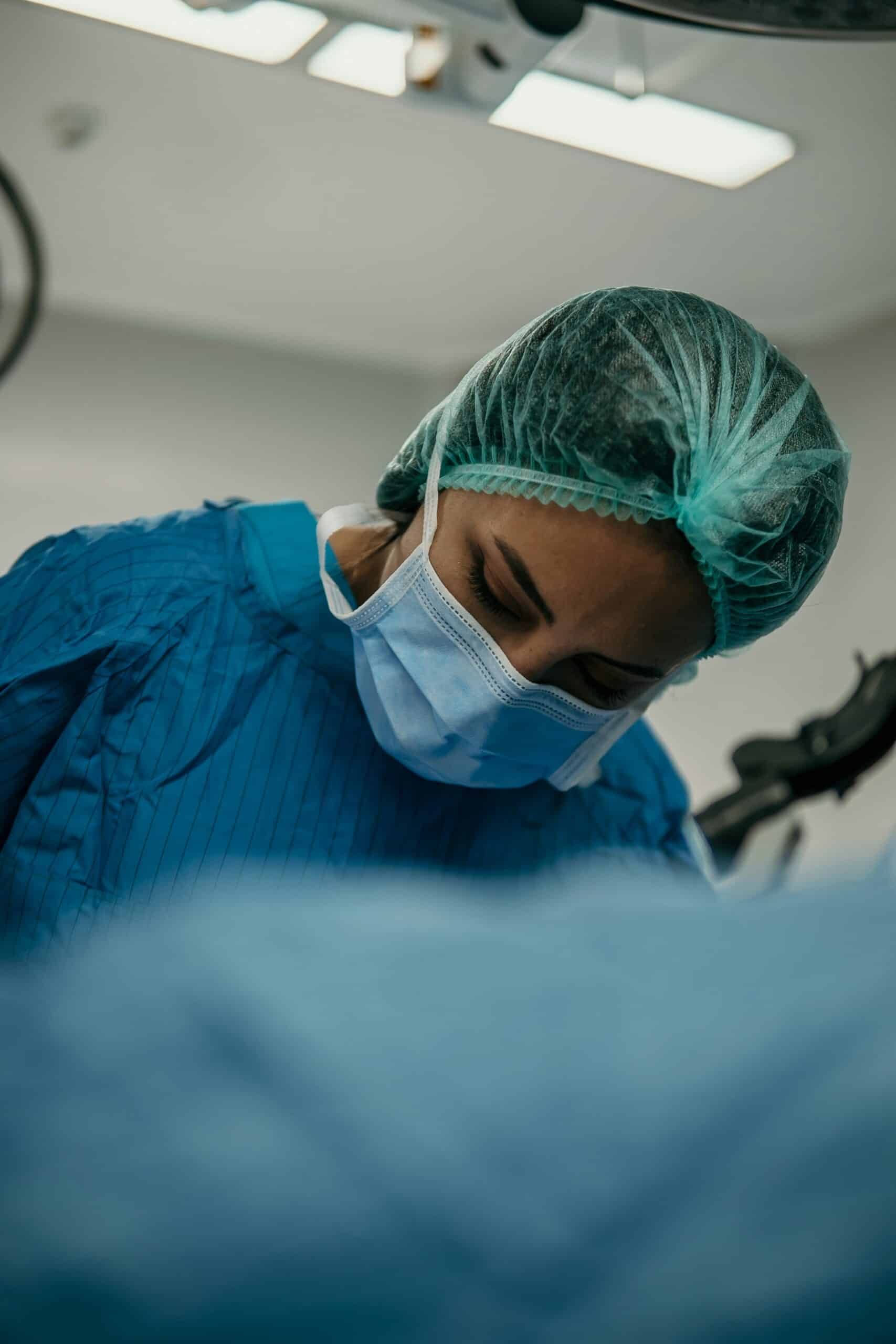
While non-surgical approaches can be effective for many patients, there are situations where surgery becomes an important part of treatment. This is often the case when symptoms are severe, when there is concern about disease progression, or when fertility may be affected by structural changes in the pelvis.
Surgical care is not only about removing visible disease. It is also about restoring normal anatomy, reducing inflammation at its source, and creating better conditions for both symptom relief and reproductive health. The approach and timing of surgery are carefully determined based on each patient’s individual needs and goals.
Benefits of Minimally Invasive Laparoscopic Surgery
Minimally invasive laparoscopy is the preferred surgical approach for treating endometriosis. It allows surgeons to visualize and treat affected areas with precision while minimizing disruption to surrounding tissues.
Because the procedure uses small incisions, recovery is generally faster compared to traditional open surgery. Patients often experience less postoperative discomfort and can return to daily activities more quickly.
Importantly, this approach helps preserve healthy ovarian and pelvic tissue, which is a key consideration for maintaining fertility.
Studies support the role of laparoscopy in treating subfertility when endometriosis is a contributing factor.
Laparoscopic Surgery for Endometriosis-Related Infertility
Surgical treatment of endometriosis aims to remove visible areas of endometriosis and restore anatomy by the division of adhesions. ObjectivesTo assess the efficacy of laparoscopic surgery in the treatment of subfertility associated with endometriosis. The review aims to compare outcomes of laparoscopic surgical interventions compared to no treatment or medical treatment with regard to improved fertility. For more detail, see our article A Guide to Endometriosis Treatment Options for Patient Empowerment.
Laparoscopic surgery for subfertility associated with endometriosis, TZ Jacobson, 2010
Why Excision Surgery Is Considered the Gold Standard
Excision surgery involves the careful removal of endometriosis lesions rather than simply treating their surface. This method aims to eliminate the source of inflammation while preserving as much healthy tissue as possible.
When performed by experienced specialists, excision surgery can provide more complete disease management and longer lasting symptom relief. It is particularly important in cases where deeper or more complex forms of endometriosis are present.
Treating Deep Infiltrating Endometriosis
In more advanced cases, endometriosis may extend into deeper tissues and involve nearby organs. Excision techniques allow for precise removal of these lesions while protecting surrounding structures. Read more in How to Maintain Friendships While Managing a Chronic Condition.
This level of surgical expertise is essential for reducing complications and improving long term outcomes.
Long-Term Inflammation Control
By removing the underlying disease, excision surgery can significantly reduce the inflammatory activity associated with endometriosis. This often leads to sustained improvements in pain and function. Read more in Managing Endometriosis Pain: Expert Tips.
It also plays an important role in supporting fertility by restoring a healthier pelvic environment.
Fertility and Inflammation: What You Should Know
For many women with endometriosis, managing inflammation is closely tied to protecting fertility. The same processes that contribute to pain can also influence reproductive function, which makes it important to consider both aspects together when planning care.
A thoughtful approach ensures that treatment decisions not only address current symptoms but also support future family-building goals.
How Inflammation Impacts Fertility
Inflammation can affect fertility in several ways. Changes in the pelvic environment may interfere with how the egg and sperm interact, while scar tissue or adhesions can disrupt normal anatomy and function.
In some cases, inflammation may also influence ovarian function or egg quality. When the ovaries are directly affected by endometriosis or prior treatment, the number of available eggs may be reduced.
These effects vary from person to person. With early assessment and appropriate intervention, many women are able to improve their chances of conception, either naturally or with medical support.
Fertility Treatment and Preservation Options
There are several options available to support fertility in women with endometriosis. The right approach depends on individual factors such as age, ovarian reserve, and the extent of the condition.
In vitro fertilization, or IVF, is commonly used to overcome challenges related to inflammation or anatomical changes. By allowing fertilization to occur outside the body, IVF can bypass some of the barriers created by endometriosis.
Fertility preservation techniques, such as egg or embryo freezing, may also be considered. These options are particularly valuable for women who are not yet ready to conceive but want to preserve their current fertility potential.
Timing plays an important role. In some cases, fertility preservation may be recommended before surgery, while in others it may follow treatment. Coordinated planning between surgical and fertility specialists helps ensure that each step supports the overall goal.
The Importance of a Multidisciplinary Approach
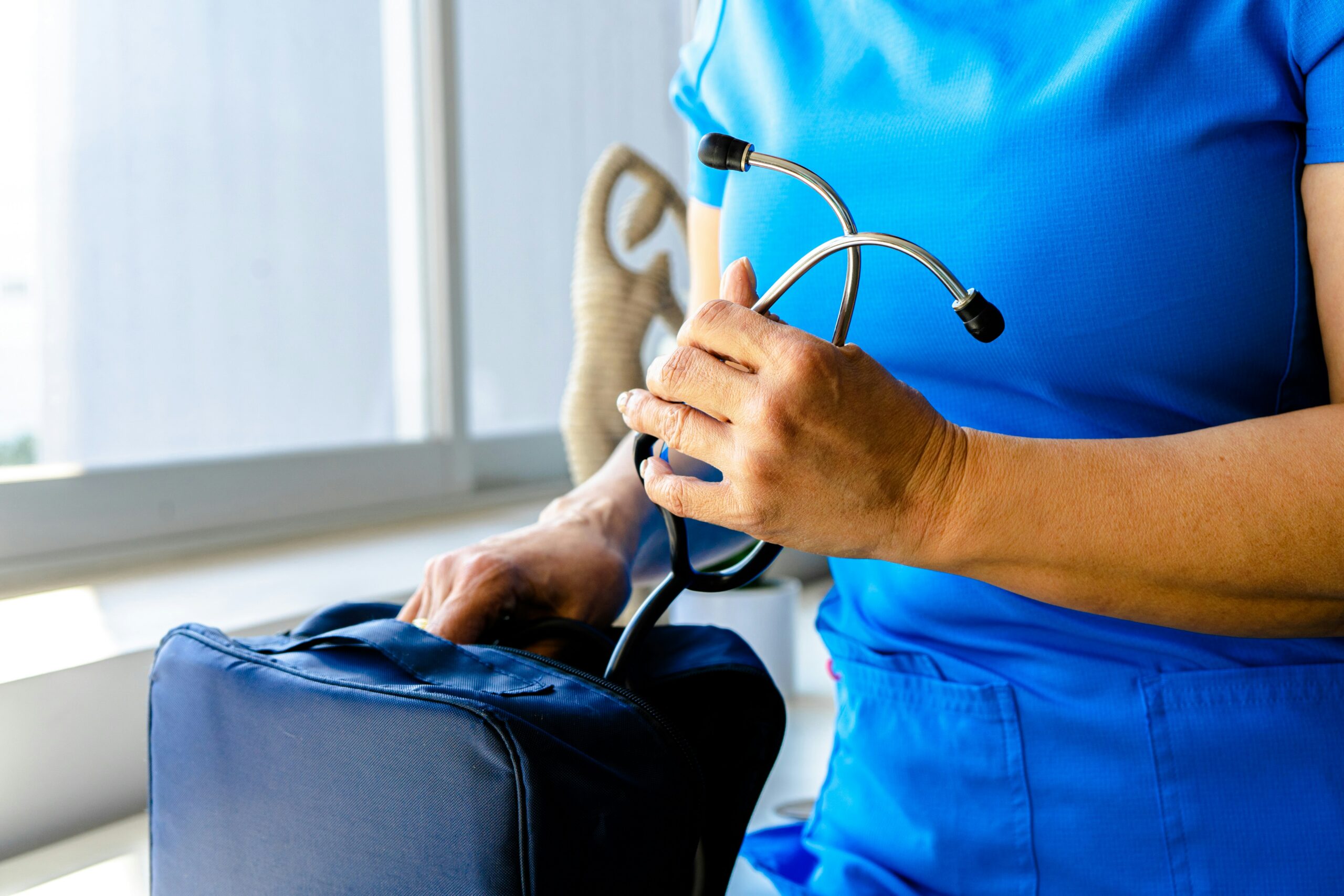
Endometriosis is a complex condition that often requires input from multiple areas of expertise. Managing inflammation, addressing pain, and preserving fertility are interconnected goals, and each may require a different type of specialist care.
A multidisciplinary approach brings these elements together into a coordinated plan. Instead of treating symptoms in isolation, care is structured so that each aspect of treatment supports the others.
Coordinated Care Across Specialties
Effective management may involve collaboration between endometriosis surgeons, fertility specialists, pain management providers, and pelvic physiotherapists. Each specialist contributes a specific perspective, helping to ensure that treatment decisions are well-rounded and aligned with the patient’s needs.
This coordination is especially important when planning surgery alongside fertility treatment. Careful timing and communication between teams can help preserve ovarian function while addressing disease burden. We cover this further in How Flexible Hours Help Manage Endometriosis.
Improving Long-Term Outcomes
A multidisciplinary model is not only about immediate symptom relief. It also supports better long-term outcomes by reducing the risk of fragmented care and unnecessary delays.
Patients benefit from a clearer treatment pathway, more consistent follow-up, and access to supportive services such as counseling and rehabilitation. This approach helps improve both physical recovery and overall quality of life.
A Patient-Centered Experience
At its core, multidisciplinary care is designed to simplify what can otherwise feel like a complex process. Patients receive guidance that is tailored to their individual situation, with a clear plan that evolves as their needs change.
This level of support allows women to move forward with greater confidence, knowing that their care is both comprehensive and carefully coordinated.
What to Expect from Treatment and Recovery
Understanding what the treatment journey looks like can help reduce uncertainty and make the process feel more manageable. While each patient’s plan is individualized, care typically follows a structured pathway that includes evaluation, treatment, and ongoing support.
The process often begins with a detailed consultation, followed by diagnostic testing to assess disease extent and reproductive health. Based on these findings, a personalized plan is developed, which may include medical therapy, surgical treatment, or fertility-focused care.
Recovery depends on the type of treatment. Minimally invasive procedures generally allow for a quicker return to daily activities, while more complex cases may require a longer recovery period. Ongoing follow-up ensures that symptoms are managed effectively and that long term goals, including fertility, remain on track. For more detail, see our article Effectively Managing Endometriosis: Treatment Combination Insights.
Emotional support is also an important part of recovery. Having access to clear guidance and a coordinated care team can make a meaningful difference throughout the process.
Frequently Asked Questions
What lifestyle changes can help manage endometriosis inflammation?
Lifestyle changes can support overall treatment by helping reduce inflammation. Regular low-impact exercise, a balanced diet focused on whole foods, and consistent stress management practices can improve well-being. These measures are most effective when combined with medical care.
How does inflammation contribute to endometriosis pain?
Inflammation increases sensitivity in surrounding nerves and tissues, which can lead to chronic pelvic pain and discomfort. Managing inflammation helps reduce this sensitivity and improve symptom control.
Are non-surgical treatments enough to manage endometriosis?
For some patients, non-surgical approaches such as medication and lifestyle adjustments may provide sufficient relief. However, in more advanced cases or when symptoms persist, surgical treatment may be recommended as part of a comprehensive plan.
How does surgery help reduce inflammation?
Surgery, particularly excision surgery, removes endometriosis lesions that are the source of inflammation. By eliminating this tissue, inflammation can be reduced, which often leads to improvement in pain and function.
Can endometriosis affect fertility even if symptoms are mild?
Yes, endometriosis can impact fertility even in cases where symptoms are not severe. This is why early evaluation is important, especially for women who are planning for future pregnancy.
What fertility options are available for women with endometriosis?
Fertility options may include natural conception after treatment, in vitro fertilization, or fertility preservation methods such as egg or embryo freezing. The most appropriate option depends on individual factors and should be discussed with a specialist.
How long does recovery take after laparoscopic surgery?
Recovery time varies depending on the extent of the procedure. Many patients return to light activities within a few days and resume normal routines within a few weeks, following their surgeon’s guidance.
When should I seek specialist care for endometriosis?
You should consider seeing a specialist if you experience persistent pelvic pain, difficulty managing symptoms, or concerns about fertility. Early consultation allows for timely diagnosis and a more effective treatment plan.
Conclusion
Managing endometriosis-related inflammation requires a thoughtful and comprehensive approach. By addressing the underlying causes of inflammation, it is possible to reduce pain, improve daily function, and support long term reproductive health.
The most effective care plans are those that are individualized and coordinated across specialties. Combining medical treatment, surgical expertise, and fertility planning allows patients to move forward with clarity and confidence.
If you are navigating endometriosis and considering your options, seeking expert guidance can help you better understand your condition and the steps available to you. With the right support, it is possible to take control of your health and plan for the future with greater confidence.