

Endometriosis can affect every aspect of daily life, from physical comfort and mobility to work responsibilities, relationships, and future family plans. While many patients manage symptoms through conservative treatment approaches, others experience persistent or worsening symptoms that significantly impact their quality of life. In these situations, advanced surgical evaluation may become an important part of the treatment process.
Determining whether surgery is appropriate requires careful consideration of symptoms, treatment history, diagnostic findings, and personal goals. Not every patient with endometriosis requires surgery, and treatment decisions should always be individualized. However, understanding the signs that may indicate the need for advanced surgical treatment can help patients recognize when it may be time to seek further evaluation. Learning how symptoms, imaging findings, and overall disease burden influence treatment planning can support more informed healthcare decisions and improve long-term outcomes.
Assessing When Endometriosis Symptoms May Require Advanced Evaluation

Endometriosis symptoms can vary significantly from one patient to another. While some individuals experience mild symptoms, others face persistent pain and functional limitations that interfere with daily activities.
Recognizing when symptoms have progressed beyond what conservative management can effectively address is an important step in determining whether advanced evaluation may be beneficial.
Which Symptoms Often Indicate More Advanced Disease?
Certain symptom patterns may suggest the need for additional evaluation. These commonly include:
- Persistent pelvic pain
- Severe menstrual pain
- Pain during intercourse
- Ongoing bowel symptoms
- Urinary symptoms associated with the menstrual cycle
- Significant fatigue affecting daily function
The presence of multiple symptoms occurring together often warrants a more comprehensive assessment.
Beyond the common symptoms, some patients report neuropathic pain manifestations resulting from nerve involvement, which may present as radiating leg pain or numbness, indicating deeper infiltration of lesions. In these cases, advanced surgical evaluation can help identify and address affected nerve tissues, improving pain control and neurological function.
Why Does Symptom Severity Matter?
Symptom severity provides important insight into how endometriosis affects quality of life. Pain that interferes with work, exercise, sleep, relationships, or everyday activities may indicate the need for a more detailed treatment discussion.
Healthcare providers evaluate not only symptom intensity but also how symptoms affect overall functioning when considering treatment options.
Symptom severity also aids in prioritizing treatment urgency. For example, patients experiencing incapacitating pain or frequent hospital visits due to symptoms often require more immediate and aggressive interventions. Assessing severity helps avoid prolonged suffering and secondary complications such as depression or chronic opioid dependency.
Additionally, understanding the extent of symptom severity, including associated gastrointestinal or urinary complaints, can signal multifocal disease involvement and influence the multidisciplinary approach to care and surgical planning.
How Can Symptom Tracking Support Evaluation?
Keeping a symptom journal can help identify patterns that may not be obvious during routine appointments.
Tracking information such as:
- Pain severity
- Menstrual cycle timing
- Bowel or urinary symptoms
- Activity limitations
- Response to treatment
can provide valuable information during specialist consultations.
Accurate symptom tracking also aids in recognizing triggers or alleviating factors. For example, some patients find correlations between dietary choices or stress levels and symptom flares. Identifying these associations may influence adjunctive treatment strategies alongside surgical considerations.
Detailed logs can further assist specialists in differentiating between endometriosis-related symptoms and other potential diagnoses such as irritable bowel syndrome or interstitial cystitis, ensuring comprehensive and precise management.
The Role of Pelvic Pain in Surgical Decision-Making

Pelvic pain is one of the most common reasons patients seek advanced endometriosis care. However, not all pelvic pain requires surgical treatment.
A thorough evaluation helps determine whether symptoms may be related to disease progression, treatment resistance, or other contributing factors.
Pelvic pain may arise from multiple sources including inflammation, adhesions, nerve involvement, or comorbid conditions such as adenomyosis. Understanding the underlying mechanisms is essential prior to surgical planning to optimize outcomes and minimize unnecessary procedures.
When Does Pelvic Pain Warrant Further Assessment?
Pain that persists despite appropriate conservative treatment may indicate the need for additional evaluation.
Examples include:
- Pain that continues despite medical management
- Symptoms that progressively worsen
- Pain that disrupts sleep
- Difficulty maintaining normal daily activities
These situations often prompt discussion about additional diagnostic and treatment options.
Persistent pain that leads to significant mood disturbances such as anxiety or depression, or that necessitates frequent use of analgesics including opioids, also warrants advanced assessment to address both physical and psychosocial impacts comprehensively.
How Do Specialists Evaluate Pain Severity?
Healthcare providers may use symptom questionnaires, pain scales, and clinical evaluations to better understand the impact of pain.
The goal is to assess not only pain intensity but also how symptoms affect overall quality of life and functional ability.
Additional assessments may include physical examination techniques such as palpation for tender nodules, evaluation of muscular tension, and nerve conduction studies if neurological symptoms are present, providing a multidimensional picture of pain origins.
Psychological screening tools are increasingly incorporated to identify concurrent mental health issues that could influence pain perception and treatment response.
How Imaging and Diagnostic Findings Guide Treatment Planning
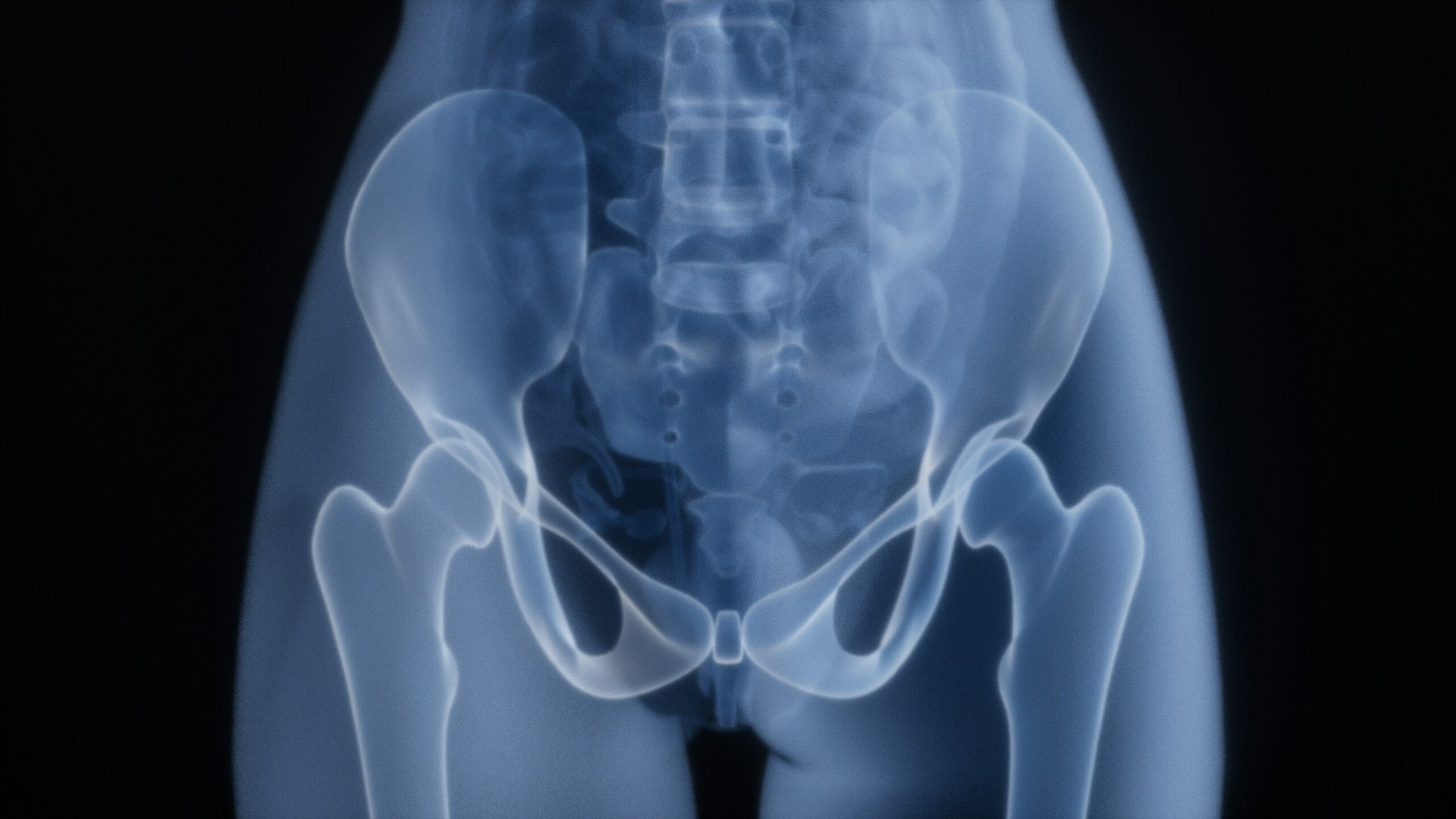
Diagnostic imaging plays an important role in evaluating endometriosis severity and guiding treatment recommendations.
While imaging does not identify every case of endometriosis, it can provide valuable information about disease extent and anatomical involvement.
What Can Imaging Reveal About Endometriosis?
Imaging studies may help identify:
- Ovarian endometriomas
- Deep infiltrating endometriosis
- Pelvic anatomical changes
- Areas requiring additional evaluation
These findings can help healthcare providers determine the most appropriate next steps.
Magnetic resonance imaging (MRI) has become a particularly useful modality for evaluating deep infiltrating endometriosis, mapping lesion locations in relation to critical structures such as the bowel, bladder, or ureters. This information is vital for pre-surgical planning and risk assessment.
Ultrasound, particularly with transvaginal approaches, remains a first-line imaging technique due to its accessibility and ability to detect cystic lesions and superficial disease.
Contrast-enhanced imaging or specialized protocols may be employed when standard imaging is inconclusive, improving diagnostic accuracy especially in complex cases.
When Is Minimally Invasive Surgical Evaluation Considered?
In some cases, minimally invasive surgical evaluation may be recommended when symptoms remain severe or when diagnostic uncertainty exists.
This approach allows specialists to directly evaluate endometriosis and may help guide future treatment decisions.
Laparoscopy is the standard minimally invasive technique, providing the opportunity not only for diagnosis but also simultaneous treatment such as lesion excision or adhesiolysis. Biopsy of suspicious tissue during surgery contributes to confirming diagnosis and tailoring postoperative management.
Minimally invasive evaluation is particularly useful when non-invasive methods fail to elucidate the cause of symptoms or when imaging results are discordant with clinical findings.
Exploring Advanced Surgical Treatment Options

When surgery becomes part of a treatment plan, the specific approach depends on the patient’s symptoms, goals, and disease characteristics. You may also find Finding Hidden Disease: How Advanced MRI and Ultrasound Map Endo Before Surgery helpful.
Treatment recommendations should always be individualized and based on a comprehensive evaluation.
When May Endometriosis Excision Surgery Be Recommended?
Excision surgery may be considered for patients experiencing significant symptoms that affect quality of life or when disease-related findings suggest surgical treatment could play a role in overall management.
The objective is to remove endometriosis tissue while preserving healthy surrounding structures whenever possible.
Excision surgery can involve removal of superficial peritoneal lesions, ovarian cysts, and deeply infiltrating nodules, requiring advanced surgical skills and familiarity with pelvic anatomy. In some cases, bowel or bladder resection may be necessary when lesions invade these structures, underscoring the importance of experienced multidisciplinary surgical teams. Read more in How to Know If Advanced Surgery Is Needed for Endometriosis.
How Does Minimally Invasive Surgery Support Recovery?
Minimally invasive surgical approaches offer several potential benefits.
These may include:
- Smaller incisions
- Reduced postoperative discomfort
- Faster recovery
- Less visible scarring
- Earlier return to normal activities
Recovery experiences vary based on the complexity of the procedure and individual circumstances.
Additional benefits include decreased risk of infection and improved cosmetic outcomes compared to open surgery. Minimally invasive techniques also facilitate better visualization of the operative field through magnification, allowing precise excision and reduced tissue trauma. You can read more about endometriosis excision surgery at our center.
However, surgical complexity and extent of disease can influence recovery duration. Patients undergoing extensive resections may require longer convalescence and longer-term follow-up to monitor for complications and symptom recurrence.
What Should Patients Know About Surgical Planning?
Surgical planning involves detailed discussions about symptoms, treatment goals, potential benefits, recovery expectations, and long-term care considerations.
Clear communication helps patients make informed decisions about whether surgery aligns with their personal priorities and health needs.
Preoperative planning may also include consultations with other specialists such as colorectal surgeons, urologists, or pain management experts to prepare for potential multisystem involvement and optimize surgical outcomes.
Patients are encouraged to ask questions regarding risks, benefits, possible need for staged procedures, and postoperative rehabilitation. Understanding the full scope of surgery empowers patients to actively participate in their care and set realistic expectations. Read more in What You Need to Know About Menopause Endometriosis Surgery.
Preparing for Treatment and Supporting Long-Term Recovery

Successful treatment extends beyond the procedure itself. Recovery planning and ongoing symptom management remain important parts of comprehensive care.
Understanding what to expect before and after treatment can help patients feel more prepared throughout the process.
What Happens During a Specialist Evaluation?
A specialist evaluation typically includes:
- Review of symptoms
- Medical history assessment
- Previous treatment review
- Imaging evaluation
- Discussion of personal goals
This information helps guide individualized recommendations.
Specialist evaluations also may incorporate pelvic examinations including assessment under anesthesia if indicated, and multidisciplinary team meetings to develop tailored treatment plans that address all identified issues.
How Does Multidisciplinary Care Support Recovery?
Complex endometriosis often benefits from collaborative care that addresses multiple aspects of health.
Depending on individual needs, treatment planning may include:
- Minimally invasive gynecologic surgery
- Pelvic floor physical therapy referrals
- Non-opioid pain management approaches
- Collaborative specialist care
This coordinated approach helps support both recovery and long-term symptom management.
Additional supportive services such as psychological counseling, nutritional guidance, and complementary therapies like acupuncture can be integrated to enhance overall well-being and coping strategies.
Long-term follow-up is crucial for monitoring symptom recurrence, managing any chronic pain, and adjusting therapies as needed to maintain quality of life.
What Are Realistic Expectations Following Treatment?
Every patient’s experience is different. Recovery timelines, symptom improvement, and long-term outcomes depend on factors such as disease severity, treatment type, and individual health considerations.
Ongoing follow-up helps ensure treatment plans remain aligned with changing needs and goals.
While many patients achieve significant symptom relief, endometriosis can be a chronic condition with potential for recurrence. Patients should maintain open communication with their healthcare team and continue symptom tracking to detect changes early.
Adherence to prescribed post-surgical care routines, including physical therapy and lifestyle modifications, enhances recovery and functional outcomes. Emotional support networks also play an important role in fostering resilience throughout the recovery journey.
Frequently Asked Questions
Does every patient with endometriosis eventually need surgery?
No. Many patients successfully manage symptoms through non-surgical approaches. Treatment recommendations depend on symptom severity, treatment response, and individual goals.
Can imaging alone determine whether surgery is necessary?
Not always. Imaging provides valuable information, but treatment decisions are based on a combination of symptoms, clinical evaluation, imaging findings, and patient preferences.
How do I know if my symptoms are severe enough for specialist evaluation?
If symptoms interfere with daily activities, continue despite treatment, or significantly affect quality of life, discussing them with a specialist may be beneficial.
Can multidisciplinary care help even if surgery is not recommended?
Yes. Multidisciplinary care can support symptom management, pain control, physical function, and overall well-being regardless of whether surgery becomes part of the treatment plan.
Conclusion
Recognizing when endometriosis symptoms may require advanced evaluation is an important step toward receiving appropriate care. Persistent pelvic pain, worsening symptoms, significant functional limitations, and concerning diagnostic findings can all contribute to treatment discussions. By understanding how symptoms, imaging, and personal goals influence decision-making, patients can take a more informed approach to managing their health and exploring available treatment options. To discuss your situation with a specialist, schedule an appointment at our center.
If you’re seeking expert endometriosis care, contact Endometriosis Center of Excellence (Endo Excellence Center) to learn how personalized treatment plans, advanced excision surgery, and comprehensive multidisciplinary care can help you take control of your health with confidence.