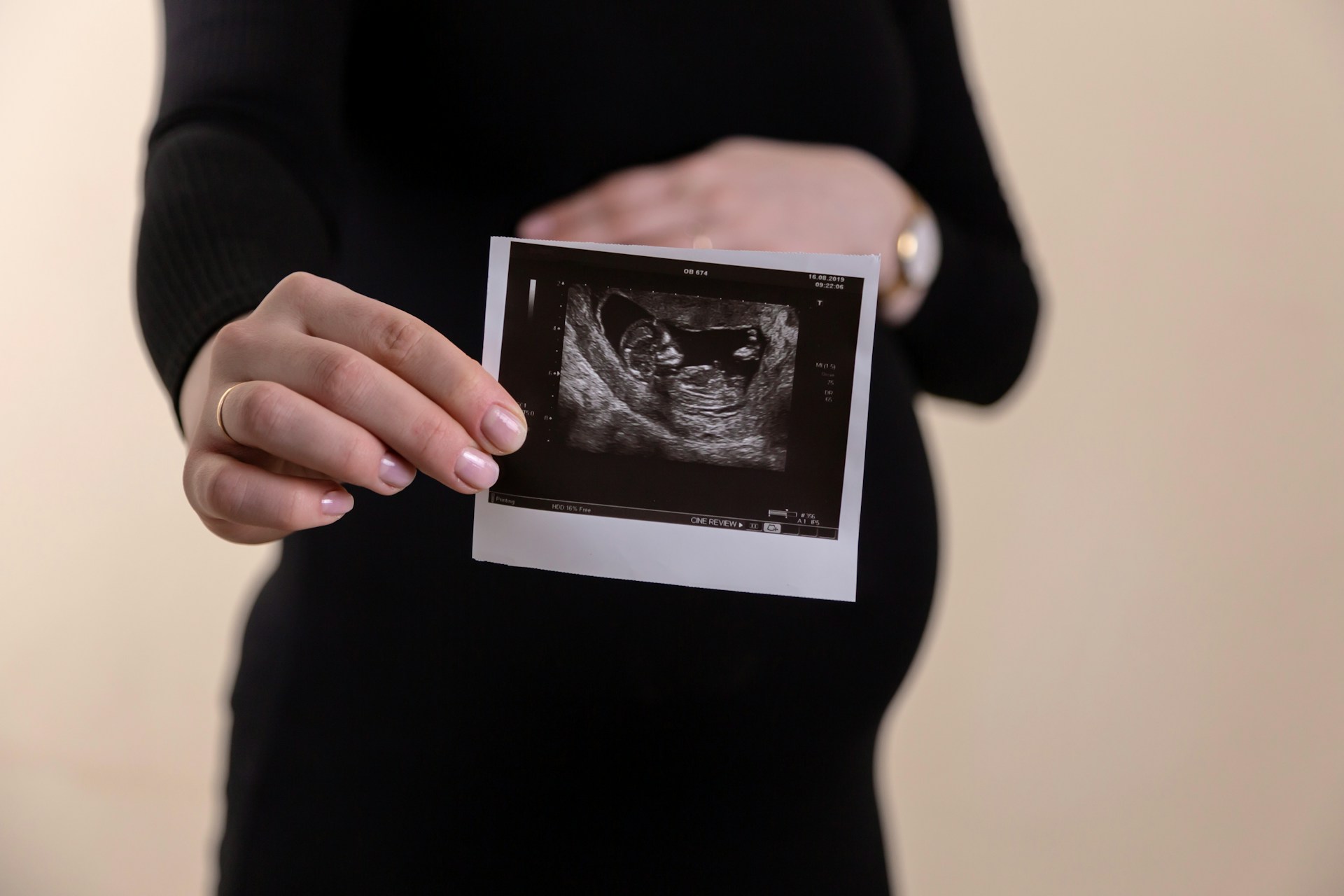
Endometriosis can affect fertility in more than one way. For some patients, the condition may create inflammation in the pelvis. For others, adhesions, ovarian endometriomas, fallopian tube changes, ovarian reserve concerns, or pain with intercourse may make conception more difficult.
Not every patient with endometriosis will have trouble getting pregnant. Some people conceive naturally, while others need endometriosis treatment, fertility evaluation, or coordinated care with a reproductive endocrinologist. The impact depends on the location of disease, ovarian involvement, age, ovarian reserve, prior surgery, partner fertility factors, and pregnancy timeline.
At the Endometriosis Center of Excellence, fertility concerns are considered as part of personalized endometriosis care. Evaluation may include review of symptoms, imaging, ovarian involvement, prior treatment, surgical history, and reproductive goals. When appropriate, care may involve laparoscopic excision surgery, fertility-conscious surgical planning, and coordination with fertility specialists.
Can Endometriosis Make It Harder to Get Pregnant?
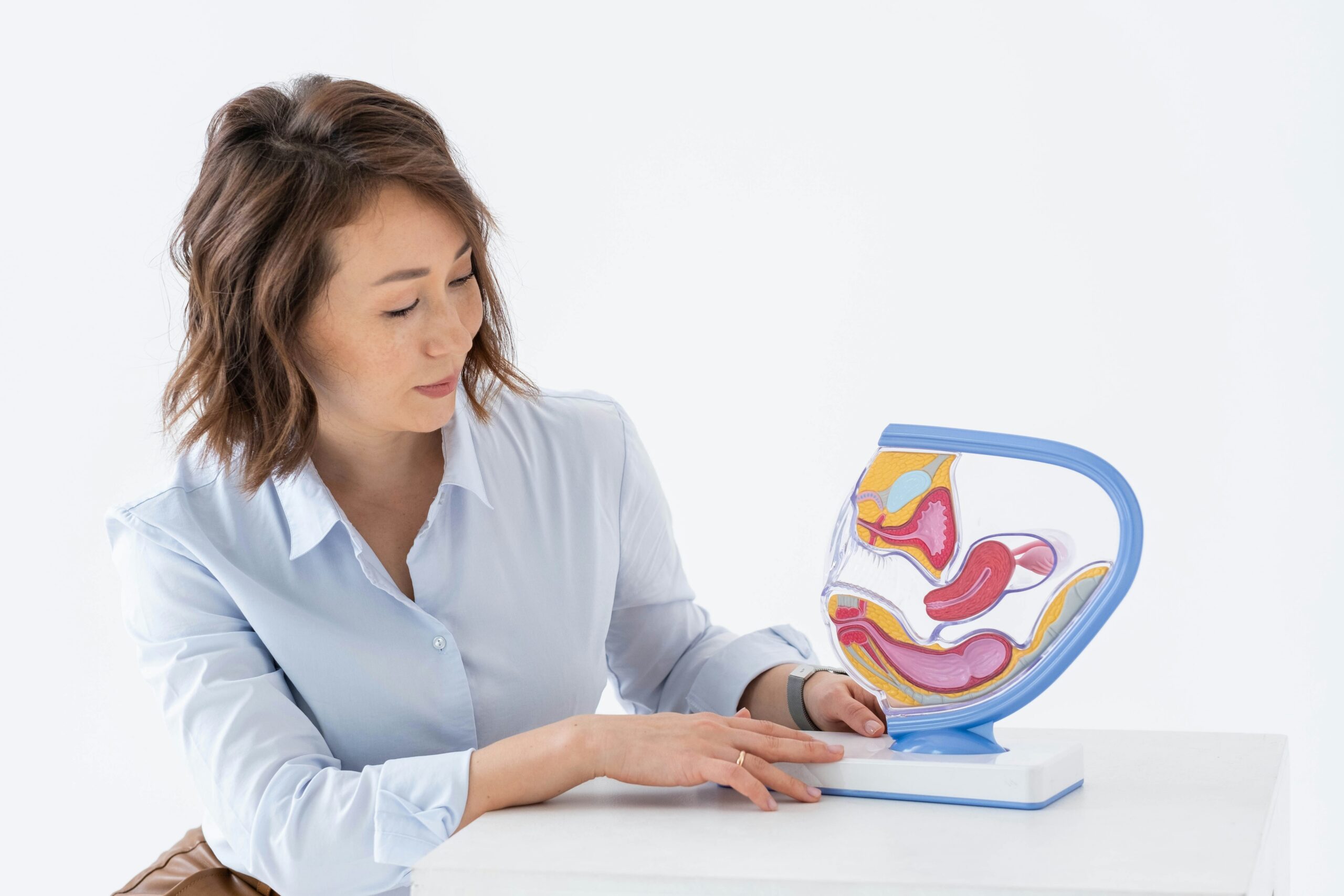
Yes, endometriosis can make it harder for some patients to get pregnant. The condition may affect the ovaries, fallopian tubes, pelvic anatomy, inflammatory environment, and ability to have intercourse comfortably during the fertile window.
However, endometriosis does not cause infertility in every patient. Fertility effects can be mild, moderate, or significant. A patient may have severe pain with limited fertility impact, while another patient may have fewer symptoms but meaningful ovarian or tubal involvement.
This is why fertility planning should not be based only on pain level or disease label. It should be based on a complete assessment of symptoms, anatomy, ovarian reserve, fertility history, and goals. Read more in Endometriosis and Fertility: The Complete Authority Guide.
Why Fertility Impact Varies
Endometriosis can affect fertility differently from one patient to another because reproductive function depends on several systems working together. Ovulation, egg quality, fallopian tube movement, sperm transport, fertilization, embryo development, uterine health, and timing of intercourse all matter.
Fertility impact may vary based on:
- Age
- Ovarian reserve
- Presence of ovarian endometriomas
- Fallopian tube function
- Adhesions or scar tissue
- Pelvic inflammation
- Prior ovarian or pelvic surgery
- Pain with intercourse
- Partner fertility factors
- Time spent trying to conceive
Because so many factors are involved, two patients with the same diagnosis may need different plans.
Pelvic Inflammation and Fertility
Endometriosis is associated with inflammation in the pelvis. This inflammatory environment may contribute to fertility challenges by affecting sperm function, egg quality, fertilization, embryo development, or fallopian tube function.
Inflammation can occur around endometriosis lesions, adhesions, endometriomas, and surrounding pelvic tissues. In some patients, this may make the pelvic environment less supportive of natural conception.
The important word is “may.” Inflammation can contribute to fertility problems, but it is not the only factor. Some patients have inflammation without infertility. Others may have fertility challenges because of anatomy, ovarian reserve, tubal function, age, or partner factors.
Why Inflammation Alone Does Not Tell the Whole Story
Fertility is rarely affected by one factor alone. Pelvic inflammation may occur alongside adhesions, endometriomas, tubal changes, or pain with intercourse. That combination can make fertility planning more complex.
A fertility-focused evaluation should look at the whole reproductive picture, including ovarian reserve, tubal function, pelvic anatomy, symptoms, partner fertility factors, and how long the patient has been trying to conceive.
Adhesions and Scar Tissue: How Anatomy Can Change
Adhesions are bands of scar tissue that can form between organs and pelvic structures. In endometriosis, adhesions may involve the ovaries, fallopian tubes, uterus, bowel, bladder, or pelvic sidewall.
When adhesions tether pelvic organs, they may change how those organs move. This can matter for fertility because natural conception depends on coordinated pelvic function.
For natural conception to occur, the ovary releases an egg, the fallopian tube picks up the egg, sperm travels through the reproductive tract, and fertilization occurs. If adhesions restrict the ovaries or fallopian tubes, these steps may become more difficult.
Why Adhesions Matter for Natural Conception
Adhesions do not always cause infertility, but they can interfere with natural conception when they distort anatomy or limit movement.
For example, adhesions may:
- Restrict the position of the ovaries
- Limit fallopian tube mobility
- Interfere with egg pickup
- Contribute to tubal blockage or narrowing
- Cause pain that affects intercourse
- Make future fertility treatment access more complex
When symptoms, imaging, or fertility history suggest anatomic distortion, specialist evaluation can help determine whether surgical assessment should be considered.
Endometriomas and Ovarian Reserve
Ovarian involvement is one of the most important fertility considerations in endometriosis. Endometriomas, prior ovarian surgery, and ovarian reserve results can all influence treatment timing.
What Is an Endometrioma?
An endometrioma is an ovarian cyst associated with endometriosis. These cysts are sometimes called “chocolate cysts” because they may contain old blood. They are often identified on ultrasound or MRI.
Endometriomas matter in fertility planning because they involve the ovary. In some patients, endometriomas may be associated with inflammation around ovarian tissue or changes in ovarian reserve. They can also affect decisions about surgery, fertility preservation, or fertility treatment timing.
Not every endometrioma requires surgery. The decision depends on symptoms, size, growth, imaging features, ovarian reserve, fertility goals, and whether the cyst is interfering with fertility treatment access.
What Is Ovarian Reserve?
Ovarian reserve is an estimate of the remaining egg supply in the ovaries. It is commonly assessed with bloodwork such as AMH and ultrasound findings such as antral follicle count.
Ovarian reserve testing does not guarantee pregnancy, and it does not rule pregnancy out. It is one tool that helps guide fertility planning.
For patients with endometriosis, ovarian reserve testing may be especially relevant when there are:
- Ovarian endometriomas
- Prior ovarian surgery
- Planned surgery involving the ovaries
- Delayed pregnancy goals
- Difficulty conceiving
- Concern about age-related fertility decline
These results can help determine whether fertility specialist input should occur before surgery or before delaying pregnancy attempts. For more detail, see our article Explore How Endometriosis Influences Your Fertility Journey.
Why Ovarian Surgery Requires Careful Planning
Surgery involving the ovaries requires careful planning because healthy ovarian tissue should be protected whenever possible. This is especially important when endometriomas are present.
In some cases, surgery may be appropriate to treat pain, remove suspicious or growing cysts, improve anatomy, or support fertility planning. In other cases, fertility preservation consultation or reproductive endocrinology evaluation may be recommended before ovarian surgery. For more detail, see our article Exploring How Endometriosis Affects Female Fertility.
Patients with endometriomas, low ovarian reserve, prior ovarian surgery, or future pregnancy goals should ask how surgery may affect ovarian reserve and whether a fertility specialist should be involved before treatment. You may also find How Endometriosis Affects Your Fertility Journey helpful.
How Doctors Evaluate Fertility Impact in Patients With Endometriosis
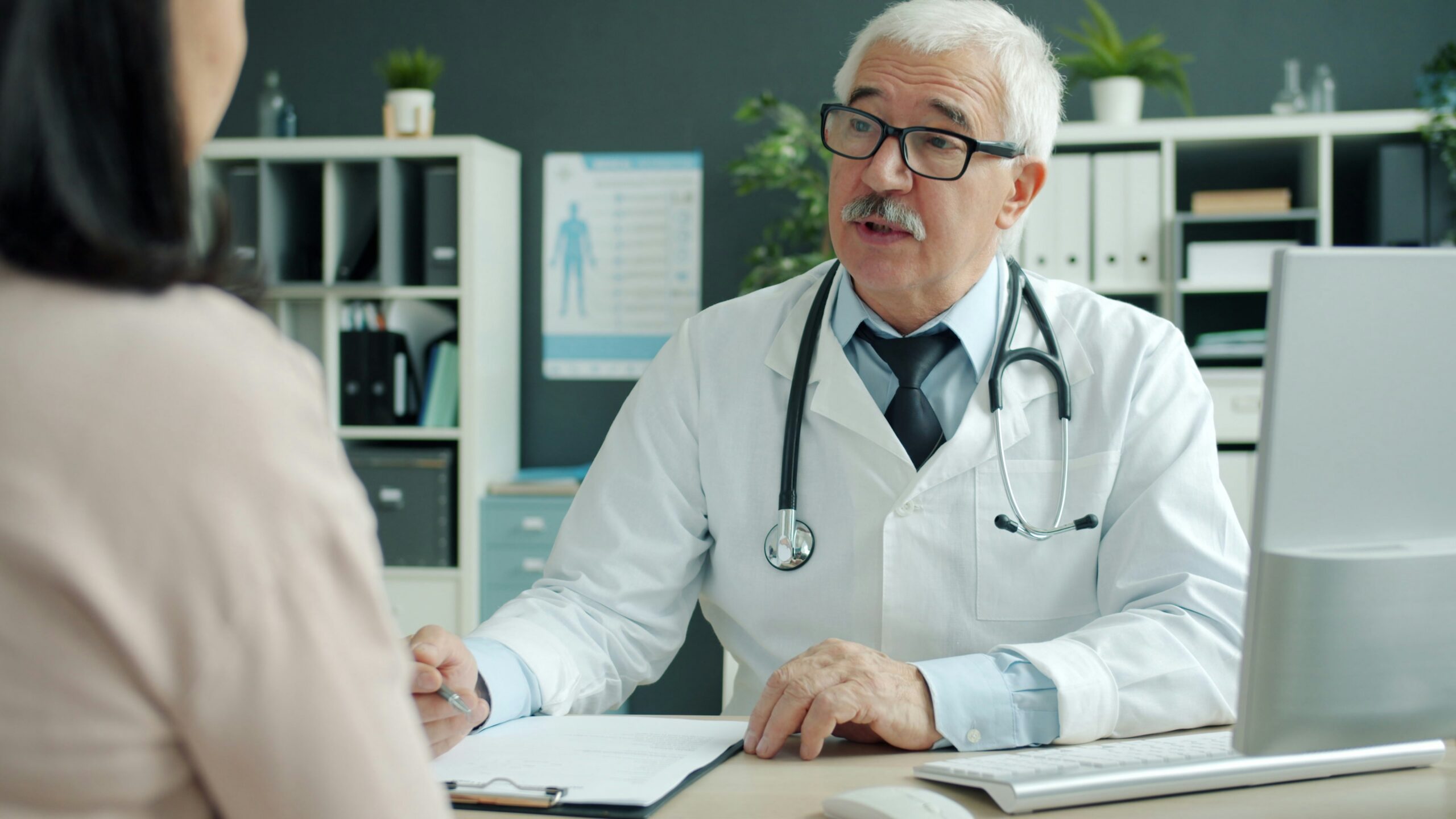
Evaluation should focus on how endometriosis may be affecting the patient’s reproductive system, not just whether endometriosis is present. A complete assessment can help determine whether the next step should be continued natural attempts, endometriosis treatment, fertility testing, surgery, or reproductive endocrinology coordination.
Medical and Fertility History
A specialist may ask about:
- Painful periods
- Chronic pelvic pain
- Pain with intercourse
- Bowel or bladder symptoms
- Cycle regularity
- Prior pelvic or ovarian surgery
- Prior endometriosis treatment
- Prior pregnancies or pregnancy losses
- Time spent trying to conceive
- Prior IUI or IVF
- Medication history
- Future pregnancy goals
This history helps identify whether symptoms suggest superficial disease, deep disease, endometriomas, adhesions, pelvic floor dysfunction, or other contributors.
Imaging
Ultrasound may help identify endometriomas and some pelvic anatomy changes. MRI may be used when deep endometriosis, bowel involvement, bladder involvement, or complex surgical planning is suspected.
Imaging can provide important information, but it may not show every endometriosis lesion. Smaller or superficial lesions may be missed. Imaging should be interpreted alongside symptoms, exam findings, fertility history, and goals.
Ovarian Reserve and Partner Testing
Fertility evaluation may include ovarian reserve testing with AMH and antral follicle count. When relevant, partner semen analysis may also be recommended because fertility depends on both egg and sperm factors.
Additional testing may include ovulation assessment or tubal evaluation when clinically appropriate. If fertility treatment or fertility preservation is being considered, a reproductive endocrinologist can provide a more detailed fertility assessment.
What Treatment Planning Looks Like When Fertility Is a Goal
Treatment planning should be based on what endometriosis appears to be affecting. A patient whose primary concern is pain may need a different plan from a patient with endometriomas, low ovarian reserve, or blocked fallopian tubes.
This section gives a brief overview only. The right treatment sequence should be individualized.
Medical Management
Hormonal medications may help manage endometriosis symptoms by suppressing ovulation or reducing hormonal stimulation of the disease. These medications can be useful when pregnancy is not the immediate goal.
However, many hormonal therapies suppress ovulation, so they are usually not used while a patient is actively trying to conceive. If pregnancy is a current goal, patients should ask how medication timing fits into their reproductive plan.
Medical management can help symptoms, but it does not remove existing lesions, adhesions, or endometriomas.
Laparoscopic Excision Surgery
Laparoscopic excision surgery removes identified endometriosis lesions from tissue. In selected patients, excision may support fertility planning by treating visible disease, releasing adhesions, improving anatomy where possible, and addressing endometriomas when appropriate.
Surgery does not guarantee pregnancy. The potential benefit depends on the patient’s anatomy, ovarian reserve, age, tubal function, partner fertility factors, and prior treatment history.
When fertility is a goal, surgical planning should be fertility-conscious. This means considering ovarian reserve, protecting healthy ovarian tissue when possible, reviewing prior surgeries, and coordinating with fertility specialists when appropriate.
Fertility Specialist Coordination
Some patients benefit from care with a reproductive endocrinologist. This may be appropriate when ovarian reserve is low, fallopian tubes are blocked, pregnancy has not occurred after a defined period, partner fertility factors are present, or fertility preservation is being considered.
Fertility treatments and fertility preservation services such as IVF, IUI, egg freezing, embryo freezing, ovarian stimulation, egg retrieval, embryo transfer, and cryostorage are typically handled by reproductive endocrinologists or fertility clinics.
Endometriosis Center of Excellence focuses on endometriosis evaluation, excision surgery when appropriate, medical management, fertility-conscious planning, and coordination with fertility specialists when needed.
Frequently Asked Questions
How does endometriosis affect fertility?
Endometriosis may affect fertility through pelvic inflammation, adhesions, ovarian endometriomas, ovarian reserve changes, fallopian tube disruption, and pain with intercourse. The effect varies from patient to patient.
Can I get pregnant naturally with endometriosis?
Yes, some patients with endometriosis get pregnant naturally. Natural conception depends on factors such as age, ovarian reserve, ovulation, fallopian tube function, pelvic anatomy, partner fertility factors, and disease severity.
Does endometriosis affect egg quality?
Endometriosis may affect the ovarian and pelvic environment in ways that could influence egg quality in some patients. However, fertility depends on many factors, including age, ovarian reserve, ovulation, sperm factors, and tubal function.
Can endometriosis lower ovarian reserve?
Endometriosis may be associated with lower ovarian reserve in some patients, especially when ovarian endometriomas are present or when prior ovarian surgery has occurred. Ovarian reserve can be assessed with AMH and antral follicle count.
Can hormonal therapy help me get pregnant?
Hormonal therapy can help manage endometriosis symptoms, but many hormonal treatments suppress ovulation while being used. Because of this, they are usually not used while actively trying to conceive.
Can excision surgery improve fertility?
Excision surgery may support fertility planning in selected patients by removing visible disease, releasing adhesions, improving anatomy where possible, or addressing endometriomas when appropriate. It does not guarantee pregnancy, and outcomes depend on individual fertility factors.
Conclusion
If you have endometriosis and are concerned about fertility, a specialist evaluation can help clarify how the disease may be affecting your reproductive health.
Endometriosis Center of Excellence provides personalized endometriosis care, including evaluation, minimally invasive excision surgery when appropriate, medical management, fertility-conscious planning, and coordination with fertility specialists when reproductive treatment or fertility preservation options should be discussed.
Schedule a consultation to review your symptoms, imaging, ovarian reserve concerns, endometriomas, prior treatment history, and goals for current or future pregnancy.