Endometriosis is a complex condition that affects millions of women and can influence many aspects of reproductive health. While not everyone with endometriosis experiences fertility challenges, the condition can create physical and inflammatory changes that make conception more difficult for some individuals. Because symptoms and disease severity vary widely, understanding the relationship between endometriosis and fertility is often an important part of long-term treatment planning.
For patients who hope to grow their families, learning how endometriosis may affect reproductive function can help guide decisions about diagnosis, treatment, and ongoing care. From inflammation and hormonal changes to anatomical disruptions within the pelvis, several factors can influence fertility outcomes. Understanding these factors allows patients to have more informed discussions with their healthcare providers and develop a personalized approach that aligns with both symptom management and reproductive goals.
Understanding the Relationship Between Endometriosis and Fertility

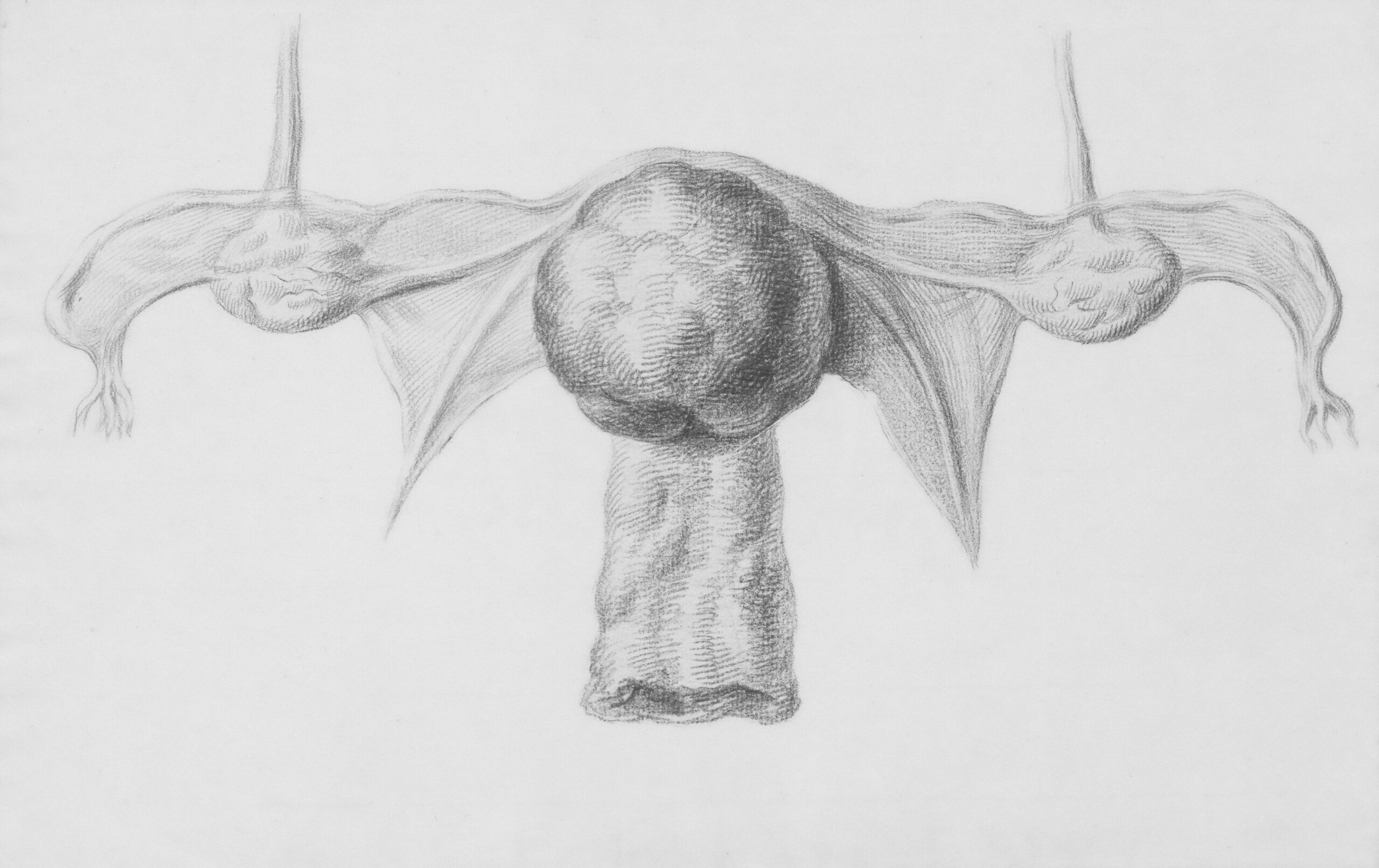
Endometriosis occurs when tissue similar to the lining of the uterus grows outside the uterus. These growths can develop on the ovaries, fallopian tubes, pelvic lining, and other nearby structures. Over time, this tissue can trigger inflammation, scarring, and adhesions that affect normal reproductive processes.
Although endometriosis is commonly associated with pelvic pain, it may also influence fertility in ways that are not immediately obvious. Understanding the connection is often the first step toward creating an effective treatment strategy.
What Is Endometriosis and How Can It Affect Fertility?
Endometriosis can affect fertility through several mechanisms. Inflammation caused by endometriosis lesions may alter the pelvic environment, while scar tissue and adhesions can interfere with the normal function of reproductive organs.
Some patients may experience changes that affect egg release, fertilization, or embryo implantation. Others may have minimal fertility impact despite extensive symptoms. Because every case is unique, fertility considerations are evaluated individually rather than based solely on symptom severity.
Why Fertility Challenges Occur in Some Patients With Endometriosis
The condition can influence fertility through both physical and biological processes. Scar tissue may affect the relationship between the ovaries and fallopian tubes, making it more difficult for fertilization to occur naturally.
At the same time, chronic inflammation may affect reproductive function at a cellular level. These combined factors can create challenges for some patients, particularly when endometriosis remains untreated or progresses over time.
Does Disease Severity Always Predict Fertility Outcomes?
Not necessarily. Some individuals with mild endometriosis experience fertility difficulties, while others with more extensive disease conceive without complications.
This variability highlights the importance of individualized evaluation. Healthcare providers consider multiple factors, including age, overall reproductive health, symptom history, and diagnostic findings when assessing fertility concerns.
How Endometriosis Can Influence Reproductive Health

The effects of endometriosis extend beyond visible lesions. The condition can influence hormonal function, inflammatory responses, and pelvic anatomy in ways that affect reproductive health.
Understanding these underlying mechanisms helps explain why fertility outcomes vary among patients and why treatment plans often require a personalized approach.
Hormonal Changes and Their Impact on Fertility
Endometriosis can affect hormone signaling within the reproductive system. These changes may influence ovulation and other reproductive processes that are necessary for conception.
Hormonal imbalances may also contribute to symptom severity, making it important for clinicians to evaluate reproductive health alongside symptom management when developing treatment recommendations.
The Role of Inflammation in Reproductive Function
Inflammation is one of the defining characteristics of endometriosis. As lesions respond to hormonal changes throughout the menstrual cycle, inflammatory processes may become more active within the pelvis.
This ongoing inflammation can affect the surrounding reproductive environment. While the degree of impact varies, reducing disease burden and managing symptoms are often important components of comprehensive care.
How Anatomical Changes May Affect Conception
As endometriosis progresses, adhesions and scar tissue can develop around reproductive organs. These structural changes may affect how the ovaries, fallopian tubes, and surrounding tissues function together.
When anatomical distortion occurs, it can interfere with normal reproductive processes. Understanding the extent of these changes helps guide treatment planning and determine the most appropriate management strategy.
Diagnosing Endometriosis When Fertility Is a Concern
Accurate diagnosis plays an important role in developing an effective fertility-focused treatment plan. A comprehensive evaluation helps identify how endometriosis may be affecting reproductive health, while also ruling out other contributing factors.
The diagnostic process often involves multiple steps, allowing healthcare providers to build a complete picture of the patient’s condition.
How Endometriosis Is Evaluated
Diagnosis typically begins with a detailed review of symptoms, medical history, and reproductive goals. Providers may ask about pelvic pain, menstrual symptoms, prior treatments, and any concerns related to fertility. Read more in Endometriosis and Fertility: The Complete Authority Guide.
This information helps determine which diagnostic tools and evaluations may be appropriate for each individual case.
What Imaging Studies Can Reveal
Imaging studies can provide valuable insight into the presence and extent of endometriosis. Transvaginal ultrasound is commonly used to evaluate pelvic structures, while MRI may offer additional detail in certain situations.
Although imaging can identify some forms of endometriosis, it may not detect every lesion. Results are interpreted alongside symptoms and clinical findings to guide treatment planning.
When Minimally Invasive Surgical Evaluation May Be Considered
In some situations, minimally invasive surgical evaluation may be recommended to better understand the extent of disease. This approach allows direct visualization of endometriosis and can help clarify findings that are not fully explained through imaging alone.
The decision to pursue surgical evaluation depends on symptom severity, treatment history, and individual reproductive goals.
Treatment Approaches for Patients Focused on Fertility
Treatment plans for endometriosis should consider both symptom management and reproductive priorities. Because every patient’s situation is different, fertility-focused care requires careful evaluation and individualized decision-making. We cover this further in How Endometriosis Affects Your Fertility.
The most effective approach often involves balancing symptom relief with strategies that support long-term reproductive health.
How Personalized Treatment Planning Supports Reproductive Goals
Personalized treatment planning allows healthcare providers to consider factors such as age, symptoms, disease extent, and future family-building goals.
Rather than relying on a one-size-fits-all approach, individualized care helps ensure that treatment recommendations align with the patient’s unique circumstances and priorities.
When Endometriosis Excision Surgery May Be Recommended
Endometriosis excision surgery may be considered when symptoms significantly affect quality of life or when disease-related findings suggest that surgical treatment could play a role in the overall care plan.
Excision surgery focuses on removing endometriosis tissue while preserving healthy surrounding structures whenever possible. Decisions regarding surgery are based on comprehensive evaluation and patient-specific considerations.
The Importance of Fertility-Focused Care
Fertility-focused care recognizes that reproductive goals are often an important part of treatment planning. Discussions about future family plans can help guide decisions regarding symptom management, monitoring, and potential interventions. We cover this further in Exploring How Endometriosis Affects Female Fertility.
Early communication about fertility concerns allows patients and providers to make informed choices and establish realistic expectations throughout the treatment process.
How Collaborative Specialist Care Improves Treatment Planning
Complex endometriosis cases often benefit from collaborative care. Working with healthcare professionals who understand the condition’s impact on both pelvic health and reproductive function can support more comprehensive treatment planning.
Collaboration helps ensure that symptom management, surgical considerations, and fertility goals remain aligned throughout the patient’s care journey. For more detail, see our article Explore How Endometriosis Influences Your Fertility Journey.
Managing Symptoms While Supporting Fertility Goals

Symptom management remains an important component of endometriosis care. Persistent pain and other symptoms can affect quality of life, daily activities, and overall well-being, making comprehensive support essential.
Addressing symptoms effectively can help patients maintain their health and confidence while pursuing their reproductive goals.
The Connection Between Pelvic Pain and Quality of Life
Chronic pelvic pain can affect work, relationships, physical activity, and emotional well-being. For many patients, symptom burden extends beyond the reproductive system and influences multiple aspects of daily life.
Understanding the broader impact of symptoms helps healthcare providers develop treatment plans that address both physical and functional concerns.
Non-Opioid Pain Management Approaches
Many patients benefit from non-opioid pain management strategies as part of a comprehensive treatment plan. These approaches may be used alongside other therapies to help reduce symptom burden and improve daily functioning.
Treatment recommendations vary depending on individual needs, symptom patterns, and overall health considerations.
Pelvic Floor Physical Therapy Referrals and Supportive Care
Pelvic floor dysfunction can sometimes contribute to ongoing pelvic discomfort. For appropriate patients, pelvic floor physical therapy referrals may be incorporated into a broader treatment strategy.
Supportive care measures can help address the musculoskeletal effects of chronic pain while improving comfort and function over time.
Tracking Progress Throughout Treatment
Symptom tracking provides valuable information that can support treatment decisions and ongoing evaluation.
Helpful information to record includes:
- Pain severity and frequency
- Menstrual cycle patterns
- Activities affected by symptoms
- Response to treatments
- Changes in overall well-being
Tracking these details can help patients and providers identify trends and adjust treatment plans when necessary.
Frequently Asked Questions
Can endometriosis affect fertility even if symptoms are mild?
Yes. Some individuals with mild symptoms may still experience fertility challenges, while others with more significant symptoms may not. Fertility impact varies from person to person.
Does every person with endometriosis experience infertility?
No. Many individuals with endometriosis conceive naturally. However, the condition can increase the likelihood of fertility challenges for some patients.
When should fertility concerns be discussed with a healthcare provider?
Patients who have concerns about future fertility, are actively trying to conceive, or are experiencing symptoms that affect reproductive health should discuss these concerns during their evaluation.
Can treatment improve quality of life while supporting fertility goals?
Treatment plans are often designed to address symptoms, improve daily functioning, and support reproductive goals whenever possible. Recommendations depend on individual circumstances and treatment objectives.
Conclusion
Endometriosis can influence fertility in several ways, from inflammation and hormonal changes to anatomical disruptions within the pelvis. Understanding these potential effects is an important step toward making informed decisions about diagnosis, treatment, and long-term reproductive health. Through comprehensive evaluation and personalized treatment planning, patients can better navigate the challenges associated with endometriosis while pursuing their individual goals.
To learn more about personalized endometriosis care and treatment options, explore Endometriosis Center of Excellence (Endo Excellence Center) and discover resources designed to support your health journey with confidence.