
Endometriosis after menopause is uncommon, but it can still cause persistent pelvic pain and other symptoms for some people. When discomfort continues or reappears later in life, it often requires a thoughtful, individualized approach that considers changing hormones, overall health, and the unique needs of postmenopausal bodies.
This article outlines compassionate, evidence-informed strategies—such as supportive nutrition, mind-body practices, pelvic-floor rehabilitation, and select complementary therapies—that can help ease symptoms and improve day-to-day function. You’ll also find guidance on when medical treatment is needed, how surgical and hormonal options may fit into an integrative plan, and practical tools to help you and your care team create a safe, personalized long-term management approach.
What Are Common Symptoms of Endometriosis After Menopause?
After menopause, endometriosis most often appears as persistent pelvic pain rather than the cyclical discomfort associated with menstrual cycles. Symptoms can sometimes be subtle or resemble those of other pelvic conditions, which is why careful tracking and a thorough medical history are so important.
Common signs to pay attention to include:
- A noticeable change in your usual pelvic pain
- New bowel or bladder symptoms
- Increasing pelvic or lower-back discomfort
- Pain that begins to limit daily activities
If you notice these changes, it’s a good idea to seek a specialist evaluation. Targeted imaging and an experienced clinical assessment can help clarify the cause and guide the right combination of non-surgical or surgical treatment.
How Can Endometriosis Persist or Recur After Menopause?
Although declining estrogen levels often improve symptoms, some areas of endometriosis can remain active after menopause. This may happen because certain tissues can produce small amounts of estrogen locally, allowing inflammation and pain to continue even without regular ovarian hormone cycles.
Long-standing inflammation and individual immune responses may also play a role in lingering or recurrent symptoms. In addition, hormone replacement therapy (HRT) can influence symptoms for some people, so decisions about HRT should take into account past experiences with endometriosis and current symptom patterns.
Understanding these factors helps patients and clinicians choose the most appropriate approach—whether that involves monitoring, medication, or, when needed, surgical treatment.
Aromatase Inhibitors: When Are They Considered?
In selected cases where surgery isn’t possible or symptoms persist, clinicians may consider medications that help reduce local estrogen activity. Aromatase inhibitors are one such option. Although research is still limited and largely based on smaller studies, some patients report reduced pain when these medications are used under close supervision.
Because these medications can have side effects, they are typically reserved for specific situations and require careful monitoring. A specialist can help determine whether this approach is appropriate based on your overall health and treatment history.
How Is Postmenopausal Endometriosis Diagnosed?
Diagnosis begins with a detailed conversation about symptoms and a pelvic exam that focuses on pain patterns and any bowel or bladder involvement. Depending on these findings, imaging such as transvaginal ultrasound or MRI may be recommended to look for areas of concern.
However, imaging can sometimes miss small or scar-like lesions. For this reason, the most definitive diagnosis often comes from laparoscopic surgery, where a specialist can directly view and remove suspicious tissue for confirmation. This approach can also provide therapeutic benefits by removing areas that contribute to pain.
If symptoms worsen or do not improve over time, seeking evaluation from a clinician experienced in postmenopausal endometriosis can help ensure accurate diagnosis and personalized care.
Which Natural Remedies and Lifestyle Changes Help Manage Endometriosis Pain After Menopause?
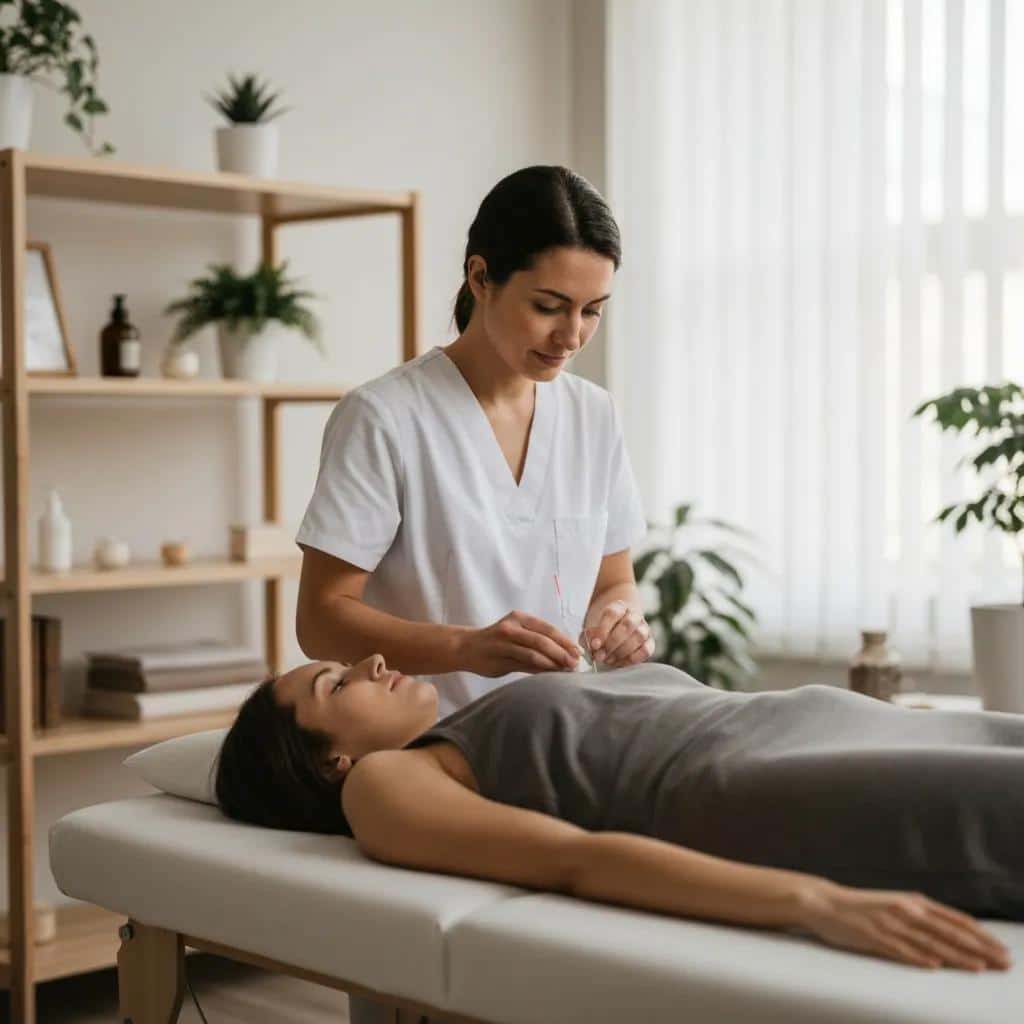
Supportive, non-medication strategies can play a meaningful role in easing endometriosis symptoms after menopause. These approaches may help reduce inflammation, improve pelvic comfort, and support overall well-being—especially when used alongside medical care. Many people benefit from a blend of stress-management techniques, pelvic-floor therapy, acupuncture, and gentle physical activity. Because each person’s experience is unique, working with your care team to build an individualized plan is the safest and most effective approach.
Below are evidence-informed lifestyle and holistic practices that many people find helpful.
How Can Stress Management and Mindfulness Reduce Endometriosis Symptoms?
Stress can heighten the body’s sensitivity to pain, so practices that calm the nervous system often bring noticeable relief. Programs such as mindfulness-based stress reduction (MBSR) have been shown to improve coping and quality of life for people living with chronic pelvic pain.
Simple daily practices—such as ten minutes of guided breathing, a short body-scan, or quiet breath-focused meditation—can:
- Reduce stress and tension
- Ease the perception of pain
- Improve sleep and emotional balance
Acceptance-based and cognitive approaches can also help shift unhelpful thought patterns that make symptoms feel more overwhelming. Start small, give yourself time to adjust, and consider a structured program if you want more support or guidance.
What Role Does Acupuncture Play in Postmenopausal Endometriosis Pain Relief?
Acupuncture may offer relief for some individuals by promoting relaxation, improving circulation, and helping the body regulate its pain response. Studies in people with pelvic pain suggest that regular sessions can provide modest short-term improvement for many.
A typical trial of acupuncture might involve:
- 1–2 sessions per week
- Over a period of 6–8 weeks
- Followed by occasional maintenance sessions if helpful
When performed by a licensed practitioner, acupuncture is generally low-risk. If you take blood thinners or have a condition that affects bleeding, it’s important to discuss safety with your clinician first.
Acupuncture can be a helpful part of a broader plan—especially if your goal is to manage pain more naturally, reduce reliance on medications, or improve day-to-day functioning.
What dietary approaches are effective for managing endometriosis during menopause?

Food choices can play a helpful role in supporting comfort and overall well-being for people managing endometriosis after menopause. While diet alone cannot treat endometriosis, certain eating patterns may calm inflammation, steady energy levels, and support hormonal and immune balance.
A generally supportive approach emphasizes:
- Omega-3–rich foods (like salmon, sardines, walnuts)
- Colorful fruits and vegetables
- Whole grains and legumes
- Lean or plant-based proteins
At the same time, limiting highly processed foods and excess added sugars may help reduce symptom flares for some individuals.
Some supplements—such as vitamin D and omega-3s—have the strongest clinical rationale, but they are not right for everyone. Dosages vary, and interactions are possible, so it’s best to review supplements with your clinician before starting anything new.
Which Anti-Inflammatory Foods and Supplements Support Endometriosis Relief?
Choosing nutrient-rich foods that support a healthy inflammatory response can make daily symptoms easier to manage. Examples include:
- Fatty fish (salmon, mackerel) for omega-3 fatty acids
- Berries, leafy greens, and colorful vegetables for antioxidants
- Legumes, nuts, and whole grains for fiber and steady energy
Helpful weekly goals:
- Include oily fish twice weekly
- Aim for daily servings of colorful vegetables and fruits
- Choose whole grains and legumes to support digestive health and steady blood sugar
Supplements that show the most consistent support include:
- Omega-3 fish oil – may help calm inflammation in some people
- Vitamin D – supports immune and hormone balance
Because supplement needs vary—especially after menopause—consult your care team about dosing and safety.
These nutrition choices work best when combined with other supportive approaches such as stress management, gentle movement, or pelvic-floor therapy.
What Foods Should Be Limited to Reduce Endometriosis-Related Inflammation After Menopause?
Certain foods may contribute to increased inflammation or discomfort for some people. Limiting the following can support symptom management:
- Processed meats
- Highly refined carbohydrates
- Deep-fried or heavily processed foods
- Sugary beverages
- Oils high in processed omega-6 fats
Some individuals also find that dairy or gluten affects their symptoms. If you suspect food triggers, a brief clinician-guided elimination trial—followed by careful reintroduction—can help you identify personal sensitivities without unnecessary long-term restriction.
Adopting these changes gradually and consistently often provides the most benefit and fits well into an integrative care plan.
How Do Medical and Integrative Treatments Complement Holistic Care for Endometriosis After Menopause?
Medical and holistic therapies often work best when used together. While surgery or targeted medical treatment can address active areas of endometriosis, integrative strategies—such as pelvic-floor physical therapy, supportive nutrition, and mind-body approaches—help reduce inflammation, ease tension, and support long-term recovery.
Because endometriosis after menopause can have multiple contributing factors, a personalized plan that blends these approaches tends to offer the most meaningful and sustainable improvement.
Hormone replacement therapy (HRT) can be part of this plan, but it requires careful evaluation. For some people, estrogen can influence residual tissue, so specialists may recommend adding a progestin or choosing specific formulations to reduce risk. Ongoing monitoring is essential to ensure safety and effectiveness.
A collaborative care model—where surgical experts, pelvic therapists, and integrative providers work together—helps ensure that each aspect of care supports the others.
Comparison of Common Postmenopausal Treatment Options
This overview highlights how medical therapies can be thoughtfully combined with holistic care, and why coordination with an experienced specialist is so valuable.
At Endo Excellence Center, Dr. Rachael Haverland leads a multidisciplinary team that brings together surgical expertise, pelvic-floor rehabilitation, individualized nutrition guidance, and supportive mind-body care. This integrated approach helps enhance recovery and improve long-term quality of life. If ongoing pelvic pain after menopause is affecting your daily functioning, a specialist assessment can help clarify whether a combined medical and holistic plan is the right next step.
What Is the Role of Excision Surgery in Long-Term Postmenopausal Endometriosis Management?
Excision surgery is often recommended when persistent lesions are causing pain, restricting movement, or affecting nearby organs. Removing these areas can reduce inflammation and provide meaningful, lasting relief—especially when performed by a surgeon experienced in complex endometriosis.
To support healing and prevent symptom return, surgery is most effective when paired with follow-up care such as pelvic-floor physical therapy, supportive nutrition, and stress-management strategies. A specialist evaluation can help determine whether surgery is appropriate based on your symptoms, imaging, and overall health.
Is Hormone Replacement Therapy Safe for People With Endometriosis After Menopause?
HRT can be a safe option for many individuals with a history of endometriosis when it is personalized and closely supervised. Treatment decisions depend on factors such as:
- Current symptoms
- Past experiences with endometriosis
- The presence or absence of residual lesions
Adding a progestin or choosing certain delivery methods may help reduce the chance of stimulating remaining tissue. Shared decision-making with a gynecologic specialist ensures that benefits—such as relief from hot flashes, sleep problems, and vaginal dryness—are balanced with appropriate monitoring.
Nonhormonal options or close follow-up may be alternatives for those who prefer to avoid estrogen.
If you are considering HRT, discuss your goals, risks, and monitoring plan with an experienced clinician.
Frequently Asked Questions
What lifestyle changes can help manage endometriosis symptoms after menopause?
Gentle, sustainable lifestyle habits can support comfort and reduce symptom flares. Low-impact activities like walking, swimming, and gentle yoga help improve pelvic mobility and ease tension. Stress-management practices—including mindfulness, brief breathing exercises, or meditation—can lower stress levels, which often makes pain feel more manageable. An eating pattern rich in omega-3s, colorful fruits and vegetables, whole grains, and lean or plant-based proteins supports overall health and may help calm inflammation. Working with your clinicians or a dietitian can help tailor these changes to your needs.
How can I track my symptoms effectively for better management?
A symptom diary is a simple but powerful tool. Each day, note your pain levels, possible triggers, sleep quality, mood, activity, and diet. Over time, patterns become clearer and can guide treatment decisions. Bring your notes to appointments—this information helps your care team better understand your experience and personalize your plan. If you start a new therapy, track how your symptoms respond so you can determine what’s helpful.
Are there specific supplements that may help manage endometriosis after menopause?
Some supplements may support a healthy inflammatory balance. Omega-3 fatty acids (fish oil) and vitamin D have the most consistent evidence, and turmeric (curcumin) may offer additional support for some people. However, supplements can interact with medications or cause side effects. It’s best to review any new supplement with your clinician to ensure appropriate dosing and safety.
What role does physical therapy play in managing endometriosis pain?
Pelvic-floor physical therapy can be an important part of symptom management. Pelvic-trained therapists use gentle manual techniques, targeted exercises, and education on posture and movement to reduce muscle tension and improve function. Many people find the most benefit when PT is combined with other supportive approaches such as mindfulness, nutrition, or stress-management techniques. Seek out a therapist experienced in complex pelvic pain for the best results.
How can I make sure dietary changes are actually helping?
Aim for a balanced, anti-inflammatory eating pattern—plenty of colorful vegetables and fruits, whole grains, healthy fats, and lean or plant proteins while limiting highly processed foods and added sugars. Tracking your food intake alongside symptoms can help identify what supports you best. For safe, sustainable guidance, consider meeting with a registered dietitian familiar with endometriosis.
What should I discuss with my healthcare provider about hormone replacement therapy (HRT)?
If you’re considering HRT and have a history of endometriosis, talk with your clinician about your current symptoms, past disease activity, and your concerns about recurrence. Ask about:
- Different HRT formulations
- The role of progestins
- Delivery options
- How monitoring will be handled
A shared decision-making conversation with a gynecologic specialist helps balance symptom relief with appropriate safety precautions.
Conclusion
Holistic care can significantly improve quality of life for people managing endometriosis after menopause. Combining supportive dietary changes, stress-management practices, pelvic-floor therapy, and complementary therapies with appropriate medical or surgical treatment offers a well-rounded path to relief. Working with a multidisciplinary team ensures your plan is personalized, safe, and responsive to your needs over time. If ongoing pelvic pain is affecting your daily life, a specialist evaluation can help you explore integrated options tailored to your long-term well-being.