

Many women notice new or worsening anxiety, low mood, mood swings, and disrupted sleep as hormones shift during the menopausal transition. This guide walks through evidence-based treatments—psychotherapies, medications, hormonal approaches, and lifestyle strategies—explaining how each works and practical considerations for women who also live with chronic gynecologic conditions such as endometriosis. You’ll find which approaches most reliably ease mood and anxiety, when to involve a specialist, and how to blend therapies across perimenopause, menopause, and postmenopause. Read on for a clear comparison of primary therapies, focused sections on HRT and antidepressants, psychotherapy options and referral cues, plus actionable lifestyle and complementary strategies to support emotional health.
What Are the Most Effective Therapies for Menopause-Related Mental Health Concerns?
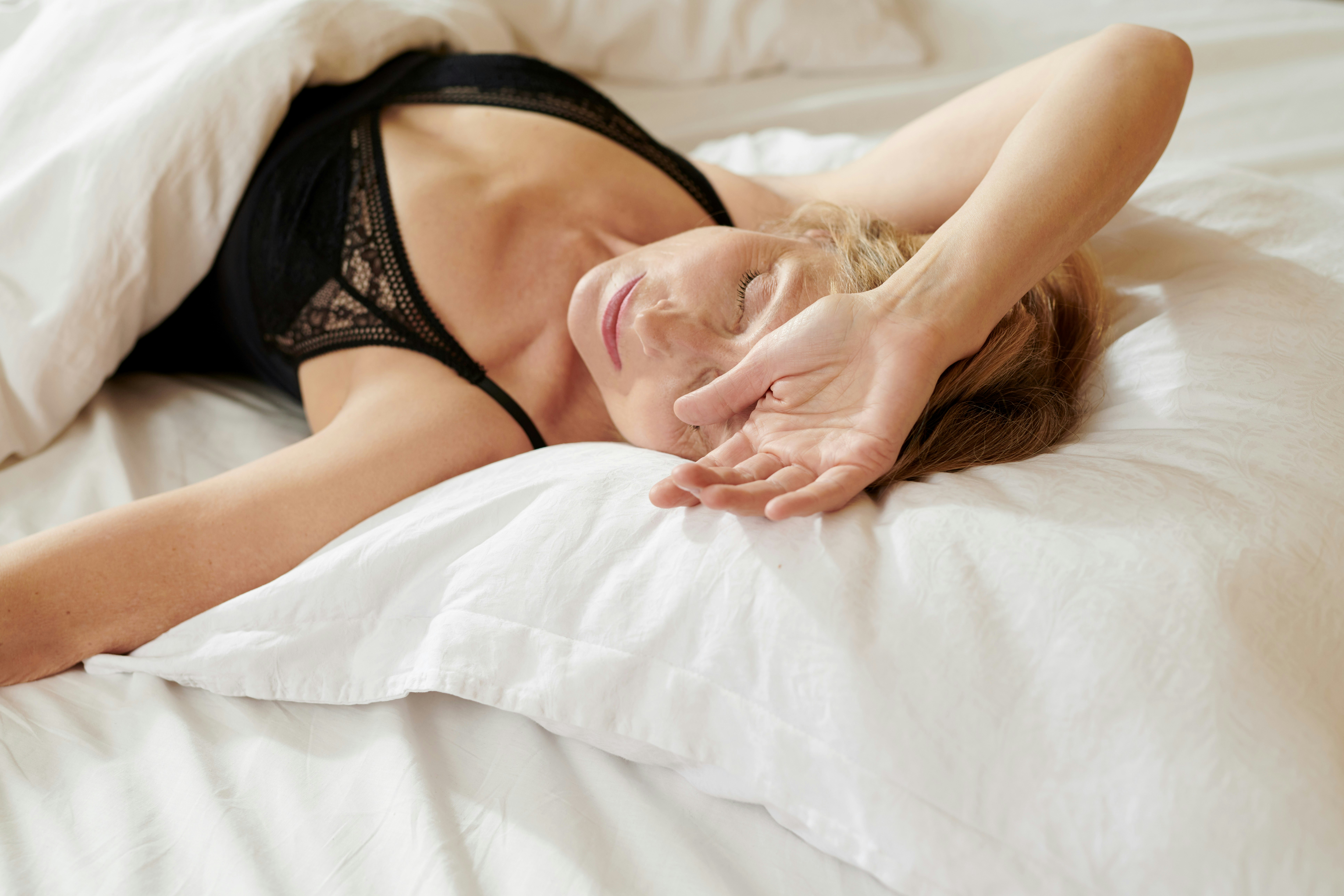
Treatments for menopause-related mood and anxiety issues include structured psychotherapy, targeted medications, hormone therapy, and practical lifestyle changes — each addresses different drivers of symptoms. Cognitive behavioral therapy (CBT) helps reframe thoughts and rebuild routines; antidepressants (SSRIs/SNRIs) adjust brain chemistry to lift mood and can lessen some vasomotor symptoms; hormone replacement therapy (HRT) restores estrogen (with or without progesterone) to reduce mood volatility and troublesome hot flashes. Lifestyle measures — regular exercise, consistent sleep habits, and mindfulness — strengthen resilience and support medical treatments. The table below summarizes mechanisms, common benefits, and endometriosis-specific points to help tailor care for women with chronic pelvic pain.
Because these therapies act through different pathways, treatment should be individualized—especially when chronic gynecologic conditions influence choices.
The table highlights why combining therapies—psychological, pharmacologic, hormonal, and lifestyle—often produces the most durable benefit.
How Does Cognitive Behavioral Therapy Help Manage Menopausal Anxiety and Depression?
CBT targets the thought patterns and daily habits that amplify menopausal anxiety and low mood. Therapists teach cognitive restructuring to interrupt negative cycles, and behavioral activation to rebuild rewarding routines. Practical techniques include keeping thought records for hot-flash distress, scheduling pleasant activities to counter withdrawal, and using sleep-focused behavioral strategies to restore restorative sleep. For women with chronic pelvic pain or endometriosis, CBT can be tailored to address pain-related fear and to coordinate with medical pain treatments—improving day-to-day functioning and emotional resilience.
What Role Do Antidepressants Play in Treating Menopausal Depression?
Antidepressants, especially SSRIs and SNRIs, are proven options for moderate to severe menopausal depression and may also reduce vasomotor symptoms for some women. Clinically, many patients notice mood improvements within 4–6 weeks, while SNRIs can offer added benefits for energy and concentration. Dosing is individualized and side effects—such as sexual changes, gastrointestinal upset, or sleep disturbances—are monitored and managed. In people with endometriosis, clinicians pay attention to drug interactions with pain medications and how chronic pain influences response. Close coordination between mental health providers and gynecology helps ensure safe, effective use alongside other therapies. For more detail, see our article Endometriosis and Mental Health: Effects Beyond Menopause.
How Can Hormone Replacement Therapy Improve Mood Swings and Emotional Symptoms During Menopause?

HRT replaces declining estrogen—and when appropriate, adds progesterone—to address biological contributors to mood instability, sleep disruption, and vasomotor symptoms that can trigger anxiety and depression. Estrogen affects neurotransmitter systems involved in mood regulation, and many women experience reduced hot flashes and more continuous sleep on HRT, which indirectly supports emotional well‑being. Choosing HRT requires a personalized risk–benefit discussion that considers cardiovascular and thrombotic risks and breast cancer history; for women with prior endometriosis, surgical history and residual disease influence regimen selection and follow-up. The table below outlines common HRT types, mood effects, and interactions with endometriosis care.
Selecting and monitoring HRT naturally leads into a balanced conversation about benefits, risks, and coordination with other treatments.
What Are the Benefits and Risks of HRT for Menopause-Related Mental Health?
HRT can stabilize mood, reduce hot flashes, and improve sleep—factors that commonly underlie anxiety and depressive symptoms during menopause. Risks include venous thromboembolism and potential cardiovascular effects that vary by age, dose, and formulation; there is also a nuanced relationship with breast cancer risk that must be individualized. Transdermal preparations generally carry a lower thrombotic risk. For women with past endometriosis or excision surgery, multidisciplinary planning helps balance symptom relief against tissue‑specific concerns and recurrence risk. Discussing personal and family medical history with a specialist supports safer, more effective HRT choices. Read more in Understanding Endometriosis Symptoms in Menopause – A Guide.
How Does HRT Interact with Other Menopause and Endometriosis Treatments?
HRT can influence endometriosis management when residual implants or previous surgery affect estrogen sensitivity and recurrence risk. In some cases, non‑estrogen strategies or carefully chosen regimens are preferred to avoid stimulating residual disease; these decisions benefit from collaboration between gynecologic surgeons and menopause specialists. Pharmacologically, HRT may change how antidepressants or pain medications are tolerated, so a cross‑disciplinary medication review is important. When HRT is not suitable, nonhormonal pharmacologic and psychotherapeutic options remain effective ways to treat mood and vasomotor symptoms.
Which Lifestyle and Complementary Therapies Support Mental Health During Menopause?

Lifestyle and complementary approaches form the foundation of symptom management by improving sleep, reducing stress reactivity, and supporting brain chemistry through everyday choices. Regular aerobic and resistance exercise releases endorphins, improves sleep quality, and lowers depressive symptoms; mindfulness or MBSR reduces physiological reactivity to hot flashes and pain; dietary adjustments that stabilize blood sugar help prevent mood swings. Used alongside medical and psychological care, these strategies boost overall treatment effect and can reduce dependence on higher‑risk interventions.
Below are practical lifestyle prescriptions that pair well with clinical therapies and psychotherapy.
- Mindfulness practice (10–20 minutes daily) — builds emotional regulation and reduces rumination.
- Exercise (150 minutes/week moderate activity) — supports mood, sleep, and pain tolerance.
- Sleep hygiene (consistent schedule, stimulus control) — restores restorative sleep disrupted by vasomotor symptoms.
- Dietary stabilization (balanced meals, limited caffeine/alcohol) — helps prevent energy and mood swings.
These low‑risk, evidence‑aligned steps strengthen resilience and are best introduced gradually alongside medical care.
How Can Mindfulness, Exercise, and Diet Improve Menopausal Mood and Anxiety?
Mindfulness practices reduce stress reactivity by strengthening top‑down emotional control, which lowers anxiety and increases tolerance for hot flashes and pain. Exercise boosts neurotransmitters such as serotonin and endorphins, improving mood and sleep. Dietary choices that balance carbohydrates and include omega‑3 fats support steady energy and cognitive function. Practical starters include brief daily mindfulness sessions, three moderate workouts per week, and simple meal planning to avoid glucose dips. These measures complement therapy and HRT and can be adapted for women managing chronic pelvic pain, improving the durability of overall treatment. You may also find Explore Understanding Endometriosis in Postmenopausal Women helpful.
This review highlights that antidepressants remain a standard approach but that estrogen’s central nervous system effects are increasingly recognized as potentially relevant for menopausal depression.
This perspective reinforces the idea that estrogen therapy may be a useful option for some women with menopause‑related depression, alongside or instead of traditional antidepressant strategies when clinically appropriate.
Frequently Asked Questions
What lifestyle changes can help alleviate menopause-related mental health issues?
Small, consistent lifestyle changes make a real difference. Regular aerobic and strength exercise, brief daily mindfulness or relaxation practice, good sleep hygiene (consistent bedtimes and sleep routines), and balanced meals that limit excess caffeine and alcohol help stabilize mood and energy. These steps complement medical treatments and are practical first moves you can start today.
How can women with endometriosis manage menopause symptoms effectively?
Managing menopause with endometriosis calls for a tailored plan. Work with your gynecologist and menopause clinician to coordinate HRT choices and pain management. CBT or other psychotherapies can address pain‑related anxiety, while lifestyle strategies—gentle exercise, pacing, and mindfulness—support emotional health when chronic pelvic pain is present. Read more in Effective Endometriosis Management Options After Menopause.
Are there non-hormonal treatments available for menopause-related depression?
Yes. Antidepressants (SSRIs and SNRIs) are established, evidence‑based options and may also reduce some vasomotor symptoms. Psychotherapies like CBT are effective for anxiety and depression. Lifestyle interventions—exercise, sleep improvement, and mindfulness—are important nonhormonal components that enhance treatment outcomes.
What role does diet play in managing menopause symptoms?
Diet affects energy, mood, and sleep. Balanced meals with whole grains, lean protein, healthy fats (including omega‑3s), and plenty of fruits and vegetables help prevent blood sugar dips that can trigger mood swings. Limiting caffeine and alcohol, especially in the evening, reduces sleep disruption and anxiety for many women.
How can mindfulness practices specifically benefit women during menopause?
Mindfulness reduces stress reactivity and increases emotional regulation. Techniques like brief meditation, body‑scan exercises, and paced breathing lower physiological responses to hot flashes and pain, reduce rumination, and improve sleep. Practiced regularly, these tools increase resilience and help women respond more calmly to menopausal symptoms.
What should women consider when choosing hormone replacement therapy (HRT)?
When considering HRT, discuss your full medical history, including cardiovascular risk, clotting history, and family history of breast cancer. Consider formulation (transdermal vs oral), the need for progestogen if the uterus is intact, and any prior endometriosis or pelvic surgery. Shared decision‑making with a specialist ensures the safest, most effective plan for your situation. When you are ready to talk through your options, schedule an appointment with our team.
Conclusion
Menopause‑related mood and anxiety issues respond best to thoughtful, individualized care that blends psychotherapy, appropriate medications or hormones, and practical lifestyle changes. Understanding how each option helps—and when to coordinate care with specialists—lets women choose a plan that fits their health history and goals. If you’re struggling with mood, sleep, or anxiety during the menopausal transition, reach out to a clinician experienced in menopause and pelvic pain to explore safe, effective options that restore emotional balance and daily function. You may also find Explore Treatment Options for Post-Menopausal Endometriosis helpful.