
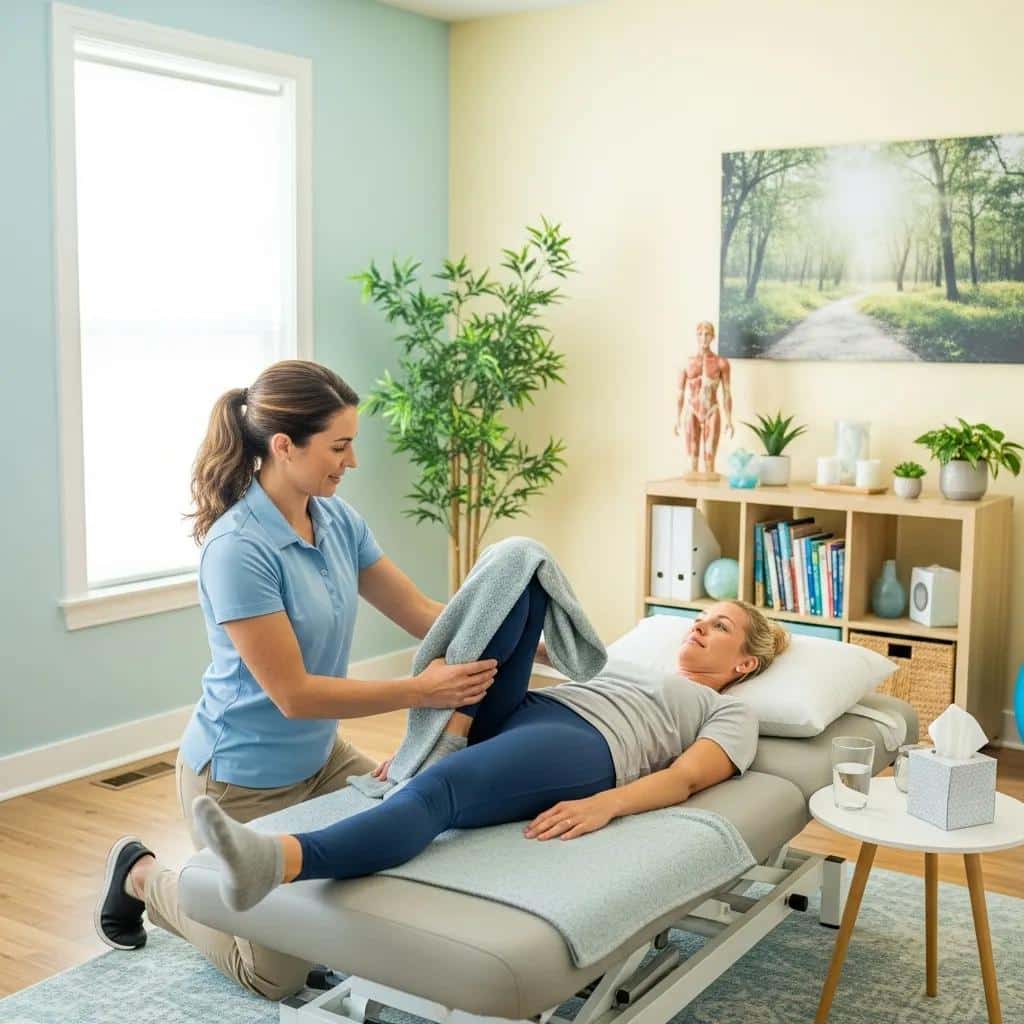
Endometriosis commonly causes pelvic pain, heavy periods, and daily discomfort. Physical therapy addresses musculoskeletal contributors to pain, improves function, and supports recovery after surgery. This page explains how pelvic health physical therapy can help, outlines the beneficial techniques, and describes the exercises and manual treatments included in a personalized plan.
Understanding how physical therapy fits into a treatment plan—before or after surgery—can help you set clearer recovery goals.
How does physical therapy relieve endometriosis pain?

Physical therapists assess and treat pelvic floor tension, joint restrictions, and movement patterns to reduce muscular guarding, restore mobility, and retrain movement strategies. This often relieves pain, improves function, and supports pelvic health.
Clinical evidence supports physical therapy’s role in lowering pain intensity and improving quality of life for people with endometriosis.
Core approaches include manual work, pelvic floor retraining, and practical education on posture and movement. These form a personalized program that targets pain sources and teaches self-management.
What are the main physical therapy techniques for endometriosis-related pain?
Physical therapists use several complementary techniques to address endometriosis symptoms:
- Manual therapy
: Skilled hands-on work to release tight tissue, reduce trigger points, and restore joint and fascial mobility (eg, myofascial release, soft-tissue mobilization). - Pelvic floor exercises
: Tailored programs to relax overactive or strengthen underactive pelvic floor muscles, often coordinated with breathing and core work. - Patient education
: Practical guidance on body mechanics, activity pacing, and self-care to reduce flares and support daily function.
Together, these strategies form a whole-person approach that addresses physical contributors to pain and helps patients feel more in control.
How does pelvic floor therapy improve pelvic muscle function?
Pelvic floor therapy restores balanced muscle tone, coordination, and flexibility of the muscles that support pelvic organs. Therapists assess function during movement and breathing, then prescribe exercises and techniques to correct dysfunction.
Improved pelvic floor function often brings better bladder and bowel control, less pain with sex, and greater confidence in everyday activities.
Which exercises and manual therapies best support endometriosis pain management?

A targeted blend of stretching, strengthening, and hands-on techniques typically gives the best results and is adapted to each person’s exam and tolerance.
- Stretching exercises
: Gentle, sustained stretches for the hips, pelvic floor, and surrounding tissues (modified yoga or guided mobility) to ease tightness. - Strengthening exercises
: Focused work for the pelvic floor, deep core, and hip muscles to improve structural support and reduce harmful loading. - Manual therapy techniques
: Deep tissue work and myofascial release to improve circulation, decrease trigger-point activity, and reduce muscle guarding.
These components progress safely over time to produce lasting functional gains.
What physical therapy exercises are suitable for individuals with endometriosis?
- Pelvic floor muscle training programs teach both relaxation and strengthening techniques to normalize pelvic muscle tone and reduce pain.
- Hip flexor stretches: Gentle stretches for the hip flexors and nearby muscles to relieve pelvic tension and support posture.
- Core strengthening: Low-load, coordinated core work that supports the pelvis and reduces compensatory tension.
Performed consistently and progressed under guidance, these exercises can reduce symptoms and improve comfort.
How does manual therapy target endometriosis-related pelvic pain?
Manual therapy focuses on releasing tense muscles, breaking up adhesions in soft tissues, and restoring mobility in pelvic joints and fascial layers. Techniques such as myofascial release and targeted deep tissue work improve local circulation and reduce painful trigger points. You may also find Find Local Endometriosis Physical Therapy Clinics for Relief helpful.
Because persistent pelvic pain often involves peripheral tissue restrictions and central sensitization, combining hands-on therapy with movement retraining and pain education can yield meaningful relief and improved well-being. For more detail, see our article Discover the Benefits of Physical Therapy for Endometriosis Relief.
Addressing myofascial dysfunction and central sensitization is key, since hormonal or surgical treatments alone don’t always resolve muscle-generated pain.
How does physical therapy address pelvic floor dysfunction and related symptoms?
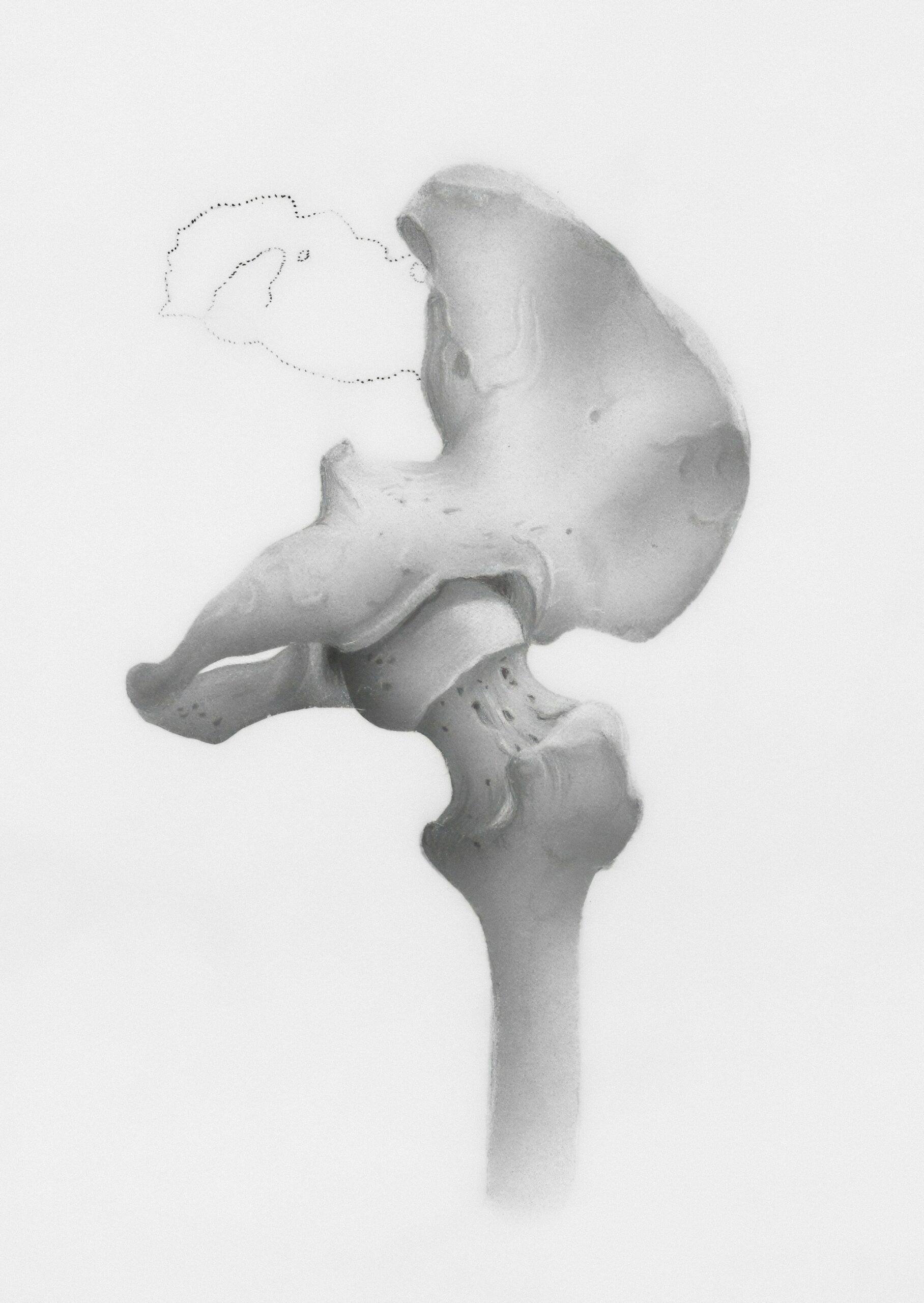
Pelvic floor dysfunction—common in people with endometriosis—can cause urinary urgency, constipation, and pain with intercourse. Physical therapy assesses strength, coordination, and resting tone, then uses exercises, manual techniques, biofeedback, and education to restore function and reduce symptoms. We cover this further in Advantages of Physical Therapy for Endometriosis Management.
Research shows pelvic floor physiotherapy can improve urinary, bowel, and sexual function, especially in cases of deep infiltrating endometriosis.
Treatment may combine targeted exercise, hands-on release, biofeedback to improve awareness, and practical advice on toileting and lifestyle—each chosen to meet the individual’s goals.
What treatments help with bladder and bowel issues in endometriosis?
- Pelvic floor exercises
Strengthening and coordination exercises can help reduce incontinence and improve bowel emptying. - Biofeedback therapy
Visual or auditory feedback helps people learn to relax or contract their pelvic floor muscles more effectively. - Dietary modifications
Adjusting fiber, hydration, and meal timing can help alleviate gastrointestinal symptoms that exacerbate pelvic pain.
These options are often combined into a comprehensive program addressing pelvic function and lifestyle contributors.
How can physical therapy reduce painful intercourse?
Pain with intercourse (dyspareunia) is common. Physical therapy helps reduce pelvic muscle tension, improves coordination, and teaches paced exposure techniques. Education about positioning, gradual desensitization, and communication with partners is typically part of care. You may also find Discover Physical Therapy Benefits for Endometriosis Relief helpful.
Treating physical contributors while supporting emotional and interpersonal aspects offers a balanced approach to reducing pain during intimacy.
What role does physical therapy play in pre- and post-operative care for endometriosis surgery?

Physical therapy supports surgical outcomes by preparing the body before surgery and guiding recovery afterward. Pre-operative work can enhance mobility and tissue readiness; post-operative rehabilitation focuses on pain control, scar management, and restoring standard movement patterns to minimize recurrence.
How does physical therapy support recovery after excision surgery?
After excision, physical therapy focuses on gentle mobility, progressive strengthening, and hands-on techniques to reduce pain and restore normal movement. Therapists pace activity and tailor exercises to protect healing tissues while regaining function.
The goal is a safe and efficient return to daily life, accompanied by strategies to manage pain and prevent compensatory movement patterns.
What are the benefits of scar tissue management through physical therapy?
Scar tissue techniques—targeted manual therapy and mobility exercises—help soften adhesions, improve range of motion, and reduce tension that can perpetuate pain.
Effective scar management often enhances mobility, alleviates discomfort, and promotes improved long-term function after surgery.
In summary, physical therapy is a crucial component of multidisciplinary care for endometriosis. Targeted manual techniques, individualized exercise programs, and clear education help many patients reduce pain and improve daily function. At the Endometriosis Center of Excellence, Dr. Rachael Ann Haverland and our team develop personalized plans that integrate physical therapy with other medical and surgical treatments to support recovery. Scheduling an evaluation is a practical next step if you’re seeking focused, multidisciplinary care.
Frequently Asked Questions
What should I expect during my first physical therapy session for endometriosis?
Your first session includes a thorough intake, a review of your symptoms, and a physical exam focused on posture, hip and pelvic mobility, and pelvic floor function. The therapist will explain the findings, answer questions, and develop a personalized plan that may include gentle manual therapy and home exercises.
How often should I attend physical therapy sessions for endometriosis?
Frequency depends on symptoms and goals. Many patients begin with one to two visits per week, then taper as they learn self-management and progress.
Can physical therapy help with the emotional aspects of living with endometriosis?
Yes. Physical therapy includes education, pacing, and coping strategies, and therapists often coordinate with mental health professionals to address the emotional impact of chronic pain.
Are there any risks associated with physical therapy for endometriosis?
Physical therapy is generally safe; some people experience temporary soreness after hands-on work or new exercises. Therapists monitor symptoms closely and adjust treatment as needed.
How long does it take to see results from physical therapy for endometriosis?
Response varies. Some patients notice improvement within a few sessions, while others require several weeks of consistent therapy and home practice. Progress depends on symptom severity, adherence, and coordination with other care.
Can I continue physical therapy after surgery for endometriosis?
Yes. Post-operative physical therapy is often recommended to manage scar tissue, restore mobility, and address any residual pelvic floor dysfunction, with rehabilitation tailored to your recovery timeline.
Conclusion
Physical therapy is a practical, evidence-informed option for managing endometriosis-related pelvic pain. Combining manual therapy, pelvic floor training, and patient-centered education helps reduce pain, restore function, and improve quality of life. The Endometriosis Center of Excellence offers individualized, multidisciplinary care. Schedule an evaluation to discuss whether pelvic health physical therapy fits into your treatment plan. If you have questions about your own symptoms, you can schedule an appointment with our endometriosis specialists.