Endometriosis can continue into perimenopause or, less commonly, start after menopause. Its symptoms often overlap with normal aging and other pelvic conditions, which can delay diagnosis. This article describes how endometriosis can present in older women, why it is sometimes missed, and which surveillance and treatment options are most appropriate for postmenopausal patients. You’ll find practical red flags to watch for, a stepwise diagnostic approach that emphasizes targeted imaging and biopsy when indicated, and evidence-based treatment choices — including the roles of surgery and hormone management. We also cover non-surgical symptom control, monitoring for possible malignant change in ovarian lesions, and clear triggers for specialist referral so patients and clinicians can make informed decisions.
What Are the Common Endometriosis Symptoms in Older Women After Menopause?
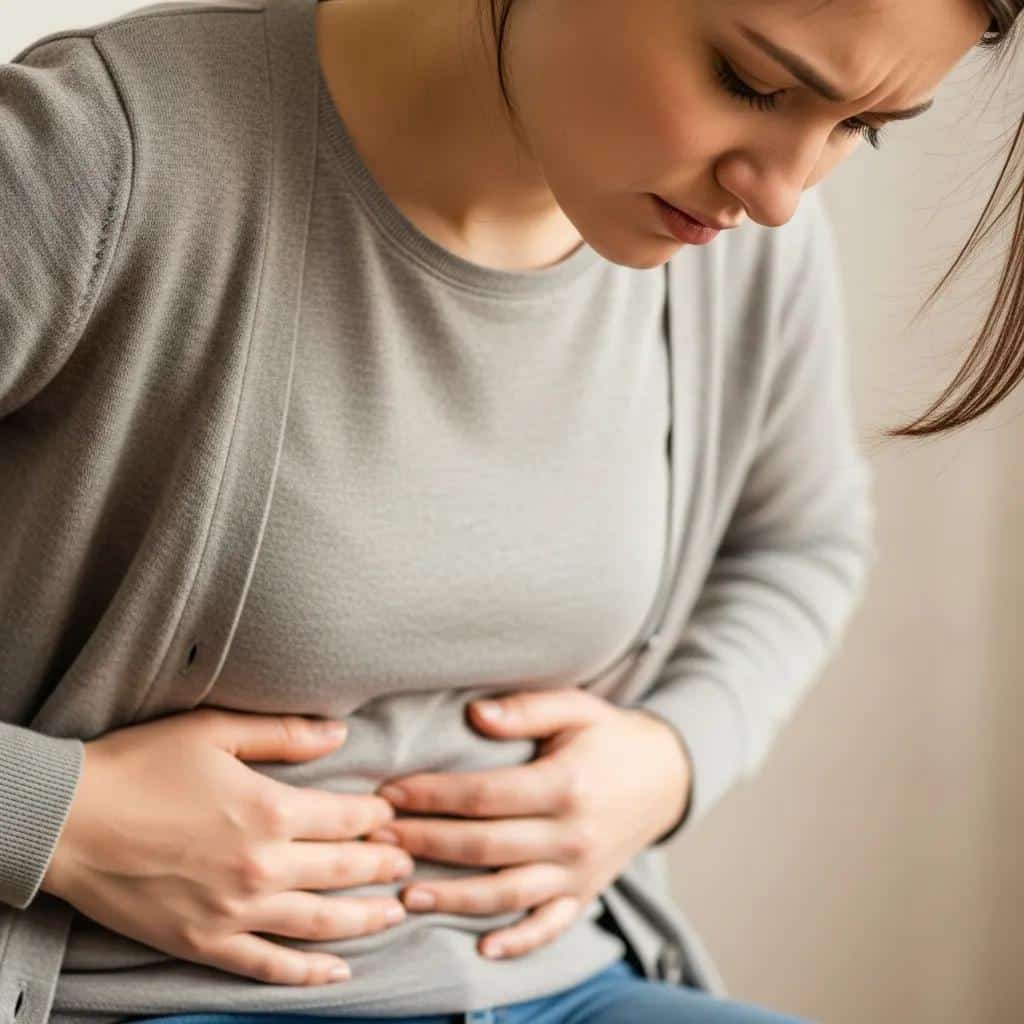
In older women, endometriosis most commonly shows up as chronic, localized pelvic pain, bowel or bladder symptoms, and persistent abdominal bloating often called “endo belly.” Ectopic endometrial tissue, fibrosis, and adhesions cause either cyclical or constant pain and can change bowel and bladder function. Those features frequently resemble other age-related disorders, which is why older patients are often given alternative diagnoses such as IBS or interstitial cystitis before endometriosis is considered. Knowing the common symptom clusters helps clinicians decide when to pursue focused evaluation and targeted imaging.
Watch for these typical symptoms:
- Chronic, focal pelvic pain that may worsen with bowel movements or intercourse.
- Persistent abdominal bloating or distension (“endo belly”) not explained by diet.
- Bowel complaints (constipation, painful bowel movements) and urinary symptoms (urgency, painful urination).
These symptoms deserve evaluation when they are new, getting worse, or accompanied by bleeding or a palpable mass.
Which Pelvic Pain and Bowel or Bladder Symptoms Indicate Endometriosis?
Postmenopausal endometriosis pain is often deep and localized; it may worsen with bowel movements or sexual activity when deep infiltrating disease is present. Bowel implants can cause dyschezia, alternating bowel habits, or partial obstruction; bladder implants can produce urgency, frequency, or pain with urination. Other conditions — like IBS, diverticular disease, pelvic organ prolapse, or interstitial cystitis — can look similar. A careful history that links current pain patterns to prior endometriosis or gynecologic surgery raises suspicion and helps guide focused imaging and timely referral for laparoscopic assessment and biopsy when indicated.
How Does “Endo Belly” and Postmenopausal Bleeding Signal Endometriosis?
“Endo belly” refers to ongoing abdominal distension from adhesions, bowel involvement, and chronic inflammation caused by endometriosis; it can persist even after menopause. Adhesions can tether bowel loops, slow motility, and produce bloating and early satiety that differ from short-lived dietary bloating. New postmenopausal bleeding is an urgent red flag — it may reflect hormonally active residual implants, endometrial pathology, or, rarely, malignant transformation within an endometrioma or other endometrial tissue. Any bleeding after menopause should prompt prompt gynecologic evaluation, including a pelvic exam and targeted imaging, with rapid referral when imaging or symptoms are suspicious.
How Is Endometriosis Diagnosed in Older Women and What Are the Challenges?

Diagnosis relies on clinical suspicion from history and symptom patterns, targeted imaging, and, when necessary, laparoscopy with biopsy. Imaging tools have strengths and limits: transvaginal ultrasound is effective for adnexal masses but can miss deep infiltrating lesions; pelvic MRI offers better soft-tissue contrast and disease mapping. Because noninvasive tests can be inconclusive, diagnostic laparoscopy with histologic confirmation remains the gold standard to confirm endometriosis and to exclude malignancy in suspicious lesions. For these reasons a stepwise approach — history → imaging → laparoscopy/biopsy — is recommended when symptoms persist or red flags appear.
Use this pathway to guide evaluation:
- History and focused pelvic exam: note focal pain, prior endometriosis, and symptom triggers.
- Transvaginal ultrasound: evaluate for ovarian endometrioma and adnexal masses.
- Pelvic MRI: use when ultrasound is inconclusive or deep infiltrative disease is suspected.
- Laparoscopy with biopsy: pursue for definitive diagnosis, symptom control, or to rule out malignancy.
This sequence balances noninvasive assessment with timely escalation to a definitive diagnosis when indicated.
Intro to diagnostic tool comparison table: the table below contrasts common modalities for older and postmenopausal patients, highlighting relative sensitivity and practical considerations for clinicians.
What Diagnostic Methods Confirm Endometriosis After Menopause?
Definitive confirmation after menopause requires histologic diagnosis from laparoscopy with targeted biopsy, demonstrating endometrial-type glands and stroma outside the uterus. Before surgery, clinical assessment and imaging (transvaginal ultrasound, MRI) help localize disease and guide operative planning, but sensitivity varies for deep implants and adhesions. When imaging is unclear but symptoms persist or a pelvic mass is present, laparoscopy offers both diagnosis and treatment. Biopsy is also essential to rule out malignant transformation in ovarian lesions or atypical implants in postmenopausal patients. For more detail, see our article Track Endometriosis Symptoms Effectively: Essential Insights.
How to Differentiate Endometriosis Symptoms from Menopausal and Other Conditions?
Telling endometriosis apart from menopausal or other pelvic conditions depends on symptom quality, location, and associated functional changes. Menopause typically causes hot flashes and vaginal dryness, while endometriosis produces focal pelvic pain, bowel or bladder dysfunction, and possible palpable masses. Conditions like IBS, interstitial cystitis, and pelvic organ prolapse can mimic endometriosis, so focused questions about pain with intercourse, painful bowel movements, and prior surgeries are helpful. Red flags — new postmenopausal bleeding, progressive focal pain, or a growing adnexal mass — should prompt imaging and specialist referral. A coordinated assessment clarifies whether conservative care or surgical evaluation is the best next step.
What Are the Treatment Options for Postmenopausal Endometriosis in Older Women?

Excision surgery is the definitive treatment for symptomatic postmenopausal endometriosis because removing lesions and adhesions reduces pain and lowers recurrence risk while providing tissue for histologic review to exclude malignancy. For patients who are not surgical candidates or prefer conservative care, hormonal options — including progestogens, aromatase inhibitors, or carefully tailored hormone replacement strategies — can control symptoms but carry specific risks and must be individualized. Multidisciplinary care, with input from pain specialists and pelvic floor therapists, supports recovery and function. Treatment selection depends on symptom severity, lesion location, comorbidities, and concerns about malignancy. For more detail, see our article Endometriosis: Symptoms, Causes, and Treatment.
Key treatment options include:
- Excision surgery: complete removal of implants and adhesions with histologic assessment.
- Hormonal strategies: individualized HRT plans, progestogens, or aromatase inhibitors when appropriate.
- Supportive care: analgesics, pelvic floor physical therapy, and lifestyle measures to improve function.
This comparison table summarizes indications, likely outcomes, and considerations for common treatments in older women.
For patients considering definitive treatment, the Endo Excellence Center offers specialist evaluation with an emphasis on excision surgery led by Mayo Clinic–trained, board-certified surgeon Dr. Rachael Haverland. The practice focuses on personalized, multidisciplinary care and minimally invasive techniques for complex cases in older patients.
Why Is Excision Surgery Considered the Gold Standard for Older Women?
Excision removes visible endometriotic implants and adhesions, treating the underlying source of inflammation, mechanical pain, and organ dysfunction — which typically gives more durable relief than ablation or medical therapy alone. In older women, excision also provides tissue for pathologic review to exclude neoplastic change in ovarian endometriomas or atypical implants, a key safety consideration. Optimal results depend on surgeon experience and minimally invasive techniques to reduce complications, preserve organ function when appropriate, and plan postoperative surveillance. Preoperative MRI mapping and multidisciplinary planning are often part of care when bowel or bladder involvement is suspected.
How Does Hormone Replacement Therapy Affect Endometriosis After Menopause?
Hormone replacement therapy (HRT) eases menopausal symptoms but can reactivate residual endometriosis if estrogen is given without sufficient progestogen protection. Estrogen can stimulate ectopic endometrial tissue and potentially worsen pain or lesion growth. Practical strategies include combined estrogen–progestogen regimens or progestogen-only approaches to reduce risk; aromatase inhibitors are an option in select cases but need specialist oversight for side effects. Any decision about HRT in patients with current or prior endometriosis should follow an individualized risk–benefit discussion and close monitoring with a gynecologic specialist. Read more in Essential Symptoms of Endometriosis You Should Know.
What Should Older Women Know About Living with Endometriosis After Menopause?

Living well after menopause with endometriosis means managing symptoms, monitoring ovarian lesions, and knowing when to escalate care. Non-surgical strategies — pain management, pelvic floor physical therapy, dietary adjustments, and medication optimization — can provide meaningful improvement while avoiding procedural risks. Surveillance focuses on interval imaging and clinical reviews for enlarging adnexal masses or new bleeding, which may prompt diagnostic laparoscopy and biopsy. A multidisciplinary approach that addresses both physical and emotional needs improves quality of life and supports shared decision-making about surgery or long-term medical therapy.
Practical supportive strategies include:
- Pelvic floor physical therapy: targeted rehabilitation for pelvic pain and coordination issues.
- Analgesic optimization and neuropathic agents: tailored by pain specialists to address different pain mechanisms.
- Dietary and bowel management: strategies to reduce bloating and stabilize bowel function.
These measures maintain function while surveillance and specialist consultation guide more definitive interventions when needed.
Specialist access note: for patients needing tertiary evaluation, the Endo Excellence Center provides a personalized, multidisciplinary model focused on excision surgery and coordinated supportive care; patients can request an evaluation to discuss individualized surveillance and treatment plans with Mayo Clinic–trained, board-certified expertise.
How Can Non-Surgical Treatments Help Manage Symptoms in Older Women?
Non-surgical care can reduce pain and improve daily functioning through medications and rehabilitative therapies that target inflammation, musculoskeletal contributors, and pelvic floor dysfunction. Pelvic floor physical therapy treats hypertonicity and coordination problems that amplify pelvic pain; analgesics and neuropathic agents address pain signaling. Dietary changes, bowel regimens, and behavioral strategies can reduce “endo belly” and bowel-related flares. These approaches are most effective within a multidisciplinary plan that sets realistic goals and tracks outcomes.
When Should You Seek a Specialist for Endometriosis in Later Life?
Yes — see a specialist when red flags or progressive symptoms suggest deep disease, a mass, or malignancy risk. Triggers for referral include:
- New postmenopausal bleeding: requires immediate gynecologic assessment.
- Progressive or severe focal pelvic pain: interfering with daily activities or unresponsive to conservative care.
- Enlarging adnexal mass or suspicious imaging: needs surgical evaluation and biopsy.
- Significant bowel or bladder dysfunction: suggesting deep infiltrating disease that benefits from multidisciplinary management.
At a specialist visit expect a focused history, directed exam, imaging review, and discussion of laparoscopy with possible excision and biopsy. For patients seeking evaluation, the Endo Excellence Center offers consultations with board-certified, Mayo Clinic–trained clinicians and a focus on excision surgery; scheduling an evaluation can clarify diagnostic and treatment options and create a personalized care plan.
Frequently Asked Questions
What lifestyle changes can help manage endometriosis symptoms in older women?
Simple lifestyle changes can make a meaningful difference. Regular low-impact exercise improves overall well-being and can reduce pain. Anti-inflammatory dietary choices, staying well-hydrated, and managing portion size may ease bloating and bowel symptoms. Stress-reduction practices — for example, mindfulness, yoga, or breathing exercises — can lower pain perception. Pelvic floor physical therapy provides targeted relief for many patients. These strategies work best alongside medical care tailored to individual needs.
Are there any specific dietary recommendations for older women with endometriosis?
Dietary advice centers on reducing inflammation and stabilizing bowel symptoms. A diet rich in fruits, vegetables, whole grains, and healthy fats is a good foundation. Sources of omega-3s (fatty fish, flaxseed) may help reduce inflammation. Limiting highly processed foods, excess sugar, and large amounts of red meat can be beneficial. Some patients find symptom relief after reducing gluten or dairy, but responses vary — a nutritionist experienced with endometriosis can help personalize recommendations.
How can older women monitor their endometriosis symptoms effectively?
Keeping a symptom diary helps track frequency, intensity, and triggers. Record pain episodes, bowel and bladder changes, and any bleeding or new masses. Note diet, stress, activity, and medications to identify patterns. Regular follow-up with your clinician allows timely adjustments to the care plan. This proactive tracking supports earlier intervention when symptoms change. For more detail, see our article Essential Tips for Endometriosis Symptom Tracking Success.
What role does mental health play in managing endometriosis in older women?
Mental health is a key part of comprehensive care. Chronic pain and the stress of managing a long-term condition can contribute to anxiety, depression, and reduced quality of life. Counseling, support groups, and mind–body practices such as mindfulness or gentle movement can improve coping and resilience. Addressing emotional health alongside physical symptoms yields better overall outcomes.
What should older women know about the risk of malignancy with endometriosis?
The overall risk of malignancy arising from endometriosis is low, but older women should be vigilant. Ovarian endometriomas and atypical implants carry a small risk of malignant transformation. New postmenopausal bleeding or changes in established symptoms should prompt prompt evaluation. Regular surveillance with clinical exams and imaging when indicated helps detect suspicious changes early. A specialist can advise on the appropriate monitoring schedule based on individual risk. To discuss your situation with a specialist, schedule an appointment at our center.
How can older women find support for living with endometriosis?
Support improves coping and quality of life. Peer support groups — in person or online — connect you with others who understand the challenges. Your healthcare team can point to educational resources and local organizations focused on endometriosis. Specialized centers like the Endo Excellence Center offer multidisciplinary care tailored to older patients, combining surgical expertise, pelvic rehabilitation, and supportive services.
Conclusion
Recognizing and addressing endometriosis in older women is essential to reduce symptoms and protect quality of life. By watching for key signs, following an appropriate diagnostic pathway, and discussing personalized treatment options with a specialist, patients can make informed decisions about care. The Endo Excellence Center offers expert, multidisciplinary evaluation and a focus on excision surgery when appropriate. If you’re experiencing persistent pelvic pain, new postmenopausal bleeding, or an enlarging pelvic mass, consider scheduling a consultation to review your options. For more detail, see our article Recognizing Endometriosis Symptoms in Women.