
Endometriosis affects about 10% of women of reproductive age globally, often going undiagnosed for eight to ten years, which delays relief and can impact fertility. Knowing the right questions to ask your doctor about endometriosis diagnosis can help speed up accurate assessment and access to expert care. This guide covers eight crucial areas: describing your symptoms, diagnostic tests, treatment plans, fertility considerations, preparing for appointments, choosing specialists, long-term symptom management, and the latest research. Each section provides targeted questions to help you understand the condition, its treatments, and personalized strategies, ensuring you and your gynecologist or endometriosis specialist are aligned on the best path forward for relief and your reproductive goals. You may also find Choosing Your Endometriosis Specialist: A Guide to Finding the Right Fit helpful.
What Symptoms Should I Describe to Help Diagnose Endometriosis?

Clearly describing your symptoms helps your doctor identify patterns related to endometriosis, aiding in timely diagnosis and treatment. Communicating the location, timing, and impact of your pain precisely improves the accuracy of clinical evaluations and imaging recommendations.
Which Pelvic Pain and Menstrual Symptoms Indicate Endometriosis?
Pelvic pain that worsens before or during your period, discomfort during deep intercourse, and heavy or irregular bleeding are common signs. Menstrual cramps may extend to your lower back or thighs, while pain during sex can feel like sharp twinges. Recognizing these patterns helps your doctor connect your symptoms to potential endometrial tissue growth outside the uterus.
How Can I Track and Communicate Symptom Severity Effectively?
Maintaining a symptom journal that records the date, intensity (on a scale of 1 to 10), and how symptoms affect your daily activities provides a clear overview of your endometriosis flare-ups and how treatments are working.

When Should I Seek Medical Help for Suspected Endometriosis?
Consult a doctor if pelvic pain interferes with your daily life, if you experience persistent heavy bleeding, or if you have bowel or bladder discomfort that coincides with your period. Seeking help early, especially when pain scores are high (above 5 out of 10), can lead to prompt imaging and specialist referrals, potentially slowing disease progression and preserving fertility.
How Is Endometriosis Diagnosed: What Tests and Procedures Should I Ask About?
Understanding the diagnostic process helps clarify how imaging and tissue analysis confirm endometriosis, ensuring you receive a thorough evaluation rather than a general diagnosis for pelvic pain.
What Role Do Pelvic Exams, Ultrasound, and MRI Play in Diagnosis?
A pelvic exam allows your doctor to check for tenderness or lumps that might indicate endometriosis. A transvaginal ultrasound can visualize ovarian cysts, while an MRI provides detailed images of deeper lesions. These non-invasive tests help in planning for surgery and mapping the extent of the disease.
Why Is Diagnostic Laparoscopy Considered the Gold Standard?
Diagnostic laparoscopy offers a direct view of endometrial implants and allows for biopsies, confirming the diagnosis through tissue analysis. This minimally invasive surgery not only provides a definitive diagnosis but also allows for immediate removal of lesions, potentially leading to better long-term pain relief and improved fertility outcomes.
How Can I Confirm My Doctor’s Experience with Endometriosis Diagnosis?
Ask about the number of laparoscopies they perform annually, their complication rates, and if they use advanced imaging techniques. Inquire if they work with radiologists who specialize in interpreting pelvic MRIs, indicating a comprehensive approach that enhances diagnostic accuracy.
What Treatment Options Should I Discuss for Managing Endometriosis?
Exploring medical, surgical, and complementary therapies helps you understand how to manage lesion growth and pain, enabling a personalized plan that supports your quality of life and reproductive goals.
What Are the Benefits and Risks of Medical Treatments Like Hormone Therapy and NSAIDs?
Hormone therapies, such as birth control pills, progestins, or GnRH agonists, can reduce estrogen’s role in lesion growth, decreasing inflammation and pain. Nonsteroidal anti-inflammatory drugs (NSAIDs) help alleviate cramping and pelvic discomfort by reducing inflammation. Potential side effects, like mood changes, headaches, or irregular bleeding, should be discussed with your doctor based on your health history.
When Is Surgical Treatment Recommended and What Does It Involve?
Surgery, typically laparoscopic excision, is often recommended if medical treatments don’t manage severe pain or if preserving fertility is a priority. During this procedure, a surgeon removes lesions and scar tissue while protecting healthy organs. In some cases, ablation or hysterectomy might be considered depending on the extent of the disease and your future family plans.
Are There Alternative or Complementary Therapies That Can Help?
Dietary changes focusing on anti-inflammatory foods rich in omega-3s, along with specialized pelvic floor physical therapy and stress management techniques, can help control pain and improve physical function. Mind-body practices like yoga, acupuncture, and mindfulness can also support overall well-being and reduce pain sensitivity.
How Is My Treatment Plan Personalized to My Symptoms and Goals?
Your doctor should tailor your treatment plan based on your symptom severity, the stage of endometriosis, and your fertility goals. This personalized approach may involve a combination of medical treatments, surgery, and lifestyle adjustments, with regular check-ins to ensure effectiveness and manage side effects.
How Can Endometriosis Affect Fertility and What Questions Should I Ask About It?
Endometriosis can impact egg quality and pelvic structure, affecting your ability to conceive. Discussing fertility concerns early can lead to timely interventions that support your reproductive journey.
What Is the Link Between Endometriosis and Infertility?
Endometriosis can cause scar tissue and inflammation that interfere with the egg’s journey to the fallopian tubes, potentially reducing natural conception rates by up to 50% in moderate to severe cases. Inflammatory substances may also affect egg quality and the ability of an embryo to implant.
What Fertility Preservation Options and Assisted Reproductive Technologies Are Available?

Options include freezing eggs or embryos before surgery, as well as in vitro fertilization (IVF) tailored for endometriosis patients. Removing endometriosis lesions surgically can improve IVF success rates by restoring pelvic anatomy and reducing inflammation.
How Should I Discuss Fertility Goals with My Doctor?
Share your desired timeline for pregnancy and any concerns about your ovarian reserve. Ask about tests like anti-Müllerian hormone (AMH) levels and antral follicle counts, and inquire about referrals to fertility specialists to integrate fertility preservation into your endometriosis care plan.
How Do I Prepare for My Endometriosis Doctor’s Appointment to Get the Most Accurate Diagnosis and Care?
Being well-prepared for your appointment ensures your specialist has all the necessary information for an accurate diagnosis and effective treatment plan, facilitating shared decision-making.
What Information Should I Bring and How Should I Describe My Symptoms?
Gather your symptom journal, menstrual history, previous imaging reports, and any surgical records. Describe when your symptoms started, how long they last, and what makes them better or worse. Note any bowel or bladder issues, using clear language and severity scales to explain their impact.
Which Questions Should I Prioritize During My Consultation?
Focus on key questions about diagnostic methods (“What imaging tests will best show my endometriosis?”), treatment options (“When should I consider surgery?”), and the support team (“Will I work with a pelvic floor therapist or pain specialist?”). Prioritizing these ensures a productive conversation. For more detail, see our article Essential Questions to Ask During Endometriosis Assessments.
How Can I Advocate for a Second Opinion or Specialist Referral?
If you feel your current recommendations aren’t specific enough, ask for a referral to a gynecologist with advanced laparoscopic excision training. Explain that endometriosis is complex and that seeking expertise from a multidisciplinary team can lead to better outcomes.
What Should I Ask an Endometriosis Specialist or Surgeon About Their Experience and Approach?
Understanding a surgeon’s expertise and the clinic’s approach helps ensure you receive the best possible care and support.
How Many Endometriosis Surgeries Have You Performed and What Is Your Surgical Technique?
Ask about the number of excision surgeries they perform each year, their success rates in removing all lesions, and whether they use advanced tools like high-definition laparoscopy or robotic assistance. Higher volumes and advanced technology often correlate with better results and lower recurrence rates.
What Outcomes Can I Expect From Surgery and What Is the Recovery Process?
Inquire about typical improvements in pain levels, potential impacts on fertility, and how long recovery usually takes. Discuss pain management after surgery, strategies to prevent scar tissue, and the follow-up schedule to ensure a smooth recovery. If you have questions about your own symptoms, you can schedule an appointment with our endometriosis specialists.
How Does a Multidisciplinary Team Support My Comprehensive Care?
Effective endometriosis management often involves a team of specialists, including pelvic floor physical therapists, pain management experts, fertility doctors, and nutritionists. Clarify how these professionals collaborate to address all aspects of your condition, from physical symptoms and pain to reproductive health, ensuring you have complete support. Read more in How to Address Teen Endometriosis Symptoms with a Doctor.
How Can I Manage Endometriosis Symptoms Long-Term and What Lifestyle Questions Should I Ask?

A long-term management strategy goes beyond medical and surgical treatments, incorporating daily habits that help control symptoms, improve mood, and support overall health.
Can Lifestyle Changes Like Diet and Exercise Reduce Symptoms?
An anti-inflammatory diet rich in omega-3 fatty acids, fruits, and vegetables can help manage lesions and hormonal balance. Gentle exercises like swimming and yoga can improve pelvic circulation and reduce muscle tension that may worsen pain.
What Pain Management Strategies Are Effective Beyond Medication?
Techniques such as heat application, deep breathing exercises, and TENS (transcutaneous electrical nerve stimulation) can offer pain relief without medication. Pelvic floor stretches and myofascial release, guided by a professional, can help ease tension and improve movement.
What Are the Chances of Recurrence and How Is Ongoing Care Managed?
Symptoms can return in up to 40% of patients within five years. Ongoing care involves regular check-ups, imaging, symptom monitoring, and adjusting treatments—which might include medication, minimally invasive procedures, or lifestyle changes—to maintain your quality of life.
What Are the Latest Advances and Research in Endometriosis Diagnosis and Treatment I Should Know About?

Staying updated on new diagnostic tools and treatments can help you access the most advanced care and potential clinical trial opportunities.
What New Diagnostic Tools and Minimally Invasive Techniques Are Available?
Robotic-assisted laparoscopy allows for more precise removal of deep infiltrating lesions. Advanced imaging like contrast-enhanced ultrasound and high-field MRI offer more detailed views of implants. These innovations aim to reduce surgical impact and improve lesion detection.
Are There Novel Medical Therapies or Non-Hormonal Treatments?
New non-hormonal medications are being developed to target inflammation and blood vessel growth in lesions, potentially shrinking them without affecting overall hormone levels. Investigational drugs, including selective progesterone receptor modulators and immune-modulating biologics, are showing promise in clinical studies.
How Can I Stay Informed About Research and Support Resources?
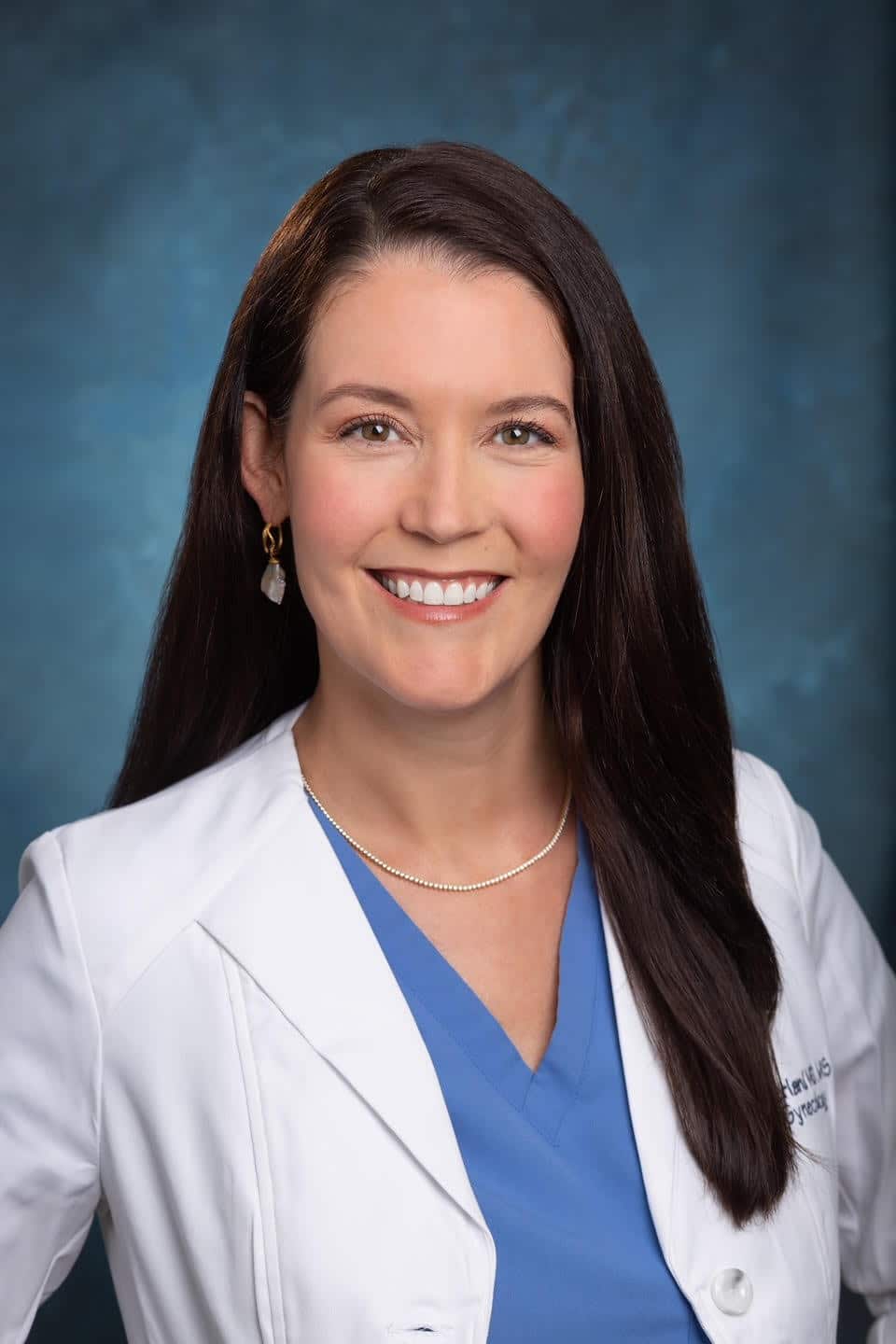
Connect with patient advocacy groups, sign up for updates from major research foundations, and follow relevant medical journals. Attending webinars and support group meetings can also keep you informed about the latest developments and connect you with a supportive community. Learn more about Dr. Rachael Haverland, our endometriosis surgeon.
Endometriosis requires a precise, personalized approach that combines expert diagnosis, effective treatment, and proactive lifestyle choices. By asking these important questions, you can partner effectively with your doctor and care team, gaining clarity on imaging, surgical options, fertility preservation, and long-term management. For comprehensive evaluation, advanced surgical expertise, and integrated support, contact the specialists at the Endo Excellence Center. Our team is dedicated to helping you regain your health, find pain relief, and achieve your fertility goals. You may also find Essential Questions to Ask Your Doctor for Endometriosis Care helpful.