
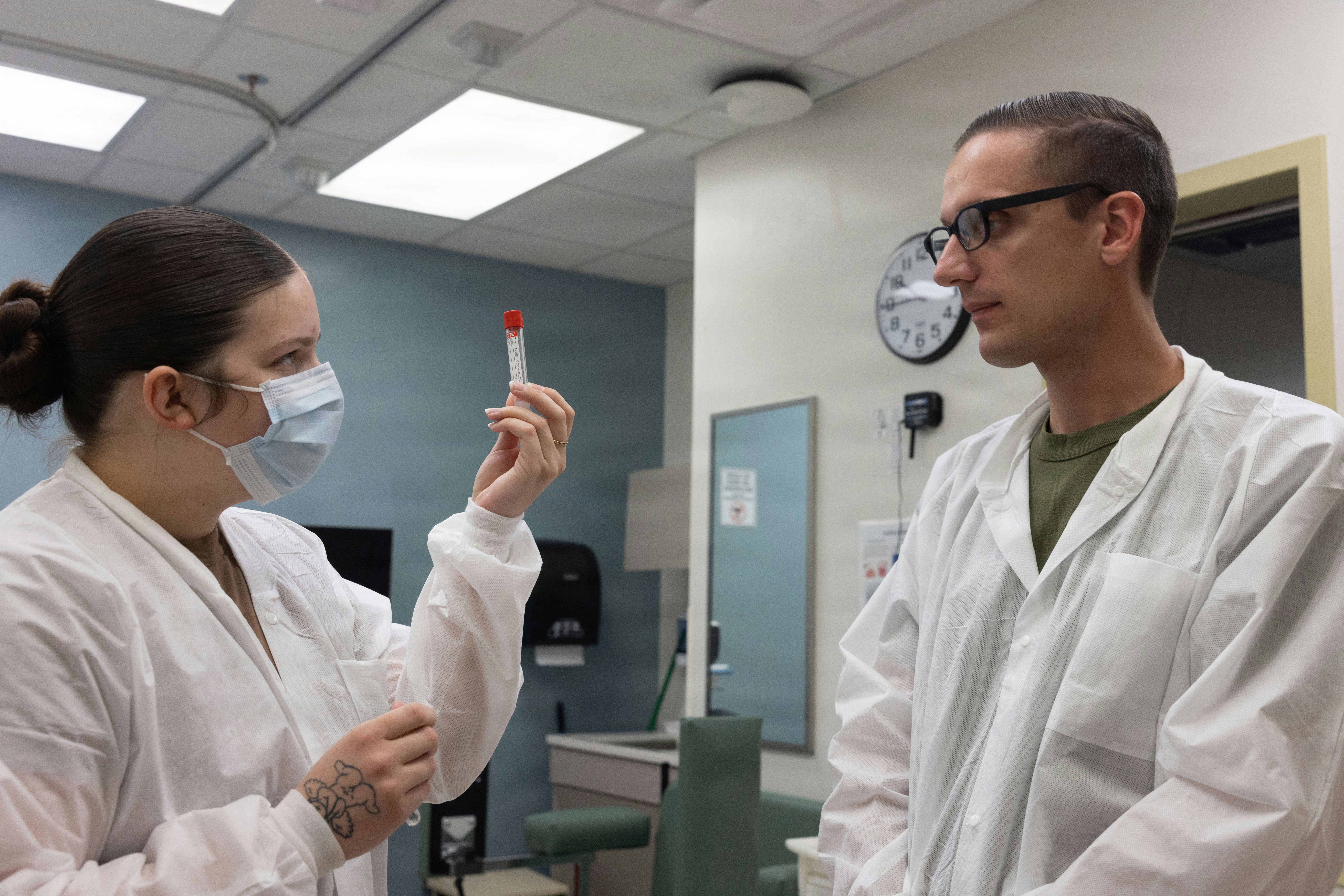
Endometriosis, a persistent gynecological condition where tissue akin to the uterine lining develops outside the uterus, can lead to significant pain and fertility challenges, affecting roughly 10 percent of women of reproductive age globally. Advancements in early laboratory testing for endometriosis detection hold the promise of shortening the typical six- to ten-year diagnostic journey by identifying key biomarkers in blood samples even before surgical confirmation.
In this comprehensive guide, you will explore how established biomarkers like CA-125 function, delve into promising new non-invasive assays such as DotEndo and electroviscerography, understand how blood tests complement imaging and laparoscopy, and learn when it’s time to seek specialized care at leading centers like the EndoExcellence Center. This article covers:
- An overview of endometriosis and the profound impact of delayed diagnosis
- Current and investigational blood tests for endometriosis
- The role of innovative non-invasive diagnostic methods
- Diagnostic pathways that integrate laboratory results, imaging, and surgical evaluation
- Future directions in research and personalized treatment strategies
- When to consult an endometriosis specialist
- Answers to frequently asked questions about blood tests for endometriosis
Understanding Endometriosis and the Urgency of Early Diagnosis
Endometriosis is recognized as a systemic condition where endometrial-like tissue grows beyond the uterus, triggering inflammation, scarring, and adhesions that can compromise reproductive health. Identifying endometriosis early is key to improving pain management, preserving fertility, and minimizing the need for extensive invasive procedures.
What Exactly Is Endometriosis? Its Prevalence and Impact
Endometriosis develops when estrogen-sensitive tissue implants, often found on the ovaries, fallopian tubes, or pelvic lining, initiate chronic inflammation and pain. Affecting nearly 190 million women globally, it can present with symptoms like severe menstrual pain, painful intercourse, and infertility. This ectopic tissue responds to monthly hormonal cycles, leading to lesion growth and scar tissue formation that can impair organ function and significantly diminish quality of life. Understanding these pathological processes highlights why research into blood biomarkers aims to detect systemic inflammatory signals before lesions necessitate surgical confirmation.
What Are the Common Signs and Effects of Endometriosis?
The symptoms of endometriosis can vary widely but frequently include:
- Intense menstrual cramps and pelvic pain that extend beyond menstruation
- Persistent lower back pain and discomfort during intercourse
- Heavy or irregular bleeding that interferes with daily life
- Bloating, digestive issues, and chronic fatigue
- Reduced fertility due to adhesions and diminished ovarian reserve
These manifestations profoundly affect physical well-being, emotional health, and personal relationships, making early detection essential for timely and effective intervention.
Why Does Diagnosis Take So Long, and How Does This Affect Patients?
The delay in diagnosing endometriosis often stems from symptom overlap with other conditions, variations in pain perception, and the historical reliance on laparoscopy as the definitive diagnostic method. This prolonged waiting period, averaging 6–10 years, allows lesions to progress and increases the risk of developing chronic pain syndromes and infertility. Addressing this diagnostic gap requires reliable blood tests that can offer valuable insights during the initial clinical assessment, paving the way for personalized management and prompt referral to specialized care at centers experienced in endometriosis, such as the EndoExcellence Center.
Current Blood Tests for Endometriosis Diagnosis

Blood tests for endometriosis diagnosis work by analyzing circulating biomarkers associated with inflammation, immune responses, and tissue remodeling. By measuring specific antigens and cytokines, these tests aim to identify the presence of ectopic endometrial tissue.
Understanding the CA-125 Blood Test and Its Role in Endometriosis
CA-125 is a glycoprotein biomarker that can be elevated in the blood when peritoneal inflammation or endometrial implants disrupt normal tissue structure. Clinicians use CA-125 levels to support a suspected diagnosis in patients experiencing pelvic pain and dysmenorrhea. Levels above 35 U/mL can suggest active disease, prompting further investigation with imaging or surgery. However, CA-125 can also rise in other conditions like ovarian cysts, fibroids, and pelvic infections, meaning it serves as a supportive diagnostic tool rather than a standalone test.
While useful for indicating disease activity, relying solely on CA-125 can prolong the diagnostic process and highlights the ongoing need for more specific blood markers.
What Are the Limitations of CA-125 in Detecting Endometriosis?
The sensitivity of CA-125 for endometriosis ranges from 24 percent in minimal disease to 90 percent in advanced stages, while its specificity for the condition is around 53 percent. False positives can occur due to menstruation, pregnancy, or other non-endometriosis related pathologies. Its inability to pinpoint lesion location or severity restricts CA-125’s role primarily to risk stratification rather than definitive diagnosis, fueling research into complementary biomarkers that can enhance clinical decision-making.
What Other Blood Biomarkers Are Under Investigation?
Researchers are actively evaluating several candidate markers in blood panels:
- Interleukin-6 (IL-6) – a cytokine associated with inflammation, often elevated in active lesions
- CA 19-9 – a carbohydrate antigen showing a moderate correlation with deep infiltrating disease
- Anti-endometrial antibodies – autoantibodies that may indicate an abnormal immune response
When used together in multi-analyte panels, these biomarkers have the potential to improve both sensitivity and specificity. Initial findings suggest that IL-6 levels exceeding 7 pg/mL are linked to pelvic inflammatory activity, while CA 19-9 may offer prognostic value in mapping lesion severity. Investigational panels aim to reduce the reliance on laparoscopy and expedite referrals to specialists.
Exploring Emerging Non-Invasive Blood Tests for Endometriosis
Innovations in proteomics and electrophysiology are leading to the development of next-generation blood tests that promise greater accuracy and earlier detection without the need for surgery.
How Do Advanced Tests Like DotEndo Function?
DotEndo utilizes a proprietary panel of protein biomarkers to simultaneously quantify multiple proteins associated with endometriosis. By employing high-throughput immunoassays on a venous blood sample, this test identifies a unique signature of enzymatic and structural proteins released by ectopic endometrial tissue. Early clinical trials report a sensitivity exceeding 85 percent and a specificity above 80 percent, suggesting DotEndo can effectively differentiate endometriosis from other pelvic conditions and guide timely referral to specialists.
What Is the EndoSure Test, and How Does Electroviscerography Detect Endometriosis?
The EndoSure Test employs electroviscerography to capture myoelectrical signals from pelvic organs using non-invasive surface electrodes. Variations in electrical conductivity and signal patterns, triggered by endometrial implants, generate a diagnostic waveform that is analyzed by sophisticated machine-learning algorithms. This approach bypasses the need for blood collection and allows for real-time assessment of lesion activity, enhancing patient comfort and minimizing procedural risks.
Emerging data supports the integration of these non-invasive assays alongside conventional tests to shorten diagnostic timelines and inform targeted treatment planning.
What Does Current Research Indicate About New Blood Tests for Endometriosis?
Recent publications in respected peer-reviewed journals showcase promising biomarker discoveries, including microRNAs, extracellular vesicles, and metabolomic profiles that can differentiate endometriosis from healthy individuals. Ongoing multi-center trials are focused on validating these markers in larger patient groups, emphasizing reproducibility and cost-effectiveness. As more evidence emerges, next-generation blood tests are poised to redefine standard diagnostic protocols, enabling earlier intervention and personalized care pathways. Read more in How Is Endometriosis Diagnosed? Key Tests Explained.
Integrating Blood Tests into the Endometriosis Diagnostic Journey
Blood tests serve as an initial, non-invasive step within a comprehensive diagnostic sequence that includes clinical assessment, imaging, and laparoscopy. We cover this further in Comprehensive Guide: Endometriosis Assessment Best Practices.
What Are the Key Stages from Symptom Recognition to Diagnosis?
- Symptom Assessment – The patient communicates symptoms like pelvic pain, menstrual irregularities, or infertility to a healthcare provider.
- Laboratory Screening – Blood tests are conducted to measure CA-125 and investigational biomarkers, assessing the risk of endometriosis.
- Imaging Evaluation – Transvaginal ultrasound or MRI is used to identify lesions and guide surgical planning.
- Laparoscopy – A minimally invasive surgical procedure confirms the diagnosis through direct visualization and biopsy.
This structured pathway ensures that laboratory findings inform decisions regarding imaging and surgical timing, thereby reducing unnecessary procedures and optimizing resource allocation.
How Are Blood Tests Combined with Imaging and Laparoscopy?
Results from blood biomarker tests can help prioritize patients for advanced imaging when clinical suspicion is high but ultrasound findings are inconclusive. Elevated CA-125 levels or positive results from multi-marker panels often lead to MRI scans to map deep infiltrating disease. Positive imaging findings then guide laparoscopic exploration, where surgeons can confirm lesion histology and perform excision during the same procedure, streamlining patient care.
What Is the Significance of Laparoscopy as the Gold Standard?
Laparoscopy remains the definitive diagnostic and therapeutic procedure for endometriosis, offering direct visualization of implants and adhesions and enabling histopathological confirmation. While laparoscopy involves surgical risks, its capacity to both diagnose and treat lesions makes it the cornerstone of management. Blood tests play a crucial complementary screening role, enhancing the effectiveness and timing of surgical interventions. We cover this further in The Crucial Role of Pelvic Exams in Endometriosis Detection.
Limitations and Future Horizons for Blood Tests in Endometriosis Diagnosis
Despite significant progress, blood-based diagnostics for endometriosis remain adjunctive rather than standalone tools. Current assays are best interpreted in conjunction with clinical evaluation, imaging, and, when necessary, laparoscopic confirmation. Variability across patient populations, disease phenotypes, and hormonal states continues to challenge the development of universally reliable biomarkers.
Looking ahead, integration of multi-omics data with machine learning models is expected to refine diagnostic accuracy and enable earlier detection. Collaborative efforts across large, diverse cohorts will be essential to standardize biomarker panels and translate research findings into clinically actionable tests.
Why Are Current Blood Tests Not Yet Definitive?
Blood biomarkers for endometriosis exhibit variable sensitivity and specificity due to overlapping inflammatory pathways shared with other conditions. Single-marker tests like CA-125 lack the specificity to definitively rule out confounders, and multi-analyte panels are still undergoing validation. Furthermore, the inherent heterogeneity in lesion types and distribution complicates the correlation between circulating markers and the stage of the disease.
What Advances Are Anticipated in Biomarker Research?
Future research is actively exploring:
- MicroRNA signatures that can indicate lesion invasiveness
- Extracellular vesicle profiling to identify cell-to-cell communication markers
- Metabolomic fingerprinting to detect systemic biochemical changes
These innovative approaches aim to yield non-invasive assays with over 90 percent accuracy and the capability to monitor treatment response over time, providing dynamic insights into disease progression and remission.
How Can Blood Tests Enhance Personalized Treatment Planning?
Advanced biomarker panels can stratify patients based on lesion subtype (superficial versus deep infiltrating) and inflammatory profile, guiding the selection of targeted hormonal therapies, minimally invasive surgical techniques, or immunomodulatory treatments. By linking diagnostic profiles to tailored interventions, blood tests will facilitate precision medicine approaches that optimize patient outcomes and minimize side effects.
When to Seek Expert Care for Endometriosis Diagnosis and Blood Testing
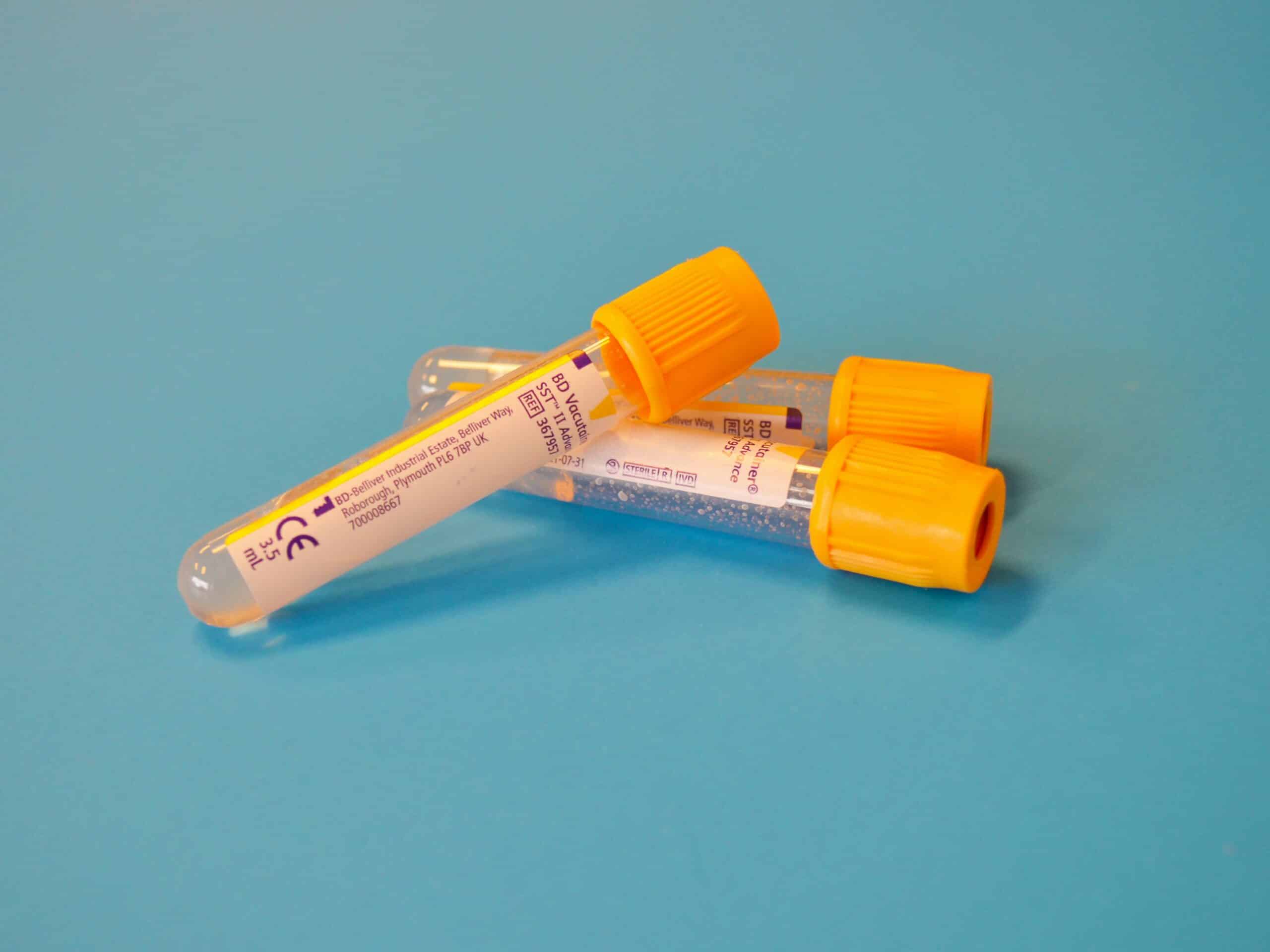
Endometriosis is a complex condition that often goes undiagnosed for years, leaving many women searching for clear answers about their symptoms. While blood tests can provide valuable clues, they cannot confirm endometriosis on their own. Knowing when to move beyond basic testing and seek expert medical care is critical for getting an accurate diagnosis and the right treatment plan. In this article, we’ll explore the role of blood testing in endometriosis, its limitations, and the signs that it’s time to see a specialist for a more comprehensive evaluation. You may also find Effective Endometriosis Tests for Young Women: What to Know helpful.
What Are the Advantages of Consulting an Endometriosis Specialist?
Specialists at centers like the EndoExcellence Center offer integrated expertise across gynecology, pain management, and reproductive endocrinology. They provide:
- Access to cutting-edge blood tests and advanced imaging protocols
- Collaborative treatment planning that combines surgical and medical interventions
- Comprehensive support, including counseling and fertility preservation strategies
Early referral to a specialist can significantly improve diagnostic accuracy and reduce the likelihood of long-term complications.
How Can Healthcare Providers Facilitate Early Referral Using Advanced Blood Tests?
Primary care physicians and gynecologists can incorporate CA-125 and investigational biomarker panels into the initial evaluation of patients presenting with chronic pelvic pain or unexplained infertility. Abnormal results should prompt a referral to specialized centers for confirmatory imaging and potential laparoscopy, ensuring timely and appropriate intervention.
What Are the Subsequent Steps Following Blood Test Results?
After receiving positive or borderline blood test results, patients typically undergo pelvic ultrasound or MRI to pinpoint the location of lesions. If imaging findings align with clinical suspicion, laparoscopy is scheduled for both diagnostic confirmation and lesion excision. Postoperative care often includes hormonal suppression, pain management, and follow-up biomarker monitoring to detect any recurrence early.
Frequently Asked Questions
Can Endometriosis Be Diagnosed Solely Through a Blood Test?
Currently, no single blood test offers a definitive diagnosis for endometriosis. However, a combination of CA-125, IL-6, and emerging biomarkers can significantly aid in early risk assessment and guide further diagnostic steps, including imaging and surgical exploration.
Which Blood Tests Are Indicative of Endometriosis?
Commonly utilized assays include CA-125 and investigational panels that measure markers such as IL-6, CA 19-9, and anti-endometrial antibodies. Next-generation tests like DotEndo analyze multiple protein markers simultaneously to enhance diagnostic accuracy.
What Is the Latest Blood Test for Endometriosis?
DotEndo represents a novel proteomic panel currently in clinical trials, demonstrating over 85 percent sensitivity and 80 percent specificity in detecting endometriosis. Alternative non-blood-based methods, such as electroviscerography tests like EndoSure, utilize myoelectrical signal analysis.
What Is Considered the Gold Standard for Diagnosing Endometriosis?
Laparoscopy, coupled with histological confirmation of endometrial implants, remains the gold standard for definitively diagnosing and simultaneously treating endometriosis lesions.
How Accurate Are Blood Tests for Endometriosis?
Existing blood assays show variable accuracy: CA-125 sensitivity ranges from 24 percent to 90 percent depending on the disease stage, while emerging multi-marker panels like DotEndo report sensitivity and specificity exceeding 80 percent. Continued validation in broader patient populations is essential to confirm these promising results.
Embracing advanced blood tests alongside thorough clinical evaluation can accelerate diagnosis, minimize invasive procedures, and support personalized treatment strategies. As research progresses, non-invasive assays are set to revolutionize endometriosis care, empowering women with timely insights and improving long-term health outcomes. Entrust your journey to relief and reproductive well-being to the specialized expertise found at centers dedicated to endometriosis care. To discuss your situation with a specialist, schedule an appointment at our center.
Conclusion
Advancements in blood testing for endometriosis offer significant benefits, including earlier diagnosis and personalized treatment strategies that can enhance women’s reproductive health. By integrating innovative biomarkers and non-invasive methods, patients can receive timely insights that lead to better management of their condition. If you or someone you know is experiencing symptoms, consider consulting a specialist to explore the latest diagnostic options available. Take the first step towards understanding and addressing endometriosis today. Read more in Managing Symptoms: Benefits of Early Endometriosis Detection.