

Endometriosis often brings persistent pelvic pain, fertility uncertainty, and a long path to diagnosis — factors that raise the risk of anxiety, depression, and social withdrawal. This article outlines how support groups, whether peer-led or professionally facilitated, address these mental health burdens by offering validation, practical coping tools, and clearer routes to clinical care. You’ll find a straightforward explanation of the psychological links between endometriosis and mood disorders, the emotional gains people report from group participation, a comparison of group formats, and guidance for finding trusted resources. We also map how peer support fits alongside multidisciplinary care — from pain management to excision surgery — and offer concrete steps for choosing and engaging with groups safely. Keywords such as support groups for endometriosis patients, endometriosis mental health, and endometriosis peer support are woven through to help readers quickly find patient-centered, evidence-informed guidance for emotional well‑being.
How Do Endometriosis Support Groups Help Improve Mental Health?

Support groups improve mental health by providing emotional validation, hands-on problem solving, and steady social connection — all of which reduce stress and the sense of being alone. Social support functions as a psychological resource: it lowers the perceived threat of chronic pain, strengthens confidence in coping, and increases the likelihood of seeking care when symptoms worsen. Group members share practical tips — better sleep routines, activity pacing, and ways to prepare for medical visits — that translate into small, measurable changes in mood and daily functioning. By hearing others’ stories and sharing effective strategies, participants gain a sense of control and agency that counteracts helplessness and depressive thinking.
Core mechanisms and typical outcomes from active group participation include:
- Emotional validation: Hearing peers’ stories confirms your experience and reduces feelings of being dismissed.
- Shared coping strategies: Practical tips and routines for managing symptoms and stress.
- Reduced isolation: Regular contact builds belonging and lowers loneliness.
- Increased self‑efficacy: Encouragement from peers supports proactive healthcare and self‑management.
These processes work together to improve resilience and day‑to‑day functioning; the next section describes the specific emotional benefits people typically report.
What Emotional Benefits Do Support Groups Provide for Endometriosis Patients?
Support groups offer several meaningful emotional benefits that address common burdens of living with endometriosis, from reducing shame to restoring hope. Many participants say their sense of stigma fades after hearing others describe similar diagnostic delays, pain flares, and fertility worries. Groups also offer hope through concrete recovery and management stories, helping people plan for the future and avoid catastrophic thinking. Practical exchanges — for example, how to talk with an employer or which questions to bring to a clinic visit — lower anticipatory anxiety and build problem‑focused coping. One anonymized vignette: a patient who felt routinely dismissed by clinicians regained confidence after using a peer‑created consultation checklist and then experienced better symptom control and mood.
These personal shifts directly support improved daily functioning and greater emotional stability.
How Can Peer Support Reduce Anxiety and Depression in Endometriosis?
Peer support reduces anxiety and depression by buffering stress through reliable social contact, normalizing physical sensations, and encouraging adaptive behaviors. Members model and practice coping tools — grounding exercises, pacing strategies, and cognitive techniques that resemble CBT — and practicing together increases skill and adherence. Groups also act as informal safety nets, urging members to seek professional mental health or medical help when worrying symptoms, such as insomnia or suicidal thoughts, appear. Repeated social reinforcement of self‑care creates routine and structure that ease anxious rumination and depressive withdrawal.
Regular, consistent engagement in a support group can therefore serve both preventive and active roles in emotional regulation and in linking people to clinical care when needed.
What Types of Endometriosis Support Groups Are Available?
Support groups for endometriosis come in different formats, with varying levels of moderation and focus. Choosing the right type depends on your privacy needs, accessibility, and how deep you want emotional exchange to be. Common formats include asynchronous online forums, scheduled virtual meetings, in‑person local groups, professionally moderated therapy groups, and peer‑led subgroups focused on fertility, recovery, or partners. Each format offers trade‑offs in anonymity, immediacy, and therapeutic structure that affect emotional outcomes and may suit different stages of care.
The table below compares primary group types to help you decide which best fits your situation.
Each format balances access, privacy, and clinical oversight in different ways.
How Do Online Endometriosis Support Groups Help Manage Anxiety?
Online groups can help manage anxiety by providing fast, sometimes anonymous access to peers and curated resources when worry spikes. Many host resource libraries, moderated live chats, and forum threads where members share calming techniques, medication experiences, and tips for navigating care. Anonymity removes barriers for those concerned about stigma, and asynchronous formats allow paced engagement that prevents overwhelm. Clear safety practices — active moderation, community guidelines, and reporting tools — are essential to reduce misinformation and harmful emotional contagion.
When evaluating online groups, prioritize those with consistent moderation, evidence‑informed resources, and a clear code of conduct to protect emotional safety and information quality.
The internet has expanded ways for people with endometriosis to access peer support, and online groups can offer meaningful therapeutic benefits when they are well‑moderated and evidence‑aware.
What Are the Benefits of In-Person vs. Virtual Endometriosis Support Groups?
In‑person groups bring richer nonverbal cues, physical presence, and stronger local ties that build trust and long‑term support. Virtual groups offer broader access to specialized topics and remain inclusive for people with mobility limits, fatigue, or tight schedules. Both formats can aid emotional recovery; the right choice depends on your energy, travel ability, and privacy needs. Many people find a hybrid approach — local meetups for closer connection and online groups for daily support — provides the best balance of intimacy and accessibility.
Weigh your energy levels, scheduling constraints, and need for anonymity when choosing between in‑person and virtual options.
The chronic course and symptom load of endometriosis make low‑burden, accessible supports — like SMS programs — valuable complements to formal care.
How Does Support Group Participation Complement Medical Treatment for Endometriosis?
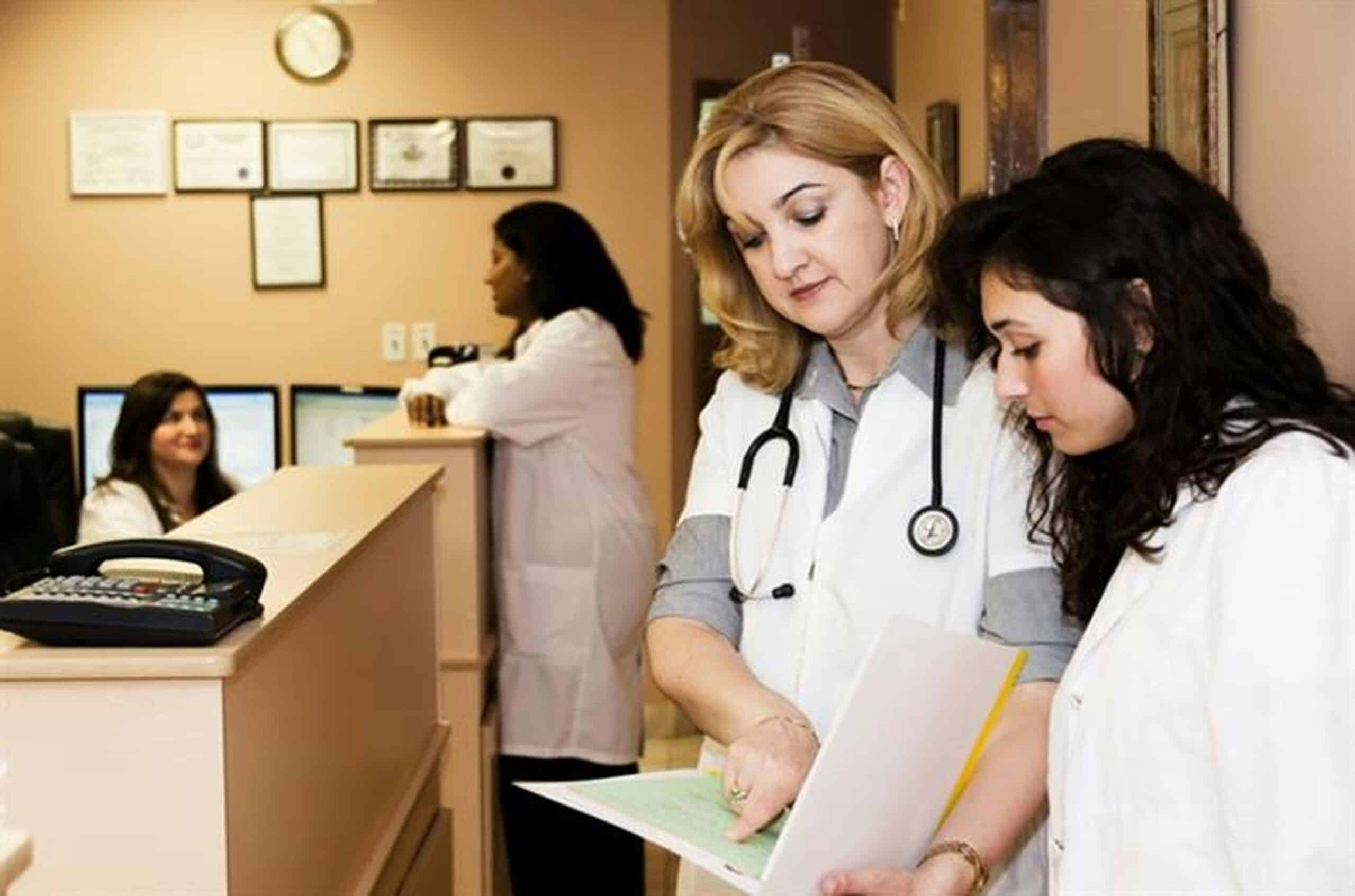
Support groups enhance medical treatment by improving adherence, helping patients prepare for procedures, and supporting recovery through shared strategies and emotional scaffolding.
Groups provide practical preoperative guidance — what to expect from surgery and pain control — which lowers perioperative anxiety and supports clearer recovery planning.
They also reinforce medication routines and physical therapy through peer accountability and problem solving. Crucially, support networks can prompt timely referrals to mental health professionals and pain specialists when emotional symptoms persist, creating a coordinated pathway that runs alongside clinical care. For more detail, see our article Comprehensive Financial Planning for Endometriosis Care.
Below is a concise mapping of clinical services to emotional benefits, illustrating how peer support complements medical treatment.
Clinical care and peer support work together to improve symptoms, adherence, and emotional health.
This mapping shows how clinical interventions change symptoms while peer networks reinforce emotional recovery and help maintain treatment plans.
How Does Multidisciplinary Treatment Address Emotional Well-being Alongside Physical Symptoms?
A multidisciplinary team — surgeons, pain specialists, mental health clinicians, and physical therapists — treats endometriosis as a biopsychosocial condition. Coordinated care improves emotional outcomes by aligning messages about pain trajectories, recovery expectations, and coping tools, which reduces the uncertainty that fuels anxiety. Integrated pathways also make early referral to therapy or support groups easier, creating a continuum where emotional and physical goals are addressed together. This coordination supports better adherence and reduces the burden of navigating fragmented care. You may also find How Support Groups Help With Endometriosis Pain Relief helpful.
Integrated care therefore enhances the benefits of peer support by ensuring clinical and emotional strategies reinforce one another.
What Role Does Excision Surgery Play in Enhancing Mental Health Outcomes?
Excision surgery can significantly reduce pain caused by endometriosis lesions, and relief from pain often correlates with better mood, sleep, and daily functioning — all important to mental health recovery.
It’s important to view surgery as one part of a broader plan that includes rehabilitation, psychological support, and realistic expectation setting — expecting an immediate cure can lead to disappointment. Pre‑ and post‑operative group support helps people anticipate recovery timelines, handle pain flares, and stay emotionally steady during convalescence. For anyone considering specialist surgery, discussing options with a board‑certified surgeon experienced in gold‑standard excision and with a multidisciplinary team supports better long‑term outcomes and resilience.
Endo Excellence Center emphasizes a personalized, multidisciplinary pathway — combining gold‑standard excision, coordinated pain care, and counseling — so patients receive both expert technical care and emotional support. Contact the center to discuss how peer support can be part of your individualized plan.
Where Can Patients Find Reputable Endometriosis Support Groups and Resources?

Finding reputable groups means checking for active moderation, clear privacy safeguards, clinician involvement, and evidence‑based information. Start by confirming a group’s mission, moderation policies, and links to established patient advocacy organizations or healthcare providers. Peer recommendations, clinician referrals, and groups run by respected nonprofits are reliable indicators. Remember that therapy remains essential for people with moderate‑to‑severe mood symptoms, so combine peer support with professional evaluation when anxiety or depression interferes with daily life. We cover this further in Finding Support Groups for Teen Endometriosis Care.
The list below highlights trusted organization types and a quick vetting checklist to identify high‑quality support options.
- National patient advocacy groups: Moderated communities, local chapters, and educational events.
- Clinician‑affiliated groups: Hosted or recommended by healthcare teams and linked to clinical referrals.
- Professionally moderated therapy groups: Led by mental health professionals trained in chronic pain and trauma‑informed care.
- Peer‑to‑peer networks: Large online communities for lived‑experience exchange and resource sharing.
When evaluating any group, check for active moderation, clear privacy policies, clinical connections, and member feedback to ensure safe, evidence‑aware engagement.
What Are Trusted Organizations Offering Endometriosis Support Groups?
Several reputable organizations run or coordinate support options, ranging from moderated online forums to local chapters and educational workshops. Advocacy groups focused on endometriosis typically provide resources for diagnosis, treatment navigation, and emotional support; clinician‑affiliated centers often list recommended local or virtual groups.
Before joining external groups, confirm moderation standards, the availability of educational materials, and whether the group offers specialized tracks (fertility, post‑op recovery, partner support). A simple vetting checklist — moderation, privacy, clinical links, and a clear code of conduct — helps identify groups that prioritize member safety and accurate information.
The pandemic and lockdowns affected access to social support for many people with endometriosis, with measurable impacts on pain perception and emotional well‑being.
How Can Therapy and Counseling Complement Peer Support for Emotional Resilience?
Professional therapy delivers individualized, evidence‑based care — CBT, pain psychology, and trauma‑informed approaches — that target the cognitive and emotional patterns driving anxiety and depression. Support groups normalize experience and teach peer strategies, while therapy addresses intrapersonal issues and co‑occurring mental health conditions that need structured clinical attention. Seek professional therapy if you experience persistent low mood, severe anxiety, sleep disruption, or decline in daily functioning. Combining therapy with peer support reinforces skills learned in sessions, provides social reinforcement, and builds a robust network for sustained emotional recovery. For more detail, see our article Support Groups for Endometriosis: What You Need to Know.
For people seeking coordinated care, Endo Excellence Center pairs multidisciplinary clinical services with guidance on peer resources and counseling referrals to create individualized, integrated support plans.
Frequently Asked Questions
What should I look for when choosing an endometriosis support group?
Look for active moderation, clear privacy rules, and links to trusted organizations or clinicians. Groups with stated missions, a visible code of conduct, and educational resources tend to be safer and more reliable. Recommendations from peers and referrals from your healthcare team are also valuable when vetting options.
How can I engage effectively in a support group for endometriosis?
Start by listening and sharing at a pace that feels comfortable. Be honest about your needs, respect others’ experiences, and offer what helped you. Set small goals — such as attending a few meetings or posting once a week — and consider following up with members privately to build deeper connections when appropriate.
Can support groups help with fertility issues related to endometriosis?
Yes. Support groups provide emotional support, shared experiences, and practical tips for navigating fertility care. Members often exchange information about treatment options, clinician experiences, and coping strategies — all of which can reduce anxiety and help you feel less alone during a difficult process.
What role does emotional support play in managing chronic pain from endometriosis?
Emotional support helps people feel understood and less isolated, which can reduce the psychological burden of chronic pain. Support groups offer coping strategies, social reinforcement of self‑care behaviors, and encouragement to pursue appropriate medical care — all important for improving pain management and quality of life.
How can I find online resources for endometriosis support?
Search for reputable advocacy organizations, clinician‑affiliated programs, and well‑moderated online forums. Healthcare providers and established nonprofits often list vetted groups. On social platforms, prefer communities with clear moderation policies and active administrators who keep resources accurate and safe.
What are the benefits of combining therapy with peer support for endometriosis?
Therapy offers individual, evidence‑based treatment for anxiety, depression, and pain‑related distress, while peer support provides normalization, shared strategies, and social reinforcement. Together they create a stronger, more resilient support system — therapy for targeted clinical care and groups for ongoing lived‑experience support.
Conclusion
Joining an endometriosis support group can meaningfully improve emotional well‑being by providing validation, practical coping tools, and a community that understands the challenges you face. These connections help reduce isolation and anxiety, strengthen resilience, and support better engagement with medical care. Explore our recommended resources to find the right group for your needs, and reach out if you’d like help connecting peer support with your treatment plan. If you have questions about your own symptoms, you can schedule an appointment with our endometriosis specialists.