

Endometriosis commonly causes intense pelvic pain and disruptive symptoms. This concise guide covers practical, evidence-based strategies — surgical, medical, and lifestyle — to reduce pain and improve daily life. It explains how lesions cause discomfort, when excision surgery is beneficial, which medical options alleviate symptoms, and lifestyle steps that support long-term relief.
What is Endometriosis and How Does It Cause Chronic Pelvic Pain?

Endometriosis occurs when tissue resembling the uterine lining grows outside the uterus. These lesions can cause inflammation, scarring (adhesions), and irritation of nearby organs, resulting in pelvic pain during periods, intercourse, bowel movements, or as a persistent ache that affects sleep, work, and relationships. Understanding the biology helps you and clinicians choose treatments that target the main pain drivers.
Specialists stress that endometriosis pain is usually a mix of nociceptive, inflammatory, and neuropathic processes — treating all three improves outcomes.
Recognizing Symptoms and How Pain Develops
Common signs are severe menstrual cramps, persistent pelvic pain, and pain during intercourse. Inflammation from lesions sensitizes nearby tissues and nerves, allowing even minor triggers to cause intense pain. Tracking when pain spikes and what eases it helps tailor a focused treatment plan.
How Inflammation and Lesions Amplify Pain
Lesion-related inflammation releases chemicals that activate nerves and cause swelling. Over time, pelvic nerves become more reactive, so clinicians focus on reducing inflammation and removing problematic lesions to lower nerve sensitization and chronic pain.
How Does Endometriosis Excision Surgery Provide Lasting Pain Relief?
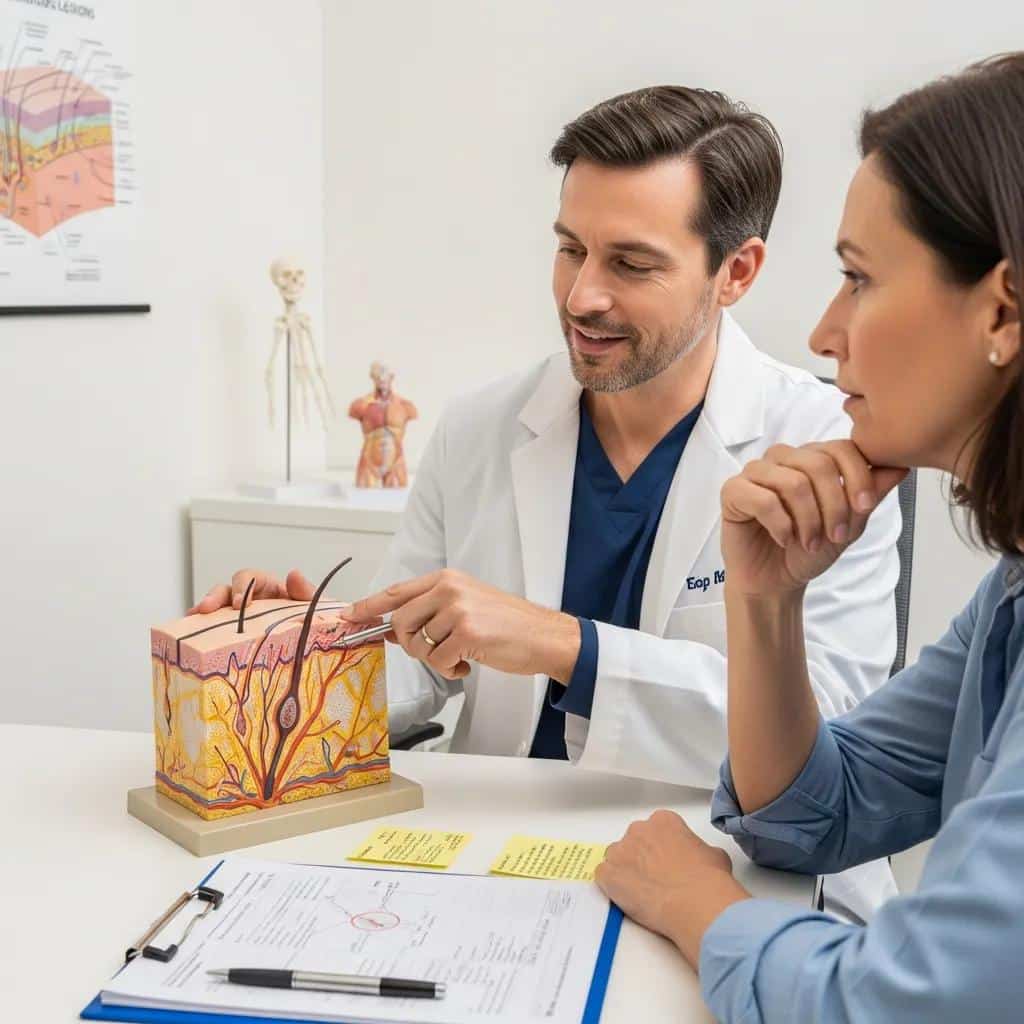
Excision surgery removes lesions and scar tissue rather than only destroying surface tissue. For deep or widespread disease, excision directly targets pain sources and often gives more durable relief than medical therapy alone. When done by experienced surgeons, it can significantly improve symptoms and quality of life.
Benefits of Excision Surgery Compared with Other Treatments
Unlike hormone therapies that suppress lesion activity, excision removes the tissue causing inflammation. This can deliver longer symptom control and, in some cases, improved fertility, although results vary. For lesion-driven, severe pain, excision is often the most effective option.
What to Expect During Recovery After Excision Surgery
Recovery typically begins with several days of soreness, followed by progressive improvement over the next two weeks. Many people resume light activities within a couple of weeks and return to regular routines by four to six weeks, following their surgeon’s advice. Good post-operative care and a gradual return to activity support recovery.
What Medical Therapies Help Manage Endometriosis Pain?

Medical care aims to reduce inflammation, control pain, and limit lesion growth. Options include hormonal medications to suppress cycles and short-term analgesics for flares. Choice depends on symptoms, fertility plans, and side-effect tolerance.
How Hormonal Therapy Reduces Endometriosis Pain
Hormones lower estrogen-driven lesion activity or stop menstrual cycles to reduce lesion stimulation. Common options are combined oral contraceptives, progestins, and GnRH agonists or antagonists. Many patients see less bleeding and smaller lesions, which eases pain.
Role of NSAIDs and Emerging Drug Therapies
OTC NSAIDs (ibuprofen, naproxen) reduce inflammation and cramps for many people. Newer agents (selective progesterone modulators, aromatase inhibitors) target pathways that fuel lesion growth; they are still under study but may help patients who don’t respond to standard care. Discuss the risks and benefits with your healthcare provider.
Which Natural and Lifestyle Remedies Support Endometriosis Pain Management?

Alongside clinical care, lifestyle changes can lower inflammation, build resilience, and reduce symptom severity. Key steps include making dietary adjustments, engaging in regular physical activity, and practicing stress management to support overall health and enhance the effectiveness of other treatments.
How an Anti-Inflammatory Diet Can Help
An anti-inflammatory diet—high in fruits, vegetables, whole grains, healthy fats (such as omega-3s), and fiber—can help reduce systemic inflammation and may ease endometriosis pain. Many patients report benefits after adopting a Mediterranean-style diet and lifestyle. A nutrition professional can tailor changes to individual needs.
Clinical reviews note that adopting an anti-inflammatory eating pattern, such as the Mediterranean diet, is often a helpful first step for reducing endometriosis-related pain.
Which Exercise and Stress-Reduction Techniques Are Effective?
Regular moderate exercise (walking, swimming, gentle strength work) releases endorphins, lowers inflammation, and improves mood. Mind–body practices—such as yoga, meditation, and paced breathing—reduce stress hormones and increase pain tolerance. Small, consistent routines often yield the best results when paired with medical care.
This summary outlines standard medical options, how they work, and their typical effectiveness. Discuss your choices with your care team to develop a plan tailored to your symptoms and goals.
Effective management usually layers targeted medical or surgical care with lifestyle strategies to reduce inflammation and support recovery. With accurate diagnosis and a coordinated plan, many people achieve meaningful relief.
Frequently Asked Questions
What lifestyle changes can help manage endometriosis pain?
Sustainable habits help: regular gentle exercise, stress-reduction (mindfulness, breathing), and an anti-inflammatory diet rich in produce, whole grains, and omega-3s. These support other treatments and can lower symptom frequency and intensity.
Are there alternative therapies for endometriosis pain relief?
Some people benefit from acupuncture, pelvic physical therapy, massage, or certain herbal anti-inflammatories (e.g., turmeric). Evidence varies, so consult your provider before starting new therapies.
How can support groups benefit those with endometriosis?
Support groups offer practical tips, emotional validation, and shared resources about providers and treatments, which can reduce isolation and help decision-making.
What role does mental health play in managing endometriosis pain?
Mental health shapes pain perception. Chronic pain can increase anxiety and depression, which can amplify pain. Therapy, CBT, and stress-reduction techniques build coping skills and improve quality of life.
How can I communicate effectively with my healthcare provider about endometriosis?
Track symptoms, note triggers and relief, list treatments tried, and state your goals (pain control, fertility). Ask specific questions about risks, benefits, and timelines, and consider seeking a specialist or a second opinion if needed.
What are the long-term effects of untreated endometriosis?
Untreated disease can cause persistent pain, lesion progression, adhesions affecting nearby organs, and potential fertility issues, along with mental-health impacts. Early diagnosis and a tailored strategy reduce these risks.
Conclusion
Personalized, multi-pronged care—accurate diagnosis, appropriate medical or surgical treatment, and lifestyle changes to reduce inflammation—gives the best chance of lasting relief. Work with your healthcare team, consider specialist input when necessary, and make gradual, sustainable changes that fit your life and goals.