

Endometriosis that persists or appears after menopause can still shape mental health. Ongoing pelvic pain, fragmented sleep, and low-grade inflammation that sensitizes the nervous system all create pathways to anxiety, depression, persistent fatigue, and cognitive complaints often described as “brain fog.” This article lays out the biological and functional links between those processes and everyday emotional experience, and it explains why treating both physical symptoms and emotional distress matters for quality of life. You’ll find the psychological patterns most commonly seen after menopause, how chronic pelvic pain alters routines and relationships, practical coping steps that mix behavioral and lifestyle approaches, and how excision surgery within a coordinated care plan can support mood and function. We integrate current research and clinical practice points to help patients and caregivers judge when self-care is enough and when a multidisciplinary evaluation is warranted. Throughout, terms such as postmenopausal endometriosis mental health, fatigue, brain fog, and excision surgery mental health outcomes are used to tie mechanisms to practical strategies.
What Are the Common Psychological Effects of Endometriosis After Menopause?

Endometriosis after menopause often triggers a cluster of psychological effects driven by persistent pain, broken sleep, and reduced functional ability. Those mechanisms raise the risk for anxiety, depressive symptoms, fatigue, and slowed thinking—symptoms that together erode daily functioning and resilience. Recognizing these typical presentations helps clinicians and patients choose targeted approaches that connect symptom control with emotional recovery.
The list below summarizes the primary psychological effects commonly reported by older women with endometriosis.
- Heightened anxiety and worry tied to unpredictable pain and limits on activity.
- Ongoing low mood and loss of interest related to long-term symptom burden.
- Fatigue that saps motivation and reduces social participation.
- Cognitive complaints—slower thinking, poor concentration, and memory lapses.
These problems often interact: poor sleep worsens mood, low mood reduces activity, and inactivity deepens fatigue. That overlap is why coordinated treatment that addresses both body and mind is so important.
The table below links common symptoms to the functional impacts clinicians and patients report most often.
This comparison clarifies how each symptom contributes to everyday limitations and why care should target both physical and emotional domains.
How Do Anxiety and Depression Manifest in Postmenopausal Endometriosis?
Anxiety in postmenopausal endometriosis most often shows up as persistent worry about flares, sleepless nights, and uncertainty about what activities are safe. Depression tends to appear as ongoing low mood, reduced enjoyment of formerly meaningful activities, and low motivation. A pain–sleep–mood loop helps explain these patterns: nighttime pain fragments sleep, poor rest increases irritability and low mood, and inflammatory signals can amplify depressive symptoms. Many patients describe rumination and avoidance that increase isolation and deepen distress. Noticing these patterns is the first step toward combining behavioral therapies with medical symptom control to improve overall well‑being.
While symptoms often ease for some women after menopause, research shows anxiety disorders can still be more common in those with a history of endometriosis.
What Role Do Fatigue and Brain Fog Play in Emotional Well-being?
Fatigue and cognitive slowing both result from and contribute to emotional distress in postmenopausal endometriosis. Neuroinflammatory activity, disturbed sleep, and chronic pain reduce sustained attention and processing speed—what many patients call “brain fog.” Functionally, this leads to more workplace errors, difficulty planning, and social withdrawal, which then fuel anxiety and low mood. Focusing on sleep hygiene and gradual, paced activity often improves energy and cognition and creates a healthier platform for emotional recovery.
Fatigue and brain fog in endometriosis are complex and influenced by pain, sleep disruption, and hormonal changes; these complaints can persist despite hormone therapy for some women.
How Does Postmenopausal Endometriosis Impact Emotional Well-being and Quality of Life?

Endometriosis after menopause can touch many areas of life—physical function, sexual health, and self-identity—especially as age-related changes interact with chronic symptoms. Over time these effects can reduce involvement in meaningful roles, strain partnerships, and trigger a sense of loss that goes beyond episodic pain. Pain sensitization, inflammation, and behavioral withdrawal all reduce resilience and social engagement. The sections below outline core quality-of-life domains commonly affected.
- Social participation: Less contact with friends and community activities.
- Occupational functioning: Drops in productivity and more sick days.
- Intimacy and sexual health: Pain-related avoidance and relationship strain.
- Self-identity: Changes in roles and diminished self-concept.
These domains overlap—reduced social contact can worsen depression and slow recovery—so identifying which areas are affected helps direct targeted interventions to restore function and meaning.
Because chronic pelvic pain is a central driver of these changes, understanding pain mechanisms points directly to management strategies that aim to restore activity and relationships.
This table highlights how symptoms translate into life impact and reinforces the need for care plans that treat function, not just pain scores.
In What Ways Does Chronic Pelvic Pain Influence Mental Health After Menopause?
Chronic pelvic pain contributes to mental-health decline by sending repeated nociceptive signals that sensitize central pain pathways and heighten emotional reactivity. Frequent pain episodes break sleep and limit activity, increasing catastrophizing and avoidance behaviors that sustain anxiety and depression. Biologically, pro-inflammatory mediators can alter neurotransmitter systems involved in mood regulation, linking peripheral disease to central emotional changes. Treating pain with both medical and behavioral strategies reduces downstream psychological burden and supports a gradual return to normal activity and mood.
How Do Identity Shifts and Relationship Challenges Arise from Endometriosis?
Identity shifts occur when ongoing symptoms force changes in roles, abilities, and future plans, often producing grief and a revised self-story about health and aging. Relationships can suffer as partners and family members adapt to limits in sexual function, social life, and household roles, creating stress and communication breaks. Practical steps—clear communication, boundary-setting, and couple-focused therapy—can help rebuild intimacy and shared problem-solving. Addressing identity and relationship concerns alongside symptom control supports reintegration into valued roles and reduces secondary emotional symptoms.
What Are Effective Coping Strategies for Managing Mental Health with Endometriosis After Menopause?

Effective coping blends psychological therapy, physical rehabilitation, and lifestyle changes that directly target anxiety, depression, fatigue, and cognitive symptoms. Key mechanisms include reframing pain-related thoughts, stabilizing sleep and activity patterns, and rebuilding conditioning to lower symptom sensitivity. Below we outline practical, evidence-aligned options and how they complement medical care to improve daily functioning.
Here is a concise, prioritized list of core strategies patients can consider integrating into a care plan.
- Cognitive Behavioral Therapy and acceptance-based approaches to change unhelpful pain thoughts and reduce avoidance.
- Graded activity and pelvic-focused physical therapy to restore function and reduce sensitization.
- Sleep optimization and consistent daytime routines to stabilize circadian rhythm and cut fatigue.
- Social support and structured problem-solving to limit isolation and strengthen coping.
These strategies are most effective when coordinated with medical management; combining behavioral and physical treatments raises the chance of lasting gains in mood and function.
Psychological and mind–body approaches are important for symptom management and mental health—especially since endometriosis can persist into postmenopause and meaningfully affect quality of life.
The table below summarizes common strategies, how they work, and the benefits patients can expect for mental health in postmenopausal endometriosis.
This summary shows how each approach targets specific pathways linking endometriosis to mood and cognitive complaints, helping clinicians and patients choose complementary interventions.
Integration note: If symptoms do not respond to conservative care, multidisciplinary specialty teams can align behavioral health, physiotherapy, and surgical evaluation. Endo Excellence Center offers a personalized, multidisciplinary model—including integrated behavioral health and minimally invasive surgical options tailored to older women—led by board‑certified specialist Dr. Rachael Haverland. Patients seeking a coordinated pathway for both physical and emotional recovery should consider a multidisciplinary consultation to outline individualized next steps.
How Can Mindfulness and Therapy Improve Psychological Well-being?
Mindfulness and structured psychotherapies such as CBT or acceptance and commitment therapy reduce the emotional amplification of pain by shifting appraisal and increasing psychological flexibility. These approaches cut rumination, help with sleep onset, and teach behavioral activation to counter withdrawal and low mood. Practical first steps include short cognitive modules, brief bedtime mindfulness practices to support sleep, and referrals to therapists experienced in chronic pain. When combined with physical rehabilitation, psychological therapies speed return to meaningful activities and help sustain mood gains.
What Lifestyle Changes Help Alleviate Anxiety and Depression Post-Menopause?
Lifestyle changes form a foundation for better mental health by improving sleep, energy, and resilience through small, sustainable habits. Regular graded activity tailored to tolerance, consistent sleep–wake schedules, an anti-inflammatory eating pattern, and scheduled social engagement reduce fatigue and blunt depressive symptoms. Simple, measurable goals—short walks, a set bedtime routine, and regular social check-ins—rebuild confidence and mental clarity over weeks to months. When progress stalls, combining lifestyle shifts with therapy or medical treatment increases the chance of meaningful recovery.
This table reinforces how accessible lifestyle shifts can produce measurable improvements in energy, cognition, and emotional well‑being when practiced consistently.
How Does Excision Surgery Improve Mental Health Outcomes in Older Women with Endometriosis?
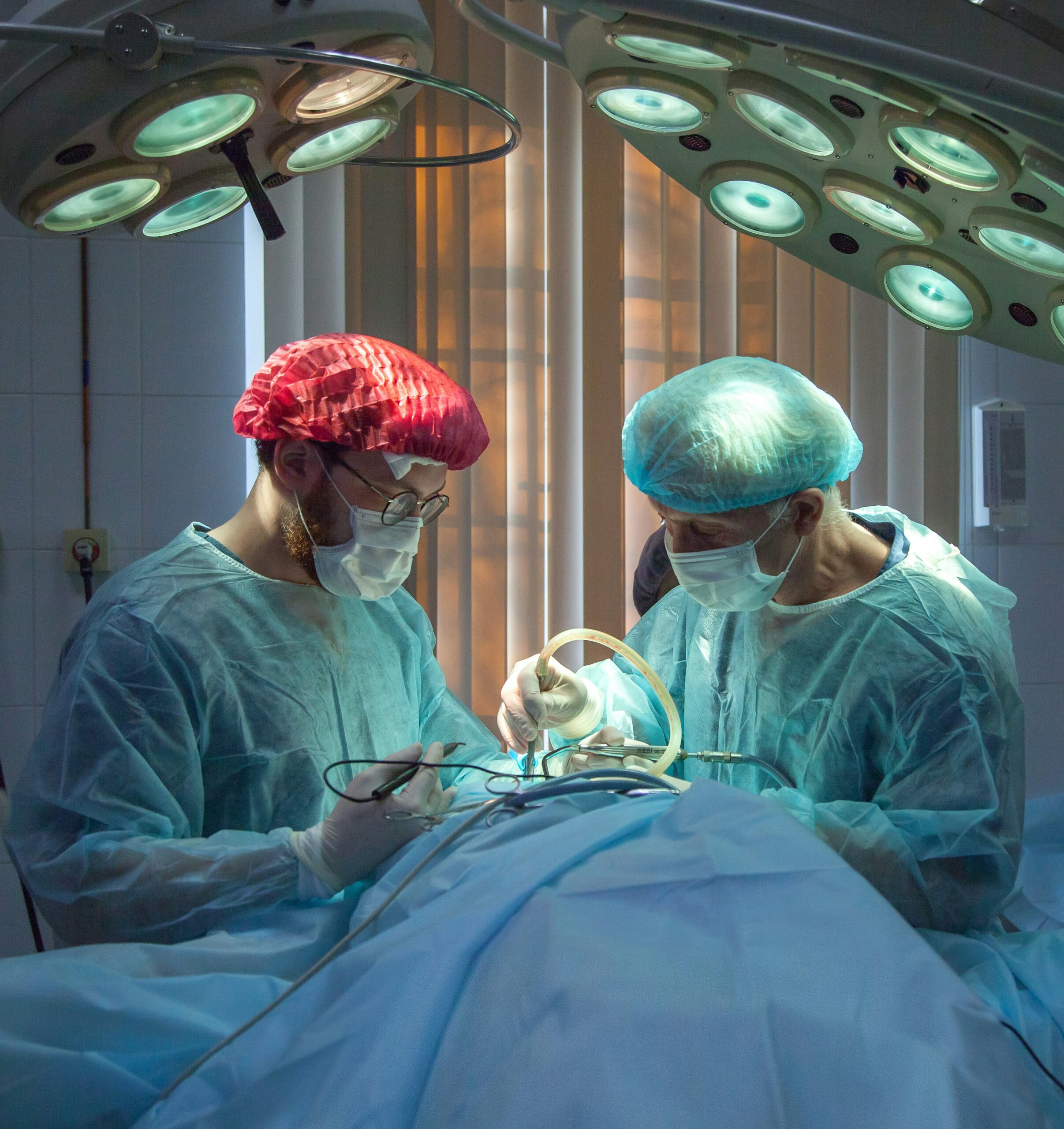
Excision surgery often improves mental health by reducing the ongoing nociceptive signals coming from diseased tissue, lowering inflammation, and restoring function—changes that lessen sleep disruption, fatigue, and mood problems. In plain terms: removing targeted endometriotic lesions can reduce pain signals that keep the nervous system sensitized, allowing sleep and activity to recover and supporting mood improvement. Clinical experience shows that when excision is offered as part of a personalized plan and paired with perioperative psychological and rehabilitative care, many patients report better sleep, lower anxiety, and greater return to valued activities.
This mapping clarifies how surgical and adjunctive care translate into emotional recovery and supports shared decision-making for older patients.
In practice: personalized excision at specialty centers focuses on minimizing tissue trauma and preserving function. Multidisciplinary post‑operative pathways that include physical therapy and behavioral health increase the durability of mental-health benefits. Endo Excellence Center provides individualized excision procedures using minimally invasive techniques and coordinated follow-up that combines pain management and behavioral support under the care of Dr. Rachael Haverland, which improves the likelihood of functional and emotional recovery.
What Is the Role of Multidisciplinary Care in Enhancing Emotional Health?
Multidisciplinary care unites surgeons, mental‑health clinicians, physiotherapists, and pain specialists into a coordinated pathway that addresses the biological, psychological, and social contributors to postmenopausal endometriosis. Treating pain reduction, rehabilitation, and psychological resilience at the same time—rather than one after the other—produces better outcomes. Typical roles include preoperative counseling to set realistic goals, focused physiotherapy to restore pelvic function, and ongoing psychotherapy to maintain coping gains. Coordinated care shortens recovery, reduces relapse into avoidance, and helps prevent the cycle that sustains anxiety and depression.
- Surgeon: Performs targeted excision to reduce nociceptive drivers of mood symptoms.
- Mental-health provider: Offers CBT or acceptance-based therapy to build coping skills.
- Physiotherapist: Restores pelvic and general conditioning to enable activity.
Together these roles form a practical pathway from diagnosis to sustained recovery, helping patients return to daily life with improved mood and energy.
Are There Patient Success Stories Demonstrating Mental Health Improvements?
Anonymized clinical summaries commonly show measurable improvements in mood and function after combined treatment—reduced anxiety, better sleep, and a return to valued activities like work or social hobbies. A typical pattern is early pain relief after excision, followed by improved sleep and gradual resumption of graded activity, which then reinforces mood gains through restored identity and social roles. Individual results vary, but integrated pathways that combine surgical care with rehab and psychological follow-up generally report better long‑term emotional outcomes than single‑modality approaches. These real-world patterns support shared decision‑making that balances surgical benefits with perioperative support.
For patients ready to explore specialty evaluation, Endo Excellence Center offers a multidisciplinary model emphasizing personalized excision surgery, minimally invasive techniques, and integrated behavioral health to address both physical and emotional needs. To discuss individualized care or schedule a consultation with Dr. Rachael Haverland and the multidisciplinary team, call (214) 281-4460 or visit the clinic at 5288 Towne Sq. Dr, Plano TX 75024 for more information and coordinated care planning.
Frequently Asked Questions
What are the long-term effects of endometriosis on mental health after menopause?
Long-term effects can include ongoing anxiety, depression, and cognitive complaints like brain fog. Even when pain lessens for some, the psychological impact of years of symptoms—fatigue, disrupted sleep, and role changes—can persist. Seeking comprehensive care that treats both body and mind helps reduce these long-term effects and improve everyday life.
How can lifestyle changes specifically improve mental health in postmenopausal women with endometriosis?
Lifestyle changes strengthen mental health by improving sleep, energy, and social connection. Regular, paced exercise, a nutritious anti-inflammatory diet, and consistent sleep patterns reduce fatigue and can ease anxiety and depression. Reconnecting with enjoyable activities and supportive people restores purpose and builds emotional resilience.
What role does social support play in managing mental health for those with endometriosis?
Social support is vital. Friends, family, and peer groups offer emotional validation, practical help, and a buffer against isolation. Supportive relationships encourage healthy coping, help maintain treatment plans, and make it easier to seek timely care when symptoms worsen.
Are there specific therapies that are particularly effective for managing anxiety and depression related to endometriosis?
Cognitive Behavioral Therapy (CBT) and mindfulness‑based approaches are effective choices. CBT helps change unhelpful thought patterns and teaches coping skills; mindfulness improves present‑moment awareness and stress tolerance. Both approaches enhance emotional regulation and work well alongside medical and physical therapies.
How does chronic pain from endometriosis affect relationships after menopause?
Chronic pain can strain relationships by limiting intimacy, reducing shared activities, and creating communication challenges. Partners may feel unsure how to help, and this can lead to frustration. Open conversations about needs and limits, clear boundary-setting, and couple-focused counseling or education can help partners adapt and preserve connection.
What are the signs that someone with endometriosis should seek professional mental health support?
Seek professional help if you experience persistent sadness, anxiety, hopelessness, marked changes in sleep or appetite, withdrawal from social life, or difficulty concentrating that interferes with daily functioning. Early intervention improves outcomes and helps build effective coping strategies.
Can surgical interventions improve mental health outcomes for women with endometriosis?
Yes. Excision surgery that reduces pain and inflammation can lead to better sleep, more energy, and improved mood for many women—especially when surgery is paired with psychological support and rehabilitation. A holistic approach that combines surgical, physical, and behavioral care typically delivers the best long‑term emotional and functional results.
Conclusion
Postmenopausal endometriosis can affect mood, cognition, and daily life—but understanding the links between pain, sleep, inflammation, and behavior opens the door to meaningful improvement. Addressing both physical and emotional needs through multidisciplinary care, targeted therapies, and practical lifestyle changes can restore function, strengthen resilience, and improve quality of life. If you’re ready to explore tailored options, consider speaking with a specialist to build a plan that fits your goals and values.