

Endometriosis occurs when tissue similar to the uterine lining grows outside the uterus, often causing pelvic pain, fatigue, and fertility challenges. Many people with endometriosis also face anxiety or depression. When medical treatment is combined with targeted, evidence-informed holistic care, we can address both the physical drivers of pain and the emotional burden that affects daily life. This piece outlines proven holistic pain-management strategies, anti‑inflammatory diet and lifestyle steps that support mood and healing, psychological therapies tailored for chronic pelvic pain, and how excision surgery fits into a coordinated, multidisciplinary plan. Early sections focus on conservative and complementary options; the middle sections offer practical diet and lifestyle guidance with a comparison table; later sections describe effective mental health therapies with a therapy-comparison table. Where relevant, we reference Endo Excellence Center’s integrated model and the surgical expertise of Dr. Rachael Ann Haverland so readers can connect clinical pathways to holistic recovery options. We cover this further in A Guide to Endometriosis Treatment Options for Patient Empowerment.
What Are the Best Holistic Pain Management Strategies for Endometriosis?

Holistic pain management uses non‑drug approaches to lower inflammation, restore pelvic floor function, and change how the nervous system processes pain. Common, well-supported options include pelvic floor physical therapy for myofascial contributors, acupuncture to modulate pain signaling, structured mind‑body programs to reduce catastrophizing, and selected supplements with anti‑inflammatory or neuromodulatory effects. Which strategies are most helpful depends on each person’s symptom drivers: pelvic floor dysfunction responds best to skilled PT, widespread pain often benefits from mindfulness and graded activity, and inflammatory patterns may improve with dietary changes and omega‑3s. The next section explains how excision surgery can be coordinated with these approaches and when to time adjunctive therapies around an operation.
Holistic pain strategies commonly used in endometriosis care:
- Pelvic floor physical therapy: Restores muscle coordination and eases pelvic myofascial pain.
- Mind‑body practices (MBSR, yoga): Lowers stress and pain sensitivity through breath, movement, and attention training.
- Acupuncture: Influences central pain pathways to reduce perceived pain intensity.
- Targeted supplements (omega‑3, magnesium): Support anti‑inflammatory and neuromuscular balance when used under clinical guidance.
These options are most effective when combined to lower baseline pain and improve tolerance for medical or surgical interventions—setting the stage for integrated care that includes surgery when needed.
How Does Endometriosis Excision Surgery Integrate with Holistic Pain Care?
Excision surgery aims to remove visible endometriotic lesions and scar tissue, which can significantly reduce nociceptive signals and often produces durable pain relief when lesions are fully excised. Integrating surgery with holistic care means optimizing health before the operation—through pelvic floor PT, anti‑inflammatory nutrition, and mental health preparation—and planning structured rehabilitation afterward. Preoperative preparation can reduce perioperative anxiety and improve pain coping. Early post‑op pelvic floor therapy helps prevent compensatory muscle guarding that can perpetuate pain. When surgeon, physical therapist, nutritionist, and mental health provider communicate, patients receive a coordinated pathway that supports recovery and long‑term quality of life.
Which Natural Remedies Help Reduce Endometriosis Pain?
Several natural remedies can offer symptom relief through anti‑inflammatory or neuromodulatory effects, but they should be used with clinical oversight to avoid interactions and ensure safety. Omega‑3 fatty acids from diet or supplements can lower inflammatory cytokine activity and are associated with reduced pain in observational studies. Magnesium can support muscle relaxation and may ease cramping. Acupuncture has randomized trial evidence for short‑term pain reduction and better function in some patients. Discuss dosing and timing with your care team—especially if you are planning surgery or fertility treatments—so supplements and complementary therapies fit safely into your overall plan.
Holistic Endometriosis Treatment: Diet, PT, and Psychological Interventions
A comprehensive approach to endometriosis symptoms often includes physical therapy, manual techniques, electrophysical modalities, acupuncture, dietary changes, and psychological interventions. Research to date has emphasized pain relief and improved quality of life. Non‑medical methods—such as physical activity, manual therapy, electrophysical agents, acupuncture, nutritional adjustments, and cognitive behavioral therapy—have shown symptom reduction without major adverse effects, improving quality of life and lowering perceived stress.
Holistic approaches in endometriosis — an effective method of supporting traditional treatment: a systematic search and narrative review, S Tim, 2024
How Can Diet and Lifestyle Changes Support Endometriosis and Mental Health?

Diet and lifestyle interventions can lower systemic inflammation, support gut–brain communication, and improve sleep and energy—factors that influence pelvic pain and mood. An anti‑inflammatory pattern that emphasizes whole foods, omega‑3s, fiber, and antioxidants helps modulate prostaglandin and cytokine activity linked to pain. Consistent sleep and graded exercise improve stress resilience and emotional well‑being. Below is a practical comparison table of dietary strategies, their mechanisms, and recommended foods to help you choose sustainable changes.
Introductory table: dietary strategies compared for endometriosis and mental health.
This table emphasizes that whole‑food patterns rich in omega‑3s and antioxidants most consistently link to lower pain and better mood. Diet changes are most effective when combined with lifestyle habits such as sleep, movement, and stress management.
Actionable foods to include or limit for an anti‑inflammatory approach:
- Include: fatty fish, walnuts, flaxseed, leafy greens, colorful berries.
- Avoid or limit: processed meats, refined sugars, trans fats, excessive alcohol.
- Tip: prioritize fiber to support gut health and healthy estrogen metabolism.
These dietary steps reduce inflammation‑driven pain and create a foundation for better sleep and activity habits discussed next.
What Is the Role of an Anti‑Inflammatory Diet in Managing Endometriosis?
An anti‑inflammatory diet targets pathways that can amplify endometriosis pain by lowering pro‑inflammatory mediators and supporting estrogen metabolism through fiber and phytonutrients. Studies suggest higher omega‑3 intake correlates with less pelvic pain, while diets high in processed foods and trans fats associate with worse symptoms. Practical steps include regular servings of omega‑3 sources, plenty of vegetables and fruits, and minimizing highly processed items. Small, sustainable swaps—like replacing a packaged snack with nuts or adding two servings of fatty fish each week—can gradually reduce inflammation and complement medical care.
Which Lifestyle Habits Improve Endometriosis Symptoms and Emotional Well‑being?
Habits such as consistent sleep, graded low‑impact exercise, daily stress‑reduction practices, and awareness of environmental exposures influence both pain and mood by modulating stress hormones and systemic inflammation. Aim for a regular sleep schedule, 20–40 minutes of moderate activity most days (walking, gentle yoga), and short daily mindfulness or breathing exercises to reduce sympathetic overdrive that can amplify pain. Increase activity slowly to avoid flares; improving sleep supports cognition and lowers anxiety. Combined with diet changes, these habits build resilience and prepare patients for more intensive therapies when needed.
What Mental Health Support Options Are Effective for Women with Endometriosis?

Psychological therapies target the thoughts, emotions, and behaviors that can maintain pain and disability. Cognitive Behavioral Therapy (CBT) helps reframe pain‑related thinking and promotes activity engagement; mindfulness‑based stress reduction lowers hypervigilance and pain sensitivity. Individual counseling, group programs, and peer support offer validation and practical coping skills. Coordinated care between mental health providers and medical teams ensures psychological work complements surgical and rehabilitative plans.
The table below compares common mental health therapies by focus and typical benefits to support referrals.
These therapies reduce symptom burden by changing pain perception and supporting re‑engagement in daily life, which ties into practical therapy choices below.
Effective therapies and support options:
- CBT: structured sessions that target unhelpful thoughts and behaviors.
- Mindfulness / MBSR: group or individual training in attention and acceptance skills.
- Specialized counseling & peer groups: emotional support and practical coping strategies from clinicians and peers experienced with chronic pelvic pain.
When possible, seek clinicians who work with chronic pelvic pain so psychological approaches align with medical and rehabilitative plans. Read more in Holistic Approaches for Endometriosis Relief Explained.
How Do Mindfulness and Cognitive Behavioral Therapy Help Manage Endometriosis‑Related Anxiety?
Mindfulness reduces chronic stress and interrupts pain‑amplifying thought patterns by cultivating nonreactive awareness, which lowers sympathetic arousal and can reduce perceived pain. CBT addresses maladaptive beliefs and avoidance behaviors, teaching graded activity and cognitive restructuring to restore function and ease anxiety. Evidence from trials and clinical practice shows both approaches reduce pain catastrophizing and improve daily functioning over weeks to months. Many patients notice mood and coping improvements within 6–12 sessions, which then integrate naturally with broader care.
Cognitive Behavioral Therapy for Endometriosis: Reducing Pain and Improving Mental Health
Endometriosis is an inflammatory condition affecting people of reproductive age and can harm quality of life, contributing to depression, anxiety, and stress. This systematic review examined psychological interventions using cognitive behavioral techniques for endometriosis and chronic pelvic pain. From many initial studies, a small number met selection criteria; results suggest CBT‑based approaches can reduce pain sensation, improve depression and stress scores, and positively affect quality‑of‑life domains such as vitality, physical and social functioning, and emotional well‑being.
Cognitive behavioral therapy in endometriosis, psychological based intervention: a systematic review, BC de Azevedo, 2022
What Counseling and Emotional Support Services Are Recommended for Endometriosis Patients?
Recommended services include individual therapy with clinicians experienced in chronic pain, structured group pain‑management programs, and peer‑led support groups to address isolation and practical concerns. Embedding therapists within multidisciplinary teams ensures consistent guidance on pacing, goals, and realistic recovery expectations—and helps coordinate care when surgery is planned. Look for providers who list experience with endometriosis or chronic pelvic pain and who describe CBT, ACT, or mindfulness‑based approaches. These services complement medical care by easing emotional burden and improving adherence to physical and nutritional plans.
How Does Integrative Endometriosis Treatment Combine Surgery and Holistic Therapies?
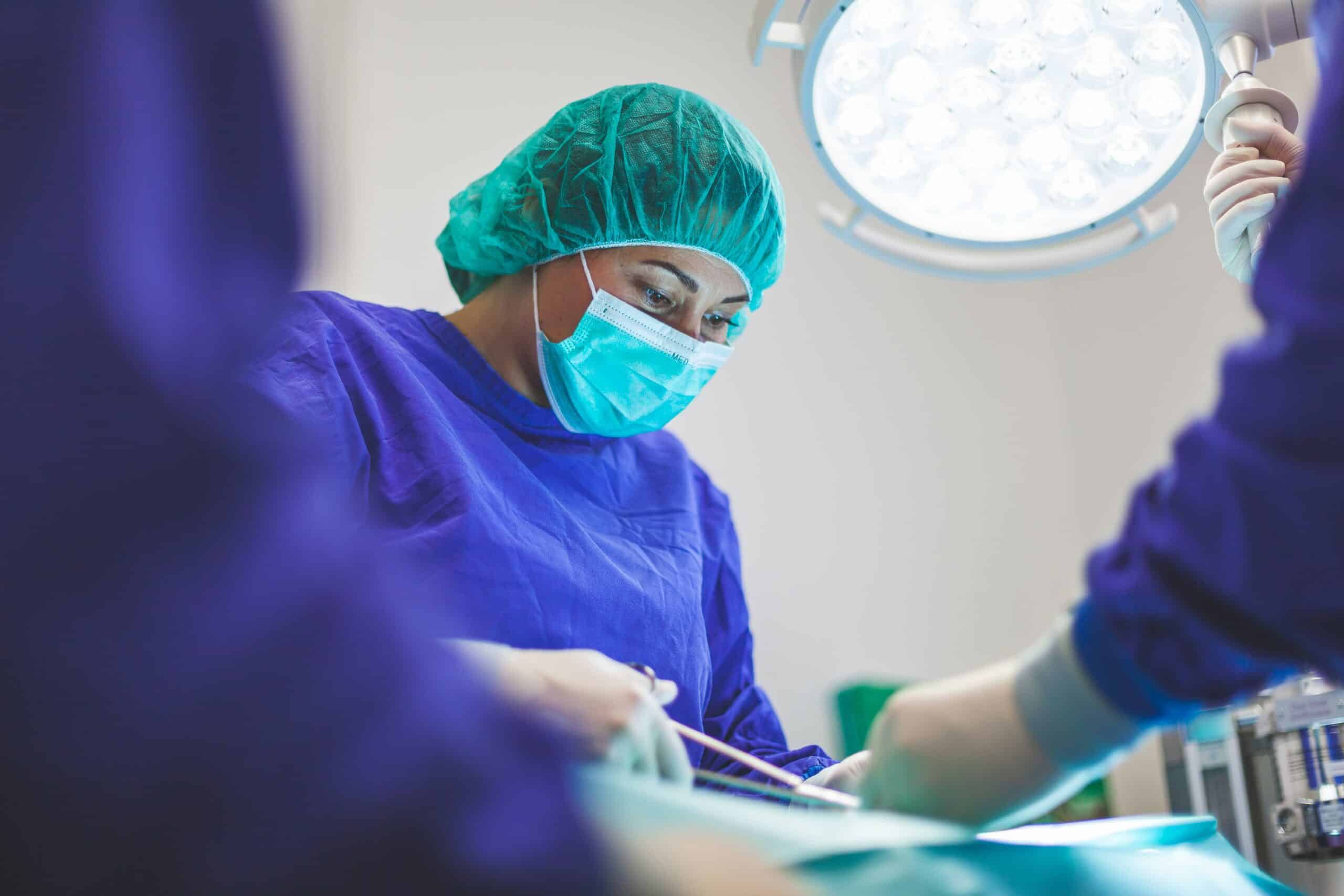
Integrative care pairs evidence‑based surgery—excision when indicated—with timed adjunctive therapies to optimize outcomes, lower recurrence risk, and support mental health. The model typically sequences preoperative optimization (nutrition, pelvic floor PT, mental health preparation), precise excision to remove lesion burden, and phased postoperative rehabilitation including graded activity, pelvic PT, targeted nutrition, and ongoing counseling. The table below maps services by timing, goals, and measurable outcomes to help visualize coordinated care.
What Are the Benefits of Combining Excision Surgery with Holistic Treatments?
Pairing excision surgery with targeted holistic therapies can deliver measurable benefits: lower risk of pain recurrence, faster return to function, and better emotional outcomes through coordinated rehabilitation. Surgical removal of lesion drivers reduces nociceptive signals; pelvic floor PT and anti‑inflammatory nutrition address compensatory dysfunction and systemic inflammation that can perpetuate symptoms. Endo Excellence Center emphasizes this integrated path—combining excision with multidisciplinary follow‑up—to support physical recovery and emotional well‑being under the clinical philosophy led by Dr. Rachael Ann Haverland. When surgical care is part of a holistic plan, patients generally benefit from clearer recovery goals and structured support.
How Can Post‑Surgery Holistic Support Improve Recovery and Quality of Life?
Postoperative support starts with wound care and gentle movement, progresses through rehabilitation with pelvic floor therapy and graded activity to rebuild function, and continues with lifestyle and mental health interventions to maintain gains and reduce recurrence risk. Nutrition supports tissue repair and helps lower pro‑inflammatory signals, while counseling helps patients process the surgical experience and adapt to changing pain levels. For those seeking integrated care, multidisciplinary clinics—such as teams available in Plano, TX—promote continuity and a smoother return to daily life. If recovery is slow or symptoms persist, multidisciplinary follow‑up allows timely reassessment and adjustment of the care plan to improve long‑term quality of life.
Frequently Asked Questions
What lifestyle changes can help manage endometriosis symptoms?
Consistent sleep, regular low‑impact exercise, and stress‑management practices can meaningfully reduce endometriosis symptoms. Aim for 20–40 minutes of moderate activity most days—walking or gentle yoga—and add short daily mindfulness or breathing exercises to lower stress. Combining these habits with dietary adjustments creates a stronger foundation for pain reduction and emotional resilience.
How can I find a mental health professional experienced in endometriosis?
Ask your pelvic pain or gynecologic provider for referrals, search therapist directories for clinicians who list chronic pelvic pain or endometriosis experience, and check support‑group recommendations. Look for therapists trained in CBT, ACT, or mindfulness‑based approaches and ask how they integrate psychological care with medical treatment plans. For more detail, see our article How Holistic Approaches Enhance Endometriosis Treatment.
Are there specific supplements that can help with endometriosis pain?
Certain supplements—like omega‑3 fatty acids and magnesium—may help with inflammation and muscle cramping. But supplements should be discussed with your healthcare provider to confirm safety, dosing, and timing, particularly if you are preparing for surgery or fertility treatment.
What role does peer support play in managing endometriosis?
Peer support reduces isolation and offers practical coping strategies from people with lived experience. In‑person or online groups provide emotional validation, shared tips, and a sense of community that can make medical and lifestyle changes easier to navigate.
How can I effectively communicate my symptoms to my healthcare provider?
Keep a symptom diary that records pain frequency, intensity, duration, triggers, and how symptoms affect daily life. Note sleep, bowel and bladder patterns, and mood changes. Bring specific questions to appointments so your team can tailor a treatment plan that reflects your priorities and goals. If you have questions about your own symptoms, you can schedule an appointment with our endometriosis specialists.
What are the potential benefits of combining holistic treatments with traditional medical care?
Combining holistic approaches—like nutrition, physical therapy, and mental health support—with medical or surgical care addresses both the physical and emotional aspects of endometriosis. This integrative model can reduce pain, improve coping, and enhance quality of life. Coordinated care across providers helps ensure treatments complement one another and match your individual needs. You may also find Holistic Treatments for Endometriosis: A Complete Overview helpful.
Conclusion
Blending holistic treatments with evidence‑based medical care offers a practical, patient‑centered pathway for managing endometriosis and its emotional impact. Thoughtful combinations of dietary changes, targeted physical therapy, psychological support, and surgical intervention when indicated can reduce symptoms and restore function. This multifaceted approach empowers people to participate actively in their recovery and improves long‑term quality of life. Learn more about our integrated services and how we support individualized care at Endo Excellence Center. For more detail, see our article Natural Versus Conventional Treatments for Endometriosis.