

Endometriosis is a chronic condition that causes pelvic pain, fatigue, and hormonal imbalances in many women. While medical treatments such as surgery and hormone therapy are commonly used, many are turning to natural approaches to help manage symptoms and improve their quality of life. From anti-inflammatory diets and herbal supplements to stress reduction and gentle exercise, natural treatment options can play a valuable role in easing pain and supporting overall well-being. This blog explores evidence-informed strategies that women can incorporate into daily life alongside conventional care.
Key Takeaways
- Anti-inflammatory foods like leafy greens, berries, and omega-3-rich fish may help reduce endometriosis pain.
- Herbal supplements such as turmeric and ginger can ease inflammation and menstrual discomfort.
- Regular low-impact exercise supports hormone balance and improves blood flow.
- Stress management through techniques like mindfulness, meditation, and journaling can reduce symptom severity.
- Acupuncture and traditional Chinese therapies may offer added pain relief when used consistently.
- Personalized care plans developed with healthcare professionals ensure the safest and most effective results.
Top Natural Remedies for Endometriosis Pain Relief
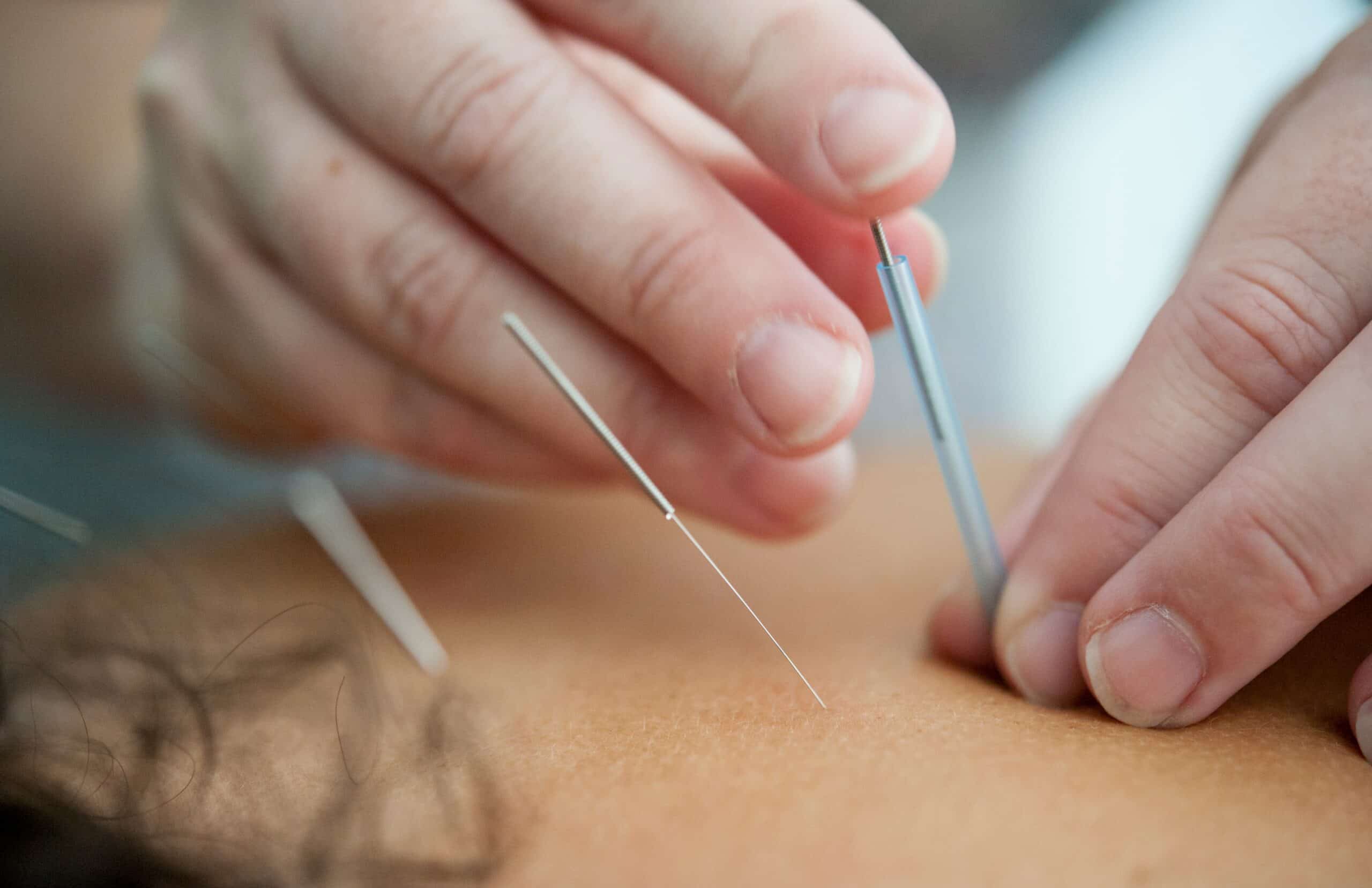
Natural remedies offer valuable support for women seeking to reduce endometriosis symptoms without over-reliance on medication. By targeting inflammation, supporting hormonal balance, and easing stress, these strategies work best when integrated into a personalized care plan. Diet, herbal supplements, acupuncture, and nutrient support all play important roles in this holistic approach.
What Are the Most Effective Natural Approaches for Managing Endometriosis Pain?
The most widely used natural therapies include:
- Anti-inflammatory nutrition focused on omega-3s, cruciferous vegetables, and fiber
- Herbal support from ingredients like turmeric, ginger, and traditional Chinese herbs
- Acupuncture for pain relief and improved pelvic circulation
- Key supplements such as magnesium for muscle relaxation and curcumin for inflammation control
These options can be combined with conventional treatments to enhance symptom relief and support overall well-being.
How Does an Anti-Inflammatory Diet Reduce Endometriosis Symptoms?
Anti-inflammatory eating helps lower the body’s inflammatory load, a major contributor to endometriosis pain. This diet typically includes:
- Leafy greens and cruciferous vegetables like kale and broccoli to support estrogen metabolism
- Omega-3-rich foods like fatty fish, chia seeds, and walnuts
- Fruits like berries, which are high in antioxidants
At the same time, it avoids foods that trigger inflammation, such as added sugars, refined grains, and saturated fats.
Which Herbal Remedies May Help Alleviate Endometriosis Symptoms?
Several herbs have shown potential for symptom relief:
- Ginger – May reduce menstrual pain by influencing prostaglandin production
- Chamomile – Helps ease muscle tension and promotes relaxation
- Cinnamon – Offers mild anti-inflammatory effects
- Dong quai and peony root – Used in Traditional Chinese Medicine to support hormonal balance and improve pelvic circulation
Always consult a trained practitioner for proper dosing and safe integration with medications.
Can Supplements Like Turmeric and Magnesium Help?
Yes. Specific supplements can complement diet and lifestyle changes:
- Turmeric (curcumin) – Reduces inflammatory cytokines and may ease chronic pelvic pain
- Magnesium – Supports muscle relaxation, lowers cramping, and may improve sleep and stress response
Standard dosing is typically 500–1000 mg/day for magnesium and a clinically recommended curcumin supplement, but individual needs should be reviewed by a healthcare provider.
How Does Acupuncture Support Endometriosis Pain Management?
Acupuncture is a widely accepted complementary therapy for pelvic pain. It works by:
- Stimulating endorphin release, the body’s natural painkillers
- Enhancing blood flow to reduce inflammation
- Modulating nervous system activity to lower pain perception
Many women experience decreased pain intensity and better cycle regulation with regular sessions, especially when paired with other natural therapies.
Optimizing Diet and Nutrition for Endometriosis Pain Relief

Nutrition plays a powerful role in managing endometriosis. Certain foods can trigger inflammation and worsen symptoms, while others support hormone balance, immune health, and pain reduction. A thoughtful, anti-inflammatory eating plan—especially when tailored to an individual’s needs—can significantly improve daily comfort and long-term well-being.
How Can Diet Help Manage Endometriosis Pain?
A nutrient-dense, anti-inflammatory diet reduces symptom triggers and supports the body’s natural healing processes. By eliminating common irritants like dairy, gluten, and added sugars—and increasing whole foods rich in antioxidants and healthy fats—women can help stabilize hormones and reduce chronic inflammation. Working with a nutritionist to personalize the plan enhances results and ensures nutritional balance.
What Foods Should Be Avoided to Reduce Endometriosis Flare-Ups?
Certain foods can increase estrogen or trigger inflammatory responses. It’s best to limit or avoid:
- Processed foods high in additives or preservatives
- Trans fats often found in fried and packaged snacks
- Refined sugars that spike insulin and promote inflammation
- Red meat, which may elevate estrogen levels
- Alcohol and caffeine, which can aggravate hormonal imbalances
Eliminating or reducing these items can lead to fewer flare-ups and more stable symptom control.
Which Anti-Inflammatory Foods Are Recommended for Endometriosis Relief?
Incorporating anti-inflammatory foods helps reduce pain and support hormonal health. Some of the best options include:
- Fatty fish like salmon and sardines (rich in omega-3s)
- Leafy greens such as spinach and kale
- Berries loaded with antioxidants
- Nuts and seeds like walnuts, flaxseeds, and chia
- Spices like turmeric and ginger to naturally reduce inflammation
A diverse and colorful diet packed with these foods supports long-term symptom management.
What Are Helpful Meal Planning Tips for an Endometriosis-Friendly Diet?
Creating a consistent and nutritious routine makes it easier to stay on track. Consider:
- Planning meals weekly to avoid inflammatory impulse foods
- Batch-prepping ingredients like grains, vegetables, and proteins
- Using a food diary to monitor symptom triggers and adjust accordingly
- Incorporating nutrient-dense snacks like anti-inflammatory smoothies or seed mixes
Simplicity and variety are key—keep meals manageable while focusing on whole ingredients.
What Role Do Omega-3 Fatty Acids Play in Endometriosis Management?
Omega-3s are essential for reducing inflammation and regulating cellular function. Found in foods like:
- Salmon and mackerel
- Walnuts and chia seeds
- Flaxseed oil and hemp seeds
These fatty acids help lower the production of prostaglandins—compounds that contribute to uterine pain—and may reduce menstrual cramps and pelvic discomfort.
The Role of Exercise in Natural Endometriosis Pain Relief

Physical activity plays a key role in managing endometriosis by improving circulation, reducing inflammation, and supporting hormonal balance. Regular movement helps release endorphins—the body’s natural painkillers—while lowering stress, a known trigger for flare-ups. Gentle, consistent exercise offers both immediate relief and long-term health benefits for women living with endometriosis.
How Does Exercise Help Relieve Endometriosis Symptoms Naturally?
Exercise enhances blood flow to the pelvic area, which can reduce cramping and improve oxygen delivery to tissues. It also supports weight management, lowers estrogen levels, and boosts energy. When performed regularly, physical activity contributes to better sleep, less fatigue, and reduced pain perception.
Which Yoga Poses Are Helpful for Easing Endometriosis Pain and Bloating?
Gentle yoga can soothe pelvic discomfort, reduce bloating, and promote relaxation. Effective poses include:
- Child’s Pose – Relieves pressure from the lower back and hips
- Cobra Pose – Opens the abdominal area and stretches pelvic muscles
- Cat-Cow Stretch – Encourages spinal flexibility and internal organ massage
Practicing yoga a few times a week can also help improve digestion and pelvic floor strength.
How Do Low-Impact Exercises Support Endometriosis Management?
Low-impact activities like walking, swimming, and cycling are ideal for maintaining cardiovascular health without adding strain. These exercises:
- Stimulate circulation
- Help regulate blood sugar and insulin levels
- Support healthy weight, which can reduce excess estrogen
- Improve mood and stamina
They are gentle enough to be done regularly, even during flare-ups, with modifications as needed.
Why Is Consistency Important in an Exercise Routine for Endometriosis?
Regular physical activity creates a positive cycle: it promotes endorphin release, reduces inflammation, supports better sleep, and lowers stress—all of which are crucial for managing endometriosis. Even short sessions of movement each day can lead to lasting improvements in pain levels and overall well-being.
Stress Management Techniques for Endometriosis Pain Relief
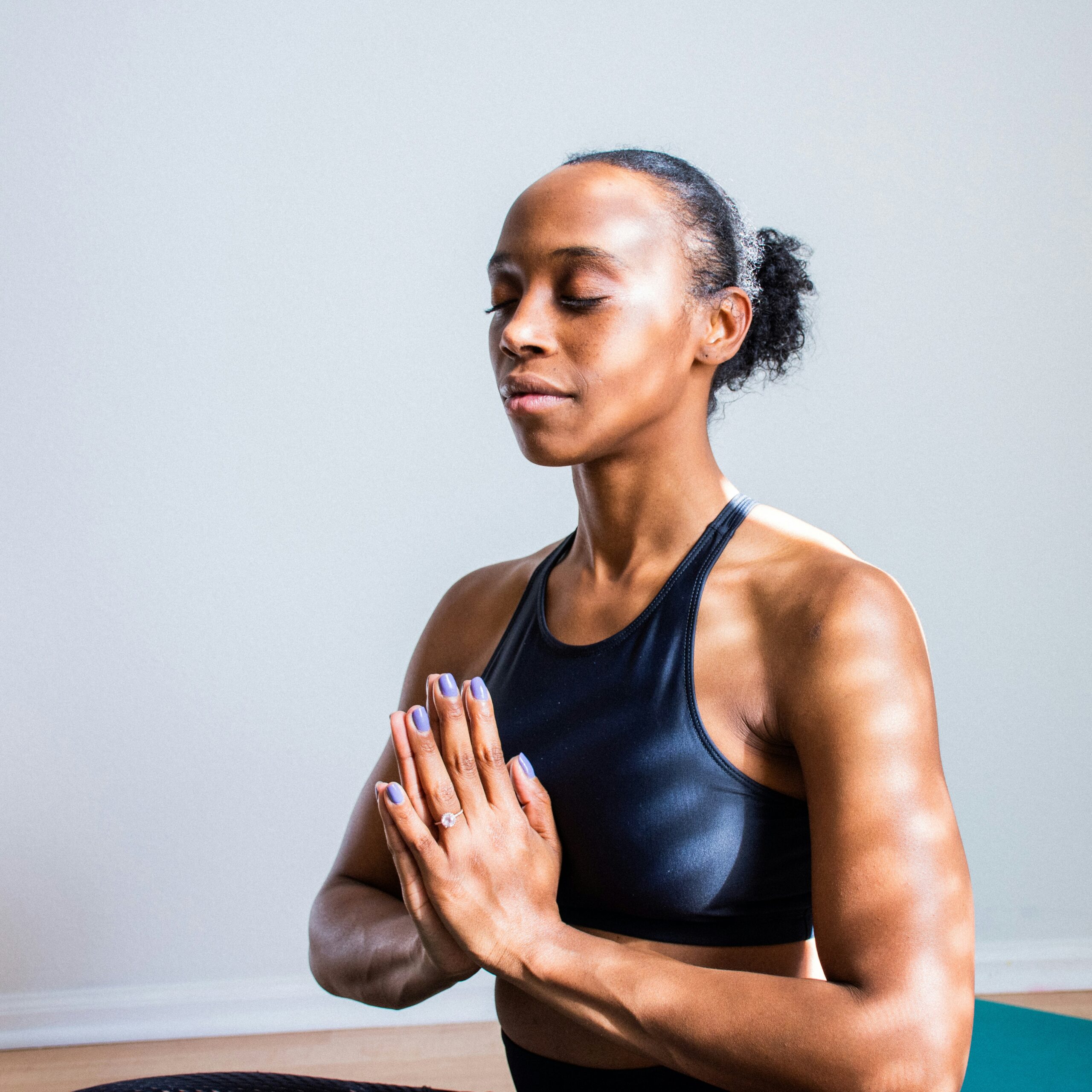
Chronic stress can significantly worsen endometriosis symptoms by triggering hormonal imbalances and increasing inflammation in the body. Incorporating stress reduction techniques into daily life helps regulate cortisol levels, lower pain sensitivity, and support emotional well-being. A consistent mind-body approach can make a noticeable difference in both physical symptoms and quality of life.
How Does Stress Affect Endometriosis Symptoms and Pain?
When stress is prolonged, the body produces more cortisol, a hormone that can disrupt estrogen levels and fuel inflammation. This hormonal imbalance may contribute to the growth of endometrial tissue and intensify pain. Managing stress helps stabilize hormonal function and reduces the frequency and severity of flare-ups.
What Are the Benefits of Mindfulness and Meditation for Endometriosis?
Mindfulness and meditation offer proven benefits for women with chronic pain. These practices help:
- Lower stress hormones like cortisol
- Improve focus and emotional regulation
- Reduce pain perception by changing how the brain processes pain signals
- Increase self-awareness and promote body-mind connection
Even brief, consistent practice—such as 10 minutes daily—can lead to improved symptom control over time.
What Practical Stress-Relief Strategies Can Be Used Daily?
Women can incorporate simple techniques throughout the day to prevent stress buildup and support nervous system balance:
- Deep breathing exercises to calm the body in moments of tension
- Progressive muscle relaxation to release physical stress
- Mindfulness meditation to center attention and reduce anxiety
- Journaling to process thoughts and emotions
- Creative hobbies or light physical activity to engage the mind in pleasurable tasks
Tailoring these strategies to individual preferences increases the likelihood of long-term consistency and benefit.
Lifestyle and Self-Care Strategies for Managing Endometriosis Naturally

Lifestyle changes and consistent self-care can play a significant role in managing endometriosis symptoms day to day. While they don’t replace medical treatment, practices such as prioritizing restorative sleep, maintaining hydration, reducing stress, and creating pain-relief routines can help reduce inflammation and support overall well-being. These small daily habits often provide cumulative benefits that make living with endometriosis more manageable.
How Does Quality Sleep Impact Endometriosis Pain and Recovery?
Deep, restorative sleep helps regulate inflammation and supports the body’s natural healing processes. Poor sleep can worsen hormonal imbalances and heighten pain sensitivity. Creating a consistent bedtime routine, limiting screen time before bed, and ensuring a dark, quiet sleep environment can lead to better sleep quality and improved pain control.
What Self-Care Techniques Are Helpful for Easing Endometriosis Symptoms?
Gentle self-care practices can help soothe discomfort, particularly during flare-ups. Some helpful methods include:
- Warm baths to relax muscles and relieve pelvic tension
- Heat packs or hot water bottles to reduce cramping
- Gentle yoga or stretching to support circulation
- Aromatherapy or light massage to ease physical and mental tension
Personalizing these routines based on daily symptoms can enhance both physical relief and emotional resilience.
How Can Women Manage Pain in the Workplace or Social Settings?
Managing endometriosis in public or professional environments can be challenging, but preparation helps. Strategies include:
- Scheduling short, strategic breaks to stretch or rest
- Using discreet heat wraps or wearable relief devices
- Practicing quick breathing exercises or mindfulness techniques to reduce stress and discomfort
- Communicating openly (when possible) with supervisors or peers to set boundaries and receive support
Having a plan in place empowers women to navigate demanding settings while honoring their health needs.
Herbal Remedies and Alternative Therapies for Endometriosis
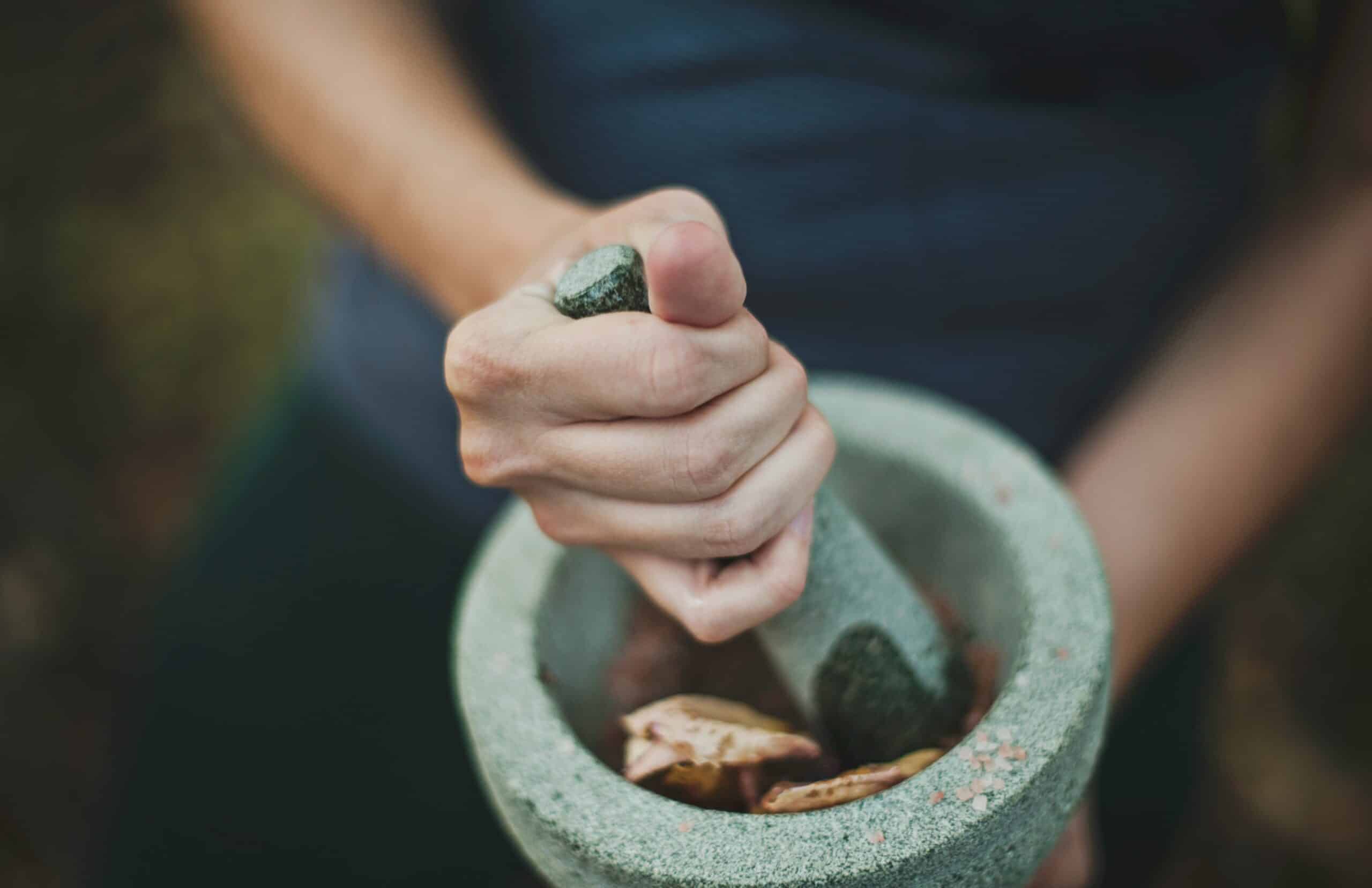
Natural therapies such as herbal supplements and acupuncture are often used to complement medical treatment for endometriosis. These approaches may help reduce inflammation, ease pelvic pain, and support hormonal balance—without the side effects associated with some synthetic medications. However, their effectiveness can vary from person to person, and consistent use under professional supervision is essential for the best results.
What Are the Benefits and Limitations of Herbal and Alternative Treatments?
Herbal and alternative therapies can offer symptom relief by targeting inflammation and promoting relaxation. They may be especially helpful for women seeking a more holistic approach. However, results are often gradual, and benefits depend on the type of therapy, correct usage, and the individual’s overall health. These treatments are best used as part of a comprehensive care plan rather than a sole solution.
Which Traditional Chinese Medicine (TCM) Practices Are Used for Endometriosis?
Traditional Chinese Medicine often incorporates acupuncture and customized herbal formulas to reduce inflammation and support hormonal balance. Common herbs include dong quai and peony root, which are traditionally used to support pelvic circulation and manage menstrual irregularities. These therapies are typically prescribed by a licensed TCM practitioner based on the individual’s symptoms and constitution.
Is Acupuncture Safe and Effective for Managing Endometriosis Pain?
Acupuncture is generally considered a safe and well-tolerated therapy. It works by stimulating nerve pathways and promoting the release of endorphins, the body’s natural pain relievers. Clinical studies have shown that regular acupuncture sessions can help lower pain intensity and improve overall well-being in women with endometriosis, especially when integrated with other treatments.
Which Herbal Supplements Are Commonly Used for Endometriosis and How Are They Dosed?
Herbs frequently used for symptom relief include:
- Turmeric (Curcumin) – Known for its strong anti-inflammatory effects. Typical doses range from 500–1000 mg daily, standardized to curcumin content.
- Ginger – May ease menstrual pain and digestive discomfort. Often taken in capsule form or as a tea.
- Chamomile – Used for relaxation and mild pain relief, often consumed as an infusion. Because herbs can interact with medications or vary in quality, it’s important to consult a healthcare provider or clinical herbalist for guidance on dosage, form, and safety.
Personalized Natural Treatment Plans for Endometriosis Pain Management
Personalized treatment plans are essential for effectively managing endometriosis because every woman’s symptoms, hormone patterns, and lifestyle factors are different. A tailored approach takes into account individual health profiles—including hormone levels, dietary habits, stress triggers, and coexisting conditions—to create a holistic and practical strategy for pain relief.
What Factors Are Considered When Creating a Personalized Treatment Plan?
Key considerations include hormone imbalances, nutritional deficiencies, stress levels, genetics, inflammation markers, and any current medications or therapies. These factors help guide the safe integration of natural therapies such as specific diets, supplements, or mind-body techniques without causing adverse interactions.
How Does Telehealth Support Personalized Endometriosis Care?
Telehealth appointments provide accessible, ongoing support from qualified healthcare providers. Through virtual visits, women can receive timely adjustments to their treatment plans, track symptom progress, and receive expert guidance on implementing natural interventions—such as nutrition plans or herbal therapies—into their daily routines.
What Tools Can Help Identify the Right Natural Treatment Approach?
Clinicians may use digital health assessments, symptom trackers, and hormone panels to gain a clear picture of a patient’s needs. These tools support informed decisions about which natural treatments—whether dietary, supplement-based, or lifestyle-focused—are most suitable and effective for long-term symptom control.
Frequently Asked Questions
Can natural remedies fully replace medical treatments for endometriosis?
No. Natural remedies work best when used alongside conventional treatments. Always consult your healthcare provider before making changes to your care plan.
How long does it take to see results from dietary changes?
Some women notice improvement within 6–12 weeks of consistently following an anti-inflammatory diet and avoiding known food triggers.
Are herbal supplements safe for long-term use in endometriosis?
Many herbs like turmeric and ginger are considered safe when used in appropriate dosages. However, long-term use should be supervised by a licensed healthcare practitioner.
What exercises are most helpful for reducing endometriosis pain?
Low-impact activities such as yoga, walking, and swimming are ideal. These improve blood flow, reduce muscle tension, and support hormone balance.
How often should I do acupuncture for symptom relief?
Most women start with weekly sessions and adjust to bi-weekly or monthly depending on how their body responds. A qualified acupuncturist can recommend a personalized schedule.
Conclusion
Natural treatment options for endometriosis provide a supportive path to managing chronic symptoms and improving daily comfort. By adopting a nutrient-rich, anti-inflammatory diet, incorporating gentle physical activity, exploring herbal remedies, and practicing stress reduction techniques, women can reduce flare-ups and feel more in control of their health. These approaches are most effective when personalized and used in consultation with a healthcare provider who understands the condition. With the right balance of lifestyle changes and professional guidance, long-term relief becomes more achievable.