

Persistent pelvic pain after endometriosis surgery can be frustrating, especially when surgery was expected to provide meaningful symptom relief. While some discomfort is expected during normal postoperative healing, pain that continues or returns may have several possible causes. These can include recurrent or remaining endometriosis, adhesions and scar tissue, pelvic floor dysfunction, nerve irritation, or overlapping conditions such as irritable bowel syndrome or interstitial cystitis.
Determining the source of ongoing pain requires a comprehensive evaluation rather than assuming that endometriosis has automatically returned. Imaging, physical examination, symptom history, and multidisciplinary assessment may all contribute to identifying the underlying problem. Treatment can then be personalized and may involve pelvic floor physical therapy, hormonal management, pain-focused therapies, or additional laparoscopic excision surgery when appropriate.
Understanding why pelvic pain can persist after surgery and what options remain available can help patients have more productive conversations with their healthcare providers and make informed decisions about their next steps.
Why Pelvic Pain Can Persist After Endometriosis Surgery
Persistent pelvic pain does not always have a single identifiable cause. The source material notes that chronic pelvic pain lasting more than six months may sometimes be considered a chronic regional pain syndrome when a specific cause cannot be identified. For other patients, postoperative pain may be related to healing, recurrent disease, scar tissue, nerve involvement, or other overlapping conditions.
Postoperative Healing and Overlapping Pain Conditions
The healing process itself can produce discomfort after endometriosis surgery. Pelvic tissues require time to recover, and postoperative inflammation or sensitivity may contribute to pain during this period.
However, persistent symptoms may also be associated with conditions unrelated to active endometriosis. Irritable bowel syndrome and interstitial cystitis are specifically identified as potential overlapping conditions that may contribute to pelvic pain. Other conditions mentioned in the source include fibromyalgia and pelvic inflammatory disease.
Identifying these overlapping conditions is important because additional endometriosis treatment alone may not address every source of pain.
Endometriosis Recurrence and Continued Inflammation
Endometriosis recurrence is another potential reason symptoms may return after surgery. Endometrial-like tissue growth can contribute to chronic inflammation, scarring, and renewed pelvic pain.
Continued monitoring after surgery can help healthcare providers identify changing or recurring symptoms. Patients should describe whether their pain is cyclical, whether it resembles their symptoms before surgery, and whether new symptoms have appeared.
Regular follow-up also gives the healthcare team an opportunity to determine whether additional investigation or treatment is appropriate.
Adhesions, Scar Tissue, and Nerve-Related Pain
Scar tissue and adhesions can develop as the body heals after surgery. Adhesions may cause internal tissues or organs to bind together, potentially contributing to discomfort, pain, or changes in organ function.
Nerve irritation or sensitization may also contribute to persistent pain even after the original physical problem has been addressed. This can make postoperative pelvic pain more complicated because symptoms may involve several interconnected pain mechanisms rather than one obvious lesion.
For this reason, persistent pain deserves a comprehensive evaluation instead of automatically being attributed to surgical failure or recurrent endometriosis.
Diagnosing the Cause of Persistent Pelvic Pain

Finding the source of pelvic pain after endometriosis surgery generally requires several forms of evaluation. Medical history, symptom patterns, physical examination, imaging, and specialist collaboration can help determine which factors may be contributing to ongoing discomfort.
Medical History and Physical Examination
Evaluation typically begins with a detailed review of the patient’s symptoms and medical history. Healthcare providers may ask when pain returned, where it occurs, whether it changes during menstruation, and how it compares with symptoms experienced before surgery.
A physical examination may also help identify areas of tenderness, muscular dysfunction, or other possible pain sources.
Patients can support this process by keeping a symptom record that documents pain severity, menstrual timing, bowel or bladder symptoms, painful intercourse, and activities that worsen or improve discomfort.
MRI and Ultrasound Evaluation
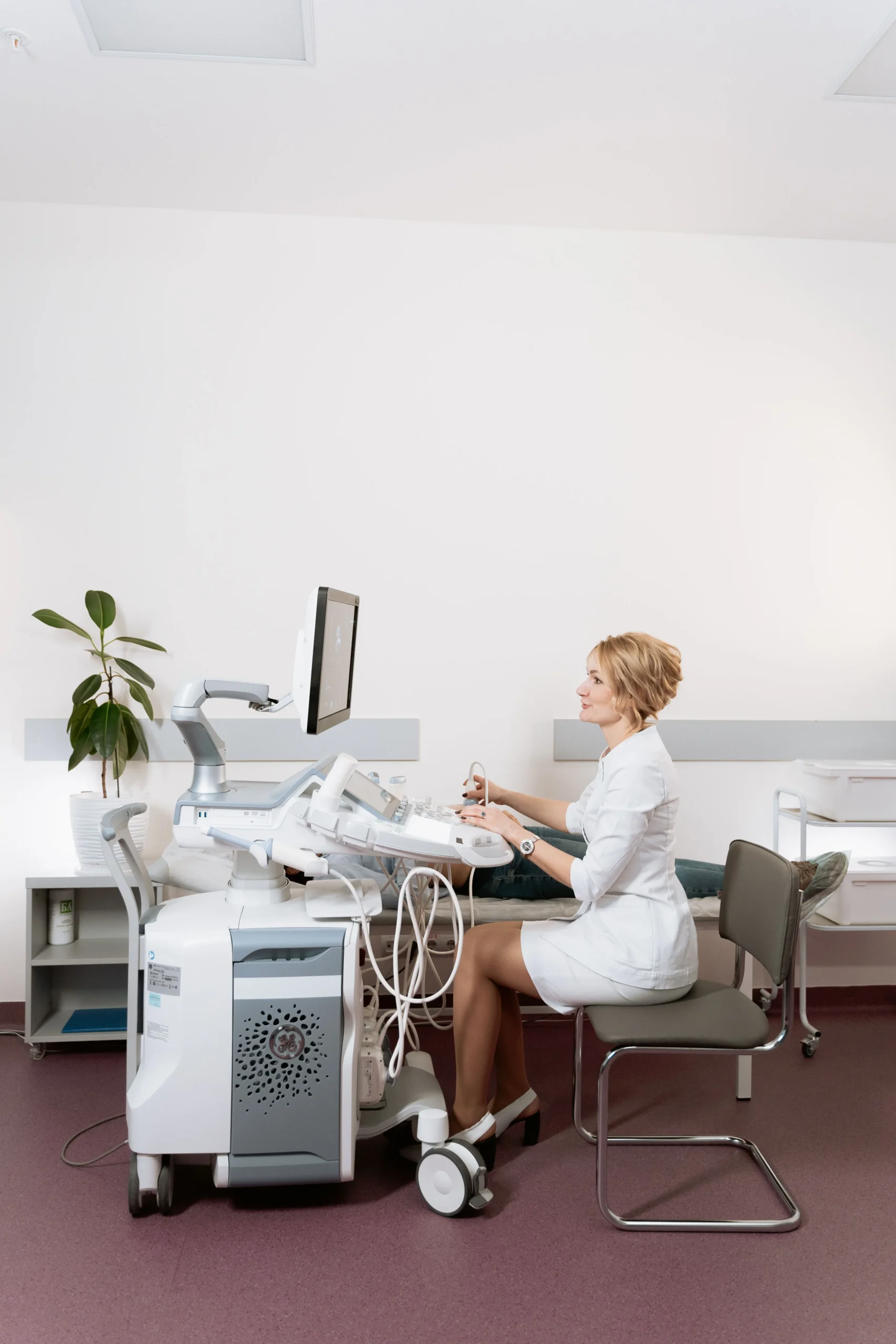
Imaging can provide additional information about pelvic anatomy following surgery. Ultrasound may be particularly useful for evaluating the ovaries and identifying cysts, while MRI can provide more detailed visualization of soft tissue structures. We cover this further in Assess Your Endometriosis: When to Consider Advanced Surgery.
These imaging techniques may help identify abnormalities that could contribute to persistent symptoms. The source also notes that imaging can be used to evaluate possible complications such as scar tissue or ovarian cysts.
If further investigation is required, laparoscopy may sometimes be considered as part of the diagnostic process.
Multidisciplinary Evaluation of Chronic Pelvic Pain
Persistent pelvic pain can involve gynecologic, urinary, muscular, neurological, and pain-processing factors. Multidisciplinary planning allows specialists from different fields to evaluate these possibilities together.
The uploaded material identifies gynecology, urology, pain management, and physical therapy as potential components of multidisciplinary evaluation. This collaboration may provide a more complete understanding of each patient’s pain profile and help develop individualized treatment strategies.
This approach can be particularly valuable when previous treatments have not provided adequate relief or when symptoms cannot be explained by endometriosis alone.
Advanced Treatment Options for Persistent Pelvic Pain

Treatment should address the identified or suspected source of pain rather than relying on one approach for every patient. Available options may include pelvic floor physical therapy, hormonal treatment, minimally invasive surgery, and supportive therapies. Read more in Why Pelvic Pain Might Linger After Endo Surgery.
Pelvic Floor Physical Therapy and Supportive Treatments
Pelvic floor physical therapy is designed to address muscular tension that may contribute to chronic pelvic pain. According to the provided material, this approach can be particularly useful when muscle-related pain is identified.
Additional supportive therapies mentioned in the source include acupuncture, dietary modifications, and mindfulness practices. These approaches may help some patients address stress, discomfort, and the emotional effects of chronic pain as part of a broader treatment plan.
Treatment selection should reflect the patient’s symptoms and identified pain contributors rather than assuming one therapy will work equally well for everyone. Read more in Supporting a Loved One Through Endometriosis Surgery.
Hormonal Therapy and Ongoing Endometriosis Management
Hormonal therapy may be considered when persistent symptoms are thought to involve endometriosis activity or recurrence. The source describes hormonal management as one of several approaches available for addressing ongoing symptoms.
Effectiveness can vary between individuals, making ongoing evaluation important. Patients should discuss the potential benefits, limitations, and expected outcomes of hormonal treatment with their healthcare provider.
Regular follow-up also allows treatment to be adjusted if symptoms change or the initial management strategy does not provide sufficient relief.
Laparoscopic Excision and Additional Specialist Care
In selected cases, additional laparoscopic excision surgery may be considered to remove remaining or recurrent endometriosis tissue. The source describes laparoscopic excision as a minimally invasive option designed to precisely remove lesions while limiting the recovery burden associated with more invasive surgery.
However, repeat surgery should be based on individualized evaluation. Persistent pain can have several causes, and another operation may not address pain caused primarily by pelvic floor dysfunction, nerve sensitization, or an overlapping condition. You may also find What Nerve-Sparing Endometriosis Surgery Means helpful.
Patients experiencing worsening symptoms, recurring pain after surgery, new symptoms, or inadequate improvement with current treatment may benefit from additional specialist evaluation or a second opinion.
Frequently Asked Questions
Is pelvic pain normal after endometriosis surgery?
Some postoperative discomfort can occur while tissues heal. Persistent or worsening pain, however, deserves further evaluation, particularly when symptoms continue beyond the expected recovery period or significantly affect daily activities.
Does pain after surgery mean endometriosis has returned?
Not necessarily. Persistent pain can be related to endometriosis recurrence, but other potential causes include postoperative healing, adhesions, scar tissue, pelvic floor dysfunction, nerve sensitization, irritable bowel syndrome, interstitial cystitis, or other overlapping conditions.
Can scar tissue cause pelvic pain after endometriosis surgery?
Yes. Adhesions and scar tissue can form during healing and may bind internal tissues together, potentially contributing to pain or changes in organ function.
What tests can help identify the cause of persistent pelvic pain?
Evaluation may include medical history, physical examination, ultrasound, MRI, and, when necessary, additional diagnostic procedures such as laparoscopy.
Can pelvic floor physical therapy help after endometriosis surgery?
It may help when muscular tension or pelvic floor dysfunction contributes to persistent pain. Pelvic floor physical therapy specifically targets muscle-related sources of discomfort.
When should I seek a second opinion?
A second opinion or additional specialist evaluation may be appropriate when pain continues despite treatment, symptoms become more severe, new symptoms develop, or you remain uncertain about the cause of your pain or available treatment options.
Conclusion
Persistent pelvic pain after endometriosis surgery does not necessarily mean that treatment has failed or that endometriosis has definitely returned. Pain may result from postoperative healing, recurrent disease, adhesions, scar tissue, nerve sensitization, pelvic floor dysfunction, or another overlapping condition. Identifying the actual contributors to pain is therefore an essential first step before deciding on additional treatment.
A comprehensive evaluation may include a detailed symptom history, physical examination, MRI or ultrasound imaging, and input from multiple specialists. Treatment can then be individualized and may involve pelvic floor physical therapy, hormonal management, supportive therapies, or additional laparoscopic excision surgery when appropriate.
Patients experiencing persistent, worsening, or changing pelvic pain should maintain open communication with their healthcare team. When symptoms remain unexplained or current treatment is ineffective, seeking additional specialist evaluation can provide another perspective and help clarify the next steps toward improving pain, daily functioning, fertility considerations, and overall quality of life. If you have questions about your own symptoms, you can schedule an appointment with our endometriosis specialists.