
People searching for an anti-inflammatory diet for endometriosis often encounter long lists of foods to eat, foods to avoid, supplements to purchase, and ingredients described as natural pain treatments. Salmon, berries, leafy greens, turmeric, olive oil, and seeds frequently appear on these lists, while gluten, dairy, sugar, caffeine, and red meat may be presented as universally harmful.
The evidence is more nuanced. Endometriosis involves inflammatory processes, but there is not one clinically proven diet that reliably reduces pelvic pain for every patient. The European Society of Human Reproduction and Embryology, or ESHRE, concludes that the potential benefits and harms of specific nutritional interventions remain unclear, so no particular diet can currently be recommended as a universal treatment for endometriosis pain or quality of life.
That does not mean nutrition is irrelevant. A balanced eating pattern can support general health, provide adequate protein, fiber, fats, vitamins, and minerals, and help some patients manage concerns such as bloating, constipation, diarrhea, nausea, or inconsistent energy. A controlled dietary study involving patients with endometriosis found improvements from baseline after dietary intervention, but compared with the control group, the clearest benefits involved reduced bloating and improvements in only some quality-of-life measures. The findings did not establish a universal diet that consistently relieves endometriosis pain.
Instead of relying on isolated “superfoods” or removing several food groups, patients can use a flexible plate framework. Each meal can combine tolerated produce, a reliable protein source, a fiber-containing carbohydrate, and an unsaturated fat. The framework can then be adjusted for appetite, digestive symptoms, cultural preferences, budget, and medical needs.
Begin With What Anti-Inflammatory Eating Can and Cannot Do
The phrase “anti-inflammatory diet” can create the impression that food functions like a medication that directly switches inflammation on or off. In reality, food is only one part of a much broader clinical picture. A nutritious dietary pattern may support overall health, but it should not be presented as a method for removing endometriosis lesions or controlling every source of pelvic pain.
Establishing realistic expectations allows patients to make dietary changes without blaming themselves when symptoms continue.
Inflammation Is Part of Endometriosis, but Food Is Only One Variable
Endometriosis is characterized by tissue similar to the uterine lining growing outside the uterus. It can be associated with chronic pelvic pain, painful periods, pain during intercourse, bowel or urinary symptoms, and fertility concerns. Inflammation is involved in the disease, but pain may also be influenced by lesion location, scar tissue, pelvic floor dysfunction, bowel or bladder conditions, and the nervous system’s response to persistent pain.
A dietary change may improve one contributor, such as constipation or bloating, without changing the lesions themselves. Conversely, a patient may follow a balanced diet and continue to experience significant pain because another contributor requires medical, rehabilitative, or surgical treatment.
Dietary Patterns Matter More Than Individual “Superfoods”
One serving of salmon or a spoonful of turmeric is unlikely to determine whether endometriosis symptoms improve. A more useful approach is to examine the overall eating pattern over time.
The World Health Organization describes a healthy diet as one that is adequate, balanced, moderate, and diverse. Its exact composition should vary according to age, activity, cultural context, locally available foods, and individual dietary needs. WHO guidance emphasizes vegetables, fruits, pulses, whole grains, and other minimally processed foods while limiting excessive free sugars, sodium, saturated fat, and industrially produced trans fat.
For someone with endometriosis, this may translate into a pattern containing:
-
A variety of tolerated vegetables and fruits
-
Regular sources of protein
-
Fiber according to digestive tolerance
-
Whole or minimally processed carbohydrate sources
-
Unsaturated fats
-
Sufficient total energy
-
Fewer meals dominated by highly processed foods
The pattern should be sustainable enough to follow consistently rather than so restrictive that it becomes difficult to maintain.
Nutrition May Support Symptoms but Does Not Treat Lesions
Dietary changes cannot diagnose endometriosis, identify where lesions are located, or remove existing disease. They also cannot replace an appropriate evaluation when pelvic pain is persistent, severe, or accompanied by bowel, bladder, intercourse-related, or fertility concerns.
Established endometriosis treatment may include medication, hormonal therapy, surgery, or combinations of these approaches, depending on the patient’s symptoms, goals, prior treatment, and clinical findings.
Nutrition is best treated as an adjunct. It can support the patient’s overall health and may make some symptoms more manageable, but continued pain should not be interpreted as evidence that the patient has failed to eat correctly.
The Current Evidence Remains Limited
Dietary research in endometriosis includes observational studies, small intervention studies, self-reported outcomes, and eating plans that differ substantially from one another. These limitations make it difficult to determine whether a particular food, nutrient, or dietary pattern directly causes a change in pain.
In one controlled study, participants followed either a low-FODMAP diet or an endometriosis-focused diet for six months. Participants reported improvements from baseline, but compared with the control group, the dietary groups showed clearer benefits for bloating and only three of the eleven quality-of-life domains. The study, therefore, supports further investigation but does not establish either diet as a reliable treatment for pelvic pain.
Patients should be cautious when an article or product claims that a single ingredient or diet is clinically proven to stop endometriosis flares.
Use a Plate Framework Instead of Memorizing a Food List
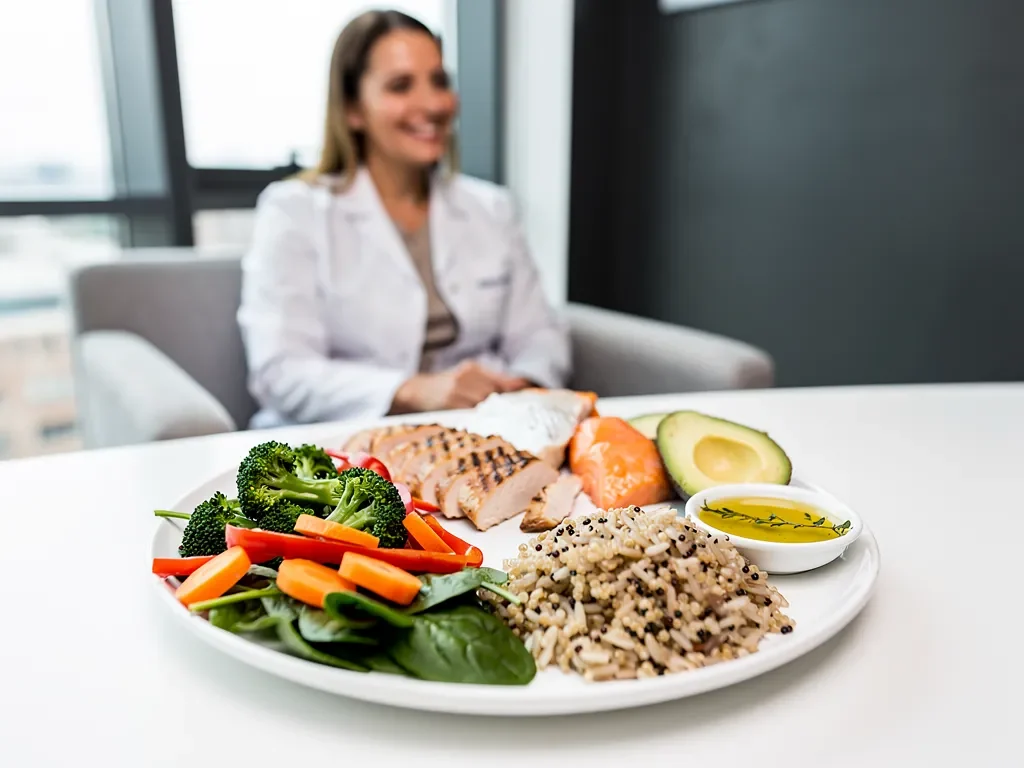
Long lists of recommended ingredients can make eating feel complicated. A plate framework offers a simpler method that can be repeated across different cuisines and meal types.
The objective is not to create a medically exact plate ratio for every patient. It is to make meals more nutritionally complete by including produce, protein, a carbohydrate source, and an unsaturated fat when possible.
Start With Vegetables or Fruit That You Tolerate
Vegetables and fruits provide fiber, vitamins, minerals, and a wide range of plant compounds. Variety matters more than identifying one “best” fruit or vegetable.
Options may include:
-
Leafy greens
-
Tomatoes
-
Bell peppers
-
Carrots
-
Squash
-
Green beans
-
Broccoli or cauliflower
-
Eggplant
-
Berries
-
Citrus fruit
-
Apples or pears
-
Frozen fruit and vegetables
Fresh produce is not the only useful option. Frozen vegetables and fruit can be practical when fatigue, pain, cost, or preparation time makes fresh produce difficult to use consistently.
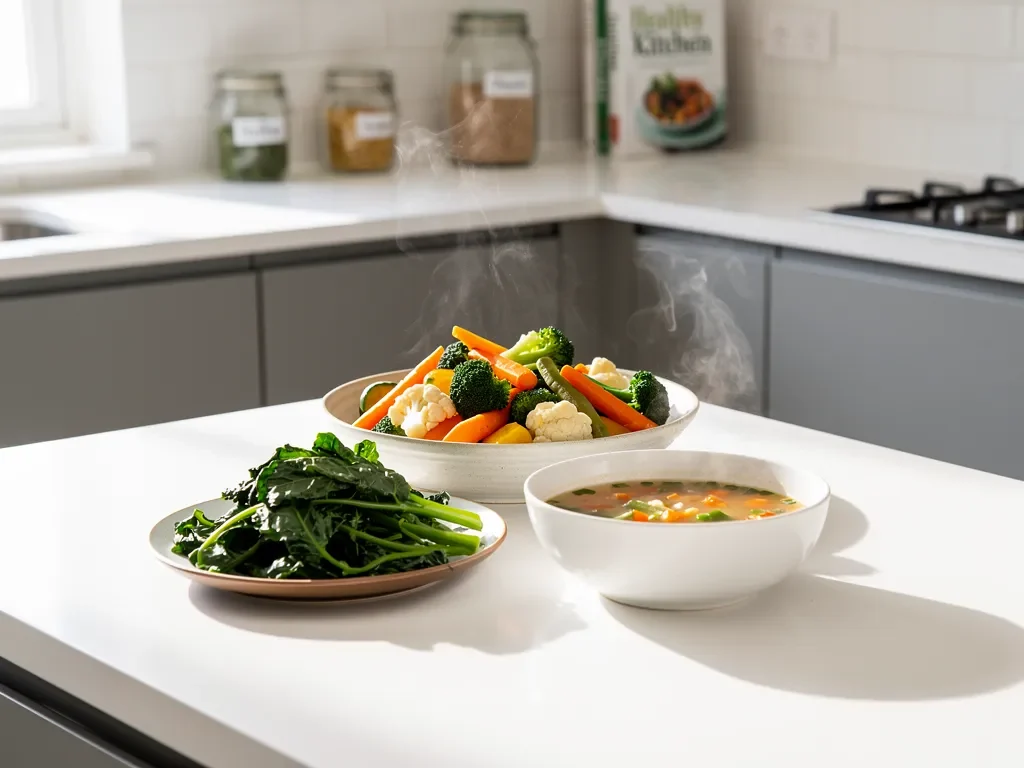
Patients with bloating or bowel sensitivity should select produce according to tolerance. A large raw salad may feel comfortable for one person and cause significant gas or abdominal pressure for another. Roasted, steamed, stewed, or blended vegetables may be easier to tolerate during periods of digestive sensitivity.
Add a Reliable Protein Source
Protein supports normal body functions and helps make meals more satisfying. The appropriate source can depend on personal preference, digestive tolerance, culture, allergies, and medical needs.
Options may include:
-
Salmon, trout, sardines, or other fish
-
Chicken or turkey
-
Eggs
-
Beans
-
Lentils
-
Chickpeas
-
Tofu or tempeh
-
Yogurt or cheese according to tolerance
-
Nuts and seeds as supporting protein sources
Patients do not need to eliminate all animal products to follow a balanced anti-inflammatory eating pattern. Similarly, eating plant-based meals does not require depending entirely on highly processed meat substitutes.
A useful question is whether the meal contains enough protein to support fullness and nutritional adequacy, not whether the protein source appears on a universal endometriosis list.
Choose a Fiber-Containing Carbohydrate
Carbohydrates provide energy and can also contribute fiber, vitamins, and minerals. Examples include:
-
Oats
-
Brown or wild rice
-
Quinoa
-
Barley
-
Whole-grain bread
-
Whole-grain pasta
-
Potatoes or sweet potatoes
-
Beans and lentils
-
Corn
-
Buckwheat
Whole-grain products containing gluten do not need to be removed solely because a person has endometriosis. A strict gluten-free diet is required for diagnosed celiac disease, but beginning that diet before appropriate testing may affect diagnostic results.
Patients who believe gluten-containing foods consistently cause symptoms should discuss the pattern with a healthcare professional before beginning a permanent restriction.
Include an Unsaturated Fat
Unsaturated fats can help create a balanced meal and may replace foods that are higher in industrial trans fats or excessive saturated fat.
Sources include:
-
Extra-virgin olive oil
-
Avocado
-
Walnuts
-
Almonds
-
Pistachios
-
Chia seeds
-
Ground flaxseed
-
Natural nut or seed butter
-
Fish
These foods should be viewed as normal components of a varied diet, not as substitutes for medication. Olive oil, walnuts, or flaxseed may improve the nutritional quality of a meal, but they cannot be expected to stop an acute pelvic pain flare.
Adjust Portions to Appetite, Activity, and Digestive Comfort
A rigid plate ratio will not suit every patient. Meal size may need to change when someone is experiencing nausea, early fullness, constipation, diarrhea, abdominal bloating, or pain that makes eating difficult.
Some patients may tolerate three larger meals. Others may feel better with smaller meals and planned snacks. Appetite and energy needs may also change with activity, work schedule, pregnancy, recovery from surgery, and other medical factors.
The framework should guide meal construction without becoming another inflexible rule.
Prioritize Food Groups With the Strongest Practical Rationale
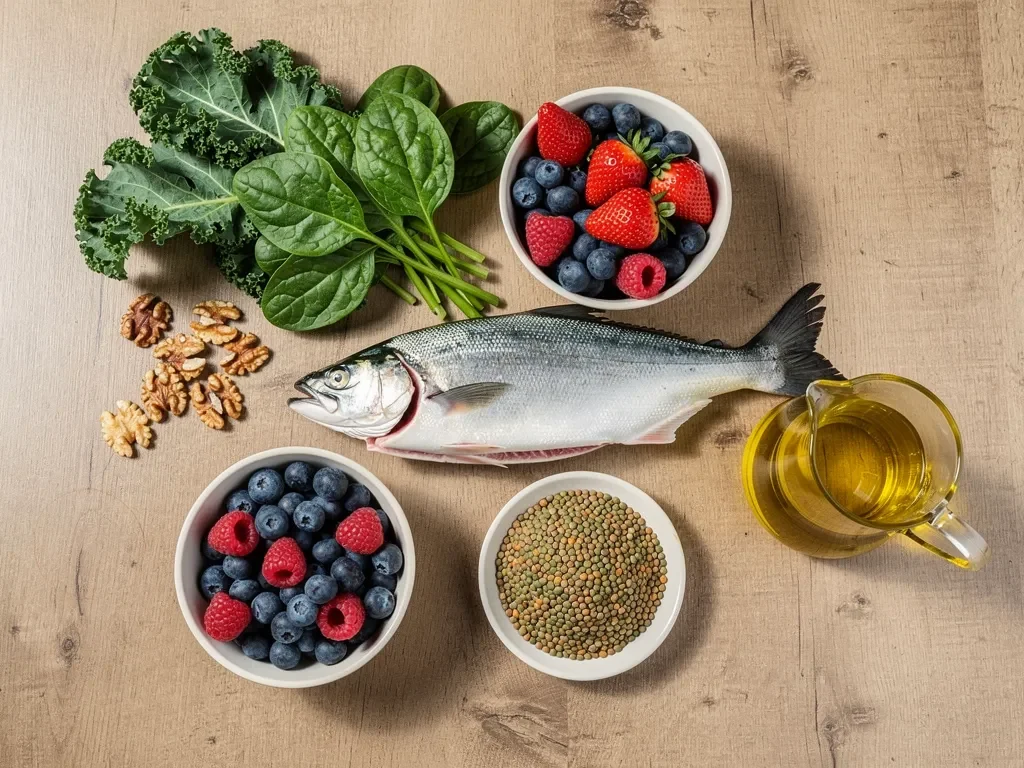
No individual food has been proven to treat endometriosis. However, several food groups have a strong general nutritional rationale and can be used to create balanced meals.
The value of these foods comes from their contribution to the overall dietary pattern rather than a guaranteed effect on endometriosis lesions or pain.
Fatty Fish and Other Sources of Omega-3 Fats
Fatty fish such as salmon, trout, sardines, and mackerel provide the omega-3 fatty acids EPA and DHA. Walnuts, chia seeds, and ground flaxseed provide alpha-linolenic acid, or ALA.
These sources are not nutritionally identical because the body converts only part of ALA into EPA and DHA. However, both fish and plant sources can contribute to a varied dietary pattern.
Practical ways to include them may involve:
-
Adding canned salmon to a grain bowl
-
Serving baked trout with vegetables and potatoes
-
Mixing ground flaxseed into oats
-
Adding chia seeds to yogurt
-
Using walnuts in snacks or salads
Omega-3 foods should not be described as a clinically proven treatment for pelvic pain. Their role in this guide is to provide nutritious fat and protein options within a balanced diet.
Colorful Produce and Plant Compounds
Berries, citrus fruit, tomatoes, peppers, leafy vegetables, herbs, and other colorful plant foods provide vitamins, minerals, fiber, and compounds such as polyphenols and carotenoids.
Rather than attempting to maximize one antioxidant, aim for variety across the week. Different colors and types of produce contribute different nutrients.
This might include:
-
Berries with breakfast
-
Tomatoes and greens at lunch
-
Roasted carrots or squash with dinner
-
Citrus fruit or an apple as a snack
-
Fresh or dried herbs added during cooking
These foods support general nutrition, but they should not be described as detoxifying estrogen or neutralizing endometriosis inflammation.
Legumes and Whole Grains
Beans, lentils, chickpeas, oats, brown rice, barley, and quinoa can provide fiber, carbohydrates, protein, and micronutrients.
Legumes can be used in:
-
Soups and stews
-
Grain bowls
-
Salads
-
Wraps
-
Pasta sauces
-
Bean-based dips
Patients who currently eat little fiber should increase intake gradually. A sudden large increase in beans, seeds, whole grains, and cruciferous vegetables can cause gas, bloating, and cramping, particularly in someone with an already sensitive digestive system.
The appropriate amount of fiber is the amount that supports bowel function without creating intolerable symptoms.
Nuts, Seeds, Avocado, and Olive Oil
These foods offer unsaturated fats and can make meals more satisfying.
Examples include:
-
Olive-oil-based salad dressing
-
Avocado added to toast or a grain bowl
-
Nut butter served with fruit
-
Chia or ground flaxseed added to oats
-
Walnuts included in a snack
-
Pumpkin seeds added to soup or salad
Portion size can be adjusted to appetite and digestive comfort. Patients with nausea or early fullness may find large servings of high-fat foods difficult to tolerate and may do better with smaller amounts distributed throughout the day.
Iron-Rich Foods When Heavy Bleeding Is Present
Heavy menstrual bleeding can increase the risk of inadequate iron status. The National Institutes of Health Office of Dietary Supplements identifies people with heavy menstrual bleeding as one of the groups more likely to have insufficient iron.
Iron-containing foods include:
-
Lean meat according to preference
-
Seafood
-
Beans and lentils
-
Tofu
-
Iron-fortified cereals and grains
-
Leafy green vegetables
-
Seeds
Plant-based iron is absorbed differently from iron in animal foods. Pairing plant iron sources with vitamin C-containing foods, such as citrus fruit, tomatoes, berries, or peppers, can help create a nutritionally balanced meal.
Patients experiencing heavy bleeding, unusual fatigue, shortness of breath, weakness, or a history of iron deficiency should discuss testing with a clinician. They should not begin high-dose iron supplementation solely because endometriosis is present, since excessive iron can also cause harm.
Adapt Anti-Inflammatory Meals for Bloating and Bowel Symptoms
A meal can be nutrient-dense and still cause discomfort for a particular patient. Endometriosis may coexist with constipation, diarrhea, bloating, food intolerance, irritable bowel syndrome, pelvic floor dysfunction, or other gastrointestinal conditions.
Dietary quality and digestive tolerance are related but not identical. The goal is to build balanced meals in a form the patient can comfortably eat.
Increase Fiber Gradually Rather Than All at Once
A person who quickly replaces a low-fiber diet with large salads, beans, lentils, seeds, bran cereal, and cruciferous vegetables may experience more gas and abdominal pressure.
A gradual approach may include:
-
Adding one serving of vegetables to a usual meal
-
Replacing one refined grain with a whole-grain option
-
Starting with a small portion of beans
-
Using ground rather than whole seeds
-
Increasing fluid intake according to medical needs
-
Monitoring bowel changes before making another adjustment
Fiber can support bowel regularity, but more is not always immediately better. Patients with severe constipation, difficulty passing stool, or painful bowel movements may require evaluation rather than continued unsupervised fiber increases.
Use Cooked Foods When Raw Foods Are Difficult to Tolerate
Cooking changes texture and can make some foods easier to chew and tolerate.
Alternatives to a large raw salad include:
-
Roasted carrots and squash
-
Steamed green beans
-
Sautéed spinach
-
Vegetable soup
-
Blended vegetable soup
-
Stewed tomatoes and beans
-
Soft-cooked oats
-
Baked fruit
Cooked foods are not inherently more anti-inflammatory than raw foods. They are simply another way to include produce when raw food increases bloating or discomfort.
Consider FODMAP Intake Only When Digestive Symptoms Justify It
FODMAPs are fermentable carbohydrates that can contribute to gas, bloating, abdominal pain, diarrhea, or constipation in people with irritable bowel syndrome or sensitive digestive systems.
A low-FODMAP diet is a structured process involving temporary restriction, reintroduction, and personalization. It is not designed to become a permanent list of foods to avoid. Monash University, where the diet was developed, describes it as a staged approach intended to identify which FODMAP groups and portions an individual tolerates.
The controlled dietary study involving endometriosis found a clearer difference in bloating than in pain compared with the control group. This illustrates why gastrointestinal outcomes should be evaluated separately from pelvic pain.
A low-FODMAP approach is most appropriate when digestive symptoms justify the restriction and when a registered dietitian can help guide reintroduction.
Do Not Remove Gluten or Dairy Automatically
Gluten does not need to be avoided by every patient with endometriosis. A strict gluten-free diet is the treatment for celiac disease, and diagnostic testing should generally occur before gluten is removed because restriction can affect test results.
Dairy also should not be labeled universally inflammatory. People with lactose intolerance may develop bloating, diarrhea, gas, nausea, or abdominal pain after consuming lactose. Others may tolerate yogurt, hard cheese, lactose-free milk, or smaller portions without difficulty.
Removing either food group can affect nutrient intake. A gluten-free diet may become low in fiber or certain fortified nutrients, while dairy removal may reduce calcium, vitamin D, or protein intake unless appropriate replacements are used.
Restriction should be based on a diagnosed condition, consistent symptoms, or a structured trial, not a general endometriosis rule.
Recognize When Bowel Symptoms Need Medical Evaluation
Diet should not be used to self-diagnose bowel endometriosis, IBS, celiac disease, food intolerance, or another gastrointestinal condition.
Seek medical evaluation for symptoms such as:
-
Blood in the stool
-
Persistent vomiting
-
Unintentional weight loss
-
Severe or rapidly increasing abdominal swelling
-
Inability to pass stool or gas
-
New or worsening bowel pain
-
Persistent diarrhea
-
Significant constipation that does not improve
-
Painful bowel movements that follow a menstrual pattern
A registered dietitian may help adjust food intake, but new or severe symptoms require appropriate medical assessment.
Turn the Plate Framework Into Realistic Daily Meals
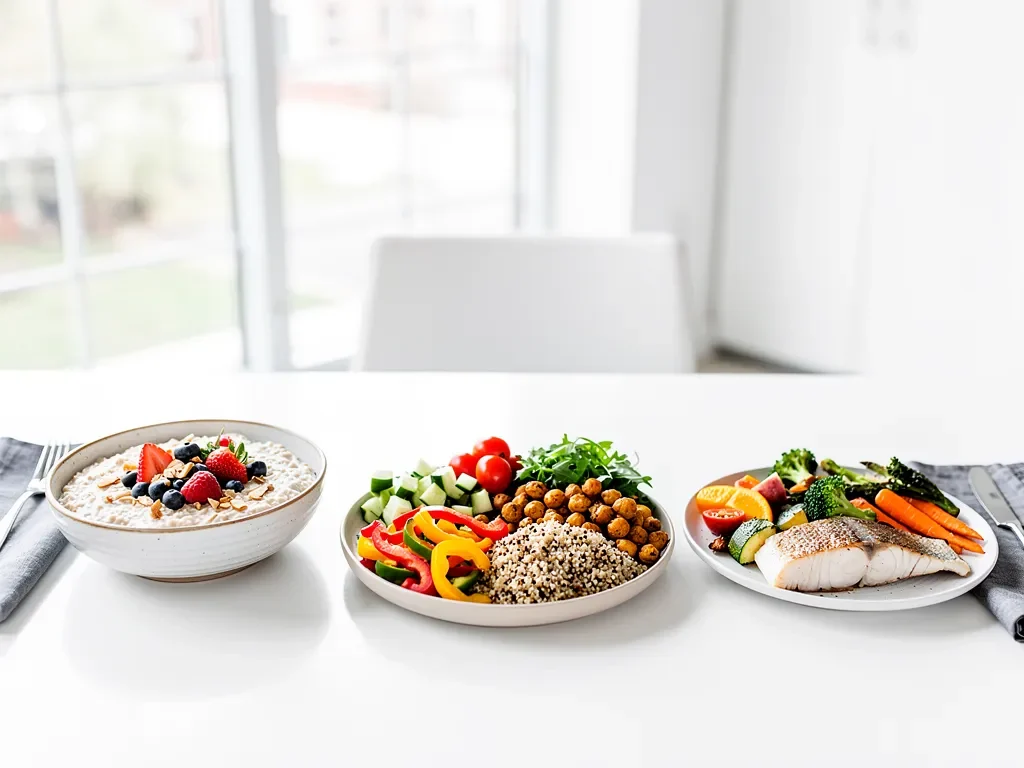
An eating plan is only useful when it can be followed during normal life. Pain, fatigue, work demands, cost, limited appetite, and digestive symptoms may all affect how much time and energy a patient can dedicate to food preparation.
The following meal formulas are designed to be adapted rather than followed exactly.
Build Breakfast Around Protein, Fiber, and Produce
Possible breakfast combinations include:
-
Oats with berries, ground flaxseed, and yogurt or fortified nondairy milk
-
Eggs with whole-grain toast and cooked spinach
-
Yogurt with fruit, walnuts, and oats
-
Whole-grain toast with nut butter and fruit
-
A smoothie containing fruit and a tolerated protein source
-
Leftover rice with eggs and cooked vegetables
A smoothie made only with fruit may not provide enough protein or staying power for some people. Adding yogurt, fortified soy milk, nut butter, or another tolerated protein source can create a more complete meal.
Breakfast does not need to control hormones or “start the metabolism.” Its practical purpose is to provide energy and nutrients in a form the patient can tolerate.
Use a Repeatable Lunch Formula
A simple lunch can include:
-
A grain, potato, or whole-grain bread
-
A protein source
-
One or two tolerated vegetables
-
Olive oil, avocado, nuts, seeds, or another fat
This formula can become:
-
A quinoa bowl with chickpeas and roasted vegetables
-
A chicken and vegetable wrap
-
Lentil soup with whole-grain bread
-
A salmon and potato salad
-
Rice with tofu and cooked vegetables
-
Leftovers from the previous evening
Repeated meal structures can reduce decision fatigue without requiring the patient to eat exactly the same foods every day.
Keep Dinner Flexible
Dinner combinations might include:
-
Baked fish with rice and roasted vegetables
-
Lentil stew with whole-grain bread
-
Chicken with potatoes and cooked greens
-
Tofu stir-fry with vegetables and noodles
-
Bean chili with avocado
-
Whole-grain pasta with vegetables and a protein source
-
An omelet with potatoes and vegetables
No one meal is inherently therapeutic. The value comes from repeatedly assembling adequate, balanced meals while adjusting ingredients for the patient’s needs.
Choose Snacks That Fill Nutritional Gaps
A useful snack can combine two food groups and address nutrients that may be missing from meals.
Options include:
-
Fruit with nut or seed butter
-
Yogurt with berries
-
Hummus with tolerated vegetables
-
Whole-grain crackers with cheese
-
Nuts with fruit
-
A boiled egg with toast
-
Roasted chickpeas
-
Oatcakes with avocado
-
A small smoothie with a protein source
Snacks are not mandatory. They may be useful when meals are small, appetite is inconsistent, or the patient has long periods between meals.
Use Frozen, Canned, and Prepared Foods Strategically
Healthy eating does not require every ingredient to be fresh or prepared from scratch.
Practical options include:
-
Frozen vegetables
-
Frozen berries
-
Canned beans
-
Canned salmon, sardines, or tuna
-
Pre-cooked brown rice or quinoa
-
Bagged salad or washed greens
-
Low-sodium soup
-
Rotisserie chicken
-
Pre-cut vegetables
-
Plain frozen fish
-
Whole-grain bread stored in the freezer
Canned beans can be rinsed, frozen vegetables can be microwaved, and pre-cooked grains can form the base of a balanced meal in minutes.
Convenience is particularly important when pelvic pain or fatigue limits cooking capacity.
Evaluate Whether the Dietary Pattern Is Actually Helping

A diet should not be assumed to work simply because it contains foods described as anti-inflammatory. Patients need a clear way to assess whether the changes are improving the symptoms that matter to them.
A brief, targeted review is usually more useful than tracking every ingredient and symptom indefinitely.
Choose One or Two Outcomes to Monitor
Possible outcomes include:
-
Abdominal bloating
-
Constipation
-
Diarrhea
-
Nausea
-
Energy between meals
-
Menstrual-cycle-related pain
-
Pain with bowel movements
-
Ability to complete normal activities
Choose symptoms that are specific enough to observe. “Feeling healthier” can be difficult to measure, while “fewer days with severe bloating” is more concrete.
Establish a Baseline Before Making Major Changes
Before restructuring the diet, briefly record:
-
The usual meal pattern
-
The selected symptoms
-
Menstrual-cycle timing
-
Medication changes
-
Other treatments
-
Unusual stress, illness, or sleep disruption
This baseline helps prevent ordinary symptom variation from being mistaken for a dietary effect.
Improve the Overall Pattern Before Eliminating Food Groups
A patient may gain more useful information by first adding nutritional structure rather than immediately removing foods.
Initial changes might include:
-
Eating more regularly
-
Including protein at meals
-
Adding tolerated vegetables or fruit
-
Choosing whole-food carbohydrate sources
-
Including unsaturated fats
-
Reducing reliance on heavily processed snacks or takeout meals
-
Drinking adequate fluids according to medical needs
Only after establishing a more consistent baseline should the patient consider whether a specific food category requires further evaluation.
Removing gluten, dairy, sugar, caffeine, red meat, and soy at the same time makes it difficult to determine which change mattered and increases the risk of nutritional gaps.
Allow Enough Consistency to Identify a Pattern
Symptoms can vary between menstrual cycles even when the diet remains unchanged. One good or difficult week therefore does not necessarily prove that a dietary pattern is effective or ineffective.
Follow the meal framework consistently enough to observe whether a repeatable change occurs, while avoiding promises that pain should improve within a certain number of days or weeks.
When a diet is not helping, it should be reconsidered rather than becoming increasingly restrictive.
Know When a Registered Dietitian Is Appropriate
A registered dietitian can help when:
-
Several food groups are being removed
-
Bloating, constipation, or diarrhea is significant
-
Food intake is limited by nausea or pain
-
Weight is changing unintentionally
-
The patient is pregnant or trying to conceive
-
There is a history of disordered eating
-
Iron deficiency or another nutritional concern is suspected
-
A low-FODMAP diet is being considered
-
The patient is unsure how to replace restricted foods
Dietetic guidance is especially useful when the goal is to separate digestive symptom management from treatment of endometriosis itself.
Be Cautious With Supplements and Concentrated “Anti-Inflammatory” Products
Supplements are often marketed as a faster or stronger version of dietary change. However, a concentrated supplement is not equivalent to eating the food from which it was derived.
Supplements may contain much higher doses, interact with medication, affect bleeding, or be inappropriate during pregnancy, before surgery, or with certain medical conditions.
Food Sources and Supplements Are Not Interchangeable
Eating fish as part of a meal is not the same as taking a high-dose fish-oil supplement. Adding turmeric to food is not the same as using a concentrated curcumin capsule.
Food provides combinations of protein, carbohydrates, fats, vitamins, minerals, and other components. Supplements isolate one or more substances in doses that may exceed normal dietary intake.
A supplement should therefore be evaluated as a separate product with its own potential benefits, risks, and interactions.
Turmeric and Curcumin Should Not Be Presented as Proven Pain Treatments
Laboratory and early clinical research has generated interest in curcumin, the compound associated with turmeric. However, this does not establish turmeric or curcumin as a clinically proven treatment for endometriosis pain.
A 2025 systematic review and meta-analysis evaluating antioxidant supplementation found that evidence regarding symptom relief and fertility remained inconclusive despite including multiple randomized trials and several supplement types.
Turmeric can be used as a culinary spice when tolerated. Concentrated supplements should be discussed with a healthcare professional, particularly when the patient takes anticoagulants, has bleeding concerns, is pregnant, or is preparing for surgery.
Review Omega-3 Supplements With a Healthcare Professional
Fish and omega-3 supplements differ in dose and composition. Product quality also varies.
Before using an omega-3 supplement, discuss:
-
Other medications
-
Anticoagulant or antiplatelet use
-
Pregnancy
-
Upcoming surgery
-
Allergies
-
Gastrointestinal side effects
-
The product’s EPA and DHA content
-
Whether a supplement is needed at all
A supplement should not be added solely because omega-3-rich foods are included in a balanced eating pattern.
Test Before Treating Possible Nutrient Deficiencies
Symptoms such as fatigue, weakness, low mood, hair changes, or difficulty concentrating can have many causes. They do not independently confirm a deficiency.
Iron, vitamin D, vitamin B12, and other supplements should be based on the patient’s diet, symptoms, relevant testing, and professional advice. This is particularly important for iron because both deficiency and excessive intake can create health problems.
Supplements should fill an identified need rather than form a standard endometriosis protocol.
Know When Pelvic Pain Needs More Than Dietary Support
A balanced diet may improve digestive comfort or general well-being, but it cannot address every cause of persistent pelvic pain.
Patients should not continue adding restrictions when pain remains severe. Continued symptoms may indicate that medical treatment needs adjustment, pelvic floor dysfunction requires rehabilitation, bowel or bladder symptoms need evaluation, or surgery should be discussed.
Symptoms That Should Prompt Medical Review
Arrange a medical evaluation when symptoms include:
-
Pelvic pain that regularly interrupts work, school, or sleep
-
Severe or progressively worsening periods
-
Pain during or after intercourse
-
Painful bowel movements
-
Painful urination
-
Increasingly frequent pain flares
-
Heavy or abnormal bleeding
-
New or changing pain
-
Symptoms that persist despite current treatment
-
Unexplained weight loss or reduced ability to eat
Endometriosis symptoms can overlap with other gynecologic, gastrointestinal, urinary, and musculoskeletal conditions. A comprehensive evaluation is therefore more appropriate than assuming diet is the missing treatment.
Separate Digestive Improvement From Endometriosis Treatment
A reduction in bloating or constipation can significantly improve comfort and quality of life. However, that improvement does not show that endometriosis lesions have changed.
Similarly, worsening digestive symptoms after a meal does not prove that the food has activated endometriosis.
Tracking pelvic and gastrointestinal outcomes separately provides a more accurate understanding of what a dietary change is accomplishing.
Consider Overlapping Contributors to Pain
Persistent pelvic pain may involve:
-
Endometriosis lesions
-
Pelvic floor dysfunction
-
Adenomyosis
-
Gastrointestinal conditions
-
Bladder pain
-
Adhesions
-
Abdominal wall or musculoskeletal pain
-
Nervous-system sensitization
More than one contributor may be present. Treating digestive symptoms alone may leave pelvic floor tension or active endometriosis unaddressed, while surgery alone may not resolve every muscular or bowel-related component.
Where Specialist Evaluation and Excision Surgery May Fit
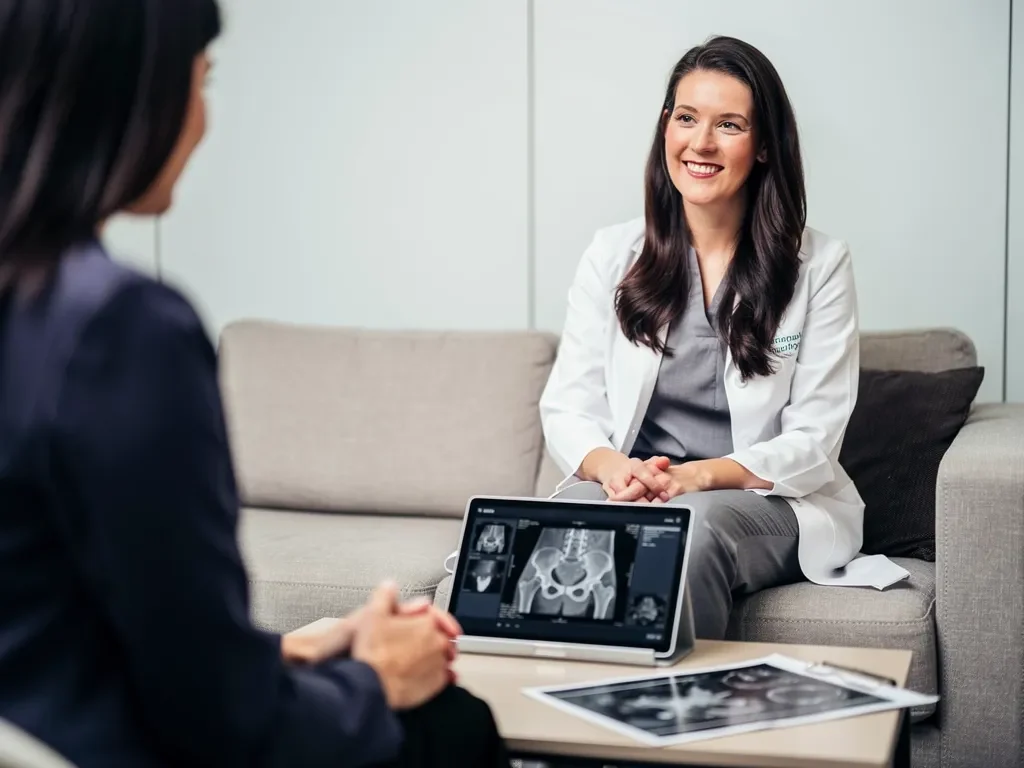
Medical and surgical treatment remain established components of endometriosis care. The appropriate approach depends on symptom severity, previous treatment response, imaging findings, fertility goals, possible organ involvement, and the patient’s preferences.
Minimally invasive excision surgery may be considered when symptoms remain severe, medical management is inadequate or unsuitable, imaging suggests an endometrioma or deep disease, or surgery aligns with the patient’s clinical needs.
Nutrition may support general health before and after treatment, but it should not be described as a method for improving surgical success, preventing recurrence, or avoiding future surgery.
Frequently Asked Questions
Is There a Clinically Proven Anti-Inflammatory Diet for Endometriosis?
No specific diet currently has enough evidence to be universally recommended for endometriosis pain.
ESHRE states that no recommendation can be made for a particular nutritional intervention because the potential benefits and harms remain unclear. Research supports continued investigation, but current findings do not establish one standard endometriosis diet.
What Is the Best Anti-Inflammatory Food for Endometriosis?
There is no single best food.
A varied pattern containing vegetables, fruit, adequate protein, fiber according to tolerance, minimally processed carbohydrates, and unsaturated fats is more meaningful than relying on one ingredient.
Salmon, berries, leafy vegetables, olive oil, beans, nuts, and seeds can all contribute useful nutrients, but none should be presented as a stand-alone treatment.
Do I Need to Avoid Gluten or Dairy?
Not automatically.
Gluten must be avoided by people with celiac disease, and testing should generally occur before beginning a gluten-free diet.
Dairy adjustments may benefit someone with lactose intolerance, which can cause gas, bloating, diarrhea, nausea, and abdominal pain. Many patients can tolerate lactose-free dairy, yogurt, hard cheese, or smaller portions.
Restriction should be based on diagnosis, individual tolerance, or a structured trial rather than an assumption that these foods worsen endometriosis in everyone.
Can Turmeric or Ginger Stop an Endometriosis Flare?
No food, spice, or supplement has been established as a reliable method for stopping an acute endometriosis flare.
Turmeric and ginger can be used in cooking when tolerated. Concentrated supplements should not replace a clinician-approved pain plan or evaluation of severe symptoms.
Is a Mediterranean-Style Diet Appropriate?
A Mediterranean-style framework can be a practical way to emphasize vegetables, fruit, legumes, whole grains, fish, nuts, and olive oil.
It should be adapted to cultural preferences, allergies, digestive tolerance, nutritional needs, and budget. It should not be presented as a cure for endometriosis or a guarantee of pain relief.
Can an Anti-Inflammatory Diet Improve Fertility?
No dietary intervention has been established as a reliable way to increase pregnancy rates specifically in patients with endometriosis.
ESHRE does not recommend nutritional or other nonmedical interventions as proven fertility treatments for endometriosis because the evidence remains insufficient.
Patients trying to conceive should discuss nutrition, medication, surgery, ovarian reserve, previous treatment, and fertility planning with appropriately qualified clinicians.
How Quickly Should Diet Reduce Pelvic Pain?
There is no reliable universal timeline, and some patients may not experience a meaningful change in pelvic pain.
Symptoms naturally vary across menstrual cycles and can also be influenced by medication, sleep, bowel function, physical activity, stress, and other treatments.
Dietary changes should be evaluated over time against specific outcomes without assuming that continued pain means the patient needs to remove more foods.
When Should I Consult a Registered Dietitian?
Consider a registered dietitian when:
-
The diet is becoming increasingly restrictive
-
Several food groups are being removed
-
Significant bloating or bowel symptoms are present
-
Weight is changing unintentionally
-
Pain or nausea limits food intake
-
A low-FODMAP diet is being considered
-
A nutritional deficiency is suspected
-
The patient is pregnant or trying to conceive
-
There is a history of disordered eating
A dietitian can help protect nutritional adequacy while identifying whether dietary changes are improving digestive symptoms, pelvic symptoms, or neither.
Conclusion
An anti-inflammatory eating pattern for endometriosis should not be built around miracle foods, universal restrictions, or the belief that every symptom can be controlled through diet. The most practical approach is to construct balanced meals using tolerated produce, a reliable protein source, a fiber-containing carbohydrate, and an unsaturated fat.
Patients can then adapt the framework to their appetite, digestive comfort, culture, budget, and schedule. Frozen vegetables, canned beans, pre-cooked grains, and other convenient foods can be as useful as elaborate recipes when pain or fatigue limits preparation.
Dietary changes may help some patients manage bloating, bowel symptoms, or general well-being, but they cannot remove endometriosis lesions or replace specialized care. Persistent pelvic pain, painful intercourse, cyclical bowel or bladder symptoms, heavy bleeding, or inadequate relief from current treatment should prompt medical evaluation rather than increasingly restrictive eating.
The Endometriosis Center of Excellence provides individualized care for patients with endometriosis and complex pelvic pain. Dr. Rachael Haverland and her team consider the full clinical picture, including pelvic pain, bowel and bladder symptoms, pelvic floor function, previous treatment, imaging, and fertility goals, to determine which medical, rehabilitative, or surgical options may be appropriate.