

Endometriosis can affect far more than menstrual health. For many individuals, it causes chronic pelvic pain, painful intercourse, bowel discomfort, urinary symptoms, and fertility challenges that significantly impact daily life in multifaceted ways. Because symptoms can vary widely in severity and presentation, determining when advanced surgical intervention may be appropriate is not always straightforward or simple.
A thorough evaluation involves more than identifying symptoms. It requires understanding how those symptoms affect quality of life, reviewing medical history, assessing treatment responses, and using imaging or other diagnostic tools when necessary to develop a precise clinical picture. In some cases, persistent symptoms despite conservative treatment may indicate the need for specialized surgical evaluation by experts. Understanding the signs, assessment methods, and treatment considerations can help patients make informed decisions about their care and determine whether advanced surgical intervention should be part of their treatment plan.
Understanding the Symptoms That May Require Advanced Evaluation

Evaluating endometriosis begins with recognizing symptom patterns and understanding how they affect daily functioning and well-being. While every patient experiences the condition differently, certain symptoms are more commonly associated with advanced disease and may warrant further investigation and more aggressive management.
What Are the Key Symptoms Indicating the Need for Advanced Endometriosis Surgery?
Severe pelvic pain, painful intercourse, and significant menstrual pain are among the most common symptoms that may prompt consideration of surgical evaluation. Some patients also experience bowel dysfunction, urinary symptoms, or fertility-related concerns that suggest more extensive disease involvement requiring thorough clinical attention.
When symptoms persist despite medication, hormonal management, lifestyle modifications, or physical therapy, additional evaluation may be appropriate. Imaging findings such as endometriomas or signs of deep infiltrating endometriosis can also influence treatment planning and discussions about surgery, guiding tailored approaches for individual patients.
Which Pelvic Pain Patterns Suggest Severe Endometriosis?
Not all pelvic pain follows the same pattern. Some individuals experience pain primarily during menstruation, while others have ongoing discomfort throughout the month. Progressive pain that becomes increasingly disruptive over time often deserves closer and more detailed evaluation by specialists.
Pain during bowel movements, urination, exercise, or sexual activity may indicate involvement of nearby pelvic structures including the bladder or intestines. Continuous pain, combined with cyclical flare-ups, can also signal more complex disease patterns that require comprehensive assessment and careful treatment planning.
How Do Symptoms Like Fertility Challenges and Bowel Issues Influence Evaluation?
Fertility concerns and gastrointestinal symptoms often provide important clues about the extent of disease. Endometriosis-related inflammation and adhesions may affect reproductive anatomy, impairing fertility potential, while bowel symptoms can indicate involvement of deeper pelvic tissues and complicated disease presentations.
These symptoms often lead clinicians to pursue more detailed imaging studies and multidisciplinary evaluation incorporating input from fertility specialists and gastroenterologists. Treatment decisions are typically guided by symptom severity, patient goals, and the overall impact on quality of life and reproductive plans.
Recognizing Symptom Patterns and Functional Impact

Understanding symptoms involves more than measuring pain levels. Healthcare providers also evaluate how symptoms affect daily activities, relationships, work performance, and overall well-being, recognizing the broad impact of this chronic condition.
Why Symptom Tracking Matters
Keeping a detailed symptom record can provide valuable information that may not be apparent during a single appointment. Tracking pain intensity, symptom timing, medication use, and daily limitations helps establish patterns that support clinical decision-making and more personalized care approaches.
A symptom diary may include:
- Pain severity ratings recorded daily or weekly
- Menstrual cycle timing and associated symptom fluctuations
- Bowel or urinary symptoms and their frequency
- Activity limitations impacting social and occupational functioning
- Response to treatments including medications or therapies
Over time, these records help create a clearer picture of disease impact and treatment effectiveness, enabling clinicians to adjust strategies accordingly.
How Endometriosis Can Affect Daily Life and Overall Well-Being
Many individuals with endometriosis experience challenges that extend beyond physical symptoms. Chronic pain can affect sleep patterns, concentration, work productivity, exercise routines, and personal relationships, leading to cumulative emotional stress.
The cumulative impact of ongoing symptoms may influence emotional well-being and overall quality of life. Evaluating these effects is an important part of determining whether current treatment strategies remain appropriate or if additional intervention should be considered to improve outcomes.
How Specialists Evaluate Endometriosis Severity

A comprehensive evaluation combines patient-reported symptoms with objective clinical findings. This approach helps ensure treatment decisions are based on both symptom burden and evidence of disease involvement to optimize care.
How Is Symptom Severity Objectively Measured?
Clinicians frequently use validated assessment tools to evaluate pain levels and quality-of-life impact. Common examples include visual pain scales and endometriosis-specific questionnaires designed to measure how symptoms affect everyday activities and emotional health. You may also find Will Endo Surgery Hurt My AMH Levels? What to Know helpful.
These tools provide measurable benchmarks that help guide treatment planning and monitor progress over time, facilitating timely adjustments in therapeutic approaches.
What Are the Standardized Pelvic Pain Scales and Evaluation Protocols?
Standardized evaluation methods allow healthcare providers to assess symptoms consistently and compare clinical data across patient populations. Pain scales, symptom questionnaires, and functional assessments help identify patients whose symptoms may require more advanced intervention or surgical consideration.
Regular use of these tools also supports ongoing monitoring and can reveal whether symptoms are improving, stable, or worsening over time, informing multidisciplinary care planning. Read more in Bowel Endometriosis: Symptoms, Diagnosis, and When Surgery Is Necessary.
How Are Imaging and Diagnostic Findings Incorporated Into Evaluation?
Imaging studies such as transvaginal ultrasound and MRI can provide valuable information about disease extent and anatomical involvement. These studies may identify ovarian endometriomas, adhesions, or deep infiltrating endometriosis affecting critical pelvic structures. We cover this further in Can Endometriosis Be Diagnosed Non-Surgically.
When symptoms remain severe despite inconclusive imaging, additional evaluation may still be necessary. Clinical judgment, symptom patterns, and physical examination findings remain important components of the diagnostic process for comprehensive disease assessment. You may also find What Nerve-Sparing Endometriosis Surgery Means helpful.
When Advanced Surgical Intervention May Be Considered
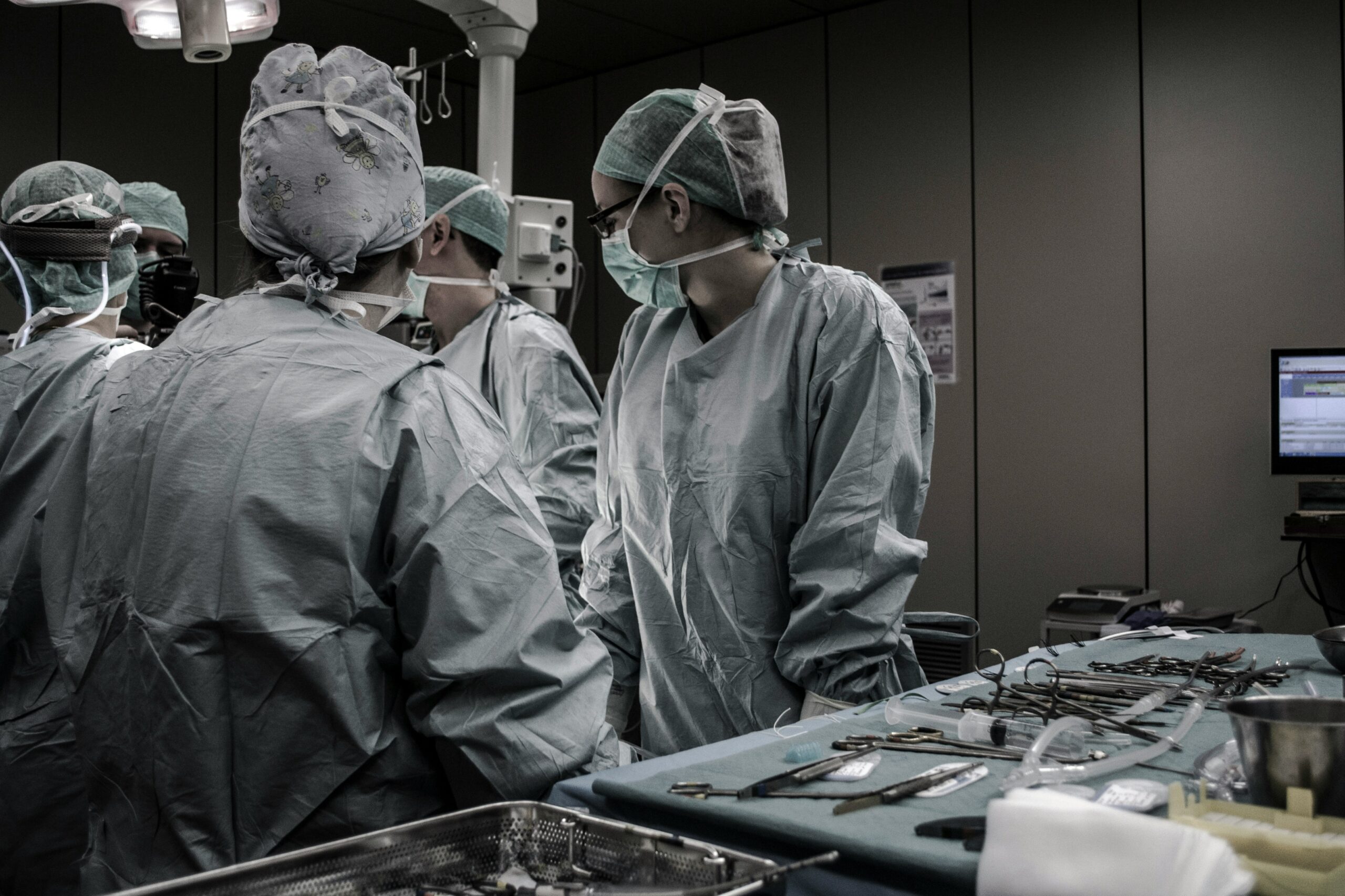
Surgery is not appropriate for every patient with endometriosis. However, certain clinical situations may make advanced surgical evaluation an important part of treatment planning to achieve symptom relief and improved quality of life. Read more in Informed Choices: Understanding Endometriosis Surgery Risks.
When Should You Consider Laparoscopic Excision Surgery?
Laparoscopic excision surgery may be considered when symptoms significantly affect daily functioning, or when conservative treatment approaches have not provided adequate relief over a sustained period. You may also find Hysterectomy Insights for Endometriosis Sufferers helpful.
The goal of surgery is to remove endometriosis lesions while preserving healthy tissue whenever possible, minimizing potential complications. Treatment recommendations are individualized based on symptoms, disease extent, and patient goals to optimize outcomes. We cover this further in Key Factors in Choosing Surgery for Endometriosis Relief.
What Distinguishes Excision Surgery From Other Treatment Options?
Excision surgery removes endometriosis tissue from its source rather than simply treating the surface of affected areas. Because of this approach, excision can provide a more comprehensive treatment option for appropriately selected patients seeking longer-term symptom control. Read more in Post-Surgery Tips to Stop Endometriosis from Coming Back.
The effectiveness of any treatment depends on multiple factors, including disease severity, lesion location, and overall treatment strategy, emphasizing the need for personalized care planning.
Which Patients May Benefit From Minimally Invasive Surgery?
Minimally invasive surgery may be appropriate for patients with significant symptom burden, suspected deep disease involvement, or disease that has not responded adequately to conservative therapies and medical management. We cover this further in Supporting a Loved One Through Endometriosis Surgery.
Potential advantages include:
- Smaller incisions leading to less tissue trauma
- Reduced postoperative discomfort and pain levels
- Shorter recovery periods allowing faster return to activities
- Less visible scarring improving cosmetic outcomes
Treatment suitability depends on individual circumstances and should always be determined through comprehensive evaluation by experienced specialists.
Preparing for Surgical Evaluation and Recovery

For patients considering advanced surgical intervention, preparation plays an important role in both treatment planning and recovery expectations to facilitate optimal results.
What Is the Process for Advanced Surgical Evaluation?
Advanced evaluation typically begins with a detailed review of symptoms, previous treatments, imaging studies, and medical history. Additional imaging or specialist consultations may be recommended depending on individual findings and potential complexities.
The goal is to develop a personalized treatment strategy that aligns with patient priorities and clinical needs while minimizing risks and maximizing benefits.
What Multidisciplinary Approaches Support Treatment Planning?
Because endometriosis can affect multiple aspects of health, treatment planning often benefits from collaboration among healthcare professionals representing various specialties.
Depending on the patient’s needs, care may involve:
- Minimally invasive gynecologic surgery specialists with expertise in excision techniques
- Pelvic floor physical therapy referrals to address musculoskeletal symptoms
- Non-opioid pain management approaches to reduce reliance on medications
- Collaborative specialist care for complex cases including fertility experts and gastroenterologists
This coordinated approach helps address the broad impact of endometriosis while supporting individualized treatment planning tailored to patient goals.
What Should Patients Expect Before and After Surgery?
Preoperative planning often includes reviewing treatment goals, discussing risks and benefits, and preparing for recovery. Patients receive guidance regarding activity levels, pain management, and follow-up care protocols to support healing.
Recovery timelines vary depending on the procedure and individual circumstances. Many patients gradually return to normal activities over several weeks while continuing follow-up care as recommended by their healthcare team.
How Can Patients Track and Communicate Symptoms Effectively?
Clear communication helps ensure treatment decisions reflect the patient’s actual experience and needs. Maintaining detailed records of symptoms can support productive conversations during appointments and improve clinical outcomes.
Useful information includes pain location, severity, symptom triggers, medication effectiveness, and the impact symptoms have on work, relationships, and daily activities, fostering shared decision-making.
Frequently Asked Questions
Can severe pelvic pain alone indicate the need for surgical evaluation?
Persistent pelvic pain that significantly affects daily life may warrant further evaluation, particularly when conservative treatment approaches have not provided adequate relief.
Are imaging tests always able to detect endometriosis?
No. While ultrasound and MRI can identify certain forms of endometriosis, imaging does not detect every lesion. Clinical evaluation remains an important part of diagnosis and treatment planning.
Is surgery the first treatment option for endometriosis?
Not necessarily. Treatment recommendations depend on symptom severity, treatment history, individual goals, and overall clinical findings.
How often should endometriosis symptoms be reassessed?
Regular follow-up is important, especially if symptoms change, worsen, or begin affecting quality of life in new ways. Evaluation frequency varies based on individual circumstances.
Conclusion
Evaluating endometriosis symptoms involves understanding more than pain alone. Symptom patterns, functional limitations, imaging findings, and treatment responses all contribute to determining whether advanced surgical intervention may be appropriate. By tracking symptoms carefully and seeking comprehensive evaluation when needed, patients can make more informed decisions about their care and future treatment options, ultimately improving quality of life.
To learn more about personalized endometriosis care and treatment options, explore Endometriosis Center of Excellence (Endo Excellence Center) and discover resources designed to support your health journey with confidence. Learn how our surgeons approach endometriosis excision surgery.