
Endometriosis is a gynecological disorder in which endometrium-like tissue develops outside the uterine cavity and commonly produces pelvic pain, menstrual irregularities and reduced fertility. Ectopic endometrial implants can provoke local inflammation, adhesions and anatomic distortion that impair reproductive function. This review outlines diagnostic pathways, evidence-based treatment modalities and the likely effects of endometriosis on conception and pregnancy to support informed clinical and patient decision-making.
Treatment Options
Management strategies for endometriosis are selected according to disease severity, symptom burden and fertility goals. Broadly, options include medical endocrine therapies, surgical excision or ablation of disease, and assisted reproductive techniques. Choice of therapy should be based on multidisciplinary assessment and current evidence regarding reproductive outcomes. Shared decision-making should factor in the patient’s reproductive timeline, ovarian reserve and previous interventions; multidisciplinary meetings can reconcile surgical risks with potential fertility benefit. Consideration of fertility preservation prior to definitive therapies may be appropriate for some patients.
- Medical Therapies:These include hormonal treatments designed to manage symptoms by regulating menstrual cycles and reducing endometrial tissue growth. This can involve contraceptives, progestins, and GnRH agonists.Benefits: Hormonal therapies can alleviate pain and other symptoms, providing an improved quality of life for many women.
- Surgical Options:Laparoscopic excision is a common surgical method that removes as much of the endometrial tissue as possible, helping to alleviate symptoms and potentially improve fertility.Benefits: This procedure has been shown to result in increased pregnancy rates and lower recurrence of symptoms.
- Assisted Reproductive Technologies:For women facing severe fertility challenges, options like IVF (in vitro fertilization) allow for the bypassing of natural conception barriers caused by endometriosis.Benefits: IVF can offer hope to couples struggling with infertility due to endometriosis, making it a critical consideration in treatment discussions.
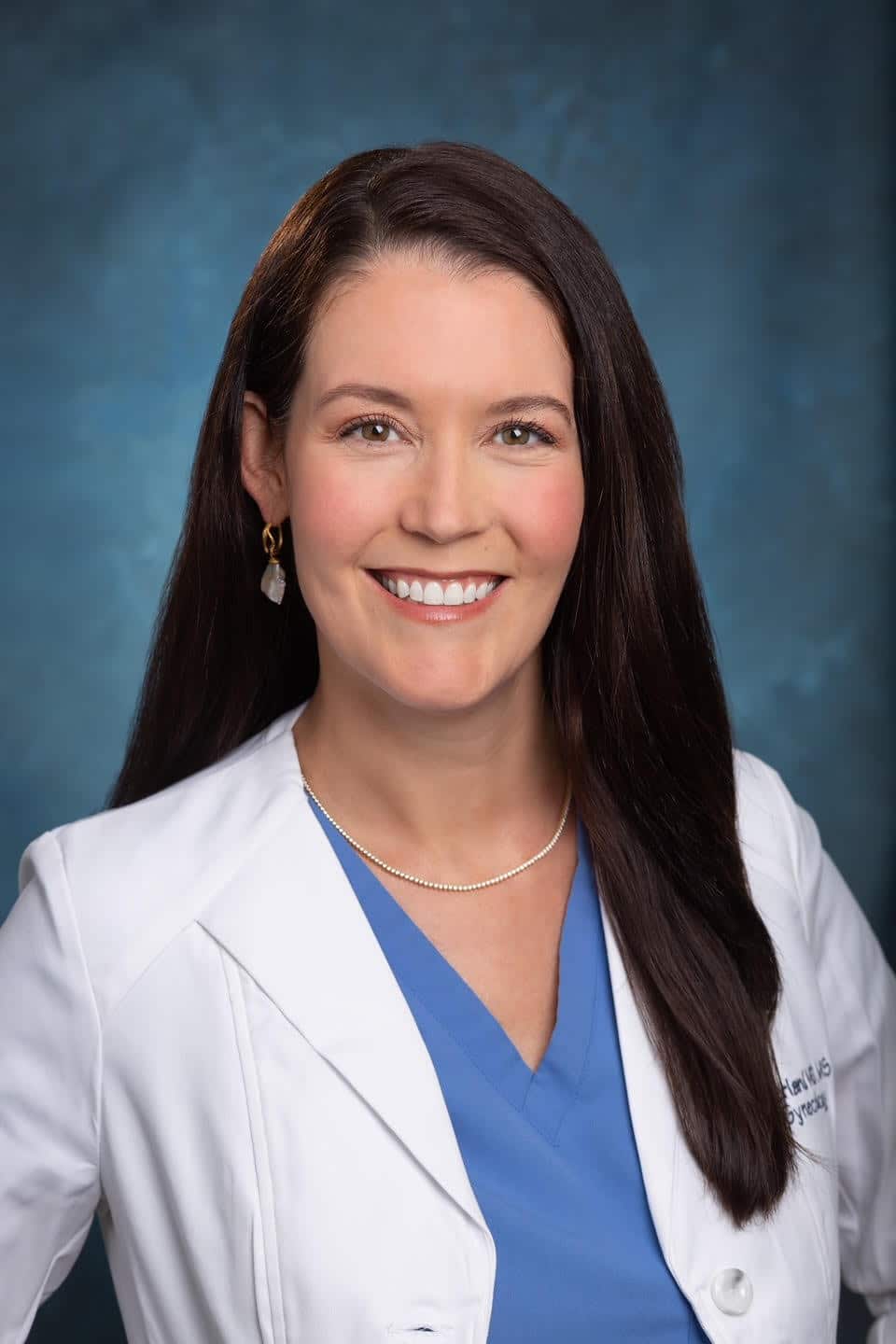
The addition of specialist consultation can refine these strategies. Patients seeking individualized care may derive benefit from consultation with clinicians such as Dr. Rachael Haverland at Endo Excellence Center, who is fellowship-trained in complex endometriosis management.
Medical Therapies
Medical management targets estrogen-dependent disease activity and symptom control. Regimens commonly used include combined oral contraceptives to suppress menses, progestin-based therapies delivered orally, by implant or via intrauterine device, and GnRH agonists to induce a reversible hypoestrogenic state. Selection is guided by symptomatology, side-effect profile and reproductive plans. When family building is imminent, temporary cessation of hormonal suppression may be needed to attempt conception; conversely, suppression can be used to manage symptoms while patients consider pregnancy planning. Clinicians should counsel on the timing of treatment relative to fertility attempts and coordinate care with reproductive specialists.
- Combined Oral Contraceptives: These help to lighten menstrual flow, relieve pain, and prevent new endometrial growth.
- Progestin Therapy: This can be administered through injections, implants, or intrauterine devices to suppress menstruation and lead to a decrease in the size of endometrial lesions.
- GnRH Agonists: These medications induce a temporary menopause-like state and may shrink endometrial tissue.
Hormonal therapies often reduce pain and disease activity but carry potential adverse effects such as mood alterations and, with prolonged use of certain agents, decreased bone mineral density. Benefits and risks should be reviewed with the treating clinician.
Impact on Reproductive Health
Endometriosis can affect fertility through pelvic adhesions, inflammation and anatomical distortion that interfere with ovulation, fertilisation and embryo implantation. Around 30–50% of women with endometriosis experience fertility challenges, making early evaluation and personalised care essential. In addition to its physical effects, the condition can contribute to emotional stress, anxiety and uncertainty around conception. Because of this, fertility counselling and psychological support are often important parts of comprehensive treatment and long-term reproductive planning.
How Does Endometriosis Affect Fertility and Pregnancy?

Endometriosis may impair fertility by disrupting tubal function, reducing oocyte quality, and creating an inflammatory pelvic environment that affects fertilization and embryo implantation. The degree of fertility impairment can vary significantly depending on disease stage, lesion type, and the presence of adhesions or ovarian involvement. Early diagnosis and personalized management are important for improving reproductive outcomes and preserving fertility potential.
Impact on Fertility
Patients with mild endometriosis may still conceive naturally with monitoring, ovulation support or timed intercourse. However, moderate to severe disease can significantly reduce the likelihood of natural conception and may require assisted reproductive treatments such as IVF. Endometriosis can also compromise ovarian reserve and pelvic anatomy, making fertility preservation strategies and early intervention especially important for patients planning future pregnancies.
Pregnancy Outcomes
Pregnancy in women with endometriosis may carry a slightly increased risk of miscarriage and certain obstetric complications, particularly in cases involving severe disease or extensive pelvic scarring. Close antenatal monitoring and coordinated care between fertility specialists and obstetric teams can help reduce risks and improve maternal and neonatal outcomes. Preconception planning and ongoing medical supervision are often recommended to support a healthier pregnancy journey.
How Is Fertility Evaluated in Endometriosis Patients?
Fertility evaluation in patients with endometriosis usually involves a combination of clinical assessment, imaging studies, and laboratory testing. These evaluations help determine the extent of disease, ovarian function, and any anatomical barriers that could affect conception. The findings are then used to create a personalized fertility treatment plan based on the patient’s symptoms, reproductive goals, and age.
Imaging Tests
Transvaginal ultrasound and pelvic MRI are commonly used to identify endometriomas, adhesions and deep infiltrating disease. These imaging techniques provide detailed information about pelvic anatomy and can assist with treatment planning, particularly when surgery is being considered. Advanced imaging may also help evaluate the severity of disease and guide multidisciplinary fertility management.
Hormonal Assessments
Hormonal testing helps evaluate ovarian reserve, ovulatory function and other endocrine factors that may influence fertility potential. Assessments such as AMH levels and ovulation tracking can provide valuable insight into reproductive timing and treatment planning, especially for patients considering fertility preservation or assisted reproductive technologies.
Laparoscopy
Laparoscopy remains the diagnostic gold standard because it allows direct visualisation and confirmation of endometriosis. During the procedure, surgeons can assess the extent of disease, remove lesions and improve pelvic anatomy where appropriate. In selected patients, laparoscopic treatment may improve natural fertility outcomes while also helping relieve pain symptoms. Read more in Understanding Endometriosis Symptoms and Teen Fertility.
Lifestyle Factors That May Influence Fertility With Endometriosis

Lifestyle habits can support the management of endometriosis and protect reproductive health. Although lifestyle changes cannot cure the condition, they may help reduce inflammation, support hormonal balance, and improve overall wellbeing alongside medical treatment. Factors such as nutrition, exercise, stress management, and sleep quality can influence symptom severity and fertility outcomes over time. A comprehensive care plan that combines medical treatment with healthy daily habits may help patients better manage symptoms while supporting their long-term reproductive goals. Read more in Endometriosis and Fertility: The Complete Authority Guide.
Nutrition and Anti-Inflammatory Diets
Some research suggests that anti-inflammatory dietary patterns may help reduce symptom severity in women with endometriosis. Diets rich in fruits, vegetables, omega-3 fatty acids, whole grains, and lean proteins may support hormonal balance and reduce systemic inflammation.
Limiting highly processed foods, excessive alcohol intake, and trans fats may also help support reproductive health. Nutritional guidance from healthcare professionals can assist patients in developing sustainable dietary strategies tailored to their individual needs.
Exercise and Stress Management
Regular physical activity may improve circulation, reduce stress, and support hormonal regulation. Moderate exercise can also help manage chronic pelvic pain and improve overall quality of life.
Stress management is equally important, as fertility challenges and chronic symptoms may contribute to emotional strain. Mindfulness practices, counselling, support groups, and mental health care can help patients better cope with the psychological impact of endometriosis. For more detail, see our article Understanding Endometriosis and Fertility: Truths Uncovered.
Sleep and Overall Wellness
Quality sleep and long-term wellness habits are important components of reproductive health. Poor sleep, chronic fatigue, and unmanaged stress may worsen inflammation and negatively affect hormonal balance.
Maintaining healthy sleep routines, prioritizing mental wellbeing, and attending regular medical follow-ups can help support long-term reproductive outcomes and symptom control.
When to Seek Fertility Support for Endometriosis
Seeking fertility support early can help patients better understand how endometriosis may affect their chances of conception and pregnancy. Because the condition can progress over time, delays in diagnosis or treatment may lead to worsening pelvic adhesions, reduced ovarian reserve, and increased reproductive complications. Early fertility evaluation allows healthcare providers to identify potential barriers to conception and develop personalized treatment plans based on the patient’s age, symptoms, and reproductive goals. Timely intervention may also expand treatment options and improve overall fertility outcomes.
Signs It May Be Time to See a Specialist
Women experiencing severe pelvic pain, irregular cycles, recurrent pregnancy loss, or difficulty conceiving after several months of trying may benefit from evaluation by a fertility specialist.
Patients with known ovarian endometriomas, prior pelvic surgery, or advanced-stage endometriosis should also consider earlier reproductive consultation due to the potential impact on fertility potential.
The Importance of Early Intervention
Early intervention may improve pregnancy outcomes by identifying fertility barriers before they worsen. Timely treatment can also help preserve ovarian reserve and reduce long-term reproductive complications.
Fertility preservation strategies, surgical planning, and reproductive therapies are often more effective when addressed earlier in the disease process. We cover this further in Understanding Fertility Implications of Endometriosis Therapies.
Building a Long-Term Fertility Plan
Every patient’s reproductive journey with endometriosis is different. Some women may pursue natural conception, while others may require assisted reproductive technologies or fertility preservation.
Developing a long-term fertility plan with a multidisciplinary medical team allows patients to make informed decisions about symptom management, treatment timing, and future family-building goals.+
Frequently Asked Questions
1. How does endometriosis affect hormonal balance and fertility?
Endometriosis can alter local and systemic hormonal signalling and provoke chronic inflammation, which in turn may disrupt ovulation and reduce oocyte competence. These changes can impair implantation and increase the likelihood of implantation failure, thereby complicating fertility efforts.
2. What are the emotional impacts of living with endometriosis?
Chronic pain and fertility uncertainty often produce significant psychological stress, including anxiety, depressive symptoms and social isolation. Integrating psychosocial support and counselling into clinical care improves coping and overall outcomes.
3. Can lifestyle changes help manage symptoms of endometriosis?
Adjunctive lifestyle measures—such as a balanced, anti-inflammatory diet, regular exercise and stress-reduction techniques—can attenuate symptom burden for some patients. These measures are supportive and should complement, not replace, medical or surgical treatment when indicated.
4. What is the role of nutrition in managing endometriosis?
Dietary patterns emphasising whole foods and omega‑3 fatty acids may reduce systemic inflammation and support general health. Nutritional counselling from a clinician familiar with endometriosis can help tailor recommendations to individual needs.
5. How can partners support each other through endometriosis treatments?
Partners play a key role by engaging in open communication, attending consultations when appropriate and sharing practical care responsibilities. Such involvement fosters mutual understanding and strengthens coping during treatment and fertility planning.
6. What should I expect during a laparoscopy for endometriosis?
Laparoscopy is a minimally invasive procedure performed under general anaesthesia that allows direct visualisation of pelvic organs and simultaneous excision or biopsy of lesions. Postoperative recovery varies; many patients resume routine activities within days to weeks depending on intervention extent.
7. Are there specific support resources for women with endometriosis?
Several patient organisations and support networks provide education, peer support and advocacy resources. These groups can assist patients in navigating care options and connecting with others who have similar clinical experiences.
Conclusion
Comprehensive understanding of endometriosis and its reproductive implications enables informed, evidence-based decisions about diagnosis and treatment. Early specialist involvement and a multidisciplinary, individualised approach improve the likelihood of optimising fertility outcomes while addressing the physical and psychosocial dimensions of the condition.